REVIEW · TAITO CITY
Tokyo:Calligraphy & Zen Mindful Journey+Take Home Memory
Book on GetYourGuide →Operated by YOKOSO Japan · Bookable on GetYourGuide
Silence first, ink next. This Tokyo experience pairs Zen mindfulness with shodo so you slow down before you write your name in kanji. I love how it turns what could be a simple souvenir activity into a focused, calming hour-and-a-half (well, closer to two) with real structure.
Second best part: the instruction is hands-on. In the one-on-one feel, the teacher encourages repeated attempts until your kanji expression looks right, not just roughly copied.
One thing to consider: the day is silent, so you’ll want to be comfortable with quiet. They also ask you to watch a pre-tour video, and skipping that makes the experience harder to understand on-site.
In This Review
- Key points that make this experience worth your time
- Zen + shodo: why this Tokyo calligraphy lesson feels different
- Where you meet and how the neighborhood choice works
- Before you go: watch the Zen video so the silence doesn’t throw you
- The shodo workshop: writing your own kanji in a real process
- Your kimono moment: a photo that actually shows the work
- The take-home hanging scroll: what you keep and why it matters
- Price and value: is $67 fair for Zen, shodo, and materials?
- What to bring (and what not to worry about)
- Who this experience is best for
- A practical way to get the most out of your two-hour session
- Should you book this Tokyo Zen calligraphy and mindful journey?
- FAQ
- FAQ
- How much does Tokyo Zen Mindful Journey with calligraphy cost?
- Where does the experience take place?
- How long is the calligraphy session?
- Is the day silent?
- Do I choose my location in Tokyo?
- What is included in the price?
- What should I bring with me?
- Is a meal included?
- Where do I meet, and where does it end?
- Can I pay later or cancel?
Key points that make this experience worth your time

- Silent Zen flow before you start writing, so the calligraphy feels intentional
- Two-hour shodo workshop focused on making your own kanji
- Personalized kanji suggestions based on you, then transferring to a clean hanging scroll
- Kimono + hanging scroll photo moment for a memorable keepsake
- English and Japanese support that makes the workshop feel beginner-friendly
Zen + shodo: why this Tokyo calligraphy lesson feels different

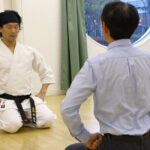
Tokyo has plenty of calligraphy demos, but this one is built around Zen practice first. The idea is simple: Zen is used to prepare the mind, then you use that calmer state to write. Instead of rushing through strokes, you’re guided into a quieter rhythm so your hands and attention match.
That’s what I like most about this setup. You’re not just learning how to hold a brush. You’re learning how to be present while doing something precise, repetitive, and very Japanese in its spirit.
And because it’s scheduled as a silent experience, you’re given a clear expectation up front. If you’re the type who gets distracted easily, that silence can actually help you focus. If you’re not a quiet-person, plan accordingly.
You can also read our reviews of more tours and experiences in Taito City.
Where you meet and how the neighborhood choice works

This experience runs in Honshu, with the activity placed in energetic Tokyo areas. If you’re doing the option that’s only SHODO, you can choose your timeslot and the area you want: Shibuya, Shinjuku, Asakusa, or Akihabara. If you don’t have a preference, they’ll place you at Hiroo Station.
Why this matters: calligraphy feels personal, and the location changes the vibe around it. A workshop in Shibuya will feel like city-life Tokyo. Asakusa can feel more traditional around the edges. Akihabara brings its own modern energy. Shinjuku is… Shinjuku.
Your meeting point starts at Exit 2, and the activity ends back at that same meeting point. That’s helpful because you’re not left figuring out a final pickup point after you finish.
Before you go: watch the Zen video so the silence doesn’t throw you

They tell you the day will be silent, and they also send you a video by email to explain the Zen method. Don’t treat that as optional homework. It’s there for a reason: to help you understand what you’re doing when you arrive in quiet mode.
If you’ve never done Zen-style mindfulness, the video is your shortcut to not feeling lost. You’ll know what to expect in terms of tone, behavior, and the purpose behind the silence, which makes the whole thing easier to enjoy.
This matters more than it sounds. When you know the rules ahead of time, you spend your energy on the brush and the strokes instead of trying to interpret the atmosphere.
The shodo workshop: writing your own kanji in a real process

Once your booking is confirmed, they secure a spot and invite you to experience calligraphy at your chosen location. The calligraphy session runs for two hours. That’s enough time to do more than a quick try-and-go.
Here’s how the process works based on what you’ll be guided through:
- You experience calligraphy as part of the Zen-prepped flow.
- You find your own name in kanji style.
- They suggest kanji characters that suit you.
- You work on the creation process, then the finished kanji is completed by placing it onto a hanging scroll.
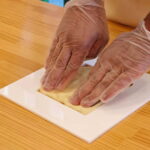
The hanging scroll part is more than a presentation detail. They mention completing the original kanji characters by placing them on the hanging scroll to prevent it from getting soiled. Translation: they care about keeping the artwork clean, and that makes the final keepsake look polished.
If you’re worried about your ability level, the support angle is important. One review I saw highlighted how the teacher was encouraging and understanding, and how they helped the student find the best expression through many attempts. That’s exactly what you want in calligraphy: feedback that helps you improve, not pressure that makes you freeze.
Your kimono moment: a photo that actually shows the work

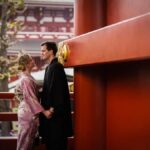
Wearing a kimono is part of the experience, and it’s tied to the end-of-session artwork. After your calligraphy work is completed on the hanging scroll, you’ll take a photo with your art while wearing the kimono.
That “photo with your result” format is smart. A lot of tourist kimono experiences stop at dressing up. Here, the kimono is connected to what you made, so your memory isn’t just fabric and a pretty backdrop. It’s you, your kanji, and the brushwork in one frame.
Also, since the hanging scroll is included, your photo has something to show besides the outfit. You’re photographing the final product, not just the process.


The take-home hanging scroll: what you keep and why it matters

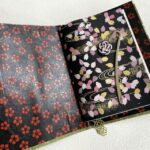
Your hanging scrolls are included. They’re part of what they present at the end of the session, and they also use the hanging scroll to keep the completed kanji clean.
Why that’s valuable: calligraphy is one of those activities where the final item helps you remember the feeling of the session. A take-home scroll gives you a physical reminder of the strokes you practiced and the calm state you worked in before you picked up the brush.
If you’re someone who likes tangible souvenirs, this delivers. If you’re trying to travel light, keep in mind that you’ll be carrying a hanging scroll when you’re done, but at least it’s planned as part of the experience from the start.
Price and value: is $67 fair for Zen, shodo, and materials?

At $67 per person, this isn’t a budget-only gimmick. You’re paying for a guided Zen calligraphy session plus the workshop and the final hanging scroll. The included items are clear: entrance fee of Zen, the workshop, and hanging scrolls.
What you’ll need to budget separately:
- Train travel expenses
- A light meal or snack (not included)
So the real cost is $67 plus getting there. If you’re already staying near one of the Tokyo areas they serve—like Shibuya, Shinjuku, Asakusa, Akihabara, or Hiroo—your extra transportation cost may be reasonable.
The value angle for me is that you’re not only learning strokes. You’re getting:
- Zen preparation (including a pre-video)
- A structured, quiet session
- Guided support until your kanji expression looks right
- A finished hanging scroll you can keep
That combination is what makes the price feel more like a full activity than a quick pass-through.
What to bring (and what not to worry about)

The tour info is simple about supplies: bring cash. They don’t list a long gear list, so don’t overpack.
From a planning standpoint, also remember:
- The day is silent
- You should watch the Zen video sent by email before joining
- Expect the activity to start at Exit 2 and end back there
If you’re doing the version that only includes SHODO, be ready to send your preferred timeslot and location by email if you have one. If you don’t, they’ll default to Hiroo Station.
Who this experience is best for

This fits best if you want a hands-on cultural activity, not just watching someone else do it. It’s especially good for:
- Beginners who want guided instruction in shodo
- People who like calm, structured experiences
- Visitors who want to see kanji created from their own name
- Anyone who wants a kimono experience tied to a finished piece of art
It also helps that the experience is available in English and Japanese. So even if you’re not comfortable speaking Japanese, you’re not entering blind.
A practical way to get the most out of your two-hour session
You’ll get the best results if you treat it like practice, not like a one-shot performance. Calligraphy is about repetition and getting the “feel” of the strokes. Since the teacher is encouraging and helps adjust your expression through attempts, you should let yourself try.
Also, be ready for the quiet. If silence makes you self-conscious, you might assume you’re doing something wrong. But the silence is part of the Zen prep, and the point is to keep your attention on the brush and the moment.
Finally, take the photo only after your hanging scroll is ready. That keeps your memory anchored to the completed work, not a half-finished draft.
Should you book this Tokyo Zen calligraphy and mindful journey?
Book it if you want a meaningful Tokyo cultural experience that’s hands-on, not just scenic. The combination of Zen mindfulness, a two-hour shodo workshop, a kimono photo moment, and a take-home hanging scroll makes this one of those activities where you leave with both a story and an object.
Skip it if you need constant conversation or you know you won’t handle silence comfortably. Also, if you’re the type who forgets pre-work, make sure you watch the Zen video they send you, because that’s how the session makes sense when you arrive.
If you match those two conditions—quiet comfort and willingness to practice—this feels like solid value for $67.
FAQ
FAQ
How much does Tokyo Zen Mindful Journey with calligraphy cost?
It costs $67 per person.
Where does the experience take place?
It’s in Tokyo, Honshu, Japan, with workshop locations in Shibuya, Shinjuku, Asakusa, or Akihabara, or by default at Hiroo Station.
How long is the calligraphy session?
The calligraphy experience runs for two hours.
Is the day silent?
Yes. The day will be silent, and they ask you to watch a Zen method video before joining.
Do I choose my location in Tokyo?
If you chose the plan that has only SHODO, you can choose the timeslot and location among Shibuya, Shinjuku, Asakusa, or Akihabara. If you don’t choose, it will be at Hiroo Station.
What is included in the price?
The price includes the entrance fee of Zen, the workshop, and hanging scrolls.
What should I bring with me?
You should bring cash.
Is a meal included?
No. The cost of a light meal or snack is not included.
Where do I meet, and where does it end?
The start location is Exit 2, and the activity ends back at the meeting point.
Can I pay later or cancel?
You can reserve & pay later, and you can cancel up to 24 hours in advance for a full refund.