REVIEW · SAPPORO
Top-rated experience Includes soba noodle making and tempura
Book on GetYourGuide →Operated by 手打ち蕎麦 もんど · Bookable on GetYourGuide
Hand-cut noodles beat any souvenir. This Sapporo class takes you into the buckwheat world of handmade soba noodle making and pairs it with tempura prepared by a Japanese cuisine chef, all at a shop locals like and that’s not trying to be a theme park. The restaurant also says it’s the only place in Japan offering this specific authentic, hand-made soba experience.
I especially love how practical it is: you mix the buckwheat dough, roll it out, and cut each noodle by hand, then you eat the results. I also like the built-in food logic—soba and tempura are meant to go together, and you’ll learn the proper way to eat it instead of just copying a demo. The one thing to consider is that this is a hands-on cooking class, so you’ll be working at the table (good fun, but not passive).
You’ll spend about 90 minutes total, with enough soba to eat like a normal lunch or dinner. After the meal, you also get a chance to learn about soba-yu, a uniquely Japanese custom that goes with the experience.
In This Review
- Key things you’ll notice right away
- Handmade Soba Mondo in Sapporo: why this feels local
- The practical vibe
- 90 minutes of food class flow: what happens when you arrive
- How the class time is likely to feel
- Soba noodle making: mixing, rolling, cutting, then tasting
- Why handmade soba is worth the effort
- Hot or cold options
- Tempura with your soba: the pairing lesson you’ll actually remember
- What to pay attention to
- Learning the right way to eat soba (not just how to make it)
- After your meal: the soba-yu custom
- Price and value: is $83 fair for this kind of class?
- Where this experience fits best in your Hokkaido trip
- You’ll probably love it if:
- You might skip it if:
- Tips to get the best result (without overthinking it)
- Should you book Handmade Soba Mondo’s soba + tempura class?
- FAQ
- Where is the meeting point for Handmade Soba Mondo?
- How long does the experience last?
- What’s included in the price?
- Do I need to bring anything?
- What languages do the instructors speak?
- Is there a cancellation window?
Key things you’ll notice right away
- Your hands help shape the noodles: you mix dough, roll it out, and cut each noodle by hand
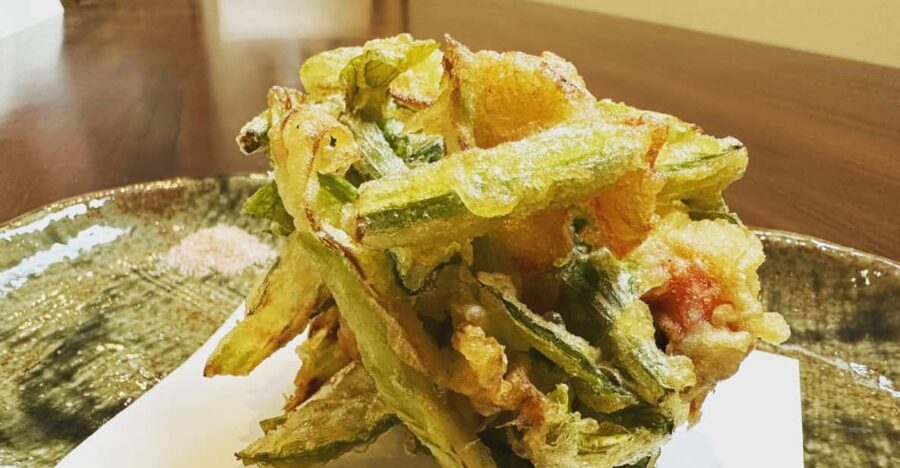
- Tempura shows up as part of the lesson: prepared by a chef with over 10 years of experience
- The pairing lesson is real: you’ll learn how soba and tempura work together and how to eat it properly
- You eat what you make: it’s not a watch-and-photos situation
- A local-feeling shop in Sapporo: the vibe is aimed at the real tradition, not tourist theater
- Instructors communicate in English and Japanese: plus private-group attention, if you’re going as 2+ adults
Handmade Soba Mondo in Sapporo: why this feels local
If you’re in Sapporo and want more than a generic food show, this is the kind of place that makes sense. Hokkaido is Japan’s biggest producer of buckwheat, and soba starts here in the most practical way: you work with the dough and understand what you’re eating.
The shop—手打ち蕎麦もんど (Handmade Soba Mondo)—is positioned as an authentic, locally loved soba restaurant, not something aimed at travelers. It even claims to be the only spot in Japan offering this exact authentic, hand-made soba experience. Whether you believe every superlative or not, the point is clear: you’re going to do the work, learn the method, and sit down for the meal.
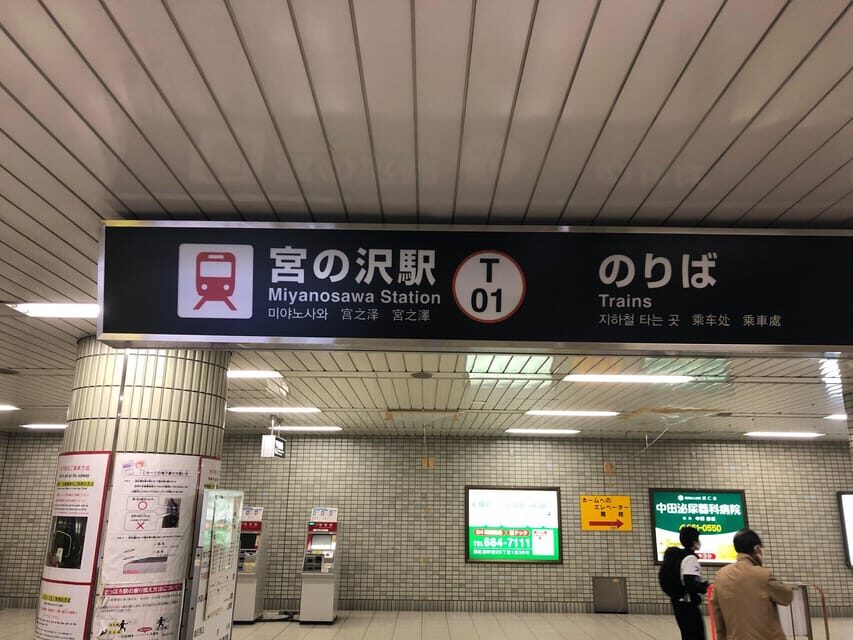
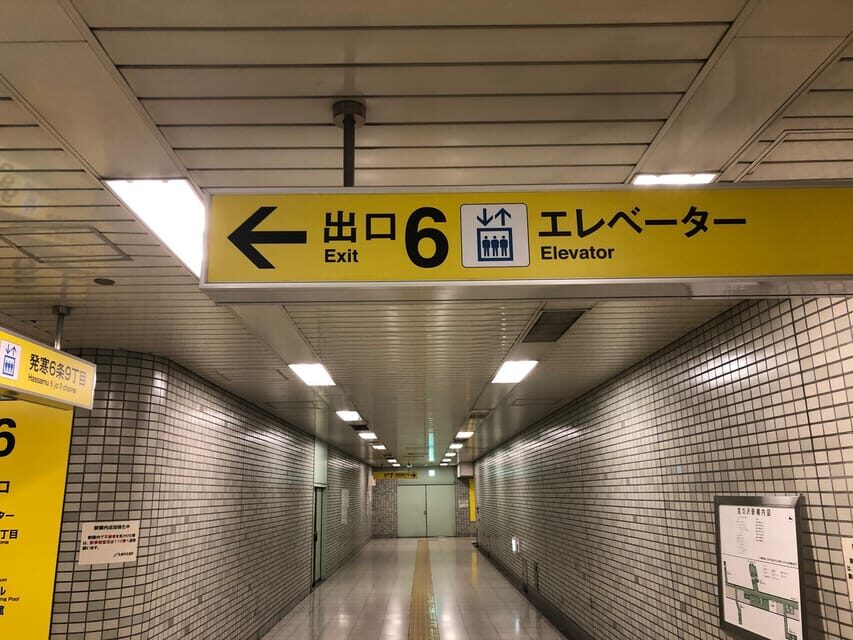
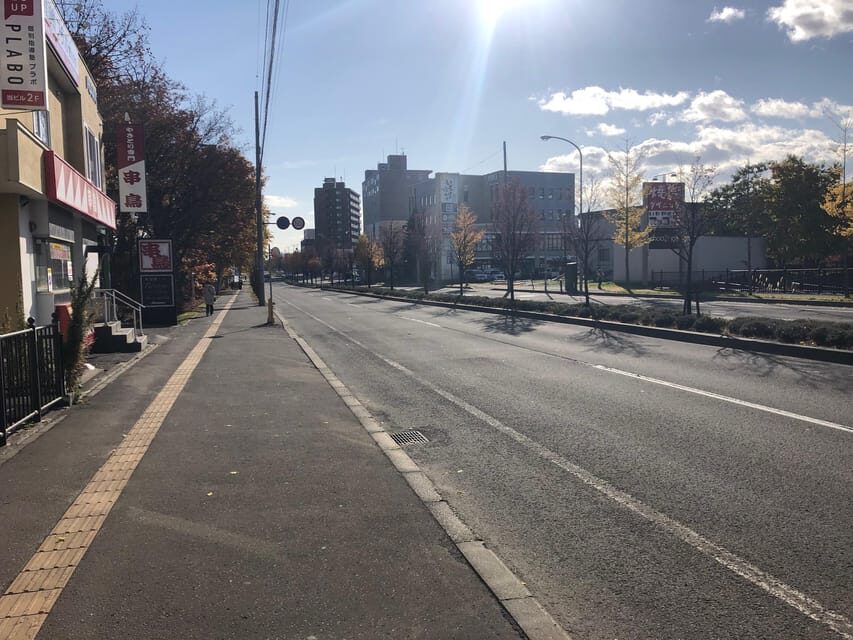
Location is also friendly. You’re a short walk from Miyanosawa Station (Sapporo Subway Tozai Line), Exit 6. On top of that, the shop lists a small parking area (4 spaces in front), which can help if you’re bouncing around Sapporo by car.
You can also read our reviews of more tours and experiences in Sapporo.


The practical vibe
This isn’t about rushing through steps. The reviews highlight patient instruction—one booking specifically calls out Taku Sensei for explaining things step by step. That matters because soba dough and noodle cutting aren’t “intuitive” if you’ve never done them.
90 minutes of food class flow: what happens when you arrive
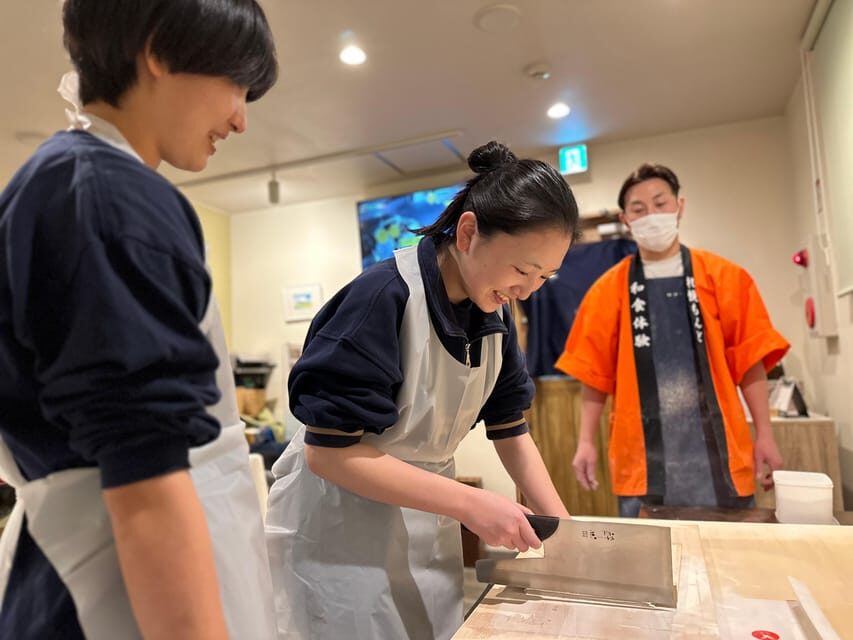
The full session runs 90 minutes, with your main “hands-on” time around 75 minutes. That pacing is useful. You’re not stuck for hours doing prep work, but you also aren’t rushed through the most important parts.
You’ll start at the restaurant address in Nishi-ku (17-28, 6-chome, Hassamu 6-jo, Sapporo). Once everyone’s in, the instructor guides you through the process in English and Japanese, so you can actually follow along even if you’re not strong in Japanese.
How the class time is likely to feel
Expect a steady rhythm:
1) learn the dough basics
2) mix, roll, and cut
3) cook or prepare your soba
4) taste and eat
5) add the tempura pairing
6) finish with a soba-related custom (soba-yu)
Because you eat a normal portion, the class reads like a full meal, not a snack.
Soba noodle making: mixing, rolling, cutting, then tasting
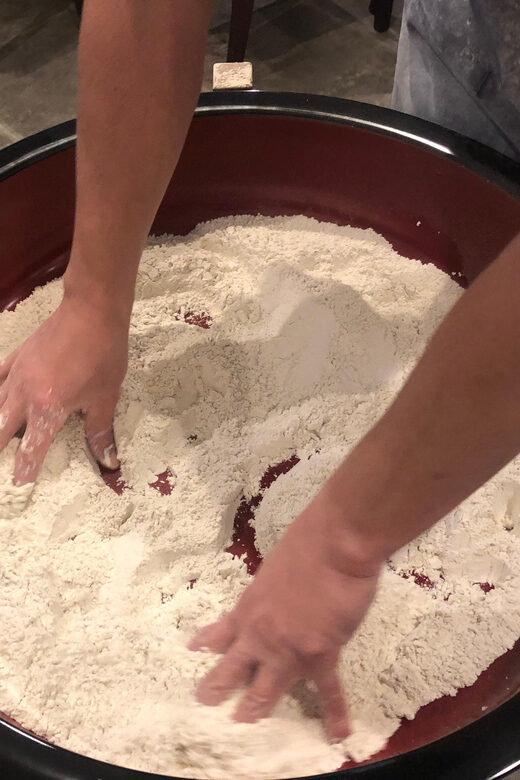
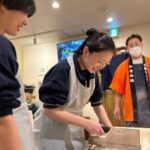
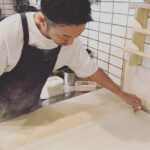
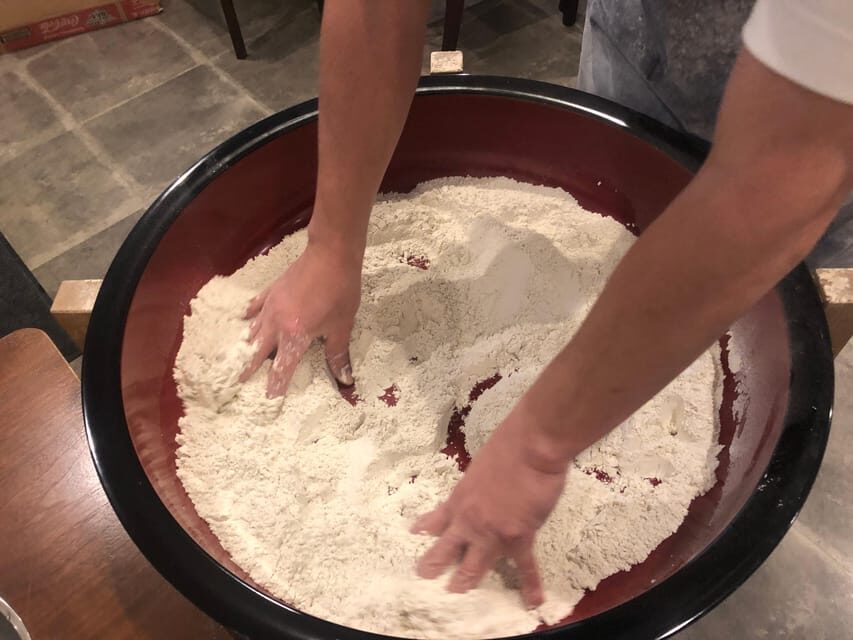
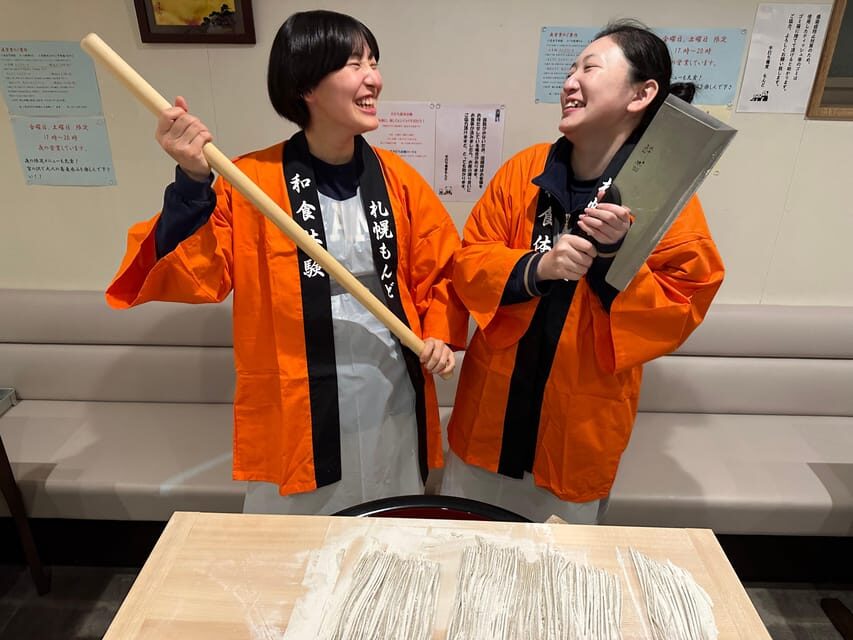
This is the core of the experience: you’ll make soba noodles from scratch. The process is classic and physical. You’ll:
- mix buckwheat flour (and other ingredients as provided)
- roll out the dough
- carefully cut each noodle by hand
- taste freshly made soba
Hokkaido buckwheat matters here. In many places, soba is a store-bought commodity. Here, you’re meeting buckwheat in its most direct form, which makes the flavors make more sense when you eat.


Why handmade soba is worth the effort
Handmade soba isn’t just about romance. It changes how you understand the food:
- You see how dough consistency affects the noodles.
- You notice how cutting changes shape and texture.
- You get to taste fresh, not reheated.
And then comes the best part: you eat what you made. One review notes the payoff clearly—making your own soba and then enjoying it at the end.
Hot or cold options
You might see your soba served with choices. One review specifically mentions hot and cold choices, which is a great detail to ask about if you have preferences. If you’re sensitive to heat, or if it’s a warm day in Sapporo, it’s worth being attentive when they explain your serving options.
Tempura with your soba: the pairing lesson you’ll actually remember
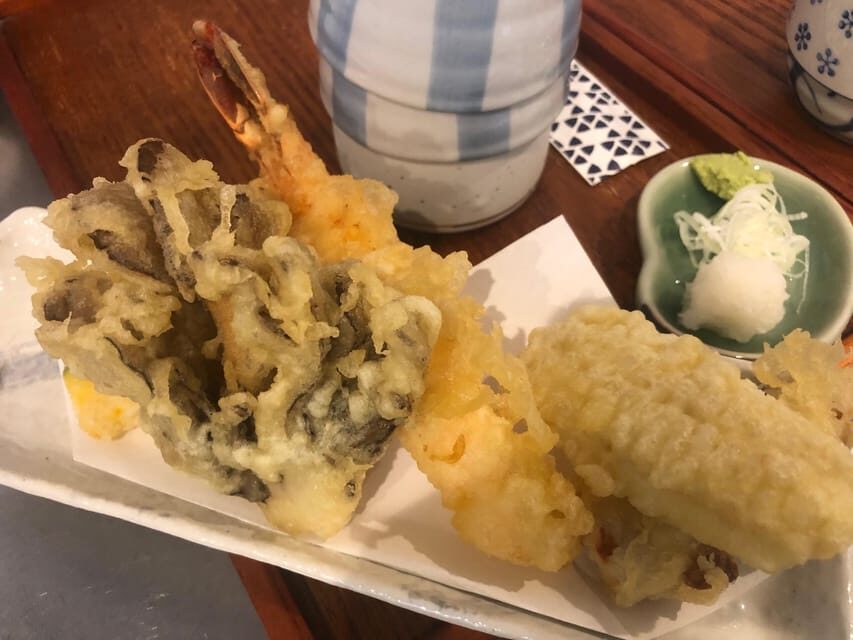
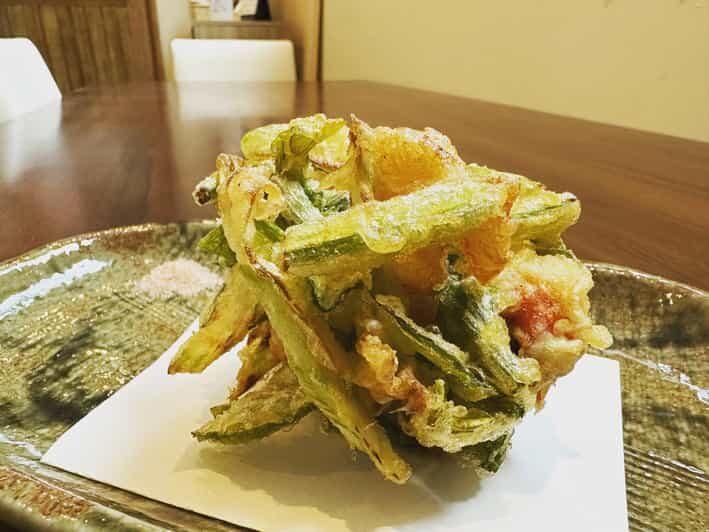
This experience doesn’t treat tempura like an add-on. Tempura is prepared by a Japanese cuisine chef with over 10 years of experience, and it’s built into the meal so you can learn the pairing.
Soba and tempura are a famous combination in Japan, and the class explicitly covers the idea. You’ll learn about tempura soba—what it means, how it’s eaten, and why it works.
What to pay attention to
When you’re eating both together, don’t just taste in “separate bites.” The pairing lesson is about balance:
- the soba flavor and texture
- the crispness of tempura
- the way they complement rather than compete
In one review, the tempura option was strongly recommended. That matches the logic: fried crisp + buckwheat noodles is a pairing many Japanese people enjoy together, and it’s fun to experience it in the context of your own meal.
Learning the right way to eat soba (not just how to make it)
Soba has rules and habits. This class includes instruction on the proper way to eat soba and how to enjoy it after you’ve made it.
That’s a big deal because a lot of food activities stop at cooking. Here, you get the “then what” part:
- how to eat your freshly made noodles
- how to think about pairing tempura with soba
- how Japanese table habits change the experience
One reason this feels authentic is the training focus. The review that mentions patience and step-by-step explanation points to real teaching, not just a quick activity.
After your meal: the soba-yu custom
After you eat, you’ll get to discover soba-yu, described as a uniquely Japanese custom tied to the soba experience.
The key practical takeaway: it’s part of the full meal flow, not something tacked on at the end for show. If you’re curious about what Japanese people do with every part of a food tradition, this is the sort of detail that makes the class feel more complete.
(And yes, it’s one more reason to come hungry.)
Price and value: is $83 fair for this kind of class?
At $83 per person for 90 minutes, you’re paying for a few things at once:
- hands-on soba noodle making (mixing, rolling, cutting)
- tasting and eating a meal portion of soba
- tempura prepared by a chef with 10+ years of experience
- instruction in English and Japanese
- the cultural context around Edo-era soba culture (dating back to 1600)
What makes it feel like solid value is that you’re not buying “a lesson” only. You’re buying a meal you participate in. The class also provides everything, so there’s no extra shopping or gear cost.
Could it be expensive compared to buying soba off a menu? Sure. But that’s not the point. You’re paying for the process and the pairing taught in real time.
Also, note the setup: it’s described as a plan for 2 or more adults and as a private group experience. If you’re traveling in a small group, that private format can be worth it, since you’re more likely to get attention during the noodle steps.
Where this experience fits best in your Hokkaido trip
This class works best when you want something that feels like daily life. Sapporo has plenty of food to eat, but not all of it teaches you how the cuisine works.
You’ll probably love it if:
- you enjoy hands-on cooking
- you want a Sapporo activity that feels rooted in local tradition
- you like learning food habits, not just taking photos
- you’re open to eating what you make (and actually plan for a meal)
A review mentions a 10-year-old participating fully, which suggests the instruction style can scale to younger learners when they’re interested. That said, you’ll still be cutting noodles by hand, so interest and patience matter.
You might skip it if:
- you hate cooking tasks or messy steps
- you want only a quick taste with zero participation
- you prefer food experiences that are purely observational
Tips to get the best result (without overthinking it)
You don’t need to bring anything. The shop provides what you’ll use. Still, a few smart moves help:
- Come with an appetite. You’ll eat like it’s a real lunch or dinner.
- Pay attention during the first explanation. The later steps depend on getting the dough stage right.
- When they explain how to eat soba properly, follow the cues. This isn’t just ceremony; it changes the flavor experience.
If you get an instructor who’s strong on step-by-step guidance (Taku Sensei is one name mentioned in a past booking), lean into it. Those early instructions make noodle cutting way less intimidating.
Should you book Handmade Soba Mondo’s soba + tempura class?
Book it if you want a hands-on Sapporo food experience that ends with a full meal and real teaching. The combination of soba noodle making, chef-prepared tempura, and the soba culture lessons is exactly the kind of activity that sticks with you after the trip.
Skip it only if you’re looking for passive entertainment or you dislike working with food. Otherwise, this is a practical, value-shaped class: you pay for ingredients plus instruction plus a meal you help create.
If you’re in Sapporo and you want one activity that feels tied to Hokkaido’s buckwheat identity, this is a strong choice.
FAQ
Where is the meeting point for Handmade Soba Mondo?
The meeting point is 手打ち蕎麦もんど (Handmade Soba Mondo), located at 17-28, 6-chome, Hassamu 6-jo, Nishi-ku, Sapporo. It’s also listed as a 5-minute walk from Exit 6 of Miyanosawa Station on the Sapporo Subway Tozai Line.
How long does the experience last?
The class lasts 90 minutes total, with the cooking class/meal portion listed as 75 minutes.
What’s included in the price?
You’ll make buckwheat noodles (soba), taste the soba, and enjoy tempura prepared by Japanese food artisans, including a tempura chef with over 10 years of experience.
Do I need to bring anything?
No. The experience says you do not need to bring anything because everything is provided.
What languages do the instructors speak?
The instructor is listed as speaking English and Japanese.
Is there a cancellation window?
Yes. Free cancellation is available up to 24 hours in advance for a full refund.
If you want, tell me your travel month and whether you’re going as a couple or family, and I’ll help you decide the best meal timing in Sapporo around this class.