Togakushi is where noodles and ninjas meet. This 1-day outing blends hands-on soba-making with a guided visit to the Togakure ninja world, then tops it off with a shrine pilgrimage through towering cedars. I like that the day is structured, so you get real participation (not just watching), and I also like how the guide keeps everything moving with an English-speaking plan. One thing to consider is that it’s a full day with walking and stairs, so good shoes matter.
You’ll start near Nagano Station and head into the cool mountain air of Shinshuu Province, where soba is more than a meal—it’s local know-how. If you’re picky about food, make sure to mention dietary needs when you book, since the tour uses a set lunch format. The itinerary is packed enough that you should be ready to focus and follow the group pace.
In This Review
- Key Things I’d Plan Around
- From Nagano Station to Togakushi’s Mountain Air
- The Soba-Making Workshop: Lunch You Actually Make
- Togakushi’s Myth Thread: Why the Shrine Walk Feels Personal
- Ninja Museum and the Ninja Trick House Maze
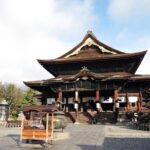
- Togakushi-Jinja: A Calm Pivot Before Okusha
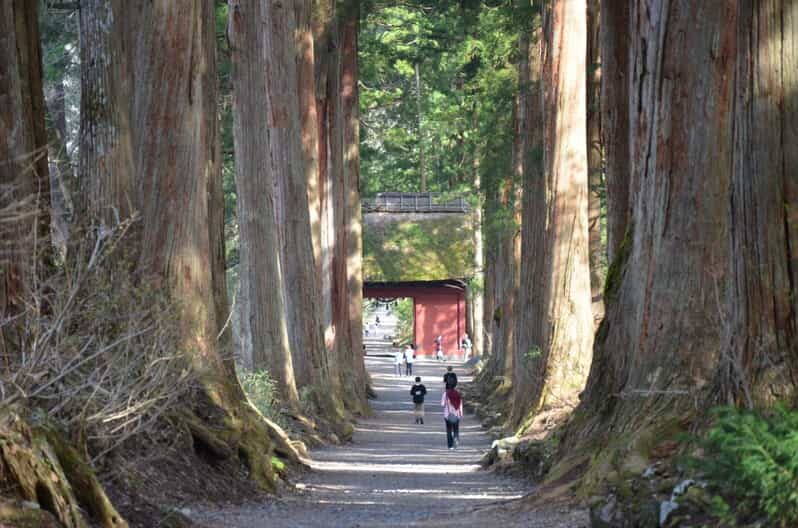
- Okusha Shrine and the Cedar Avenue Walk
- Timing, Comfort, and What to Bring for an 8-Hour Day
- Price and Value: Is $150 Worth It?
- Who This Tour Suits Best (And Who Should Rethink It)
- Should You Book This 1-Day Togakushi Tour?
- FAQ
- Where is the meeting point for the tour?
- How long is the tour?
- What does the tour cost?
- Does the tour include a guide?
- What activities are included in the price?
- Is lunch included, and do I get to eat what I make?
- What should I bring or wear?
- What’s not included?
Key Things I’d Plan Around
- Hands-on soba making using buckwheat flour and local-style guidance, then you eat what you make
- Ninja Trick Mansion inside the Togakushi Ninja Museum, designed like a maze/escape-room experience
- Okusha shrine hike on a 45-minute forest walk toward the most hidden-feeling shrine area
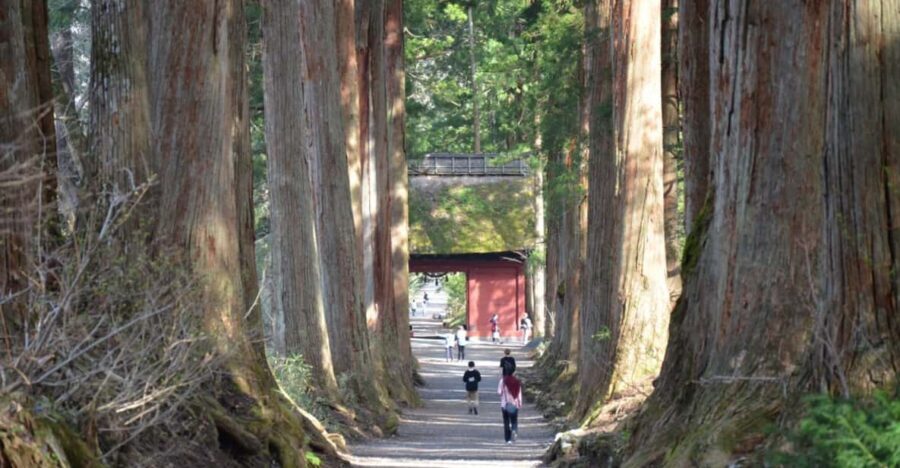
- Zushimon gate + cedar avenue moments that change the whole mood of the day
- An English-speaking guide who handles the transitions between sites
From Nagano Station to Togakushi’s Mountain Air
Your day starts at Nagano Station. The meeting point is inside the station, in front of the Information Board directly across from the Shinkansen ticket gates. Look for the guide wearing a Snow Monkey Resorts tour tag, and try to be there before the tour departs around 09:40.
From there, you ride a coach toward Togakushi. The drive is about 45 minutes, and it does what a good mountain trip should do: it gets you out of city mode fast. You’re not just commuting; you’re shifting into the rhythm of rural Nagano, where the next steps of the day feel connected—food first, then ninja lore, then shrine walking.
This is also a practical setup for people who don’t want to coordinate buses and timed entrances on their own. You’re simply showing up, walking, and letting someone else manage the sequence.
A few more Nagano tours and experiences worth a look


The Soba-Making Workshop: Lunch You Actually Make
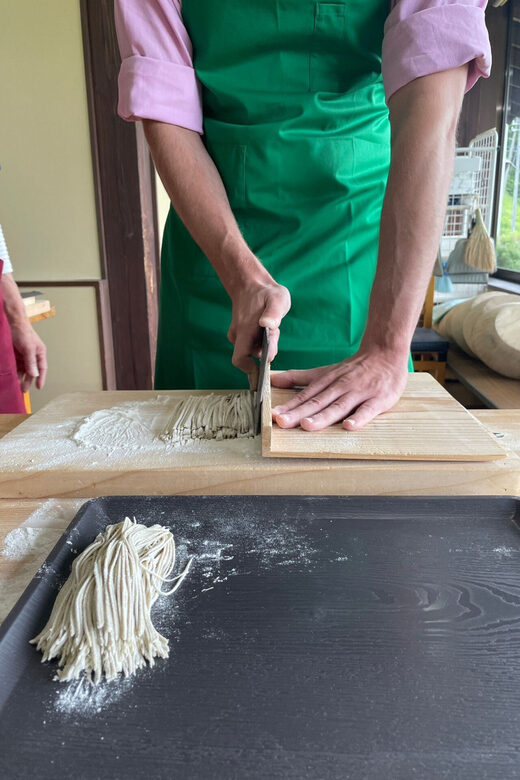
The tour’s heart is the hands-on soba noodle making workshop at a local restaurant. It runs about 100 minutes and is guided step by step, so you don’t need experience in the kitchen. Soba is a big deal in Togakushi because buckwheat grows well in the region’s cool climate and mountainous terrain. The local water supply also matters for dough texture and overall taste.
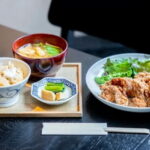
Here’s what you can expect in the workshop: you’ll knead the dough, roll it out, and cut the noodles. Then you eat your own handmade noodles for lunch, either hot or cold depending on the sauce setup for your tastes. The tour is built so the meal isn’t an afterthought—it’s part of the process.
I especially like that this avoids the “show and leave” trap. You’re doing the work, and the end result is something you can taste immediately while the experience is still fresh. If you have dietary requirements, advise them at booking. The tour says dietary needs should be shared upfront, which is smart for a workshop-style lunch.
Togakushi’s Myth Thread: Why the Shrine Walk Feels Personal
Before you head deeper into the Togakushi area, the tour gives you a story anchor. You’ll hear the legend of Amaterasu, the Sun Goddess, who hid in a cave after conflict with Susanoo, the Storm God. Other gods created a commotion, Amaterasu was lured out, and the boulder that was cast aside fell to earth—where it became Togakushi, meaning hidden door.
That myth isn’t just decoration. When you later walk through the shrine grounds—especially toward Okusha—it helps explain why people treat this place like more than sightseeing. Even if you don’t chase spiritual meaning, the story gives you a reason to pay attention to gates, stone steps, and the shift into cedar shade.
This is also where Togakushi’s identity becomes obvious: food, folklore, and pilgrimage aren’t separate boxes. The day builds from one to the next, so your brain can connect the cultural dots without extra homework.
Ninja Museum and the Ninja Trick House Maze
Next up: ninja history with a very practical twist. The Togakushi Ninja Museum covers the Togakure ninja tradition, described as originating around the 12th century in the mountains of Togakushi. The idea here isn’t flashy superhero stuff; it’s covert work—espionage, deception, and disappearing as quickly as they appear.
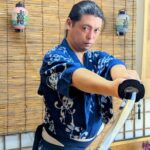
You’ll get a guided visit through the museum and enter the Ninja House, which is presented like a historic escape-room style maze of deception. This part is surprisingly fun for adults. You’re not just learning static facts—you’re trying to solve your way through a space built for trickery.
The tour notes that if you escape quickly enough, you may have some free time for additional ninja activities like shuriken throwing and obstacle courses. The key word is optional: those extra activities may have extra fees inside the museum area, so don’t assume everything beyond the Ninja House is included.
I like this stop because it gives you a change of pace from the quiet shrine walking coming later. It’s also hands-on in a different way. Instead of dough under your hands, you’re using your problem-solving brain in a themed setting—an easy win if you enjoy active visits.
Togakushi-Jinja: A Calm Pivot Before Okusha
After the ninja portion, you meet your guide again and continue to Togakushi-Jinja. This stop is shorter (about 30 minutes) and feels like a transition. You get a guided visit and sightseeing time to orient yourself on the broader shrine area before you push farther into the cedars.
Think of this segment as the “slow down” moment. After the museum maze energy, the shrine grounds reset your senses: stone, trees, gates, and the sense that the place is designed for walking—not crowds.
This is also where you’ll feel why this tour is built for people who want structure. You’re not wandering alone, trying to figure out where the important entrances are. The guide takes you to the right spots and sets expectations for what comes next.
If you tend to rush through attractions, the guide pacing is a benefit here. It keeps the day from turning into a checklist.

Okusha Shrine and the Cedar Avenue Walk
The main pilgrimage segment is the walk toward Okusha, the hidden-feeling shrine area. The trek is described as about 45 minutes, and the tone changes as modern conveniences fade and the forest takes over the scene.
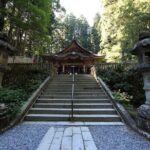
You’ll pass through the Zushimon gate, then ascend stone steps toward Okusha. The guide frames the experience in a way that helps you “arrive” mentally, not just physically. When you’re walking under towering cedar trees, you notice how the air cools and how your pace naturally slows.
Once at Okusha, the tour time is about 1.5 hours for guided sightseeing. You get time to explore the area with context rather than treating it like a quick photo stop. Then you return for a final lap along the giant cedar avenue back toward the bus.
I think this is the part most people will remember, even if they only came for soba at first. The cedars aren’t just scenery; they’re part of the experience design. The tour gives you time to feel that shift before it all resets back to transport.
Timing, Comfort, and What to Bring for an 8-Hour Day
This is an 8-hour tour from start to finish. Between coach rides and guided segments, you’ll be on your feet longer than a half-day excursion. The itinerary includes walking time toward Okusha, plus stairs at the shrine.
So wear proper walking shoes. That’s not a generic suggestion; it matters here because the day includes stone steps and a forest path. If you tend to run cold, bring a light layer too. Togakushi is in the mountains, and even on comfortable days, shaded cedar paths can feel cooler.
Also plan for snacks and water as personal extras. The tour includes lunch, but it specifically notes that additional food, snacks, and drinks aren’t included. If you need something besides the included meal, budget for it.
Finally, go in ready to listen. The guide weaves story and context—Amaterasu and the ninja tradition—into stops that could otherwise feel separate.
Price and Value: Is $150 Worth It?
At $150 per person, this isn’t the cheapest way to see Togakushi. But it’s priced more like a guided “experience day” than a simple bus trip.
Here’s what you’re paying for, in tangible terms:
- Transportation from Nagano to Togakushi and between stops
- Museum admission (including the Ninja House entry)
- A guided, hands-on soba-making workshop
- Lunch including your handmade noodles
- English-speaking guide throughout the main segments
If you compare this to piecing together entrance tickets, transport, and separate guided activities on your own, the value starts to make sense. The soba workshop and Ninja House entry alone are usually not what you’d want to schedule without local help, especially if your goal is to get a coherent day rather than a scattered itinerary.
To get real value, you should genuinely enjoy at least one of these themes: making food, ninja-themed exploration, or shrine walking with context. If you only care about one small piece, you may feel the cost more strongly.
Who This Tour Suits Best (And Who Should Rethink It)
This is a great match for:
- People staying in Nagano who want an organized Togakushi day without juggling local transit
- Food lovers who want active practice, not just tasting
- Adults and families who enjoy themed, interactive stops like the Ninja Trick House maze
- Travelers who like cultural context alongside activities (my kind of itinerary)
It may not be ideal for:
- Anyone who wants lots of free time at each stop (this day has a schedule)
- People who dislike walking on stone steps or forest paths
- Travelers who expect the ninja museum to be purely educational without an active challenge component
The overall vibe is guided, structured, and hands-on. You’re meant to do things.
Should You Book This 1-Day Togakushi Tour?
Book it if you want a full Togakushi experience that’s more than photos. The soba-making workshop and lunch you produce are a strong value anchor, and the Ninja House adds an active, memorable contrast to the calm shrine walking. The cedar avenue hike toward Okusha is the payoff most people will feel in their legs and remember in their mood.
I’d skip it only if you’re mainly searching for a slow, unstructured stroll with minimal guidance. This tour moves. You’ll be happy if you like that, and you’ll feel grateful later when you realize someone planned the transitions for you.
FAQ
Where is the meeting point for the tour?
You meet inside Nagano Station, in front of the Information Board directly across from the Shinkansen ticket gates. Look for the guide wearing a Snow Monkey Resorts tour tag and arrive before departure around 09:40.
How long is the tour?
The tour duration is 8 hours.
What does the tour cost?
The price is $150 per person.
Does the tour include a guide?
Yes. The tour includes an English-speaking live guide.
What activities are included in the price?
Transportation between activities, Togakushi Ninja Museum including Ninja House entry, soba noodle making experience, lunch with your own handmade noodles, and guided tours at the ninja museum and shrines.
Is lunch included, and do I get to eat what I make?
Yes. Lunch is included and includes the noodles you make during the soba-making experience.
What should I bring or wear?
Wear proper walking shoes. The itinerary includes walking and stone steps.
What’s not included?
Additional food, snacks, and drinks are not included. Optional activity fees within the Ninja Museum are also not included, plus Shinkansen tickets and accommodation.