REVIEW · OSAKA
Amanohashidate & Ine Funaya Kyoto coast day trip from Osaka/Kyoto
Book on Viator →Operated by TrevoTour Travels · Bookable on Viator
Two icons of Japan in one day. This Osaka/Kyoto coast trip strings together Amanohashidate and the Ine Funaya fishing village, plus a temple stop that ties the scenery to something more spiritual and practical. You get the famous sandbar view (including the playful upside-down tradition) and then switch gears to wooden boathouses built right along the water.
I love how the route keeps giving you different kinds of beauty, not just one long photo line. The possible drawback is simple: long bus time is part of the deal, and from Osaka it can feel like a lot of the day is on the road.
In This Review
- Key Highlights Worth Booking For
- Amanohashidate First: The Pine-Lined Sandbar That Feels Like a Photo Magnet
- The one upgrade you might consider: View Land Ropeway
- What to know before you go
- Hyakumanben Chion-ji Temple: Quick Stop, Useful Spiritual Intent
- Why this stop is a smart add-on
- The trade-off
- Ine No Funaya: The Venice of Japan Feeling (Without the Theme-park Vibe)
- What makes Ine special
- Bird sightings: pigeons and kites (and one possible concern)
- The Day’s Real Rhythm: Timing, Bus Time, and How to Make It Work
- Make the long ride less painful
- Guides: Humor, Clear Directions, and the Little Things That Save You Time
- What you’ll actually feel on the day
- One meetup snag to avoid
- Price and Value: Is $84.25 Worth It?
- What costs extra (so you don’t get surprised)
- What to Do With Your Time at Each Stop (Practical Tips)
- Who This Tour Fits Best
- Should You Book the Amanohashidate & Ine Funaya Day Trip?
- FAQ
- How long is the Amanohashidate & Ine Funaya Kyoto coast day trip?
- How much does the tour cost?
- Is the tour admission included for Amanohashidate and the temple?
- Are the ropeway and ferry included in the price?
- What’s included in the tour besides the guide?
- Is there a limit on group size?
- Where does pickup happen?
- Can children join?
- When do I receive confirmation after booking?
- What happens if the weather is bad?
Key Highlights Worth Booking For
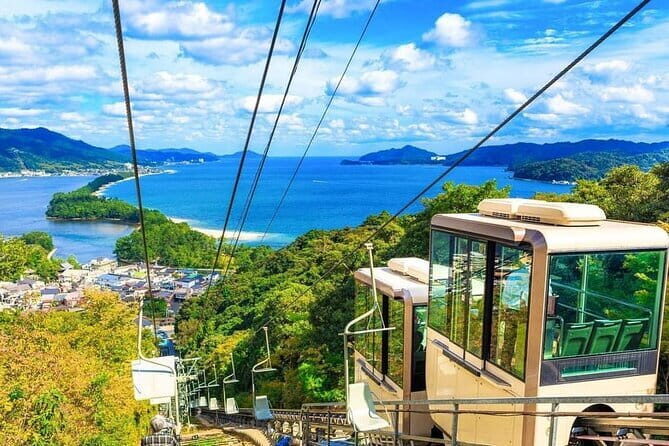
- Amanohashidate sandbar with thousands of pine trees (and that upside-down viewing idea)
- Hyakumanben Chion-ji Temple at the south end of Amanohashidate, tied to wisdom and school success
- Ine Funaya’s funaya boathouses—wooden fishing homes built along the coastline
- Optional ferry time on the way through Ine, with bird sightings like pigeons and kites
- Multilingual guide support in Chinese/English/Japanese/Korean, with clear timing and meeting points
- Small-ish group size with a maximum of 48 people
Amanohashidate First: The Pine-Lined Sandbar That Feels Like a Photo Magnet
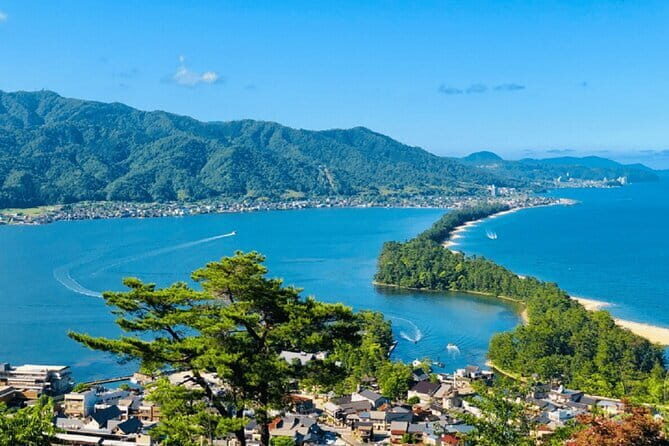
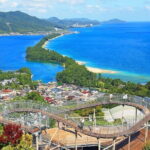
If you only have one day to get out of the city, Amanohashidate is an easy win. It’s one of Japan’s top scenic spots, formed as a natural sandbar across Miyazu Bay, and it’s lined with over 8,000 pine trees. The name itself points you to the vibe: bridge in heaven.
The tour allots about 2 hours here with admission included (no ticket needed for the main stop). That time is long enough to do more than just stand there. You can walk along the approach areas, find a solid viewpoint, and then try the classic tradition of looking at the sandbar upside down (it’s a fun way to read the shape of the place differently).
A few more Osaka tours and experiences worth a look
The one upgrade you might consider: View Land Ropeway
The only Amanohashidate add-on listed is Amanohashidate View Land Ropeway (extra cost: $6 adult, $3 child). It’s not required to enjoy the main sandbar views. But if you like a higher vantage point, it can help you see the pine-lined shape from a different angle. If you’d rather keep the day simple, skip it and spend that time wandering and resting.
What to know before you go
Amanohashidate is a “go with your eyes” stop. It’s not built around museums or long indoor exhibits. So if you don’t like standing and walking in one big scenic area, adjust your expectations. Still, for most people, this is the kind of view you’ll remember.
Hyakumanben Chion-ji Temple: Quick Stop, Useful Spiritual Intent
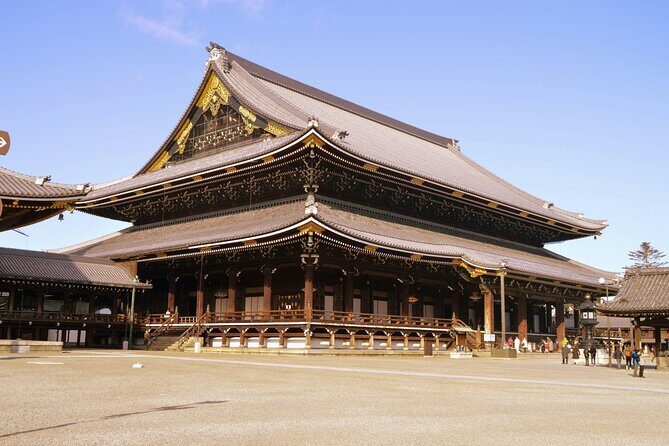
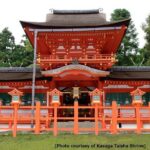
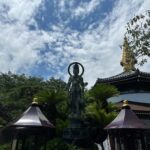
After Amanohashidate, you’ll head to Hyakumanben Chion-ji Temple for about 30 minutes. This is a short visit by design, but it has a clear purpose.
Chion-ji Temple is connected with academic success and wisdom, because it’s dedicated to Monju Bosatsu, the Bodhisattva of wisdom. If your trip includes students, exam season, or you simply like the idea of blending scenery with a meaningful pause, this stop adds that texture.
Why this stop is a smart add-on
The day could easily be just nature photos and water views. This temple gives you a calmer moment to slow down. You’re not asked to be a scholar or a religion expert. You just get a place where the local focus is practical: wisdom, guidance, and success.
Admission is listed as free, so you’re not paying extra for the spiritual side of the itinerary.
The trade-off
Because the stop is only about 30 minutes, you won’t be doing a deep, hour-long temple tour. You’ll be making quick calls: pay respects, take a few photos if allowed, and move on. If you want lots of temple details, you might want to complement this later with another Kyoto-area temple on your own time.
Ine No Funaya: The Venice of Japan Feeling (Without the Theme-park Vibe)
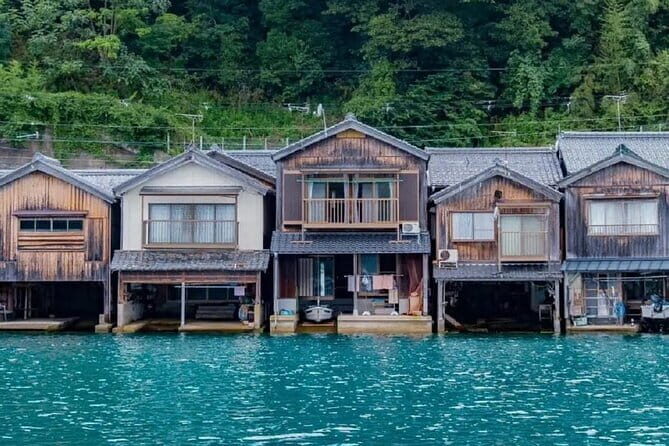
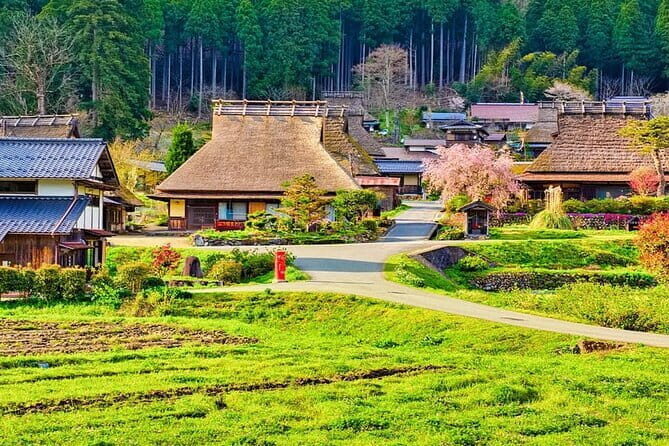
Then the day shifts to the coast town of Ine no Funaya, often nicknamed the Venice of Japan for its traditional waterside scene. Here, the stars are the funaya: wooden boathouses built directly along the water.
The tour schedules about 1 hour in Ine. That’s usually enough to walk through the viewing areas, spot the boathouses from different angles, and soak up the quieter rhythm of a working coastal community.
What makes Ine special
This isn’t a “one building, one interior” kind of place. It’s a coastline experience. You’re looking at how structures were built around daily life with the sea—storage, boats, work space, and home life all folded together.
You also get the option of a ferry, but it’s not included. The listing shows the Ine Funaya Ferry Ticket is extra (adult $8, child $4). If you love animal sightings and motion, the ferry is often the highlight for people who enjoy boats and birdwatching.
Bird sightings: pigeons and kites (and one possible concern)
In the feedback tied to this route, the ferry experience is described with pigeons and kites hovering around. That kind of natural activity is fun and makes the boat time feel alive.
One caution from a disappointed comment: the idea of feeding birds on the boat didn’t appeal to them. If you know you don’t want any bird-feeding situations, keep an eye on what staff ask you to do once you’re onboard, and decide in the moment.
The Day’s Real Rhythm: Timing, Bus Time, and How to Make It Work
This is a 9 to 10 hour day, and the total time includes transportation time. That’s the key number. It sounds long, but the itinerary does pack in three meaningful stops across the Kyoto coast.
Still, the bus ride is not a side note. Some feedback calls out that a big chunk of the day is on the road, and from Osaka the travel time can be especially noticeable. So plan for it like you’re taking a long scenic drive with built-in breaks.
Make the long ride less painful
Bring what you need for comfort because the day is structured around group movement, not flexible wander time. A small bag with water and a snack can help between stops (lunch is mentioned as available as a seafood meal, but lunch cost isn’t included). Wear shoes you can walk in for real, not just for city sidewalks.
Also, use the bus time wisely. If your guide shares context about what you’re seeing, that turns waiting into part of the experience rather than pure downtime.
Guides: Humor, Clear Directions, and the Little Things That Save You Time
One reason this route earns strong scores is the way guides handle the logistics and the mood.
Names that show up again and again on this style of tour include Jay, Liu, Naomi, Andrew, Frederick, and LU. The common thread is that many of these guides are described as funny and upbeat, while still being organized about meeting times and where to go next.
What you’ll actually feel on the day
You’ll want a guide who does more than point. This itinerary needs timing because you’re bouncing between a scenic sandbar, a temple stop, and a coastal village where boats and viewing angles matter. Good guides help you:
- know exactly when to regroup
- understand where to walk next at each stop
- fit your photo breaks into the schedule
- get practical tips for food and picture spots (especially around Ine)
One meetup snag to avoid
There can be two pickup points (Osaka and Kyoto). That can make the start confusing if you only check one message channel or assume you’ll be picked up the same way as previous trips. My advice: double-check your pickup instructions before you head out. If you get a message through WhatsApp, read it carefully; it’s specifically mentioned as part of how some guests were contacted.
Price and Value: Is $84.25 Worth It?
The price is listed at $84.25 per person. For a 9–10 hour day trip with a multilingual guide and multiple major stops, it’s not a “cheap quick hit,” but it also isn’t priced like a luxury private outing.
Here’s where the value comes from:
- Most of the main stops have free admission on the listing.
- The tour includes guided interpretation across three locations, not just a bus drop-off.
- You’re getting two standout scenic areas: Amanohashidate and Ine Funaya.
What costs extra (so you don’t get surprised)
Two optional ticket items are listed as not included:
- Amanohashidate View Land Ropeway: $6 adult, $3 child
- Ine Funaya Ferry: $8 adult, $4 child
Add those only if they fit what you want from the day. If you skip both, you can keep expenses closer to the base price. If you take both, you’re still likely to find the total aligns with what you’d pay elsewhere for similar guided scenic access.
What to Do With Your Time at Each Stop (Practical Tips)
Amanohashidate (about 2 hours) is best when you:
- take time to walk and not just stare from one spot
- try the upside-down viewing idea for variety
- decide early whether you’ll add the ropeway
Chion-ji (about 30 minutes) is best when you:
- keep it simple: respectful visit first, photos second
- use the calm moment as a reset before the bus again
Ine Funaya (about 1 hour) is best when you:
- focus on the funaya boathouses and the coastline views
- decide whether the ferry is worth it for your style (bird sightings can be a plus)
Who This Tour Fits Best
This day trip makes sense if you want to see more than one iconic Kyoto-coast scene without doing complicated train transfers by yourself. It’s also a good match if you like structure. You get clear stops, a guide, and a schedule that keeps the day moving.
You’ll especially enjoy it if you:
- want Amanohashidate as a one-day anchor stop
- like coastal towns with traditional structures
- enjoy having a guide who explains what you’re looking at (many guides on this route are praised for that)
Should You Book the Amanohashidate & Ine Funaya Day Trip?
I’d book it if you want a clean one-day plan that hits the region’s biggest visual hits: pine-lined sandbar views at Amanohashidate, a short dose of temple meaning at Hyakumanben Chion-ji, and waterside wooden boathouses in Ine Funaya.
I’d think twice if your main goal is a slow, flexible day with lots of unhurried wandering. The schedule is built around group timing, and the bus time can be the toughest part. Also consider the extra-cost items. If you’re not interested in ropeway or ferry, you may feel the day is more about scenery than activities.
If the idea of a long scenic coast day sounds like your kind of travel, this is a strong pick—especially because the guide experience on this route is repeatedly described as helpful, funny, and focused on keeping everyone on track.
FAQ
How long is the Amanohashidate & Ine Funaya Kyoto coast day trip?
The total duration is about 9 to 10 hours, and that includes transportation time.
How much does the tour cost?
The price is listed at $84.25 per person.
Is the tour admission included for Amanohashidate and the temple?
Amanohashidate stop entry is listed as free, and Hyakumanben Chion-ji Temple admission is also free.
Are the ropeway and ferry included in the price?
No. Amanohashidate View Land Ropeway costs $6 for adults ($3 for children), and the Ine Funaya Ferry Ticket costs $8 for adults ($4 for children).
What’s included in the tour besides the guide?
The listing includes a Chinese/English/Japanese/Korean-speaking guide. Other personal expenses and the extra tickets above are not included.
Is there a limit on group size?
Yes. The maximum group size is 48 travelers.
Where does pickup happen?
Pickup is near public transportation, and the itinerary can involve two pickup points in Osaka and Kyoto. You’ll want to confirm which one applies to you.
Can children join?
Children aged 0–2 are free as long as they do not occupy separate seats. Children aged 3+ are charged the same rate as adults.
When do I receive confirmation after booking?
Confirmation is received at the time of booking.
What happens if the weather is bad?
The experience requires good weather. If it’s canceled due to poor weather, you’ll be offered a different date or a full refund.