REVIEW · TAKAYAMA
1-Day Tour of Takayama’s Cultural Treasures Hida-Furukawa
Book on Viator →Operated by Snow Monkey Resorts Tours (Machinovate Japan Ltd.) · Bookable on Viator
Hida-Furukawa feels like a pause in time. You’ll head up into the mountains from Takayama and spend about six hours walking Edo-era lanes and canals, with carp right there in the water and festival culture you can actually see. It’s the kind of day where small details do the heavy lifting.
I especially love the hands-on traditional weaving session and how it gives your day a skill you carry home, not just photos. The Festival Exhibition Hall is the other standout, with a great sense of why the town’s floats and drumming matter to local life.
One thing to watch: lunch isn’t included, so you’ll want a plan for snacks or a meal between stops.
In This Review
- Key highlights you’ll feel on the day
- Hida-Furukawa time travel, without the theme-park feel
- Price and pace: is $149.20 a good deal?
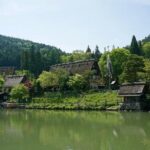
- Shirakabe Dozogai Street: Edo-era lanes plus canal carp
- Hida-Furukawa Matsuri Hall: floats, drums, and why it matters
- Hida no Takumi crafts museum: making culture you can recognize
- Old Town and Santera pilgrimage: temple stops tied to the festival
- The guide makes it: Yogi, Emi, and how small details get explained
- What else you might do: sake tasting, small shops, and souvenirs
- Lunch is on you: how to plan without stressing
- Who this tour suits best (and who should rethink it)
- Should you book this Hida-Furukawa tour?
- FAQ
- How long is the Hida-Furukawa tour?
- What is included in the ticket price?
- Is lunch included?
- How large is the group?
- Do I need a paper ticket?
- What if I need to cancel?
Key highlights you’ll feel on the day
- Edo streets and canal carp at Shirakabe Dozogai, with a calm, old-town rhythm
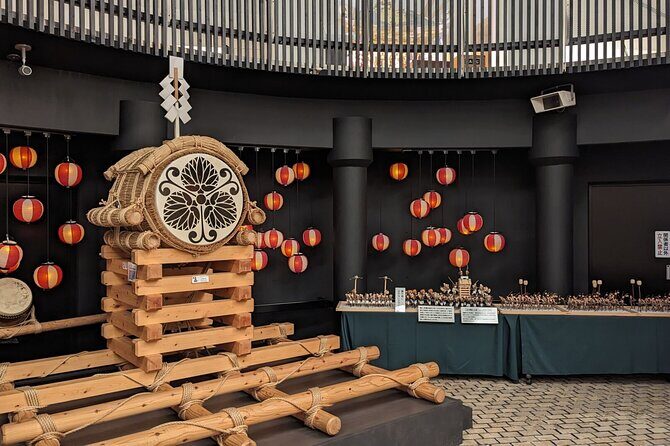
- Hida-Furukawa Matsuri Hall showing the festival through floats and rousing drumming
- Traditional weaving you do yourself, not just watch
- Hida no Takumi crafts focus, tied to regional making and design
- Old Town + Santera temple pilgrimage, built around festival-linked temples
- Small group (max 15) with an English-speaking guide like Yogi or Emi
Hida-Furukawa time travel, without the theme-park feel
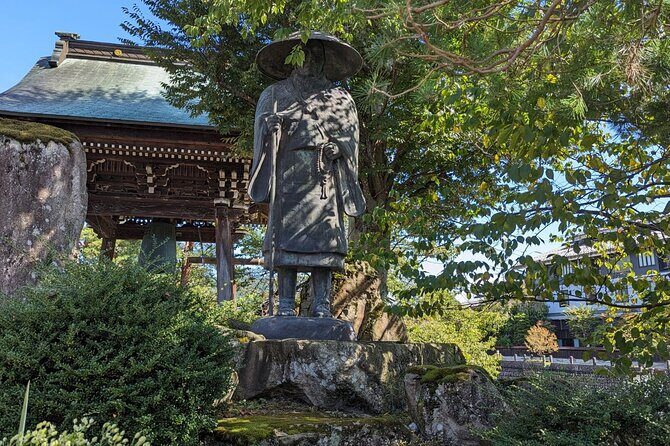
The best part of this day is the setting. Hida-Furukawa sits high in the mountains, so the air and pace feel different from Tokyo or Osaka. You trade big city speed for quiet lanes, canals, and carefully kept old houses.
What makes it work is how the stops connect. You start with street-level atmosphere, then move into festival explanation, and later you shift toward craft and temple traditions. By the time you’re walking the Old Town, you’re not just sightseeing. You understand what you’re seeing.
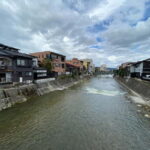
Even the small moments matter. On Shirakabe Dozogai Street, the canal and carp turn a simple walk into a lived-in scene. One guide-led day can even include time to feed the carp, which is about as charming and straightforward as it gets.
A few more Takayama tours and experiences worth a look

Price and pace: is $149.20 a good deal?
At about $149.20 per person for roughly 6 hours, this isn’t the cheapest way to fill your day in Japan. But it’s also not a bare-bones “bus and photos” tour. You get round-trip travel between Takayama and Furukawa, English guidance, multiple included admissions, and a hands-on weaving activity.
The value improves when you price it out mentally:
- Admissions are included for the Festival Exhibition Hall and the crafts-focused museum time
- You also get guided walking time, which is where small details get explained
- The weaving session takes the day beyond passive viewing
- Group size is capped at 15, which usually means more attention and smoother logistics
Pace-wise, it’s active but not exhausting. You’ll be on your feet for several hours with museum time mixed in. Bring comfortable shoes and a light layer, since Japan’s mountain weather can feel cooler than you expect.
Shirakabe Dozogai Street: Edo-era lanes plus canal carp
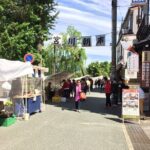
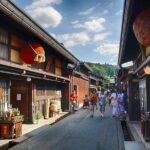
Your first stop is Shirakabe Dozogai Street, and it’s a strong opener. This is the part of the day where you get oriented fast: old architecture, a calm canal, and that gentle sense of time slowing down.
Expect a walk that feels more like strolling through a preserved neighborhood than marching through a checklist. The canal is part of the experience, and the carp are a big reason people remember this stop. If your group has time to feed them, it’s a fun break that also makes the canal feel real.
Practical tip: this is a good moment for photos, but don’t overdo it at the expense of walking. The streets have their own rhythm, and the guide’s comments help you notice details you might otherwise miss.
Hida-Furukawa Matsuri Hall: floats, drums, and why it matters
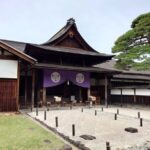
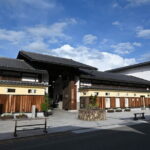
Next you head to the Hida-Furukawa Matsuri Hall, and this is where your visit gains meaning. It’s not just about facts. The hall shows how the festival connects to the community’s identity, including how the floats and drumming create an energy that people carry year to year.
In plain terms: this stop helps you decode the town later. When you reach Old Town and the festival-linked temple route, you’ll already have the background for why those places are tied to big festival traditions.
Timing is about one hour, which is enough to cover the main ideas without feeling rushed. It also makes the afternoon transitions smoother, since you’ll spend less time trying to figure things out on your own.
Hida no Takumi crafts museum: making culture you can recognize
After the festival context, you shift to regional craft at the Hida no Takumi Bunka Museum (often described as the Hida crafts side of the day). This part matters because it’s not only “what to see,” it’s “how people make things.”
You’ll typically get around 1.5 hours here, and it’s designed to give you a sense of workmanship—how skill and materials shape the final product. One of the best parts is that the tour doesn’t stop at displays. You get a hands-on activity, specifically a traditional weaving session, which turns craftsmanship into a personal experience.
If you’re the type who enjoys museums but hates feeling like you’re just staring, this is a good fit. Weaving is tactile. Even if you’ve never touched a loom before, you’ll leave with a new respect for time, patience, and technique.

Old Town and Santera pilgrimage: temple stops tied to the festival
The Old Town portion takes the story from indoor exhibits to walking real spaces. This is where you do the Santera pilgrimage, visiting three significant temples associated with one of Furukawa’s grand festivals.
It’s built for slow understanding. Temples aren’t just photo backdrops here; you’re visiting them because they’re linked to the festival tradition, which makes the whole route feel more grounded. The Old Town block is about two hours, giving you time for the walk, the explanations, and the atmosphere.
Look for small ways the town shows festival life beyond the biggest public events. Even on a regular day, you can sense how the town’s traditions shape everyday choices.
Practical tip: this is a good time to pause, check your footing, and take a breather if you’ve been moving fast in museums. The day works best when you let the streets and temple spaces “settle” into your head.
The guide makes it: Yogi, Emi, and how small details get explained
A tour like this rises or falls on the guide, and the pattern here is strong. Many people highlight guides like Yogi and Emi for being friendly, flexible, and genuinely helpful with context.
What that means for you: you’ll get more than directions. You’ll get quick historical and current facts that connect the streets, the festival hall, and the Old Town route. It also helps if you have questions mid-walk, since the group size stays small.
One review pattern I liked a lot is the feel of pacing control. On days like this, you want someone who can adjust timing without turning the experience sloppy. Guides who are comfortable with the flow tend to make everything feel smoother.
What else you might do: sake tasting, small shops, and souvenirs
This tour is described with admissions and weaving, but your day can include additional small, practical experiences depending on the schedule on your date. Some guests mention a sake tasting, plus time around a candle shop and even making a small item like a bracelet as a souvenir.
I’d treat these as “possible extras” rather than a guaranteed add-on, since the core included items are weaving plus the main museum and festival hall admissions. Still, it’s a good sign: the tour isn’t only about looking. It gives you chances to interact and pick up something that feels tied to the town.
If you want a souvenir that isn’t generic, bring some extra cash or plan for payment options that your guide confirms during the day.
Lunch is on you: how to plan without stressing
Since lunch isn’t included, you’ll want to think about where you’ll eat before the day gets away from you. The itinerary is packed enough that hunting for a meal last minute can take the edge off the experience.
I recommend you choose one of two strategies:
- Eat a light breakfast, then plan a sit-down lunch before the tour start (if your timing allows)
- Or carry a snack for the transition windows, then eat a proper meal after the Old Town portion
This is also where your guide can be useful. If you ask where people usually stop for lunch that day, you’ll save time. Just remember: the tour focus is the cultural walk, so your best meal options may be near where the group passes through.
Who this tour suits best (and who should rethink it)
This is ideal for you if you:
- Want an easy day-trip structure from Takayama without building your own route
- Care about understanding festival tradition, not just photographing floats
- Like hands-on activities and would enjoy learning the basics of weaving
- Prefer a small-group walk over large bus tours
You might want a different option if you:
- Want long free time to wander alone for hours (this day has a clear route and timeboxes)
- Are mainly food-focused and don’t care about museums or temples
- Expect lunch to be handled for you (it isn’t)
Also, the group is near public transportation, and most people can participate. Still, you’ll be walking and switching between indoor and outdoor spaces, so comfortable shoes matter.
Should you book this Hida-Furukawa tour?
If you’re in Takayama and you want a day that feels genuinely “of the region,” I think this one is a solid choice. The mix of festival explanation, craft focus, and the Santera temple pilgrimage gives you a rounded sense of why Hida-Furukawa is special. Add in a small group and a guide like Yogi or Emi, and the day becomes more than a checklist.
Book it if you value guided context and at least one hands-on moment. Skip it if you want total freedom or you’re counting on the tour to include lunch.
If you can, aim to reserve early. On average, this tour is booked about 53 days in advance, so earlier planning helps you lock in your preferred date.
FAQ
How long is the Hida-Furukawa tour?
The tour runs about 6 hours.
What is included in the ticket price?
Your ticket includes travel between Takayama and Furukawa, an English-speaking guide, guided walking in Hida-Furukawa, admission to the Hida-Furukawa Festival Exhibition Hall and Hida Crafts Museum, and a traditional weaving session.
Is lunch included?
No. Lunch is not included, so you’ll need to plan your own meal or snacks.
How large is the group?
This tour has a maximum of 15 travelers.
Do I need a paper ticket?
No. This experience uses a mobile ticket.
What if I need to cancel?
You can get a full refund if you cancel up to 24 hours before the experience starts.