REVIEW · TOKYO
Hakone Full-Day Private Tour(Tokyo DEP.) with Government-Licensed Guide
Book on Viator →Operated by Japan Guide Agency · Bookable on Viator
Hakone is easy—if you have the right plan. This private day tour pairs a government-licensed English guide with a route you shape around 3–4 Hakone stops, so you spend less time sorting trains and more time taking in Mount Fuji views. One thing to watch: meals, admission, and transit inside Hakone aren’t included, so you’ll still pay those extras yourself.
You’ll start with pickup options (Tokyo hotel, port, or airport), then head out for a full ~10 hours. The vibe is focused and practical: you get personal guidance, you don’t rent a car, and the walk-to-meet-up part is built into the experience.
In past tours, guides such as Michio, Yoshi, Taka, Nobu, and Yasuko were praised for planning the trains and the best internal connections. Still, double-check your exact meetup point and timing on the day, since one unlucky case reported a pickup mix-up.
In This Review
- Key things that make this tour work in real life
- Why Hakone feels hard without help
- Price and logistics: what you’re buying at $279.17
- The heart of the day: choosing 3–4 stops in Hakone
- Lake Ashinoko (quick hit, big view)
- Hakone Shrine (quiet, classic, easy)
- Hakone Ropeway (fast altitude change; cost extra)
- Owakudani Valley (volcano energy and black eggs)
- POLA Museum of Art (art break with a polished setting)
- Okada Museum of Art (another private collection stop)
- Sengokuhara (pampas grass season matters)
- Hakone Open-Air Museum (for art lovers who like walking)
- Choanji Temple (Zen atmosphere in a quiet area)
- Hakone Museum of Art (small, classic option)
- Hakone Shisseikaen (wetlands botanical garden)
- Dollhouse Museum Hakone (quirky, compact fun)
- Gora Park (easy unwind above Gora Station)
- Hakone Venetian Glass Museum (shops + strolls)
- Narukawa Art Museum (nihonga style)
- Owakudani Nature Research Trail (advanced option; reservation + fee)
- How your guide helps you actually enjoy Hakone
- Who this tour suits (and who should DIY instead)
- Should you book this Hakone private tour from Tokyo?
- FAQ
- What’s included in the Hakone full-day private tour?
- What isn’t included in the price?
- How long is the tour?
- Can I choose which Hakone sights to visit?
- Where do I meet the guide?
- Is the Hakone Freepass included?
Key things that make this tour work in real life
Government-licensed local guide: English support that helps you ride the Japanese transit system without stress.
Pick 3–4 sights, not 15: You choose the pace—views, shrines, volcano sights, or art stops.
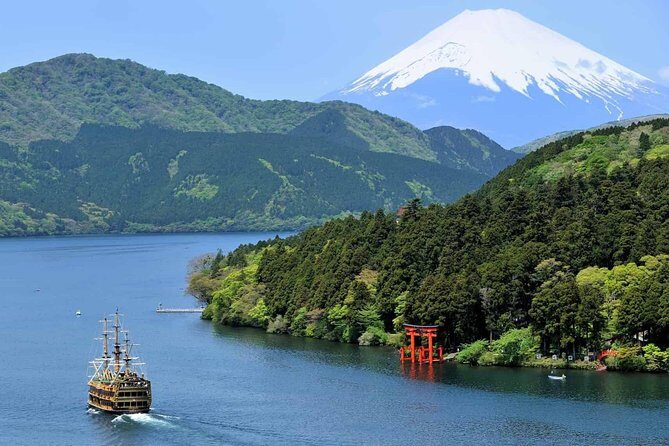
Mt. Fuji-friendly route logic: The itinerary is built around famous viewpoints like Lake Ashinoko.
Handled like a day plan, not a checklist: Your guide sequences spots so you’re not zig-zagging across Hakone.
Walking day format: You’ll move between stops; you’re not riding a private van all day.
Some upgrades cost extra: Ropeway tickets and the Owakudani nature trail have separate fees and rules.
Why Hakone feels hard without help
Hakone is only about an hour or two from Tokyo by train—but once you’re there, it can turn into a puzzle. You have cable cars, ropeways, buses, and different stations for the same area. On top of that, weather can matter a lot. Clouds can hide Fuji for hours, then clear for 20 minutes, then you’re back to fog.
That’s where a private, government-licensed guide pays off. You’re not relying on guesswork or translating signage while you’re trying to catch a connection. The best part is that you’re not trapped in someone else’s itinerary. With this tour, you select about 3–4 sights from the options, which fits how Hakone really works—pick what you care about most and let the guide handle the movement.
You can also read our reviews of more guided tours in Tokyo

Price and logistics: what you’re buying at $279.17
At $279.17 per person, this isn’t a cheap bus tour. But it’s not trying to be a car service either. You’re paying for a day with a licensed local English guide who can customize your route and keep you on track with the right trains and Hakone-area connections.
Here’s what that price does not cover, so you can budget honestly:
- Train from Tokyo to Hakone for you is about 5,000 JPY round-trip (you buy this).
- Meals and lunch are not included.
- Entrance fees and transit inside Hakone are not included (and some specific items like the ropeway are clearly marked as not included).
- A private vehicle is not part of the deal.
Also note: the tour includes a Hakone Freepass is not included, so if you’re considering one, you’ll want to compare whether it helps based on the specific stops your guide recommends for your day.
My take on value: if you want to maximize comfort and time (especially if you don’t speak Japanese), the guide fee can be money well spent. If you’re the type who doesn’t mind DIY transit and ticket juggling, you could do it cheaper—but the trade-off is time and stress.
The heart of the day: choosing 3–4 stops in Hakone
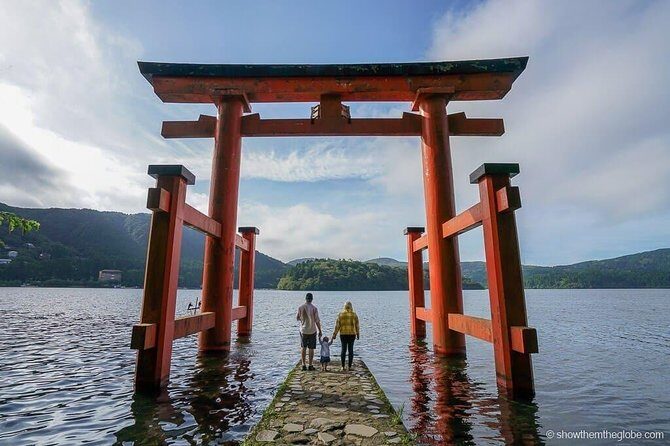
You’ll build your day from a menu of famous Hakone sights. The itinerary time blocks hint at what’s realistic: typically, a stop runs 10 to 60+ minutes depending on the place. That’s why the “3–4 sights” approach makes sense. It keeps you from doing the classic mistake of trying to cram everything in and then skipping the good parts because you’re rushing.
Below is how I’d think about each option—what it’s like, why people love it, and where the trade-offs are.
Lake Ashinoko (quick hit, big view)
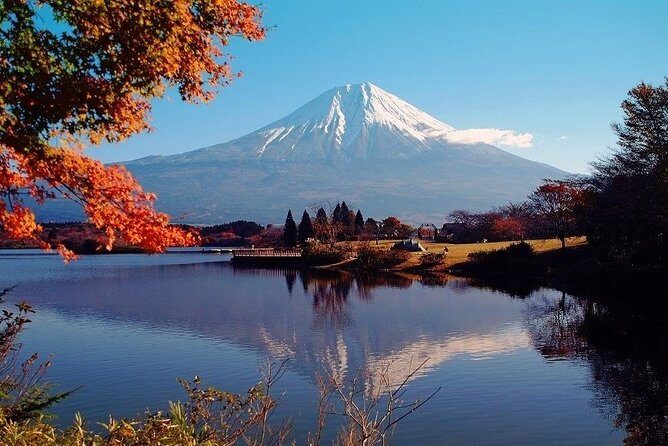
Lake Ashinoko is one of Hakone’s signature scenes: calm water with Mount Fuji often visible in the distance. The lake formed in a volcanic caldera after Hakone’s last eruption about 3,000 years ago, and that geology shows up everywhere in the area’s vibe.
Why it’s worth your time:
- It’s a simple, iconic viewpoint you can enjoy without needing a lot of walking.
- It sets the tone for a day of volcano-and-Fuji scenery.
Possible drawback:
- Fuji visibility is weather-dependent. If it’s cloudy, you might enjoy the lake just the same, but don’t expect a guaranteed Fuji photo.
Hakone Shrine (quiet, classic, easy)
Hakone-jinja Shrine has religious roots going back more than 12 centuries. The buildings have been rebuilt after fires over time, but the area stays peaceful and distinctly Hakone.
Why it works:
- It’s a nice break from views—more calm, less “move to the next photo spot.”
- Admission is free, so it doesn’t add cost.
Possible drawback:
- The experience is best if you like shrines and atmosphere more than “checklist sights.” If you want only scenery, you might prefer to spend that time on another viewpoint.
You can also read our reviews of more private tours in Tokyo



Hakone Ropeway (fast altitude change; cost extra)
The Hakone Ropeway connects Sounzan Station and Togendai Station as part of the Hakone Round Course. You’re up in the air area with broad perspective, which can be a win when the rest of the day depends on weather.
What you’ll like:
- It’s a practical way to change elevation and area without complicated transfers.
- Even in off-peak conditions, it feels like travel rather than just transport.
Trade-off:
- The ropeway ticket is not included, so it adds to your day budget.
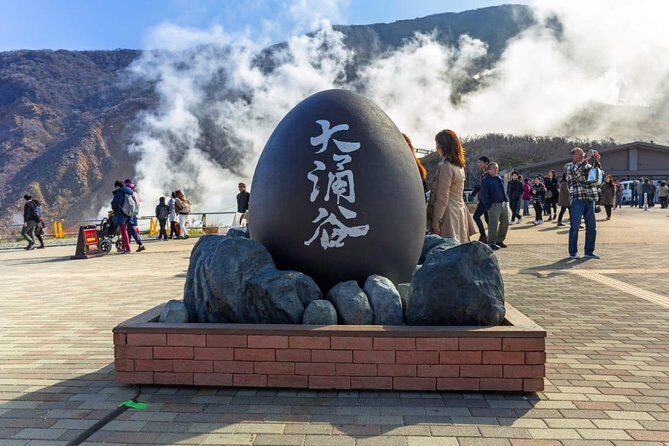
Owakudani Valley (volcano energy and black eggs)
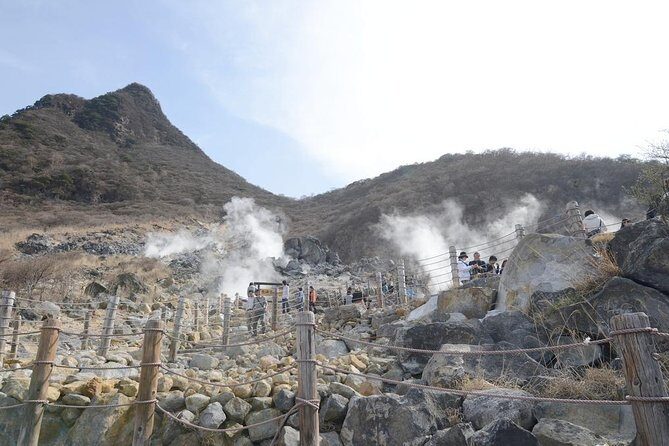
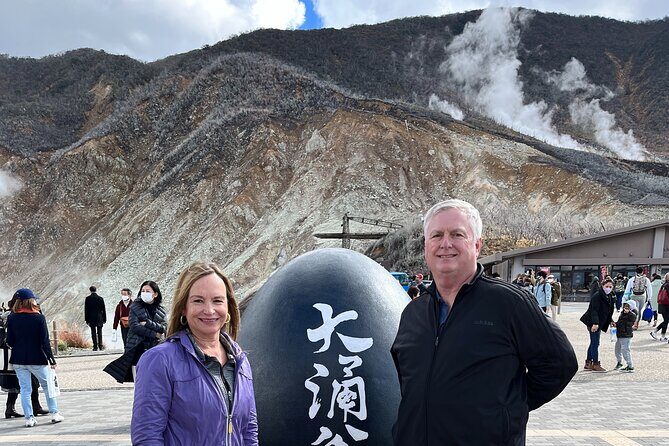
Owakudani is an active volcanic zone that powers many of the hot springs in Hakone. It’s also famous for black boiled eggs said to support long life—an old-school tourist tradition with a real sense of place.
Why it’s special:
- You get close-up geothermal activity: sulfurous air, steaming vents, and dramatic terrain.
- It’s the part of Hakone that feels most unmistakably volcanic.
Possible drawback:
- It can be smelly and windy, depending on the day. Also, it’s active geothermal ground, so you’ll want to dress for comfort and stand back where staff say so.
POLA Museum of Art (art break with a polished setting)
The POLA Museum of Art opened in 2002 to show a private art collection. It’s shorter as a stop on purpose (around 30 minutes in the plan), which makes it a good option if you want culture without losing half your day.
Why you might enjoy it:
- It’s a clean “reset” from views and outdoor walking.
- Good if your group mix includes someone who wants something indoor.
Trade-off:
- Admission is not included, and the time you spend depends on how fast you move through exhibitions.
Okada Museum of Art (another private collection stop)
The Okada Museum of Art is a privately owned museum, opened in 2013, spanning art from antiquity to modern eras. Like POLA, it’s a compact choice that fits the 3–4 stop style.
Why it works:
- You get a more focused art experience without the pressure of a half-day museum.
- A good choice if you want variety from volcano-and-lake sightseeing.
Trade-off:
- You’re paying museum admission separately.
Sengokuhara (pampas grass season matters)
Sengokuhara is known for long pampas grass and tends to look best in fall. This stop reads like a “time of year decides everything” option.
Why consider it:
- If you’re visiting in the right season, it’s a simple outdoor stroll with strong visual payoff.
Possible drawback:
- If your timing isn’t in the pampas prime, it can feel less impressive. It may still be pleasant, but your expectations should match the season.
Hakone Open-Air Museum (for art lovers who like walking)
The Hakone Open-Air Museum is one of the area’s best-known art spaces, famous for its stained glass staircase. It’s listed as a longer stop (about 2 hours), which signals it’s worth time.
Why it can be a highlight:
- You can enjoy art while also getting fresh air and views through the site’s layout.
- It’s a “stay for a while” option if you like wandering.
Trade-off:
- Since it takes longer, you may need to drop a second art museum to keep your day comfortable.
Choanji Temple (Zen atmosphere in a quiet area)
Choanji Temple is a Soto school Zen temple established in 1356. It sits in the Sengokuhara area at the base of a hill, which gives it a calmer tone than many high-traffic spots.
Why it’s worth a pause:
- It offers a slower, more reflective break that fits well after volcano heat or transport time.
- Admission is free, so it’s a low-cost add.
Possible drawback:
- Like many temples, it’s a “quality of atmosphere” stop rather than a must-see for everyone. If you’re rushing, you might skip it and feel fine—if you’re not, it can be a win.
Hakone Museum of Art (small, classic option)
The Hakone Museum of Art in Gora was founded in 1952. It’s another art choice without the long commitment of a full-day museum circuit.
Why you might like it:
- A lighter museum option that still gives you indoor time.
- Convenient if your route includes Gora and nearby areas.
Trade-off:
- Admission isn’t included, and the “value” depends on what’s on display that day.
Hakone Shisseikaen (wetlands botanical garden)
Hakone Shisseikaen is a botanical garden of wetlands in the Fuji Hakone Izu National Park area. It was founded in 1976 to help preserve plant life.
Why choose it:
- Gardens are a good break from volcanic terrain and museum crowds.
- If you like plant-focused sightseeing, this can be satisfying.
Possible drawback:
- It’s listed as about 30 minutes. If you want more, you might wish you had more time—so don’t pack in too much else that day.
Dollhouse Museum Hakone (quirky, compact fun)
The Dollhouse Museum Hakone is just what it sounds like: a collection of dollhouses from around the world. Listed at about 1 hour, it’s ideal for travelers who like unusual, hands-on-feeling attractions.
Why it’s fun:
- It’s unique. Not everyone expects a dollhouse museum in Hakone, and that surprise can be the best part.
- It fills time without requiring long walks.
Trade-off:
- Admission is not included and the appeal is very personal. If you dislike miniatures, you’ll likely feel “meh” here.
Gora Park (easy unwind above Gora Station)
Gora Park is a western-style landscape park on the steep slope above Gora Station. It’s a relaxing space to slow down and enjoy views in the Gora area.
Why it works:
- It’s a good “breather” between bigger ticket sights.
- If you’re tired from transit, it’s one of the more gentle stops.
Possible drawback:
- Again, it’s best as a calm pause, not as the centerpiece if your priority is major scenery.
Hakone Venetian Glass Museum (shops + strolls)
Hakone Glass no Mori features Italian-styled buildings, a museum, and shops, plus a large strolling garden around a canal-like pond.
Why it might be worth it:
- If your group likes design, glasswork, and browsing shops, this can be a fun detour.
- The strolling garden setup gives you space to wander.
Trade-off:
- Admission isn’t included, and shopping time can quietly expand. If you’re trying to stay on a tight schedule, you’ll want your guide to set boundaries.
Narukawa Art Museum (nihonga style)
Narukawa Museum of Art focuses on nihonga, which is Japanese-style painting. It’s listed as a very short stop (10 minutes), which suggests it’s best as a quick add, not the heart of the day.
Why it can be smart:
- Perfect if you want a small dose of a specific art form and don’t want to lose time.
- Good for groups where not everyone wants a long museum stop.
Trade-off:
- Ten minutes is short. If the exhibits grab you, you might wish for more time.
Owakudani Nature Research Trail (advanced option; reservation + fee)
This is a walking trail through an active volcanic area for close-up views of geothermal activity. It requires advance reservation and has an 800 yen entrance fee. The time listed is about 40 minutes.
Why this is worth considering:
- It’s more active and more “hands-on geology” than standard viewing platforms.
- If you like nature walks, this can turn Owakudani from a roadside attraction into an actual experience.
Trade-off:
- Since it needs reservation, it may not fit your timing unless your guide can coordinate it. And it’s extra cost on top of your Owakudani plan.
How your guide helps you actually enjoy Hakone
A private guide here isn’t just translation. It’s routing, pacing, and decision-making. In prior tours, guides were praised for handling trains to and from Hakone and the internal connection logic once you arrive.
That matters because Hakone can punish you for being off by 15 minutes. A missed ropeway window or a confusing transfer can snowball. With a guide, you’re better positioned to:
- choose the best order for your day based on time and weather expectations
- avoid getting stuck at a station with nowhere useful to wait
- pick the right “type” of stop for the mood you want that day (views vs. indoor art vs. shrine calm)
Also, since your guide is the one who knows which sights fit best, you can tailor around your group. Maybe one person wants volcano sights and Fuji views; another wants art breaks; you keep the day balanced by selecting 3–4 that work together.
Who this tour suits (and who should DIY instead)
This is a strong fit if:
- you want a government-licensed English guide and don’t want to fight the transport system
- you care about seeing Mount Fuji scenery even if it’s a weather gamble
- you like planning with someone local rather than guessing
- you’re traveling with mixed interests (art, nature, temples, and classic views)
You might consider DIY instead if:
- you’re comfortable building the route on your own and don’t mind buying tickets and timing every connection
- you only want one or two easy sights and you’d rather spend less
Because the tour is a walking tour and uses no private vehicle, it’s not the best choice if mobility limits make sustained walking hard. Service animals are allowed, which is helpful, but the overall format is still active.
Should you book this Hakone private tour from Tokyo?
Yes, if your main goal is a stress-free Hakone day with custom stop selection and a guide who can keep the transit side sane. The price makes sense when you value time, clarity, and local sequencing more than saving a few dollars on tickets.
Think twice or plan carefully if you’re expecting everything to be included. This tour covers guide service, but you’ll still budget for your Tokyo–Hakone train, entrance tickets, and meals. Also, choose your stops with weather in mind—Lake Ashinoko and Fuji views are the big payoff, but not guaranteed.
If you want the day to feel like Hakone, not like a transportation project, this is the kind of tour that turns a long list of sights into a real, usable plan.
FAQ
What’s included in the Hakone full-day private tour?
The tour includes a licensed local English-speaking guide, a customizable plan for about 3–4 sights, and meeting your guide within a designated Tokyo area. Mobile ticket support is also listed.
What isn’t included in the price?
Meals, entrance fees, transportation fees (including tickets once you’re in Hakone), lunch, and other personal expenses are not included. Round-trip train tickets from Tokyo for you are also not included (listed as about 5,000 JPY).
How long is the tour?
It’s listed as approximately 10 hours.
Can I choose which Hakone sights to visit?
Yes. You customize your itinerary and choose around 3–4 sites from the available Hakone options.
Where do I meet the guide?
Pickup is offered from the port, airport, or your Tokyo hotel, and it’s also described as a walking format with meeting on foot within a designated area.
Is the Hakone Freepass included?
No. The information explicitly notes that Hakone Freepass is not included.