REVIEW · OSAKA
Premium Kimono Dressing, Tea Ceremony, Calligraphy, Samurai show
Book on Viator →Operated by 道-michi- · Bookable on Viator
Wear a kimono and meet samurai culture. This Osaka experience at 道-michi- blends kimono dressing, a hands-on tea ceremony, calligraphy, and a samurai sword performance inside a calm courtyard and historical gallery. I especially like how the activities are explained step by step, and how calligraphy and tea feel practical instead of staged. One consideration: kimono dressing is listed as women only, and armor dressing is not included (so you may want to budget for extras if that’s your plan).
The other big win is the people running it. The vibe coming through from the reviews is warm, attentive, and genuinely proud of the details, including the meaning behind what you’re doing. Add the convenience of a mobile ticket and being near public transportation, and it’s the kind of activity that fits well even if you’re short on time.
In This Review
- Key things I’d zero in on before you go
- 道-michi- in Osaka: the setting that makes it feel like a story
- Kimono dressing for women: the fast, guided way to look the part
- Tea ceremony and matcha: where the ritual becomes understandable
- Japanese calligraphy: guided brush work you can finish with confidence
- Traditional music and samurai sword performance: energy without the guesswork
- Armor option and extra costs: know what’s included and what isn’t
- Timing and flow: why 3 hours works for first-timers
- Price and value: what $123.49 buys you in real terms
- Who this is best for (and who might want something else)
- Should you book 道-michi-? My take
- FAQ
- How long is the experience?
- How much does it cost?
- Where does the experience take place?
- Is kimono dressing included, and is it for everyone?
- What’s included in the package?
- Is armor dressing included?
- Do I receive a ticket on my phone?
- How convenient is it to get there?
- What is the cancellation policy?
Key things I’d zero in on before you go
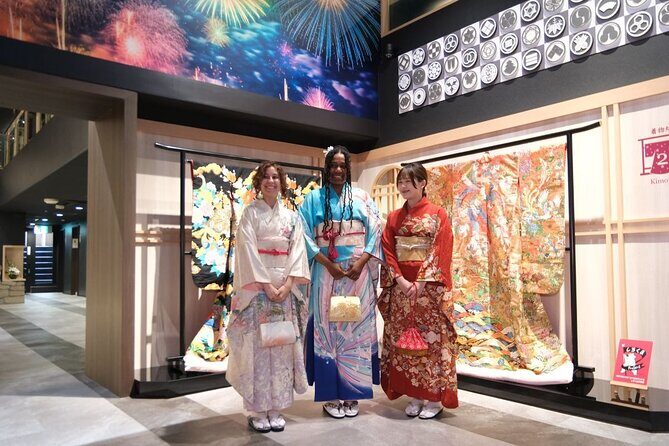
- Hands-on cultural activities in one session: kimono dressing, tea ceremony, and calligraphy all in about 3 hours
- Staff explanations that connect the dots: you’re taught the meaning behind steps, not just the motions
- Tea + matcha creation: you’ll do more than watch while matcha work happens with you
- Calligraphy you can be proud of: guided practice, with the chance to leave with something frame-worthy
- Samurai atmosphere with live performance: Japanese traditional music and samurai sword show energy
- Know the limits up front: kimono dressing is women only, and armor dressing isn’t listed as included
道-michi- in Osaka: the setting that makes it feel like a story
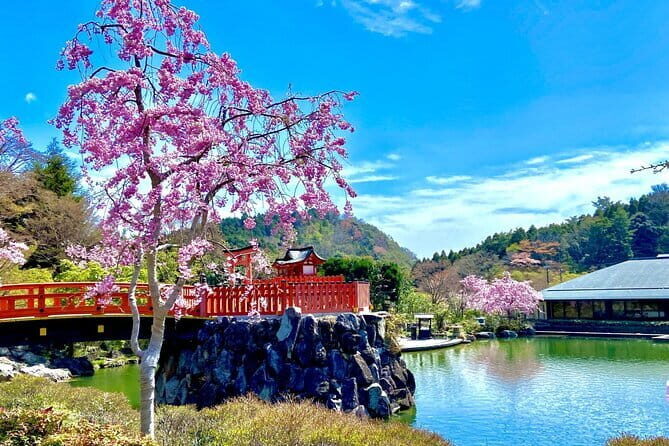
The experience takes place in Osaka at 道-michi-, and it’s set up to feel like a small, focused cultural visit rather than a big production. You’ll be moving through a serene courtyard and a historical gallery space, which matters because it gives your photos a calmer background than a street backdrop.
You also get a mobile ticket, plus confirmation at booking, and the location is near public transportation. Translation: you’re not spending your best energy figuring out logistics. Instead, you can spend it on dressing, sipping, writing, and watching the performance as the session flows.
One practical tip: plan to arrive a few minutes early. With multiple activities stacked back-to-back, being on time helps you avoid rushing through the parts that actually take concentration.
A few more Osaka tours and experiences worth a look


Kimono dressing for women: the fast, guided way to look the part
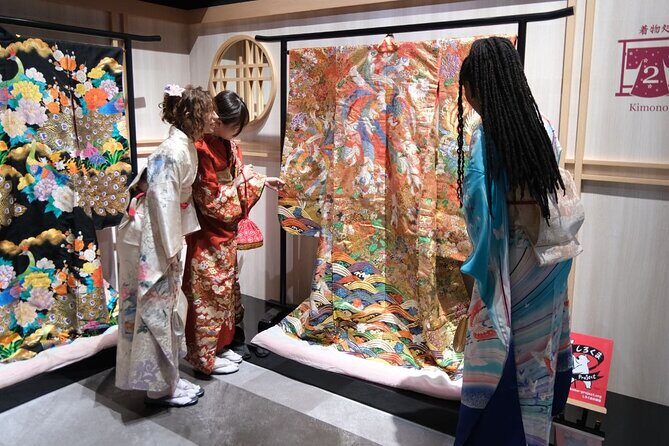
Kimono dressing is one of the core highlights, and it’s listed as women only. That’s not a dealbreaker, but it’s important if you’re traveling as a mixed group or if you’re hoping to dress in kimono yourself. If kimono is the main reason you booked, double-check this detail first so you don’t end up disappointed at the start.
What I like about the way this is positioned is that it’s not just a quick costume moment. The reviews point to staff guiding every step, including how to manage the process smoothly. This matters because getting dressed properly is part of the cultural experience, not separate from it.
Even if you only do the kimono portion as part of a larger tour, you’ll want to think about clothing underneath. Choose something comfortable and easy to get on and off so you can focus on the fit and the instructions, not on struggling with your own outfit.
Tea ceremony and matcha: where the ritual becomes understandable
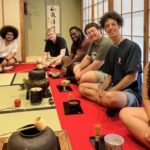
The tea ceremony is a centerpiece here, and you don’t just sit and observe. The experience includes the tea ceremony and mentions creating your own matcha, which is the best way to learn: do the steps yourself, then you understand why each movement has a reason.
The tone from the reviews is that the staff explain what you’re doing and why it matters. That’s the difference between tea ceremony as a performance and tea ceremony as a skill you can actually follow. You’ll likely spend time on the core flow—preparing and handling matcha properly, then moving through the serving and tasting moment—while receiving guidance along the way.
Here’s the practical value for you: when you learn the basics this way, you’ll be able to spot what’s happening at Japanese tea experiences later. Even one simple understanding—like how attention and presentation work together—changes how you enjoy future visits.
If you’re the kind of traveler who likes cultural activities you can repeat, this portion gives you a mental checklist you can carry home.
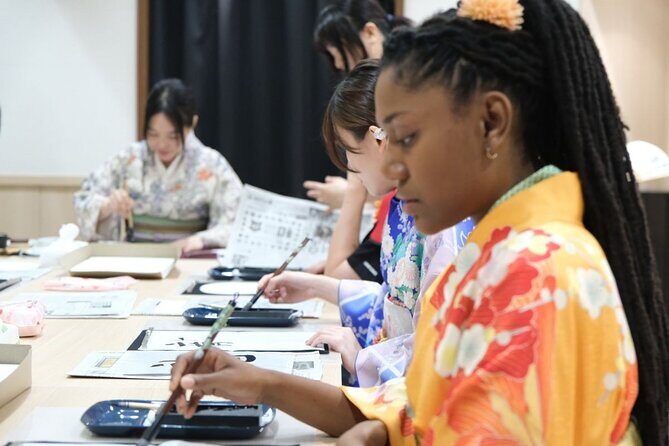
Japanese calligraphy: guided brush work you can finish with confidence
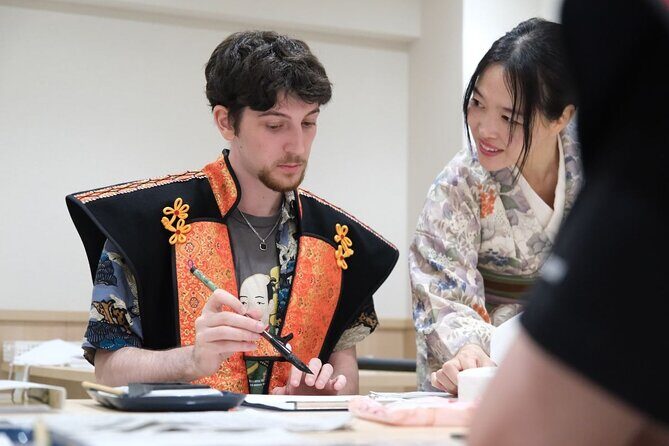
Calligraphy is included, and it’s another activity that reviews highlight as exceptional. The big takeaway is that instruction is friendly and clear enough that even amateur results can turn out satisfying. One review specifically mentions having their calligraphy framed, which suggests your finished piece is treated as something you’ll want to keep.
What makes calligraphy worth doing in a guided setting is the feedback loop. Brush handling, pressure, and the sequencing of strokes aren’t intuitive if you’re trying it cold. With instruction, you stop guessing and start learning how to make a character look like the real thing.
For best results, keep your expectations realistic. The goal isn’t to become a calligrapher in one session. The goal is to produce a piece that reflects your effort and lets you take home a tangible souvenir of the day—something more meaningful than a postcard.
If you’re buying art in Japan, you already know how easy it is to get swept up in beautiful things. This lets you make one yourself, with guidance, and that’s a different kind of value.
Traditional music and samurai sword performance: energy without the guesswork
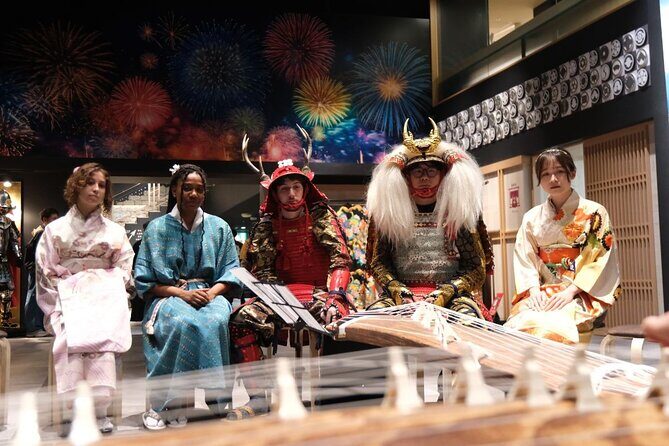
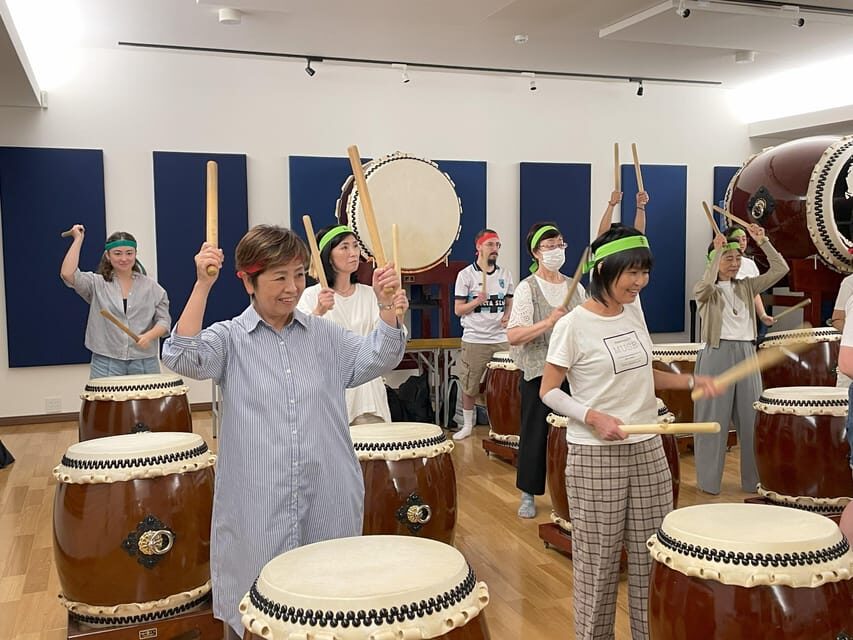
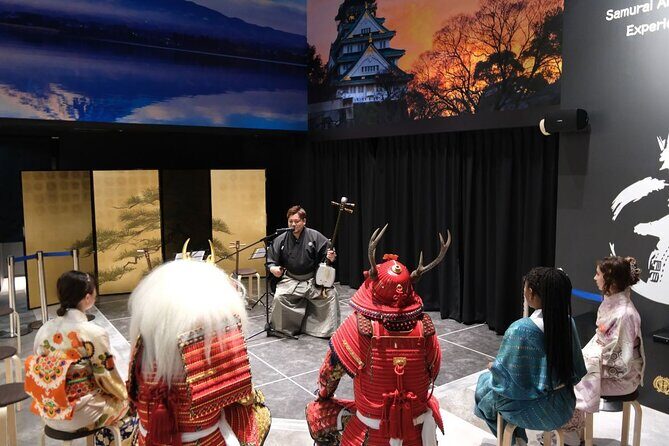
This experience includes Japanese traditional music performance and also a samurai sword performance. The itinerary description notes you’ll enjoy both viewing and participating in the music and sword performance portions, which is great because it turns the session into an active experience instead of a one-way show.
Why that matters: sword performances can feel abstract if you don’t get context. When you watch and then join in what’s possible, you understand the rhythm and style—how the movements and musical cues fit together. And because the staff explain details, you’re more likely to connect the performance to the broader cultural theme of the day.
You’ll also be in a setting where photos make sense. The courtyard and gallery help here: you’re not just filming from inside a theater. The space gives you a sense of place while performances unfold.
If you enjoy live moments—music, choreography, demonstrations—this is the part that often creates the strongest memory, especially if you’re traveling with someone who likes entertainment but wants it rooted in culture.



Armor option and extra costs: know what’s included and what isn’t
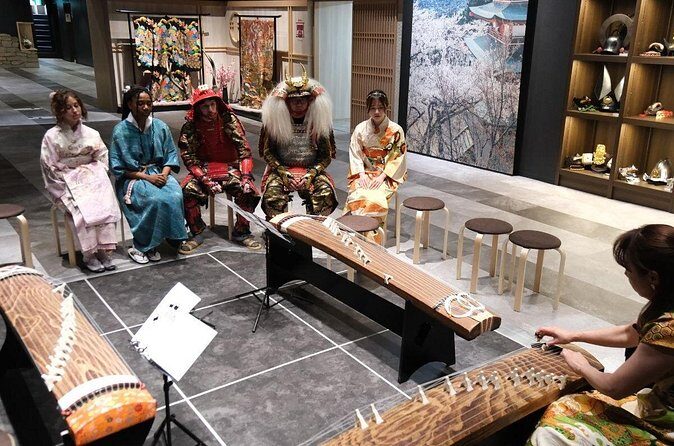
The tour overview includes dressing in samurai armor as an option, and at least one review mentions trying real armor. But the listing of what’s included says kimono dressing only (women), tea ceremony, and calligraphy plus Japanese traditional music.
So here’s the practical way to think about it: kimono dressing is included for women, while armor dressing is not listed as included. That likely means you can try armor through an add-on. If armor is your must-have, ask at the start about your options and what will cost extra.
You should also note that a souvenir cost is listed as ¥10,000 per person. That doesn’t automatically mean you’ll buy a souvenir, but it’s smart to know what the shop-side pricing looks like so you don’t get surprised.
This section is the one place where planning keeps the experience smooth. If you go in knowing what’s included and what might cost extra, you can enjoy every moment instead of doing math in your head.
Timing and flow: why 3 hours works for first-timers
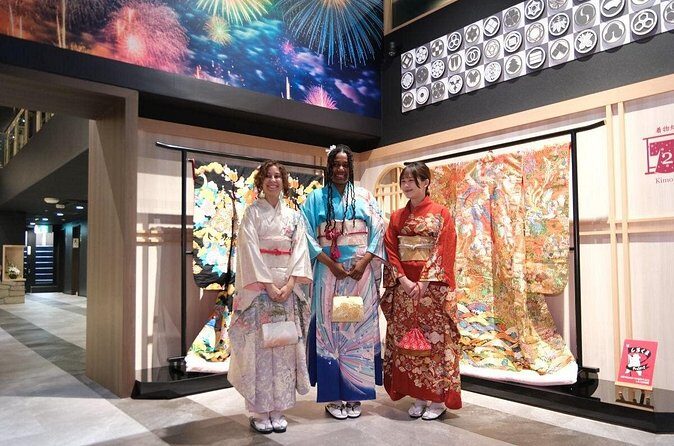
At about 3 hours, this is designed to fit into a travel day without taking over your whole schedule. The format makes it work: you start with the visual and personal transformation (kimono dressing or armor options), then you move into calm, focused arts (tea and calligraphy), and you finish with performance energy (music and sword show).
If you’re worried that a lot will happen too fast, the reviews offer reassurance that staff guide you through each step. That support is what keeps short cultural classes from becoming confusing. It’s also why this is a strong choice for first-timers to Japan who want a structured introduction without jumping between multiple locations.
A small strategy: treat this as one main cultural stop. Don’t cram it into a day where you also have long museum loops and last-minute shopping. Give yourself a little space before and after so you can enjoy the atmosphere instead of treating it as another checkbox.
Price and value: what $123.49 buys you in real terms
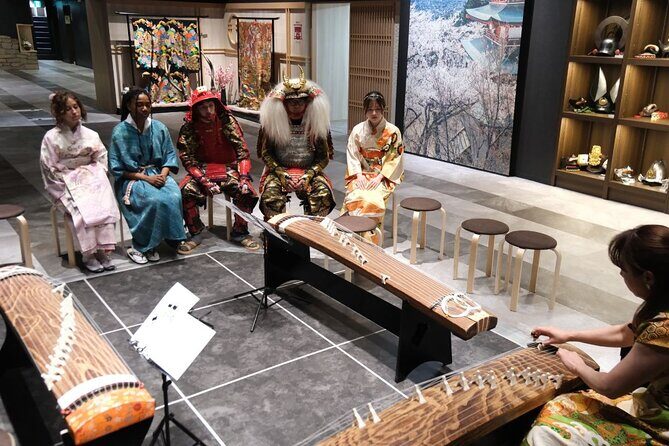
The price is $123.49 per person for an experience lasting about 3 hours. On paper, that can look like a lot for what might seem like a class plus a show. In practice, you’re paying for multiple things that are hard to replicate on your own:
- Instruction across several art forms (tea ceremony and calligraphy)
- Costuming support (kimono dressing for women)
- Performance programming (traditional music and samurai sword show)
- A guided cultural explanation tied to what you’re doing
That bundle is the value. A lot of experiences only give you one activity, usually with less guidance. Here, you get several culturally specific moments layered into one session, and the reviews repeatedly emphasize how attentive the staff are and how clearly they explain meaning.
The “value” also depends on what you want from your trip. If you want deep DIY learning, you might prefer longer workshops. If you want a concentrated, guided sampler that feels authentic and memorable, this hits the sweet spot.
Who this is best for (and who might want something else)
This works well if you:
- Want an interactive cultural experience instead of only sightseeing
- Enjoy hands-on arts like tea ceremony and calligraphy
- Like samurai stories but also care about context and etiquette
- Are visiting Osaka for the first time and want something easy to fit into your day
It may be less ideal if:
- You’re traveling with someone who wants kimono dressing but you’re only one person who can fit the women-only requirement
- You’re mainly hunting for a long, research-heavy history lesson rather than guided participation
- You’re trying to keep costs ultra-low, since armor dressing and souvenir shopping can add up
If you’re flexible and open to instructions, you’ll probably enjoy the session’s pacing and the way each activity supports the theme.
Should you book 道-michi-? My take
I think this is worth booking if your goal is a guided, interactive taste of Japanese culture that you can finish feeling like you learned something. The standout quality from the reviews is the staff’s warmth and attention, plus the way they explain what you’re doing and why it matters.
If you’re clear about the women-only kimono dressing and you’re okay with the possibility that armor is extra, you’ll likely come away with a day that feels personal: you’ll dress up, make matcha, write your own calligraphy, and watch samurai performance energy in a calm setting.
If you’re the type who likes arts with structure, this is one of those activities that turns a short time in Osaka into a real story you’ll remember.
FAQ
How long is the experience?
It runs for about 3 hours.
How much does it cost?
The price is $123.49 per person.
Where does the experience take place?
The experience takes place in Osaka, Japan, at 道-michi-.
Is kimono dressing included, and is it for everyone?
Kimono dressing is included for women only.
What’s included in the package?
The included activities are kimono dressing (women only), tea ceremony, calligraphy, and Japanese traditional music performance.
Is armor dressing included?
Armor dressing is not included. A souvenir cost is listed separately as ¥10,000 per person.
Do I receive a ticket on my phone?
Yes, the tour uses a mobile ticket.
How convenient is it to get there?
It is near public transportation.
What is the cancellation policy?
You can cancel for a full refund up to 24 hours before the experience starts.