Blue water and zoo faces in one day. This trip strings together Asahiyama Zoo (including polar bears and red pandas) and the mysterious Aoi-Ike Blue Pond in a single, easy-to-follow day out of Sapporo. If you like Hokkaido for its animals and quirky nature, this one hits the right mix.
The main thing I’d flag is practical: the tour runs mostly in Japanese, with English kept simple, and there’s no on-the-spot tourist info once you’re on the move—so don’t expect a deep English commentary at every stop.
In This Review
- Key Things to Know Before You Go
- Zoo, Blue Pond, and Flower Fields in One Packed Day
- Price and Value: What You Really Pay For
- Getting Around: Bus Comfort, Timing, and the Real Schedule
- Asahiyama Zoo: Polar Bears, Red Pandas, and Deer Encounters
- Biei Patchwork and the Window-View Countryside
- Aoi-Ike Blue Pond: The Color That Feels Like a Trick
- Farm Tomita: Lavender Season, Greenhouses, and Shop-Time
- Best time for lavender
- If you’re going outside peak bloom
- Souvenirs and Short Breaks: Getting Your Bearings Back
- Language and On-the-Ground Reality: How to Handle Japanese-First Days
- Lunch Is On Your Own: Plan How You Want to Eat
- Best Season Fit: Who Will Enjoy This Tour Most
- Should You Book This Day Trip From Sapporo?
- FAQ
- What is included in the tour price?
- Is lunch included?
- How long do I spend at Asahiyama Zoo?
- How long is the Blue Pond stop?
- When is the best time to see lavender at Farm Tomita?
- What language is used on the tour?
- How large is the group?
- If I cancel, do I get a refund?
Key Things to Know Before You Go
- Asahiyama Zoo has the star power: you’ll get time to see polar bears, arctic foxes, red pandas, and Hokkaido deer.
- Aoi-Ike is famous for its color trick: the pond looks blue, and the river behind it can look deep blue too.
- You’ll see Biei patchwork from the window: no hiking required, but you still get that quilted countryside feel.
- Farm Tomita time depends on the month: about 30 minutes in May/October/November, about 1 hour at other times.
- Lavender timing matters: mid to late July is usually the best for blooms.
- Group size stays manageable: up to 45 people, with an air-conditioned bus and included tickets/fees.
Zoo, Blue Pond, and Flower Fields in One Packed Day
This is a one-day sampler of what people actually come to northern Hokkaido for. You start with big animal energy at Asahiyama Zoo, then pivot to the quiet weirdness of Aoi-Ike, where the water’s shade does most of the storytelling.
I like how the day balances contrast. You get lively viewing at the zoo, then you slow down with photo-time at the pond and soft, seasonal scenery at Farm Tomita.
One more plus: the tour is built to be doable even if you’re not fluent in Japanese. It’s not a solo-adventure day where you worry about routes. It’s more like a guided day with scheduled time windows, and you just show up, follow the flow, and enjoy.
A few more Sapporo tours and experiences worth a look



Price and Value: What You Really Pay For
At $75, this isn’t the cheapest thing in Hokkaido, but it’s priced like a “time-saver” tour. You’re paying for an air-conditioned vehicle, the guided structure, and covered admission/fees for the day.
Here’s the value logic:
- Asahiyama Zoo admission is included, so you’re not doing extra planning for tickets.
- Other stops are listed as free-entry moments (like the Blue Pond area and Farm Tomita entry), which helps keep the day affordable.
- Lunch isn’t included, so you’re free to choose what fits your taste and budget near the stops.
If you’re visiting from Sapporo and want to hit zoo + Biei highlights without renting a car, this is the kind of day trip that can feel worth the money. You’re buying convenience and organization, not just transportation.
Getting Around: Bus Comfort, Timing, and the Real Schedule
The day runs about 10 hours, with returns generally between 19:00 and 19:30. Along the way you’ll have short breaks at service areas, including Sunagawa Service Area and Iwamizawa Service Area—these are your reset points, not major attractions.
Two timing realities matter:
- Traffic and passenger numbers can shift sightseeing time. The zoo stop is roughly 150 minutes, but it can flex.
- Arrival and departure times may be earlier than the printed schedule due to holiday conditions or facility restrictions.
What I’d do before you go: plan your day around the assumption that you’ll be moving most of the time. If you’re the type who hates tight windows, you might get impatient. If you’re okay with “hit the highlights, take photos, move on,” you’ll feel satisfied.
Also, this tour operates for a maximum of 45 travelers, which helps keep it from feeling chaotic. Seat requests aren’t accepted, so just go with the flow and pick whatever works when you board.
Asahiyama Zoo: Polar Bears, Red Pandas, and Deer Encounters
Asahiyama Zoo is where the day earns its reputation. You get about 2 hours 30 minutes there, which is enough time to see multiple animal areas without feeling rushed to the edge of exhaustion.
Expect to focus on species like:
- Polar bears
- Arctic foxes
- Red pandas
- Hokkaido deer
I like that the zoo stop isn’t framed as a quick photo scam. With this much time, you can actually watch animals instead of just spotting them from a distance.
One practical tip: if you’re sensitive to noise or crowds, plan your pacing. Zoos can get busy fast, and you’ll be walking between zones. Wear shoes you trust and keep your phone charged—if you’re trying to capture animal behavior, you’ll want battery.
Also, because English guidance is limited (simple English at best, Japanese more often), you’ll want to rely on what you can see more than what you can read. That works fine here because animals do the talking.
Biei Patchwork and the Window-View Countryside
After the zoo, you’ll get a quick taste of Biei’s famous look through the Road of Biei Patchwork—scenery you view from the bus window.
This is a smart compromise. You don’t have to time a self-drive route or find parking, yet you still get that quilt-like countryside feeling people associate with the region.
Keep expectations realistic, though: this is a window stop, not a long scenic pull-over moment. If you’re hoping for a full walk through patchwork fields, this part won’t replace that. It’s more like a visual warm-up for what comes next at the Blue Pond and Farm Tomita.
A few more Sapporo tours and experiences worth a look
Aoi-Ike Blue Pond: The Color That Feels Like a Trick
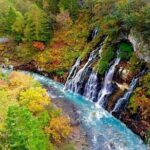
Then comes the headline moment: Aoi-Ike (Biei Blue Pond). The stop is short—about 15 minutes—but it’s designed for one thing: seeing the pond and getting your photos before the bus moves on.
What makes Aoi-Ike special is the way it looks, not just where it is. The pond’s blue surface is linked to a natural history story tied to the eruption of Mt. Tokachi. In other words, it isn’t a man-made color effect; it’s water and conditions doing the work.
You also get a nice detail that’s worth seeking out while you’re there: if you go toward the back of the pond area, you can see the river water also appears deep blue. That contrast helps the blue feel even more unreal.
And the atmosphere gets boosted by the withered larch trees nearby, which can create that slightly haunted, storybook mood people chase on camera.
Time check: since the pond stop is brief, I’d treat it like a quick photo mission. Arrive ready, pick a viewpoint fast, and then do a second pass if you have time.
Farm Tomita: Lavender Season, Greenhouses, and Shop-Time
Farm Tomita is where the day shifts from animal watching to seasonal views. Your time here depends on the month:
- About 30 minutes in May, October, and November
- About 1 hour at other times
That seasonal time difference matters for your planning. If you’re going in May/October/November, you’ll want to move directly to the areas you care about most—especially if lavender is your priority.
Best time for lavender
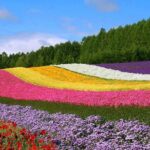
For blooms, the usual best window is mid to late July. If you can flex travel dates, that’s your best bet for the classic lavender look.
If you’re going outside peak bloom
Even when you can’t expect full outdoor fields, you can still enjoy Farm Tomita in a different way. In November, the fields are limited and you won’t see flowers everywhere—greenhouse areas may be the exception. Still, you can purchase lavender-based products like original cosmetics and aroma oils made with lavender grown at Farm Tomita.
I like this because it keeps the visit useful even when the weather or season doesn’t cooperate. You’re not forced to feel like you missed out—you can shop, smell, and taste the region’s lavender culture.
Souvenirs and Short Breaks: Getting Your Bearings Back
Between major sights, the tour builds in sanity breaks.
You’ll also stop at Campana Rokkatei, a well-known souvenir shop. This is your chance to grab treats without planning ahead. The stop is about 30 minutes, which is enough to look around and decide on gifts without rushing.
Then you’ll have a final short break at Iwamizawa Service Area before heading back. These rest stops are helpful if you’re traveling with kids, if you want bathroom access, or if you just need a moment to reset before the long ride home.
Language and On-the-Ground Reality: How to Handle Japanese-First Days
Here’s the deal: this tour uses Japanese, and English is provided only in simple English. There’s also no tourist information during the tour, so you’re relying on what the guide communicates and what signs provide.
That limitation is workable if your expectations are right. You don’t need fluent language to enjoy:
- seeing polar bears and red pandas
- watching the Blue Pond color show up (or not)
- walking through flower areas
- grabbing souvenirs
But if you’re the type who wants deep explanations at every location, you may feel underfed.
One more practical point: the audio style you experience can vary. Some people find the English audio portion limited compared with the rest of the day. So come with the mindset: you’re here for the sights, and the narration is a bonus.
Lunch Is On Your Own: Plan How You Want to Eat
Lunch isn’t included. You’ll have time to eat near the zoo area, and the day is set so you don’t starve, but you do have to choose.
A good approach:
- If you want a sit-down meal, you’ll probably have to accept it might take time.
- If you want something fast, save your longer food break for later rather than hunting at the last minute.
I’ve seen this kind of day trip go smoothly when people arrive with a simple plan—like deciding whether they want a full meal or a quick snack and drink. That keeps you from getting stressed when the clock is moving.
Best Season Fit: Who Will Enjoy This Tour Most
This day trip is best for you if:
- you want major highlights without car planning
- you like animals and you’re curious about Hokkaido’s nature quirks
- you can enjoy shorter stops for faster sight coverage
- you’re okay with English being limited
It’s especially strong in summer because you’re pairing the Blue Pond with the classic lavender timing at Farm Tomita. But it can still work in shoulder seasons and autumn for the different atmosphere, plus the option to buy lavender products even when blooms are scarce.
If you’re the type who wants long wandering time, detailed explanations, or lots of free time, you might prefer a car or a more flexible self-guided day. Here, the day is designed to move.
Should You Book This Day Trip From Sapporo?
If your goal is a straightforward, structured day that hits Asahiyama Zoo + Aoi-Ike + Farm Tomita, I’d say this is a solid booking. The biggest strengths are clear: organization that keeps you on track, and animal/blue-pond moments that are easy to remember later.
I’d only hesitate if you strongly need detailed English on-site or you dislike short sightseeing windows. In that case, you’ll spend more energy translating and managing expectations than enjoying the scenery.
One practical bonus: it’s set up for flexibility with free cancellation up to 24 hours before start time, so you can hold the spot while you finalize your Hokkaido plans.
FAQ
What is included in the tour price?
You’re paying for an air-conditioned vehicle, plus all fees and taxes. Asahiyama Zoo admission is included, while other stops are listed as free-entry.
Is lunch included?
No. Lunch is not included, and you’ll have time for it on your own during the zoo portion.
How long do I spend at Asahiyama Zoo?
The zoo stop is about 150 minutes (around 2 hours 30 minutes).
How long is the Blue Pond stop?
The Aoi Pond stop is about 30 minutes, with the emphasis on seeing the blue water and nearby viewpoints.
When is the best time to see lavender at Farm Tomita?
Lavender is usually best from mid to late July. This tour is scheduled based on usual flowering conditions, but timing can vary with weather.
What language is used on the tour?
The tour uses Japanese. English is provided in simple English, and there’s no tourist information during the tour.
How large is the group?
The tour has a maximum of 45 travelers.
If I cancel, do I get a refund?
Yes. You can cancel up to 24 hours in advance for a full refund.
If you tell me your travel month (and whether you care most about lavender or animals), I can suggest the best way to prioritize your time during the stops.