REVIEW · HIROSHIMA
Hiroshima: A tour guide to Peace Park and Miyajia Island
Book on GetYourGuide →Operated by United Enter Khan · Bookable on GetYourGuide
Hiroshima hits hard, and you get there with a plan. This one-day guided tour connects the Peace Memorial Park area with the island magic of Miyajima, while your guide keeps things clear and easy to follow.
I like that the guide brings both language skills (English, Japanese, Hindi, Russian, and Spanish) and a relaxed, friendly vibe that makes the day feel less rushed. I also like how you’re not stuck in transit guesswork; the tour is built around tight sightseeing flow, including smart handling of traffic with local knowledge.
One consideration: it’s a small, fixed schedule, so if you’re the type who wants to wander long and uncontrolled, you may feel time pressure—especially after the emotionally heavy Peace Park stop.
In This Review
- Key highlights at a glance
- Hiroshima starts at Atomic Bomb Dome, not a textbook
- Peace Memorial Park: guided time that helps you actually understand
- Miyajima in three hours: Itsukushima Shrine, views, and Goju-no-to
- Cable car views: when the island suddenly makes sense
- The aquarium option and why it matters for groups
- Getting around Hiroshima: transport, local shortcuts, and less stress
- Price and value: what $129 covers and what you’ll still need
- Small group size (max 6): better questions, less waiting
- Languages: when facts land faster
- What I’d pack for a one-day Peace Park + Miyajima schedule
- Should you book this Hiroshima tour?
- FAQ
- What sights are covered during this one-day tour?
- How long is the tour?
- Is transport included?
- Are entry tickets included?
- What’s not included in the price?
- What languages does the live guide speak?
- How big is the group?
- Where do we meet and where do we return?
- Can I cancel for a full refund?
Key highlights at a glance
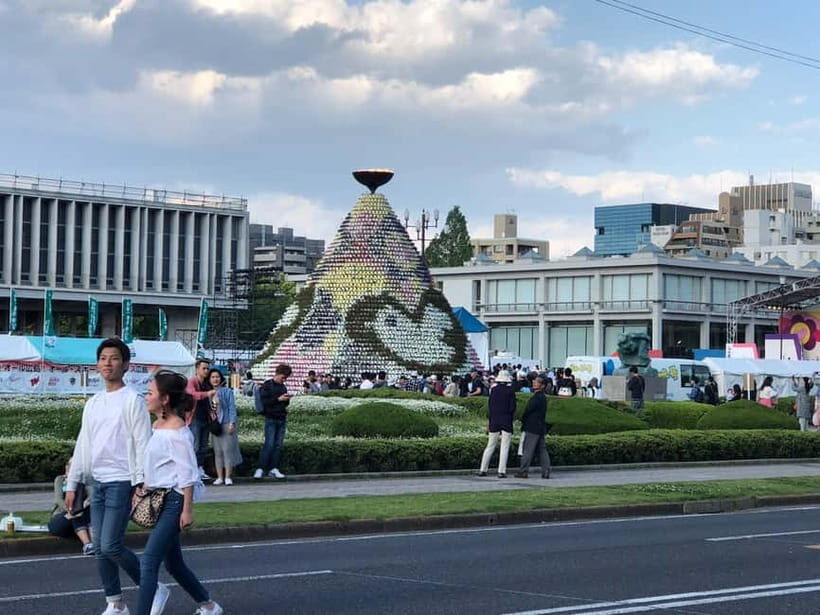
- Atomic Bomb Dome as the start and finish point, so you don’t lose time figuring out meeting points
- Two-hour guided Peace Memorial Park visit, with a clear, guided structure
- Three-hour Miyajima guided experience, focused on major sights rather than aimless roaming
- A guide who knows Hiroshima streets and short cuts, useful when traffic gets slow
- Small group size (limited to 6) for more personal attention
- Multilingual live guide for smoother understanding and Q&A across five languages
Hiroshima starts at Atomic Bomb Dome, not a textbook
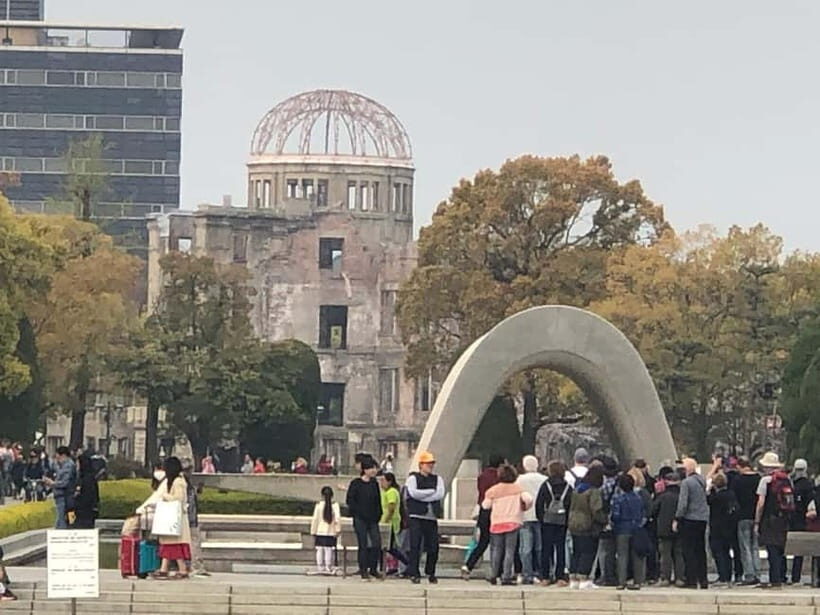
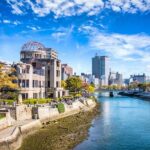
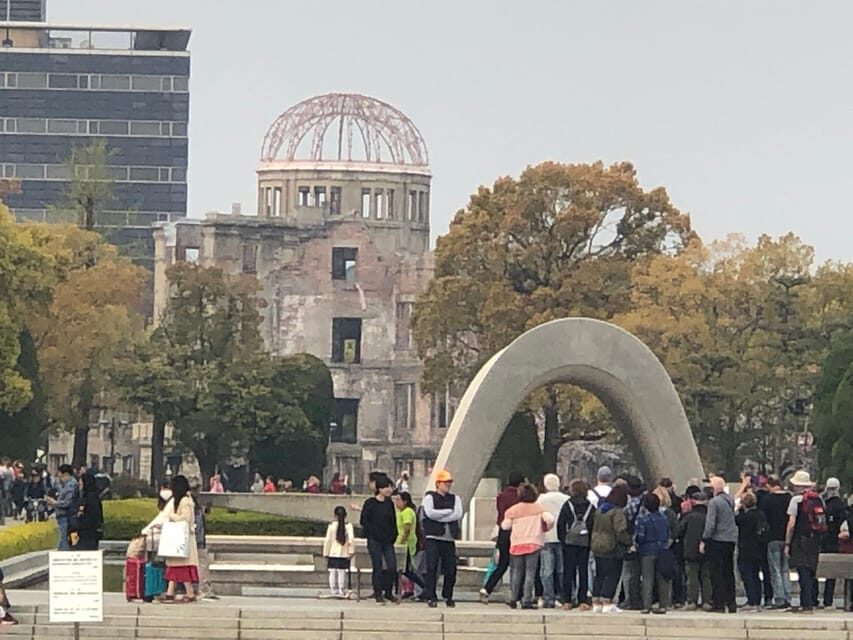
I think the best way to see Hiroshima is to begin where the city’s modern identity is anchored: at the Atomic Bomb Dome. It’s more than a landmark photo spot. Standing there with a guide framing what you’re looking at helps your brain move from sightseeing mode into understanding mode fast.
From there, you move into the Peace Memorial Park area with a guided rhythm. The tour gives you about 2 hours here, which is long enough to actually absorb details without turning it into a checklist. If you’ve ever tried to do Peace Park solo and ended up speed-walking with a half-read brochure, you’ll appreciate the structure.
Also, the guide is described as friendly and jolly. That matters, because Hiroshima isn’t a casual theme park day. A lighter tone doesn’t trivialize anything—it just keeps you grounded so you can focus.
You can also read our reviews of more guided tours in Hiroshima


Peace Memorial Park: guided time that helps you actually understand
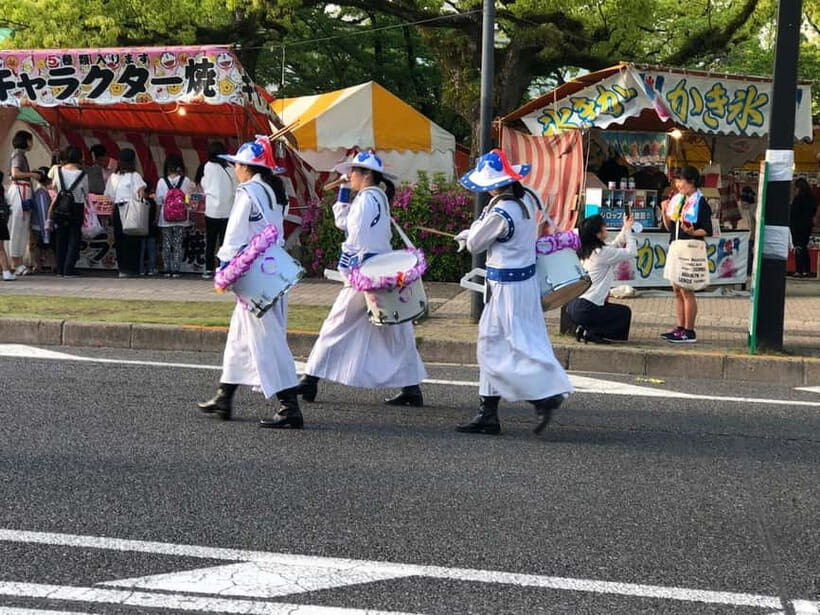
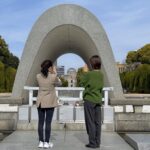
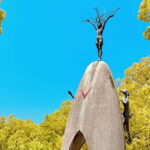
In the Peace Memorial Park, you’re not just passing monuments. You’re getting a guided tour meant to help you make sense of what you’re seeing and why it’s there. For many people, the biggest struggle is emotional overwhelm. A good guide helps you pace yourself—so you can stop when something matters and keep moving when it’s time to shift sections.
This stop is also where you’ll get the most payoff from spending time rather than collecting photos. Two hours means you can look closely, take breaks, and still cover the big pieces without feeling like you’re disappearing into a fog of names and dates.
Practical tip: wear shoes you can walk in for an hour straight. Peace Park is the kind of place where you’ll want to linger even when you think you won’t.
Miyajima in three hours: Itsukushima Shrine, views, and Goju-no-to
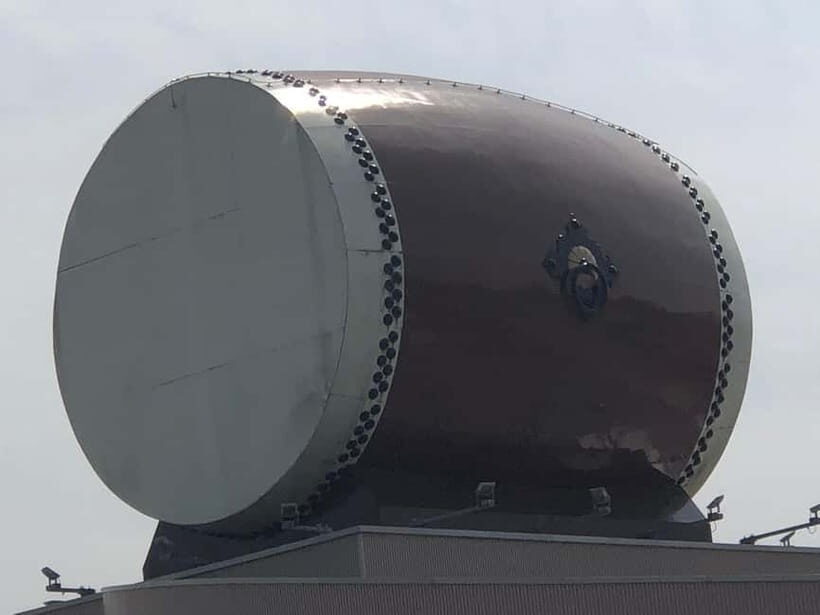
Then you pivot from memorial space to island scenery. That change can feel sudden at first—until you realize Miyajima isn’t a contrast for the sake of contrast. It’s still Hiroshima’s world, just seen from a different angle.
On Miyajima, you’ll get about 3 hours of guided time. You’ll visit the Itsukushima Shrine, famous for its dramatic setting and historic roots. The shrine is said to have started in 593, with the present shape dated to 1168. That kind of timeline turns the usual tourist photo into something with weight: you’re looking at a place shaped over centuries, not just a pretty backdrop.
You’ll also hear about the Otoro gate, built using camphor wood. Those details are exactly what helps you understand why this shrine looks the way it does and why it became such an icon.
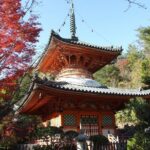
Next, there’s Goju-no-to, the five-story pagoda built in 1407 and standing about 27 meters tall. Even if you don’t know Japanese architecture terminology, your guide can explain what you’re seeing in plain language. It’s one of those sights that improves with explanation—because otherwise it’s easy to treat it like another temple silhouette.
Cable car views: when the island suddenly makes sense
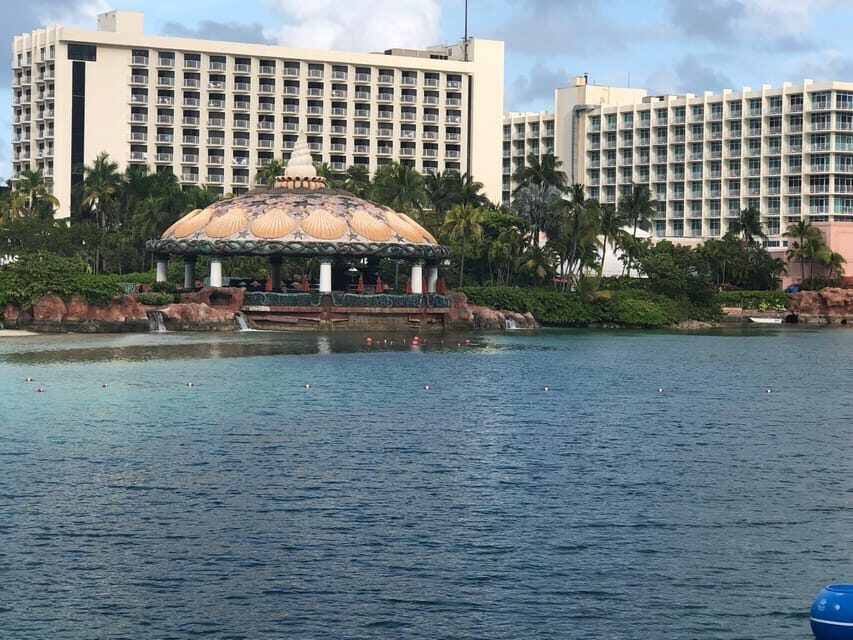
Miyajima also includes a cable car ride that takes you up to a high-altitude viewpoint. From up there, you can look across the island and nearby cities, including mentions of Hatsukaichi, Otake, and Hiroshima.
This is one of the best parts for perspective. After you’ve spent time absorbing shrine details and pagoda shapes, the cable car gives you spatial understanding. You start to see where everything sits and how the island fits into the region.
If you’re traveling with someone who hates walking but still wants the major sights, this cable car section is a strong compromise. It’s a break with views, not just movement.
The aquarium option and why it matters for groups
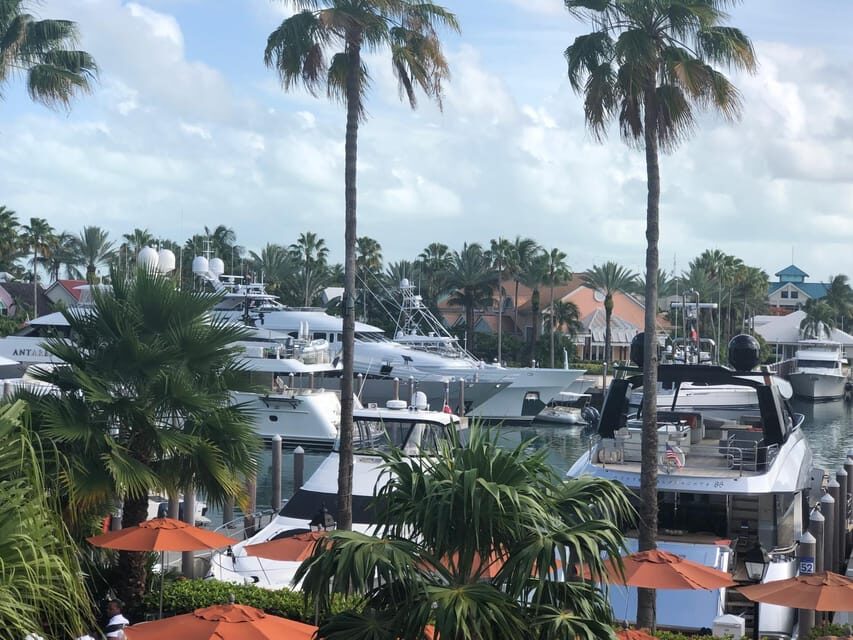
Miyajima has a reasonable-size aquarium, and it’s mentioned as an attraction for both international tourists and Japanese visitors. That’s useful if your group has mixed interests—maybe someone loves temples and views, while someone else wants a lighter, indoor option.
I like having that kind of flexibility built into a day tour. It means the experience doesn’t stall if someone needs a reset. Just note: with a set-guided schedule, you may not have unlimited time to linger.

Getting around Hiroshima: transport, local shortcuts, and less stress
This tour includes transport and access to the main sights via guided flow. But the bigger value isn’t just that transport is provided—it’s that the guide knows Hiroshima streets and short cuts, especially if traffic slows things down.
In practice, that’s what keeps your day feeling smooth. The Peace Park area and Miyajima require careful timing. When a route plan is good, you lose less daylight to gridlock and more time to actual stops.
One more practical note: your experience starts and returns at the Atomic Bomb Dome, which reduces the anxiety of complicated end-of-tour navigation. It’s one less thing to juggle when you’re already mentally processing a lot.
Price and value: what $129 covers and what you’ll still need
At $129 per person for a one-day small-group tour, the key value is that you’re paying for three things at once:
- guided time at the hardest-to-do sites (Peace Memorial Park)
- guided time at the island highlights (Itsukushima Shrine and Goju-no-to)
- transport and entry tickets included
What’s not included is also clear: food and souvenirs. I like that honesty. You’ll want to plan on buying your own lunch on the day, and you’ll likely find souvenirs when you’re near shrine areas or shopping streets.
Is $129 cheap? Not in the sense of budget travel. But it often feels fair if you consider that you’re paying for a live, multilingual guide plus organized transport. If you’ve tried to DIY both Peace Park and Miyajima in one day, you already know the planning headaches add up.
Small group size (max 6): better questions, less waiting
A limited group size—6 participants max—changes the feel of the day. You’re not fading into a big crowd. You can ask questions and actually get answers that fit what you’re noticing right now, not generic facts aimed at everyone.
That also makes it easier for the guide to adjust pacing when someone needs a moment. In Peace Memorial Park, that kind of responsiveness matters. In Miyajima, it helps you keep the day enjoyable instead of rushed.
Languages: when facts land faster
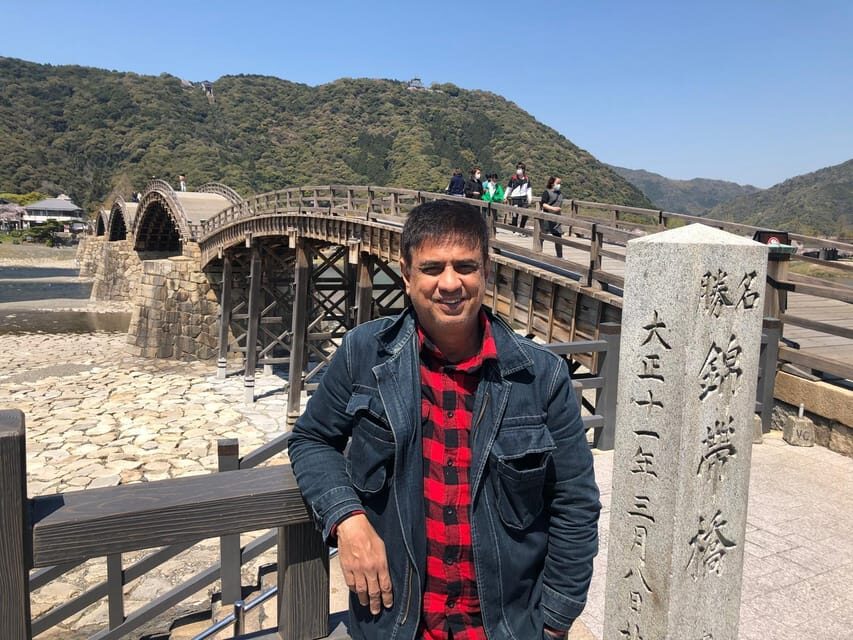
The guide is listed as fluent in English, Japanese, Hindi, Russian, and Spanish. That’s more than a convenience. Better understanding changes what you retain, especially in a place where meaning comes through slowly.
If you speak one of these languages, you’re set up for smoother explanations and easier Q&A. If you don’t, you still benefit from clear guided storytelling rather than struggling through signage alone.
What I’d pack for a one-day Peace Park + Miyajima schedule
You won’t need anything fancy, but you will benefit from being ready for walking and changing views:
- Comfortable shoes for steady walking
- A light layer for shifts between park and island air
- Water (you’ll be buying food separately)
- A small bag that works well for cable car and temple areas
Also: bring a charged phone or camera, but keep your hands free for moments when you’ll want to pause and just look.
Should you book this Hiroshima tour?
Yes, I’d recommend booking it if you want a one-day plan that covers Atomic Bomb Dome, Peace Memorial Park, and Miyajima without turning the trip into logistics stress. The biggest strengths are the guided structure, the small group, and the multilingual guide who can keep the day readable even when the topic is heavy.
Skip it if you want a purely self-paced day with zero structure. With a set sightseeing flow and guided time blocks, you’ll be nudged along.
If you’re trying to do Hiroshima plus Miyajima in one day and you want it to feel meaningful rather than chaotic, this is a solid fit.
FAQ
What sights are covered during this one-day tour?
The tour starts and ends at the Atomic Bomb Dome and includes a guided visit of Hiroshima Peace Memorial Park and a guided experience on Miyajima.
How long is the tour?
The tour duration is 1 day, with guided time in both Peace Memorial Park (about 2 hours) and Miyajima (about 3 hours).
Is transport included?
Yes. Transport is included.
Are entry tickets included?
Yes. Entry tickets are included.
What’s not included in the price?
Food and souvenirs are not included.
What languages does the live guide speak?
The live guide is listed as speaking English, Japanese, Hindi, Russian, and Spanish.
How big is the group?
This is a small group limited to 6 participants.
Where do we meet and where do we return?
You can arrange pickup from the station, your hotel, or a specific meeting point, and the tour returns to the Atomic Bomb Dome.
Can I cancel for a full refund?
Yes. Free cancellation is available up to 24 hours in advance for a full refund.