REVIEW · KANAZAWA
Colors of Kanazawa (Traditional Crafts and Gardens)
Book on Viator →Operated by Kanazawa Tours · Bookable on Viator
Kanazawa comes with color—literally. This 3-hour afternoon tour mixes shrine, castle, and garden strolls with a hands-on Kaga Yuzen workshop where you make a small souvenir. With a max group size of 12, it stays friendly and not rushed.
I especially like the way it covers Kanazawa in layers: start at Oyama Shrine and Kanazawa Castle for the samurai-era vibe, then slow down in one of the city’s best-known gardens. You get a clear route, a real guide voice, and enough time to look up from your phone.
The only thing to consider is that this experience is tied to weather and you’ll be walking for a few focused stops. Also, the tour doesn’t include transportation to or from the meeting point, so plan how you’ll get there before 1:30 pm.
In This Review
- Key highlights to know before you go
- Entering Kanazawa’s Old Center (and finding your pace)
- Oyama Shrine + Kanazawa Castle: short stops with big context
- Kenrokuen Garden stroll: the included time actually feels like time
- The Kaga Yuzen workshop: making a tote bag you keep
- What the tour size changes (and why 12 matters)
- Price and value: why $64.83 can make sense
- Who this tour is best for (and who should think twice)
- Practical tips to make your afternoon easier
- Should you book Colors of Kanazawa for your trip?
- FAQ
- How long is the Colors of Kanazawa tour?
- Where does the tour start and where does it end?
- What stops are included in the route?
- Is Kenrokuen Garden admission included?
- What is included in the Kaga Yuzen experience?
- Does the tour include transportation?
- What happens if the weather is poor?
Key highlights to know before you go
- Small group (max 12): easier questions, more personal pacing
- Kaga Yuzen textile dyeing workshop: paint your own small bag/tote as a keepsake
- Kenrokuen Garden time (45 minutes): a guided stroll plus included entry
- Hands-on + scenery combo: craft work paired with historic sites
- Café break with a drink: a pause built into the route
- English support from guides: guides like Sachiko-san, Saya, and Ian are mentioned as comfortable and engaging
Entering Kanazawa’s Old Center (and finding your pace)
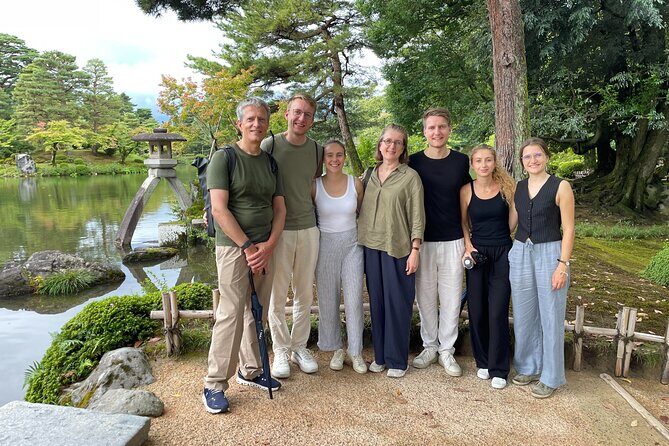
You start at the Kanazawa Central Tourist Information Center (Kanazawa New Grand Building, 1st floor). It’s a good anchor point because you can orient fast, then spend the rest of the afternoon moving on foot through the older parts of town.
The tour runs from 1:30 pm and lasts about 3 hours. That timing matters: you avoid the heavy morning crowds, but you’re still there while the garden and the castle area have that late-day calm. You also get a built-in rhythm—short sight stops, then longer, slower moments where you can actually look.
You’ll have a mobile ticket, and you’ll meet your guide right at the start point. If you’ve ever tried to coordinate with group tours that begin somewhere slightly mysterious, you’ll appreciate how straightforward this one is: arrive, check in, and go.
You can also read our reviews of more tours and experiences in Kanazawa.



Oyama Shrine + Kanazawa Castle: short stops with big context
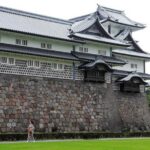
The first stretch is built around Oyama Shrine and Kanazawa Castle—each about 20 minutes, with admission listed as free for both. That quick format is ideal for first-time visitors. You don’t feel like you’re standing in line for half the tour, and you still come away with the story thread.
Oyama Shrine is where you get the cultural tone. Then Kanazawa Castle adds the practical historical backdrop. The focus here is the city’s samurai heritage, explained in a way that helps you connect what you see with why it matters. You’re not just taking photos—you’re learning what those places signaled in their day.
A small but useful detail: because the stops are time-boxed, your guide can keep the pace from dragging. In my experience, this is the difference between a tour that feels like a checklist and one that feels like someone showing you their home turf.
Kenrokuen Garden stroll: the included time actually feels like time

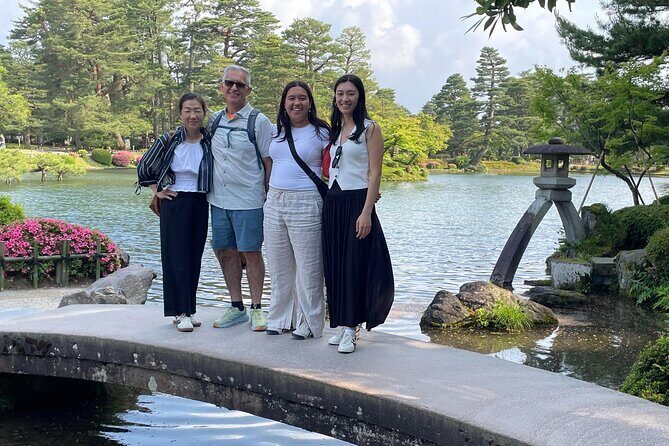
Next you move to Kenrokuen Garden for 45 minutes, with entrance included. Kenrokuen is the kind of place where you can waste an hour just drifting—so the fact that the tour gives you a specific guided window is a real plus.
During this part, the tour shifts gears from buildings and pathways to sightlines, seasonal views, and slower walking. Your guide can point out what to pay attention to so you’re not just staring at everything at once. The best part is that you get the chance to experience the garden without turning it into a sprint.
And yes, you’ll also get a drink break at a traditional café spot as part of the experience. That small pause matters more than it sounds. It breaks up the walking and gives you a moment to reset, especially if you’re pairing this with other sightseeing later in the day.
One practical note: gardens are photogenic, which is great—just remember that other people will also have cameras out. Keep some calm breathing room so you can still enjoy the guide’s explanations.
The Kaga Yuzen workshop: making a tote bag you keep
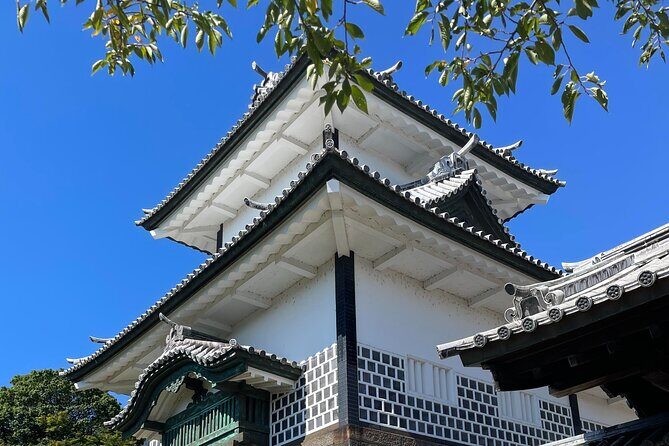
This is the moment many people are quietly hoping for: not just a visit, but a skill-based craft time.
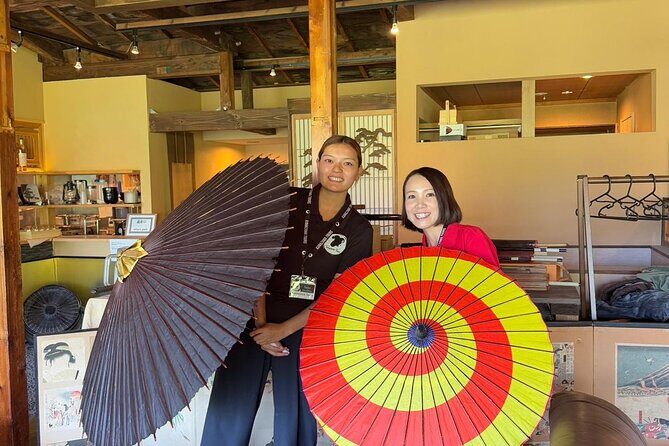
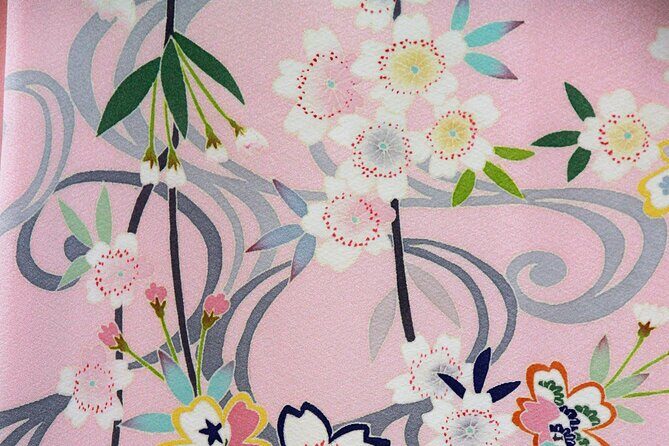
The workshop is described as a textile dyeing activity, specifically tied to Kaga Yuzen, and it includes a tote bag with your own artwork. The overview says you’ll paint your own small traditional bag using vibrant dyes under guidance from a local artisan. In other words, you’re creating something from scratch, not just stamping a logo onto fabric.
Why I like this as an experience choice: you leave with a physical reminder that isn’t only a souvenir rack photo. A tote bag you made yourself tends to get used, and it keeps the memory close in a way a postcard never does.
It also gives you a break from walking. Craft time is mentally different from sight-seeing. Your hands are busy, your mind slows down, and you actually get to talk with your guide about what you’re seeing and learning.
One more bonus comes up in the feedback: some guides, including Sachiko-san in one account, organized meeting artisans in private sessions. That’s not something you should treat as guaranteed, but it suggests the tour can feel more personal than the standard “watch and move on” craft stop.
What the tour size changes (and why 12 matters)
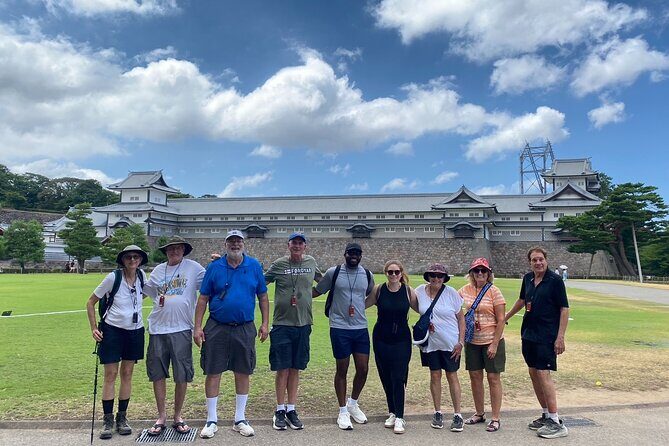
Max group size is 12 travelers. In a city like Kanazawa—where there’s history to understand and gardens to enjoy—that small number makes the difference between a crowded shuffle and a calm walk.
With fewer people:
- You can ask follow-up questions without waiting your turn forever.
- The guide can adjust the pace if someone needs an extra minute to take in a view.
- The group dynamic stays friendly. The feedback repeatedly calls out guides who felt like you were exploring with someone local.
Guides named in the reviews include Sachiko-san, Saya, and Ian. People highlighted their English ability and their helpful restaurant recommendations, which tells me the guide value isn’t limited to pointing at sights. You’re also getting practical suggestions for what to do next.
If you’re traveling with a couple of friends, you’ll likely appreciate the small-group feel. If you’re solo, it’s also a comfort: you get personal attention without the awkwardness of being the only one asking questions.

Price and value: why $64.83 can make sense
At $64.83 per person, this isn’t priced like a giant bus tour. It’s more like you’re paying for two things:
1) a guided walk through multiple key sites
2) the hands-on dyeing workshop plus the tangible keepsake
The listed inclusions are where the value starts to show: professional guide, beverages, entrance fees (including Kenrokuen), and the textile dyeing activity. You also get the tote bag with your own art work.
Could you visit Oyama Shrine, Kanazawa Castle, and Kenrokuen on your own? Sure. But the guide compresses the guesswork. You get the samurai-era context and garden highlights without needing to figure out what’s worth your time.
Then there’s the craft. Paying for a workshop and supplies as part of a package is often cheaper than booking each piece separately, and it saves time. Also, you’re not just learning about Kaga Yuzen—you’re participating in it.
The only “hidden” cost risk to watch for is transport. The tour explicitly does not include transportation to or from attractions. So if you’re coming from a distant hotel or moving across town later, add that into your day-planning math.
Who this tour is best for (and who should think twice)
This tour fits best if you want:
- a structured afternoon with three classic stops
- a real craft session (Kaga Yuzen dyeing) rather than a quick demo
- a guided experience that stays friendly and paced for questions
It’s also a strong pick for families and couples, based on how the tour is described and how the reviews talk about the tone. The tour feels designed for people who want the key sights without spending the entire day on trains and long transfers.
I’d think twice if you hate walking or prefer long, deep museum-style sessions. This is about short stops and then a focused workshop. If you want a slower, longer garden-only day, you might find 3 hours too short.
Practical tips to make your afternoon easier

A few small choices will make a noticeable difference:
- Arrive a few minutes early for the 1:30 pm start at the Kanazawa Central Tourist Information Center.
- Wear comfortable shoes. The day is built from multiple walking segments, even if the sight-stops are time-boxed.
- Bring a plan for your after-tours transport, since the tour doesn’t include rides. The tour ends at the entrance to Kenrokuen Gardens (address listed as 1-19 Kenrokumachi).
- Expect a weather dependency. The experience notes that it requires good weather, and if it’s canceled due to poor weather, you’ll be offered a different date or a full refund.
If you’re a maker at heart, lean into the workshop. Ask your guide what you’re applying and what each step means. If you’re not a “craft person,” still go—this workshop is short enough to be fun, and you’ll leave with a useful item you created.
Should you book Colors of Kanazawa for your trip?
I’d book it if you want an afternoon that mixes classic Kanazawa highlights with something hands-on you’ll actually take home. The combination is the point: Oyama Shrine and Kanazawa Castle for context, Kenrokuen Garden for a calm reset, and then Kaga Yuzen dyeing to make a real souvenir.
What seals the deal for me is the small-group structure and the craft-included value. Guides in feedback—like Sachiko-san, Saya, and Ian—are repeatedly praised for English comfort and for making the experience feel personal, not scripted.
If you’re budget-conscious about time and want one guided afternoon that covers the essentials plus a keepsake, this is a solid choice. Just make sure you can get to the meeting point on your own, and plan around weather.
FAQ
How long is the Colors of Kanazawa tour?
It runs for about 3 hours.
Where does the tour start and where does it end?
It starts at Kanazawa Central Tourist Information Center (Kanazawa New Grand Building 1st floor) and ends at the entrance to Kenrokuen Gardens.
What stops are included in the route?
The tour includes Oyama Shrine, Kanazawa Castle, and a stroll in Kenrokuen Garden, plus the Kaga Yuzen textile dyeing activity.
Is Kenrokuen Garden admission included?
Yes. Kenrokuen Garden entrance fees are included, and the garden visit is listed as 45 minutes.
What is included in the Kaga Yuzen experience?
You get the textile dyeing activity, and you receive a tote bag with your own artwork.
Does the tour include transportation?
No. Transportation to and from attractions is not included.
What happens if the weather is poor?
The experience requires good weather. If it’s canceled due to poor weather, you’ll be offered a different date or a full refund.