REVIEW · KYOTO
Kyoto: Zen and Yoga Experience at Myoshinji Temple
Book on GetYourGuide →Operated by SUNNY YOU Yoga Studio · Bookable on GetYourGuide
Stepping into Myoshinji Temple’s calm makes Zen feel real, not just something you read about. I like the way this experience blends a Zen teaching with a temple garden yoga session, so the ideas land in your body, not only your head. Plus, the English instruction is clear and friendly, and the teacher’s tone matters a lot here.
Two things I especially like: the chance to learn Zen’s five key elements in a Rinzai setting, and the practical ending with Japanese tea where you can ask questions and connect the dots. One consideration: if you already meditate and do yoga regularly, the practice may feel more gentle than challenging.
In This Review
- Key Highlights You’ll Remember
- Myoshinji Temple: A Quiet Kyoto Escape for Zen and Breath
- The Zen Lesson: Learning the Five Key Elements in a Garden Setting
- Meditation and Discussion Time That Changes How You Watch the Garden
- Temple Yoga With Birdsong and Breeze in the Background
- Japanese Tea at the End: Questions, Culture, and Calm
- What You Get for $96: Admission, Guide Book, and Practice Time
- Finding the South Entrance Gate (Not the North One)
- What to Bring and How to Dress for Temple Yoga and Quiet Sitting
- Who This 2-Hour Private Group Experience Is Best For
- When It Might Not Be Your Best Fit
- Should You Book This Myoshinji Zen and Yoga Session?
- FAQ
- How long is the Myoshinji Zen and Yoga experience?
- Where do I meet for the session?
- Is the instruction available in English?
- What is included in the price?
- What should I bring?
- Is this visit in a normal public area of the temple?
- Is this experience a private group?
- Who is this not suitable for?
- Can I get a refund if I cancel?
Key Highlights You’ll Remember
- Five key elements of Zen taught in a real Rinzai Zen temple setting
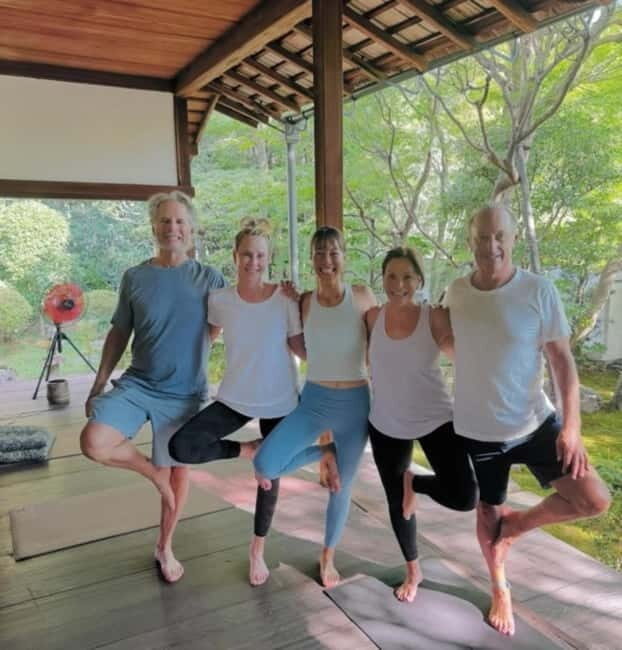
- Yoga session overlooking the garden, with a quiet, respectful pace
- Japanese tea time for questions and cultural context
- Normally non-public temple area access that makes it feel special
- A beginner-friendly structure taught in English by Agasa
Myoshinji Temple: A Quiet Kyoto Escape for Zen and Breath
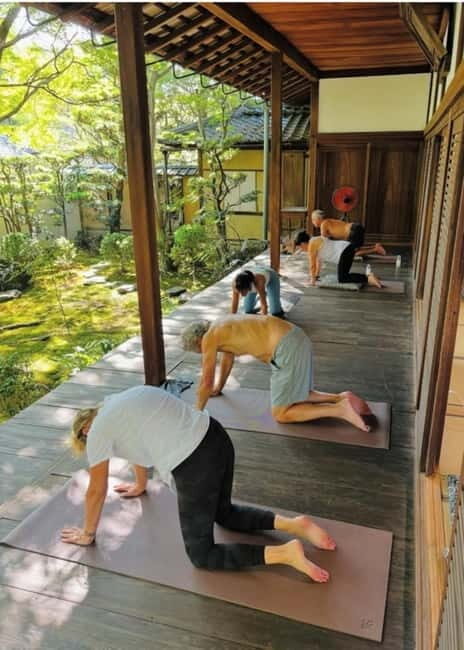
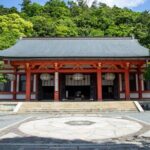
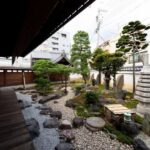
This is a Kyoto experience built around a simple idea: Zen practice doesn’t stay in a classroom. It happens in a place where people have been keeping quiet, paying attention, and living with routine for a long time. Myoshinji is a historic Rinzai Zen temple, and the setting does a lot of work for you.
You’ll be in a normally non-public part of the temple, so it doesn’t feel like a generic stop on a sightseeing route. In the experience notes, the atmosphere is all about small sensory details—birds, leaves, and a gentle breeze—so you’re nudged to slow down instead of rushing.
The session is also only two hours. That matters. You get meaningful practice time without turning your day into a long spiritual marathon. And because it’s a private group, you’re not lost in a crowd.
You can also read our reviews of more tours and experiences in Kyoto.

The Zen Lesson: Learning the Five Key Elements in a Garden Setting
Your tour starts with a guided Zen session at the temple. The focus is Zen and its five key elements, tied directly to the way Japanese gardens reflect Zen thinking. Even if you’ve heard Zen terms before, this is the part where the experience makes them feel usable.
Expect a learning portion that doesn’t stay theoretical. You’ll take part in discussions designed to deepen your understanding, not just listen passively. That’s a big value point for most visitors—Kyoto is full of temples, but not many offer a structured way to connect the symbolism to what you’re experiencing in front of you.
If you’re new, you’ll likely appreciate the beginner-friendly pace. If you already have a meditation practice, you may still like the explanations, but you might want more intensity in the practice itself. One review specifically called out that the teaching and structure are strong for people starting from zero.
Meditation and Discussion Time That Changes How You Watch the Garden
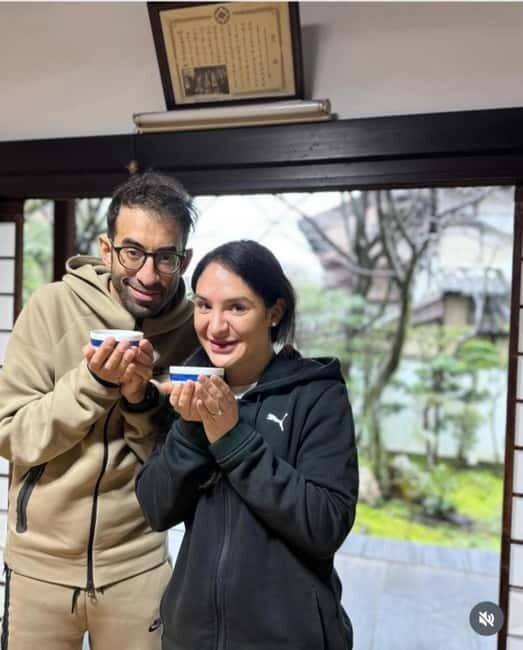
After the initial Zen teaching, the experience continues with discussion and meditation elements. The key here is that the guide isn’t just giving you facts about Zen—you’re practicing a quieter way of being while you talk through it.
That matters because Zen is hard to understand if you treat it like a museum topic. Here, you’re asked to be respectful and quiet, and you’re reminded that participants engage in meditation and discussions. In plain terms: this isn’t the time to multitask, film loudly, or treat it like an activity you can half-follow.
The temple environment also nudges attention outward. You’re not just sitting in silence. You’re noticing the soundscape and the garden relationship that Zen often uses to teach presence. It’s the kind of guided stillness that can recalibrate how you feel in the middle of a busy travel day.
Temple Yoga With Birdsong and Breeze in the Background
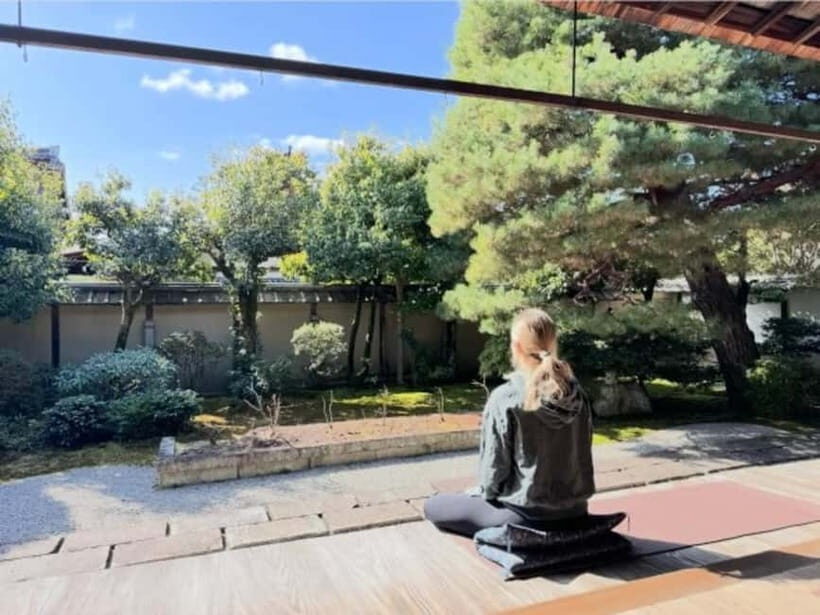
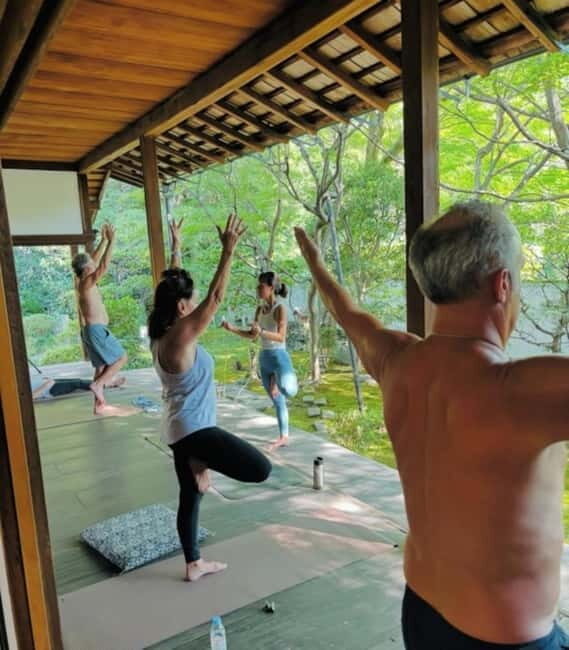
Next comes the yoga session—unique because it happens in a temple setting with a beautiful garden view. This is where the experience becomes more than lecture. The Zen principles are carried into the body through movement, breath, and focus.
The experience notes mention you’ll listen to birdsong, the rustle of leaves, and a gentle breeze while you practice. That’s not a marketing line; it’s practical context for why the session can feel calming. The environment is doing the heavy lifting, so you’re not fighting traffic energy with effort.
What to watch for: this is presented as a peaceful, reflective practice, not a high-intensity workout. One review suggested that for true beginners it feels great, while for experienced practitioners it may feel lighter. So if your yoga routine is usually strenuous or you want deep technical correction, you might find the session more restorative than athletic.
Japanese Tea at the End: Questions, Culture, and Calm
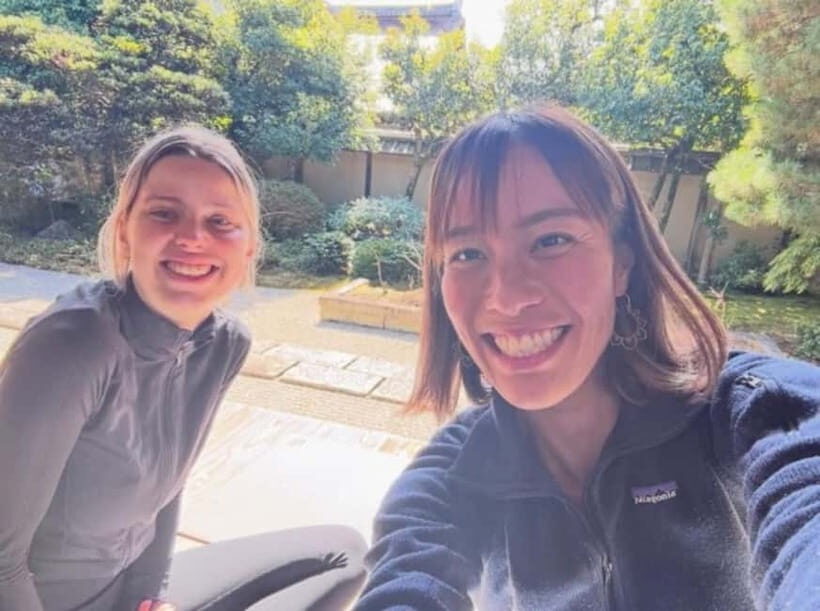
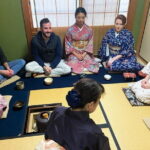
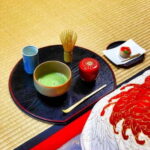
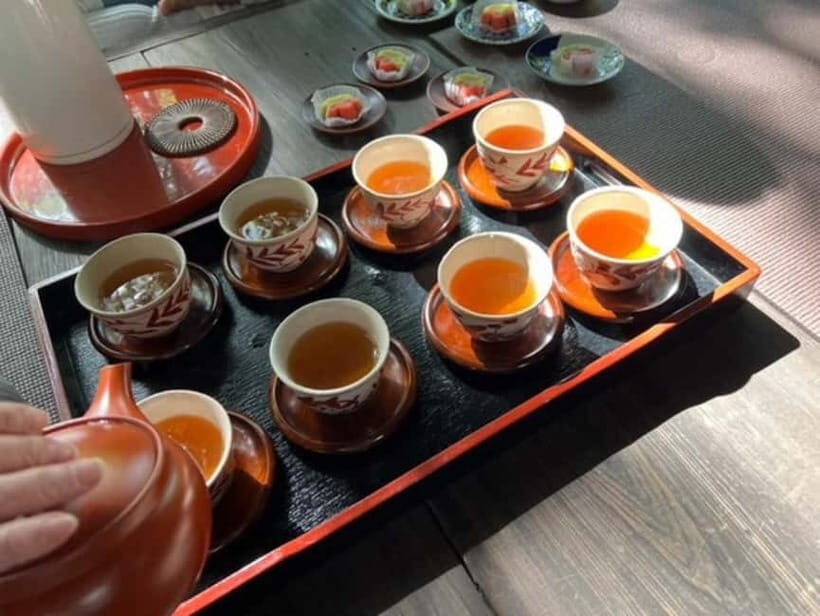
The wrap-up is a Japanese tea session. This is a smart design choice because it gives your brain time to settle after movement and quiet practice. You’re also not rushed out the door. You can ask questions and share cultural insights with others in a calmer social setting.
Tea time is included, and it’s more than a small snack moment. It’s the “translation layer” between practice and understanding. If you felt curious during the Zen teaching or yoga, this is where you can ask, clarify, and make sense of what you experienced.
In a city like Kyoto, it’s easy to feel like you only collect facts. Tea time helps you collect meaning instead—how to interpret what you just did, and how to connect it to Japanese culture respectfully.

What You Get for $96: Admission, Guide Book, and Practice Time
Let’s talk value. The price is listed at $96 per person for 2 hours. That’s not cheap for Kyoto, but the structure is packed: temple admission is included, you get a mini Zen guide book, and both Zen instruction and a yoga session are covered. The tea session is included too.
The strongest value here is not just access to Myoshinji—it’s the guided format. Temple entry alone doesn’t give you Zen teaching, group discussion, or a yoga session in a specific quiet setting. You’re paying for guided interpretation and for practice time with an English instructor.
The mini guide book is also a quiet win. You can use it after the session to review the five key elements without relying on memory. When you’re moving fast between Kyoto sites, having something tangible to revisit can be the difference between a nice moment and a lasting one.
Finding the South Entrance Gate (Not the North One)
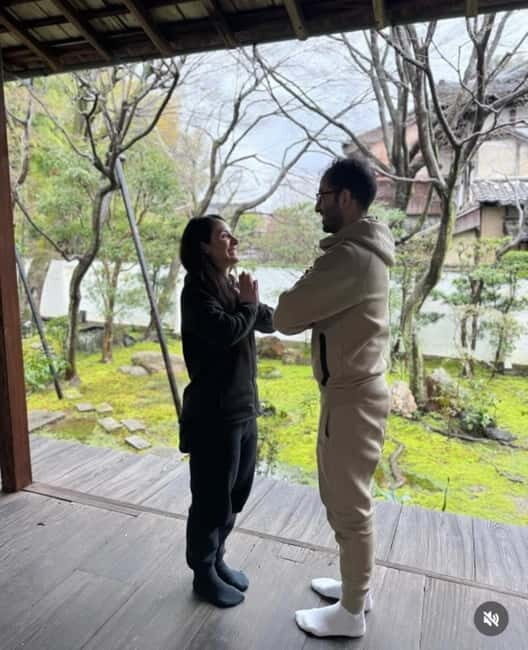
Logistics matter because Kyoto temple complexes can be bigger than they look on a map. Your meeting point is the South Entrance (not the North Entrance). There will be a big gate, and your guide will wait there.
Here’s my practical advice: arrive a few minutes early and confirm you’re at the South side before you text or ask around. If you show up at the wrong entrance, you can easily burn time—then the session starts and you’re already mentally behind.
Because the group is private, you want to get your timing right so you don’t feel awkward trying to catch up. Think of it like class: being early is part of being respectful in a temple setting.
What to Bring and How to Dress for Temple Yoga and Quiet Sitting
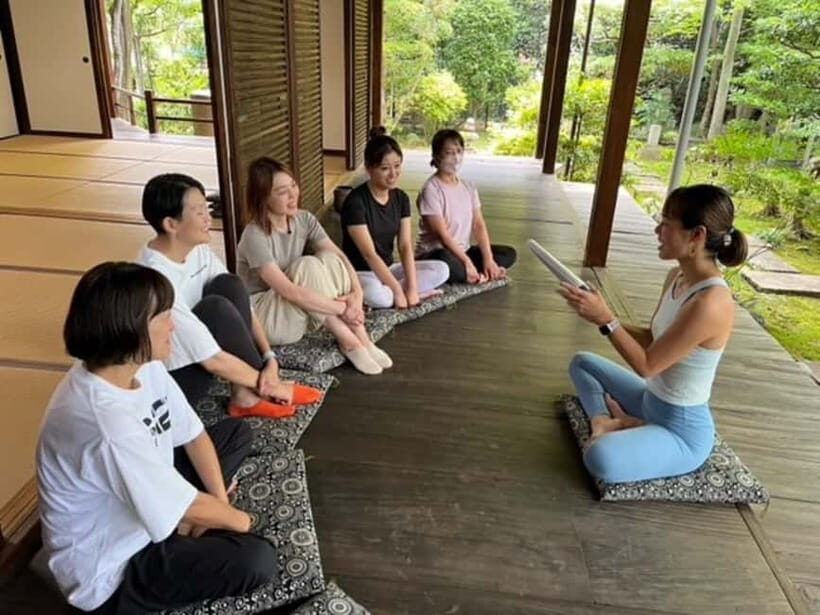
The experience asks for a simple, respectful setup. Bring change of clothes, a towel, water, and comfortable clothes. That’s especially useful because yoga in a quiet setting can involve different pacing than a studio class, and you’ll want to feel good from the first minute.
Also remember: the session includes meditation and discussions. That means you’re not only moving—you’re also sitting quietly. Wear clothing that allows you to sit comfortably and move without fuss.
If you’re visiting Kyoto in warm months, water becomes your best friend. If it’s cooler, your choice of layers can help you stay comfortable during stillness. You’re trying to keep your focus on Zen principles, not on your body being distracted.
Who This 2-Hour Private Group Experience Is Best For
This experience is a strong fit if you want structured introduction, a calm setting, and guided practice rather than just walking through temples on your own. It’s also a good match if you like learning in a gentle way—Zen teaching plus discussion plus tea.
A beginner can feel especially at home. One review described the experience as great for a beginner level “0,” and that aligns with the way the session is structured: explain, discuss, practice, reflect.
It also works well if you travel with curiosity about culture. You’ll learn about Zen’s five key elements, understand how they connect to Japanese gardens, and then close with a tea conversation that encourages questions. That’s a full arc, not a single moment.
Because it’s in English and led by a friendly instructor, it’s also easier to engage than experiences where the teaching is hard to follow.
When It Might Not Be Your Best Fit
Even a great experience isn’t for everyone. This one has clear suitability limits. It’s not recommended for pregnant women, people with heart problems, people with a cold, or people over 70.
And there’s a second, softer fit question. If you already have a meditation and yoga practice, you may find the actual practice level a bit gentle or limited. One review specifically said the experience itself is weaker if you already do meditation and yoga, but that the place and teaching still make it special.
So if you’re looking for intense technique work or a long, structured meditation retreat, you might prefer something longer and more practice-heavy. If you want a guided taste of Zen and yoga in a real temple setting, this hits the target.
Should You Book This Myoshinji Zen and Yoga Session?
I’d book it if you want something calm, guided, and meaningful without taking over your whole day. The mix of Zen teaching on the five key elements, yoga in a garden view temple setting, and tea with questions is a well-built program for first-timers and curious beginners.
I’d skip it if health limits apply or if you’re very experienced and want a tougher training session. The best takeaway is that this is about presence more than athletic achievement.
If your ideal Kyoto day includes quiet moments, respectful stillness, and learning that connects culture to practice, this is a strong choice.
FAQ
How long is the Myoshinji Zen and Yoga experience?
It lasts 2 hours.
Where do I meet for the session?
Meet at the South Entrance (not the North Entrance). The guide will wait at the big gate.
Is the instruction available in English?
Yes, the instructor provides the session in English.
What is included in the price?
The experience includes temple admission, a mini Zen guide book, a Zen session, a yoga session, and a Japanese tea session.
What should I bring?
Bring change of clothes, a towel, water, and comfortable clothes.
Is this visit in a normal public area of the temple?
The tour includes a visit to a normally non-public part of Myoshinji Temple.
Is this experience a private group?
Yes, it is listed as a private group.
Who is this not suitable for?
It is not suitable for pregnant women, people with heart problems, people with a cold, and people over 70.
Can I get a refund if I cancel?
Free cancellation is available up to 24 hours in advance for a full refund.