REVIEW · TOKYO
Asakusa: Kitchen knife store visits after history tour
Book on GetYourGuide →Operated by Arumachi, Inc. · Bookable on GetYourGuide
Asakusa has a knife-shopping soundtrack. You’ll mix Sensō-ji temple sights with a practical walk to Kappabashi Street, then shop with an English guide who knows how to help you compare what stores say versus what you actually need. I love the way the tour gets you to the right places without aimless wandering, and I love that you get guidance you can trust when you’re facing persuasive store talk.
The only real downside is timing: the whole outing is 210 minutes and it runs rain or shine, so if you want unlimited browsing time in one specific shop, you’ll need to budget for that either before or after the tour.
In This Review
- Key points to know before you go
- Getting Oriented in Asakusa: from Azumabashi to the start of the story
- Tokyo’s Asakusa Pier Stop: a quick mindset shift before the temple streets
- Asakusa Culture Tourist Information Center: the shortcut to understanding
- Kaminarimon and Nakamise: timing your feet for food, crowds, and first impressions
- Hōzōmon Gate and Sensō-ji: why the temple stop isn’t just photo time
- Kappabashi Street for kitchen knives: how the guide helps you shop smarter
- What you should focus on while shopping
- Listening tech and group size: the comfort factor that affects the whole day
- Price and value: what $77 buys you on this knife-shopping day
- Rain or shine and the practical reality of walking time
- Who this Asakusa knife-and-history combo is for
- Should You Book This Asakusa Knife Store Visit?
- FAQ
- FAQ
- How long is the Asakusa history and kitchen knife store tour?
- How much does the tour cost?
- What is included in the tour?
- Is hotel pickup or drop-off included?
- Where do I meet the tour guide?
- Does the tour run in bad weather?
- What language is the tour guide?
- Is there a limit on group size?
- What is the cancellation policy?
- Can I reserve and pay later?
Key points to know before you go
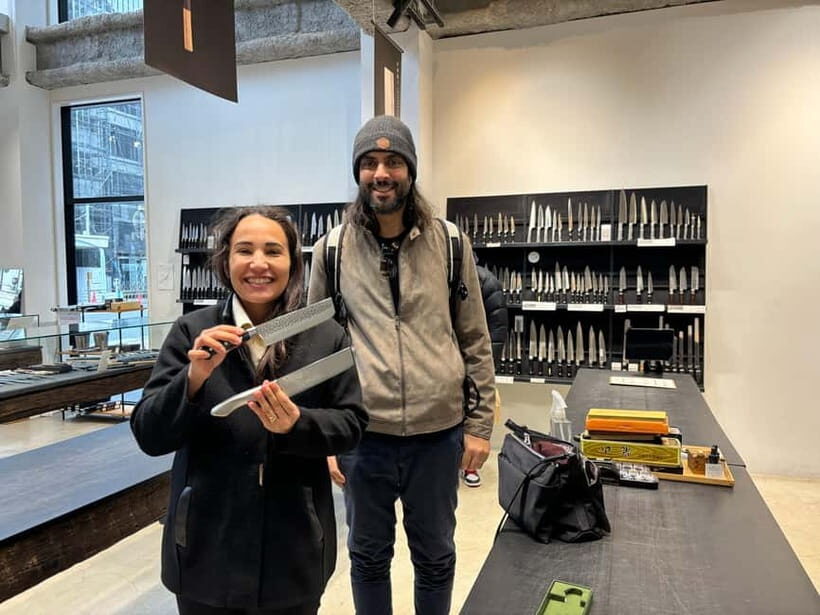
- Small group (up to 8) keeps the shopping portion focused, not chaotic
- Headset audio is included for group sizes of 3+ so you can hear your guide even in crowds
- Senso-ji is included, so you get context in the morning before you spend money on cutlery
- Kappabashi Street is purpose-built for restaurant supplies, with Japanese kitchen knives as the main focus
- Japanese sweet snacks are included, which makes the walking day easier on your energy
- You get a guide-led route designed to help you avoid store-hunting guesswork
Getting Oriented in Asakusa: from Azumabashi to the start of the story
This tour starts right by Asakusa’s transit area at Burger King Asakusa Azumabashi, near Exit 4 of the Asakusa subway station (G19) on the Ginza line. That’s handy. You don’t have to coordinate a hotel pickup, and you can arrive on your own schedule.
Once you’re grouped up, the day flows as a steady walk: small stops for orientation, then famous Asakusa landmarks, then straight into shopping mode. The pacing matters here, because knife shopping is easier when you’re not also trying to figure out where you are or what street is next.
You can also read our reviews of more historical tours in Tokyo
Tokyo’s Asakusa Pier Stop: a quick mindset shift before the temple streets
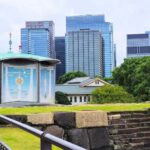
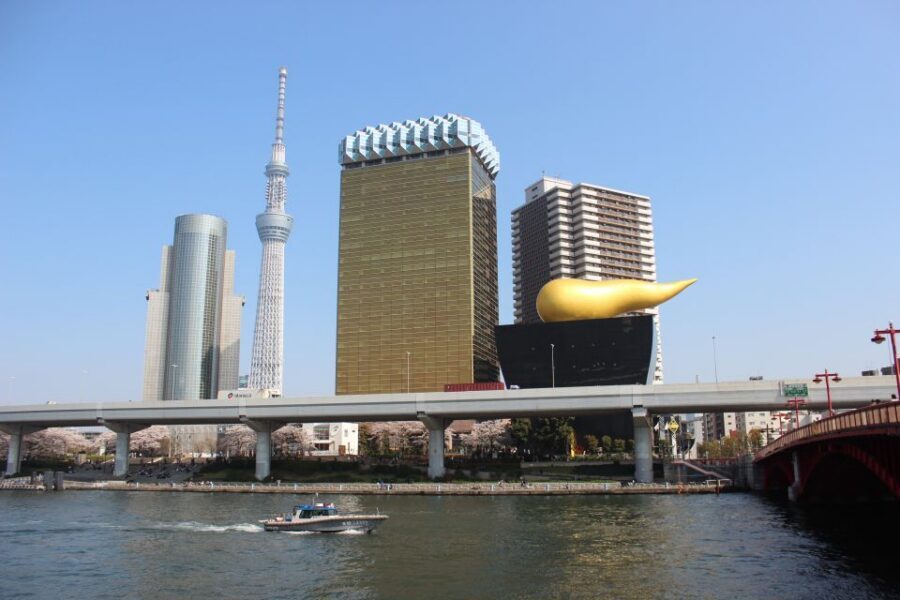
One of the early moments is a stop at Tokyo Cruise Asakusa Pier for guided sightseeing and a short walk. It’s not trying to turn you into a river-boat expert. It’s more like a reset: you start by putting Asakusa into its real setting along the water, then the walking route pulls you toward the old town feel.
Even if you don’t plan to take a cruise, this kind of preface helps you understand why Asakusa grew the way it did and why its market streets still feel like they serve working people. That theme comes back later when you hit Kappabashi, where everything is aimed at cooks and restaurants.
Asakusa Culture Tourist Information Center: the shortcut to understanding
Next is Asakusa Culture Tourist Information Center, another guided stop with a short walk. This is the part I like most when I’m doing a shopping tour that involves craft goods. You’re not just collecting souvenirs. You’re learning how to ask questions and how to spot what you’re actually buying.
The center also helps set expectations for what comes next: you’ll be walking into the big landmark cluster—big gates, big streets, and lots of sales energy. A quick context stop makes the later shopping feel calmer, because you’re not starting from zero.
Kaminarimon and Nakamise: timing your feet for food, crowds, and first impressions
The tour passes Kaminarimon, then continues on to Nakamise Shopping Street. Kaminarimon is the classic gateway moment. It’s also a useful landmark for getting a mental map of the area, since the street system fans out from here.
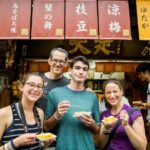
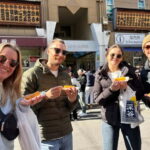
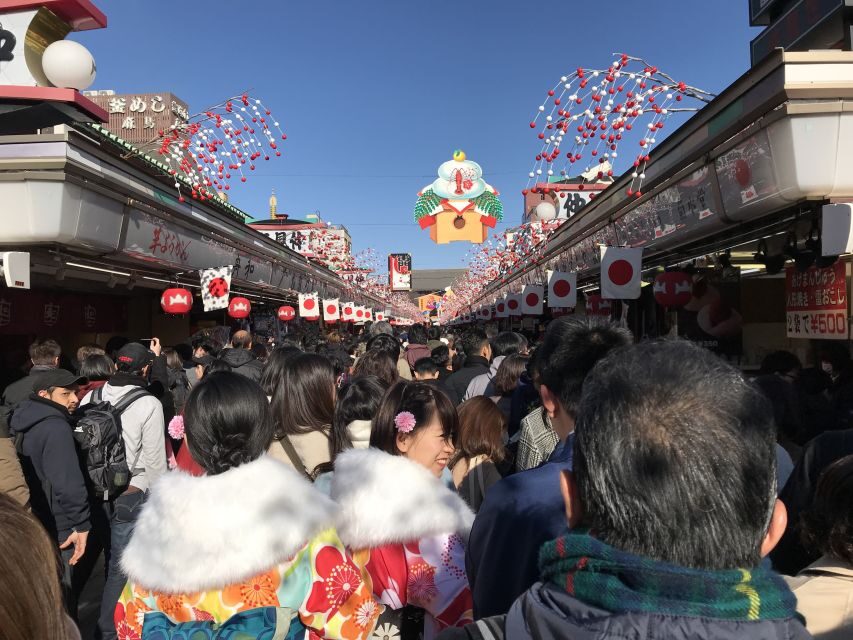
Nakamise is where you start seeing the “market street” side of Asakusa. You’ve got a guided walk there for about 30 minutes, which is long enough to feel the place without feeling trapped. This is also where the tour includes Japanese sweet snacks. It’s a smart inclusion for a day like this, since you’re going to be on your feet again once knife shopping begins.
A practical note: Nakamise can get busy. Going with a small group and a set route helps you keep moving instead of getting slowed down by side stalls and lineups.
Hōzōmon Gate and Sensō-ji: why the temple stop isn’t just photo time
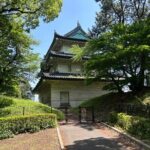
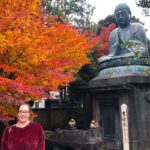
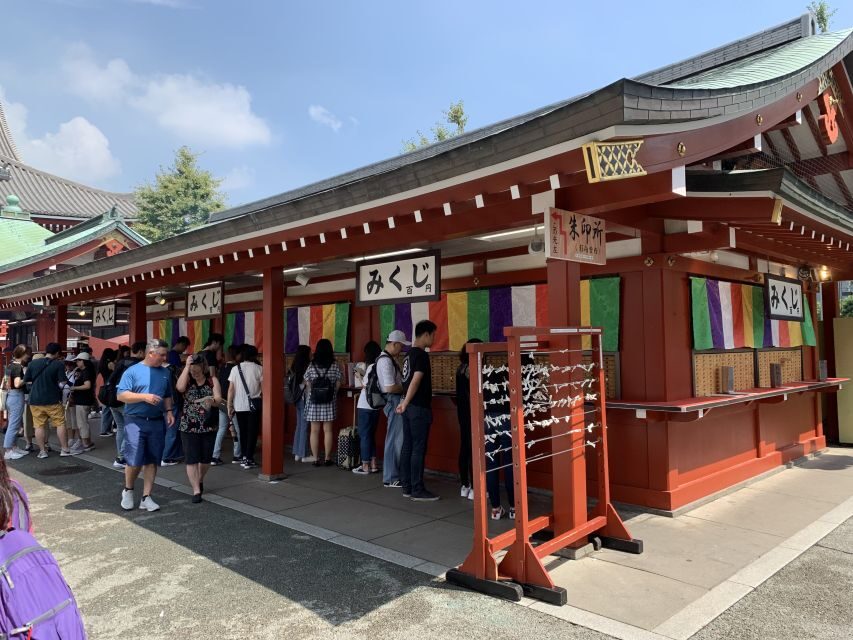
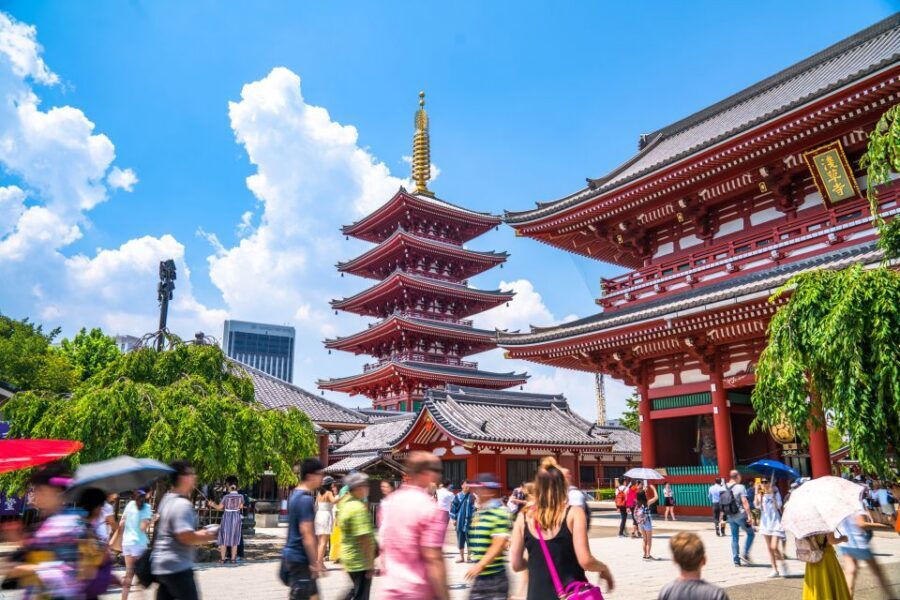
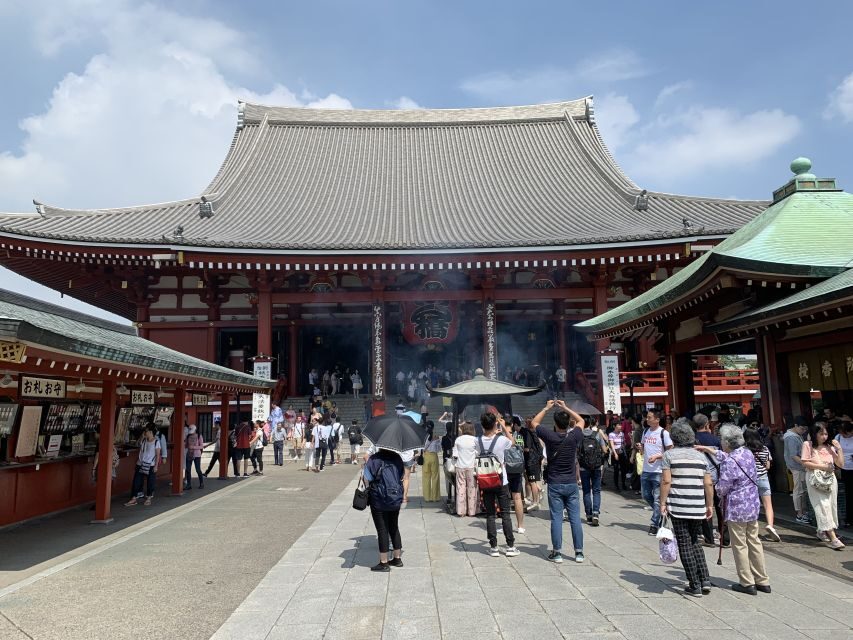
You’ll walk through the Hōzōmon Gate, then reach Sensō-ji Temple, listed as part of the guided segment. This is more than a scenic break. It’s the anchor for the whole Asakusa story, and it’s timed well before you hit Kappabashi.
When you’re shopping for kitchen knives, it helps to remember that many Japanese crafts are tightly linked to daily life: cutting, cooking, feeding people, preparing for work. Sensō-ji gives you that cultural grounding so the later shopping doesn’t feel random or purely commercial.
If you’re the type who likes to understand what you’re looking at before you start spending, this temple segment is a big value-add. And if you’re only here for the knives, it still gives you a reason to linger in a meaningful way—rather than racing through another sightseeing checklist.
You can also read our reviews of more shopping tours in Tokyo

Kappabashi Street for kitchen knives: how the guide helps you shop smarter
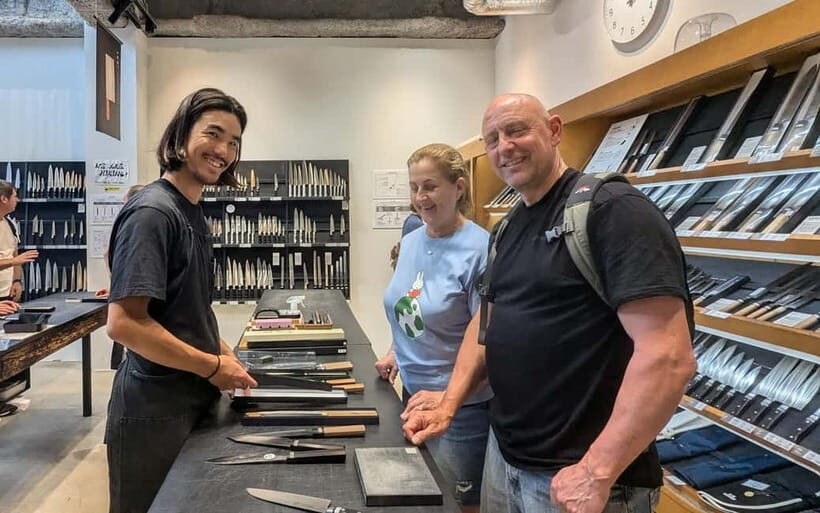
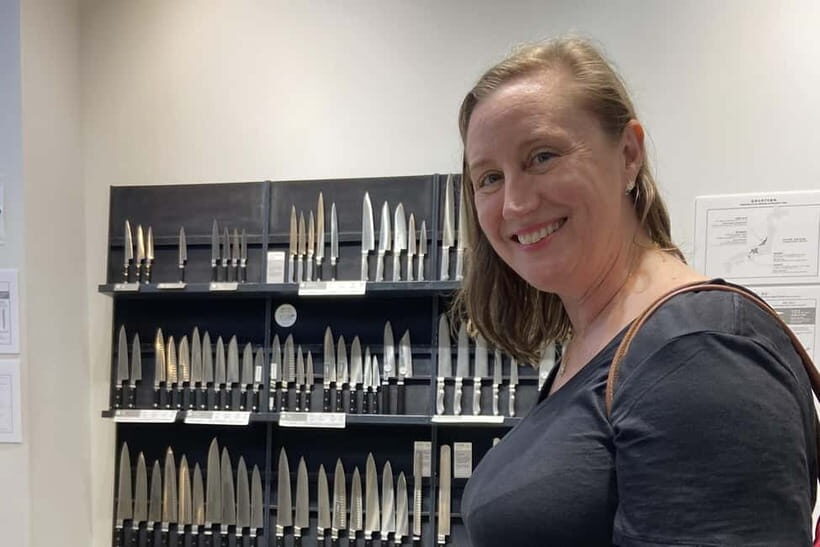
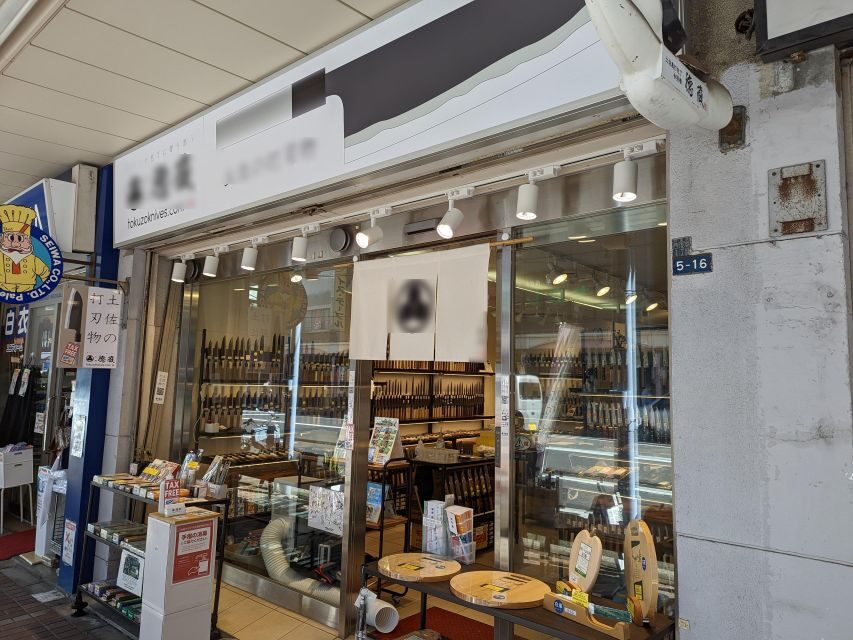
After the history portion, you head to Kappabashi Street near Asakusa. This is where the tour turns from sightseeing to shopping. Kappabashi is described as a long line of stores supplying restaurant operators with essentially everything they need, and Japanese kitchen knives are the mainstay.
Here’s why this portion is worth doing with a guide: you’re not just wandering from shop to shop hoping you’ll find what you want. The route is designed to bring you to stores with solid lineups, so your chances of finding a knife you genuinely came for improve fast.
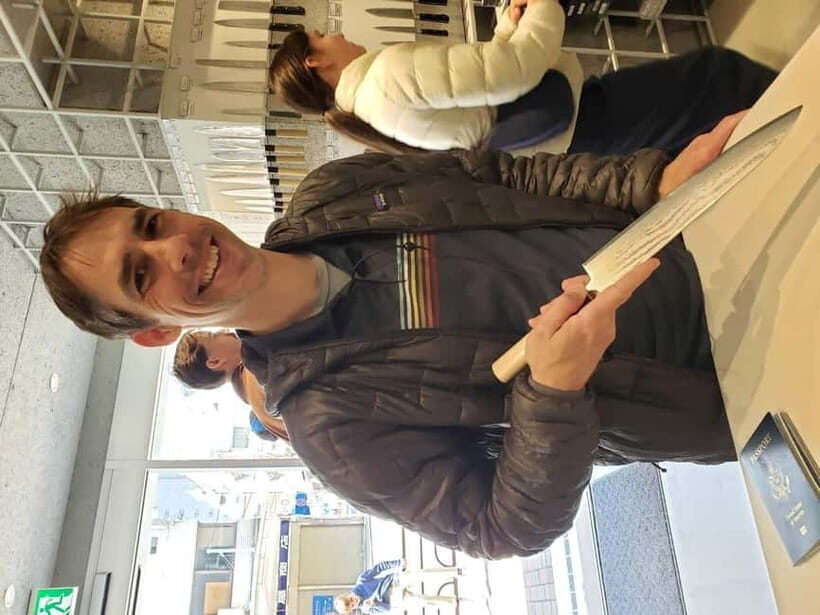
You’ll also benefit from the guide’s approach to store talk. The tour is set up so you get candid, neutral guidance while clerks do their best persuasive pitching. That changes the whole shopping dynamic. You can ask practical questions, compare options, and avoid getting swept into a one-sided sales pitch just because the pitch sounds confident.
What you should focus on while shopping
Your best move is to shop with a goal. Even a simple one like deciding between a general-purpose chef’s style knife versus something more specialized will help the guide help you faster. Ask questions about what the knife is meant for, and pay attention to how the store clerk answers when the guide is also pushing for clear comparisons.
Also think about what you’ll do with it after you buy. A knife is not just a purchase; it’s a future habit. If you want it as a travel memory you’ll display, aim for comfort in handling. If you want to actually cook with it, aim for a knife that fits how you cook at home.
Listening tech and group size: the comfort factor that affects the whole day
This is a small group tour limited to 8 participants, which matters more than people expect. You don’t get that feeling of being rushed as a crowd shuffles past the next landmark.
For groups of three or more, you get an earphone guide system so you can hear from a distance. That’s a real quality-of-life upgrade in Asakusa, where streets get loud quickly and guides can’t always talk over foot traffic. Clear audio also means you don’t miss the explanations that make the shopping portion make sense.
If you’ve ever done a city tour and spent the whole time wishing you could hear, this headset setup is a big deal.
Price and value: what $77 buys you on this knife-shopping day
At $77 per person for about 210 minutes, the price lands in the “you’re paying for guidance” category, not the “you’re paying for transportation” category. There’s no hotel pickup included, so you’re expected to meet the group near transit.
What you do get is the core value:
- An English-speaking guide
- Guided sightseeing in Asakusa, including Sensō-ji
- A directed walk into Kappabashi Street where knives and restaurant supplies are the focus
- Japanese sweet snacks included
- Headset audio when the group is at least 3 people
I see this as good value if you care about knives but don’t want the hassle of researching where to go first. You’re also paying for the guide’s ability to handle the push-and-pull of store selling. That’s the part that saves you time and reduces buyer’s remorse.
Rain or shine and the practical reality of walking time
The tour runs rain or shine, so you’ll want to show up ready to walk. Since it’s about three and a half hours total, your best strategy is to wear comfortable shoes and keep your shopping intentions realistic.
Also, since the meeting point is fixed at Burger King by the subway exit, you’ll want to build a little buffer into your arrival time so you don’t feel rushed. This is the kind of tour where being a few minutes early helps you settle in and get oriented before walking starts.
Who this Asakusa knife-and-history combo is for
This tour fits best if you want the best of both worlds:
- You care about Japanese kitchen knives enough to shop with guidance
- You also want a proper Asakusa history and landmark segment before spending money
- You’d rather trust a route than freestyle your own store-hunting
It’s also a good option if you’re traveling solo or with a small group and you don’t want to spend your day chasing the right streets. With a limit of 8 participants, you’ll get more attention than you would on bigger group tours.
On the other hand, if you already know exactly which knife you want and you’re planning to buy quickly in one store only, you might feel like the schedule doesn’t give you enough freedom. In that case, consider using the tour for orientation and then doing additional targeted shopping afterward.
Should You Book This Asakusa Knife Store Visit?
Book it if you want a guided day that turns Asakusa landmarks into real shopping confidence. The combination of Sensō-ji context, Kappabashi Street focus, headset audio, and an English guide who can help you compare knives while staying neutral is the sweet spot here.
Skip it only if you’re allergic to set schedules or you need unlimited browsing time inside a single store. For most people who want to come home with a meaningful kitchen upgrade, this is a smart, time-efficient way to do it.
FAQ
FAQ
How long is the Asakusa history and kitchen knife store tour?
The tour duration is 210 minutes.
How much does the tour cost?
The price is $77 per person.
What is included in the tour?
It includes an English-speaking certified guide, headset audio for groups of 3 or more, and a selection of Japanese sweet snacks. The tour also includes guided sightseeing and the Kappabashi Street shopping portion.
Is hotel pickup or drop-off included?
No. Hotel pickup or drop-off is not included.
Where do I meet the tour guide?
Meet in front of Burger King Asakusa Azumabashi, next to Exit 4 of Asakusa subway station (G19) on the Ginza line.
Does the tour run in bad weather?
Yes. The tour takes place rain or shine.
What language is the tour guide?
The tour is in English.
Is there a limit on group size?
Yes. It’s a small group limited to 8 participants.
What is the cancellation policy?
Free cancellation is available up to 24 hours in advance for a full refund.
Can I reserve and pay later?
Yes. The tour offers reserve now & pay later.