REVIEW · OSAKA
Experience Cooking Takoyaki in its Birthplace, Osaka
Book on Viator →Operated by タコヤキづくり体験 · Bookable on Viator
Watching takoyaki cook is oddly satisfying. This class at 369 Kitchen Studio turns a street-food habit into a real technique lesson, and I especially liked the patient instruction from Zen and Lisa (and sometimes Masa and Risa) plus the hands-on use of a rotating takoyaki machine. You’ll also get to make it your way with octopus-optional fillings like cheese and crab sticks, then eat your batch hot with a toothpick. One thing to consider: this experience needs good weather, and the group is small (up to 12), so you’ll want to show up on time and be ready to cook in close quarters.
Osaka is the birthplace of takoyaki, and this format makes that fact feel practical instead of theoretical. You’re not just buying a snack; you’re joining the Osaka tradition locals actually do at home—gathering with family or friends, cooking a few dozen at a time, and treating it like a mini food party.
The class runs about 2 hours, and the cooking part takes roughly 20 minutes. You’ll learn how to get that familiar contrast—crispy outside, soft inside—while you rotate each ball in the special mold machine. Add Ramune (that bottled soda with the glass ball), and you’ve got a very “Japan, right now” pairing.
In This Review
- Key Things You’ll Notice in This Takoyaki Class
- Why Osaka Takoyaki Feels Different When You Cook It
- 369 Kitchen Studio: The Practical Start in Umeda
- The 2-Hour Flow: From Batter to Hot Toothpick Bites
- The Rotating Machine: The Skill You Actually Take Home
- Fillings: Octopus Isn’t the Only Option
- Ramune Pairing: The Bottle-Glass Detail Matters
- Teachers Who Chat While You Cook (That Helps)
- Price and Value: Is $42.35 Worth It?
- Who Should Book This Takoyaki Class
- Quick Tips Before You Go
- Should You Book This Osaka Takoyaki Cooking Experience?
- FAQ
- How long is the takoyaki cooking experience?
- Where does the experience start?
- What is included in the experience?
- What makes the cooking method special here?
- How much time does it take to cook the takoyaki?
- Are there fillings other than octopus?
- Is there a limit on group size?
- What ticket type do I receive?
- What if plans change—can I cancel?
- Does the experience have any weather requirements?
Key Things You’ll Notice in This Takoyaki Class
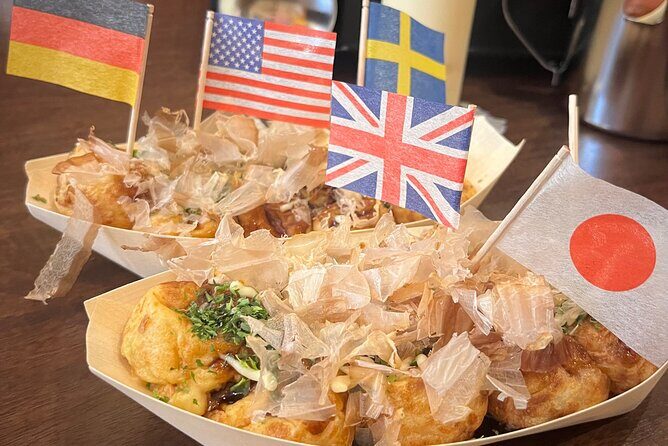
- You use a special rotating takoyaki machine, not just stovetop guessing
- Instructors like Zen and Lisa (and Masa and Risa) teach step-by-step, including tips and tricks
- Octopus is optional, so you can build fillings around your taste (cheese and crab sticks are available)
- Freshly made, hot takoyaki is part of the deal, plus toothpick eating like locals
- Ramune comes with your meal, including the classic glass-ball bottle design
- Small group size (max 12) keeps it interactive, even for first-timers and kids
Why Osaka Takoyaki Feels Different When You Cook It
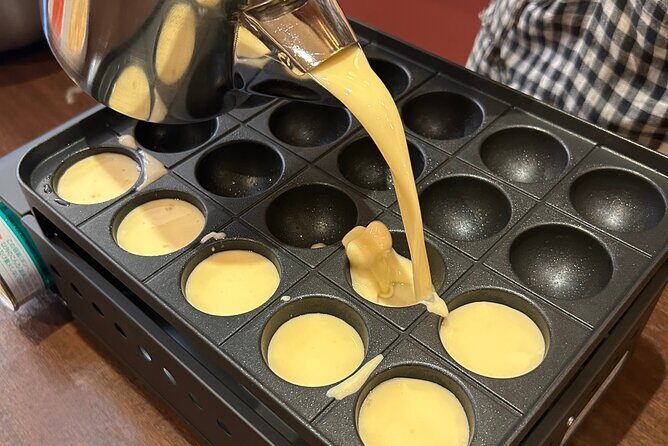
Takoyaki is one of those foods that tourists line up for, but Osaka locals treat it like comfort food you can make together. The fun is not just the flavor—it’s the rhythm: pour, fill, flip/rotate, then wait for that crispy outside to form while the inside stays tender.
This experience leans hard into that home-kitchen spirit. The class is built around the idea that the filling doesn’t have to be octopus, and you’re encouraged to make original combinations. That matters because once you understand the technique, you stop thinking of takoyaki as a fixed recipe and start seeing it as a template.
You can also read our reviews of more cooking classes in Osaka
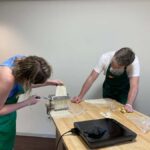
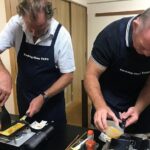
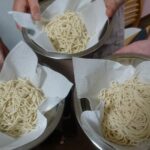
369 Kitchen Studio: The Practical Start in Umeda
You’ll meet at 巽住宅 梅田ビル, Sonezakishinchi in Kita Ward, Osaka (Japan, 〒530-0002 Osaka, Kita Ward, Sonezakishinchi, 2-chōme−1−13). The good news: the meeting point is described as near public transportation, so you’re not stuck figuring out complicated last-mile directions.
I also like that this experience ends back at the meeting point. That saves you from the usual end-of-tour scramble where you’re suddenly on your own. Since it’s about 2 hours, you can fit it into a food day without it turning into an all-day project.
One small logistics tip: follow the directions you receive closely. In past sessions, people have noted detailed ways to find the classroom fast, even on a first visit to Osaka. If you arrive a little early, you’ll spend less time wondering and more time prepping your fillings.
The 2-Hour Flow: From Batter to Hot Toothpick Bites
The schedule is simple, which is a compliment in Japan. You’re there to cook and eat, not to tour around for hours.
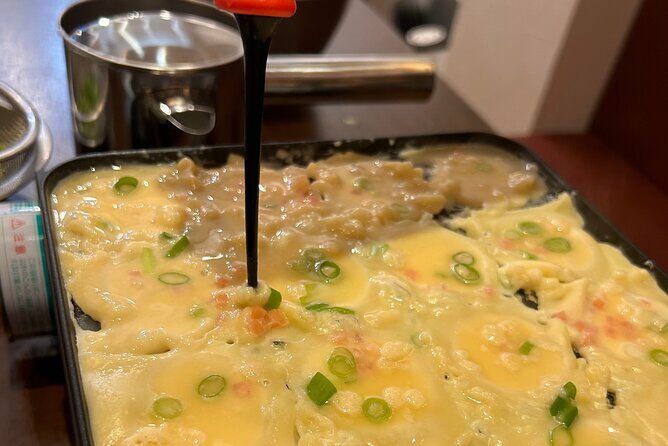
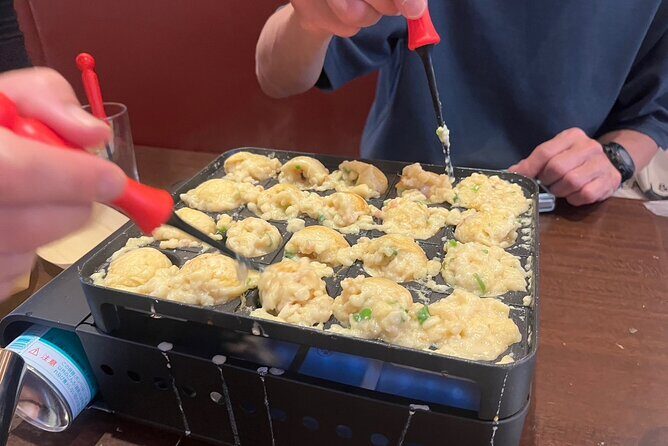
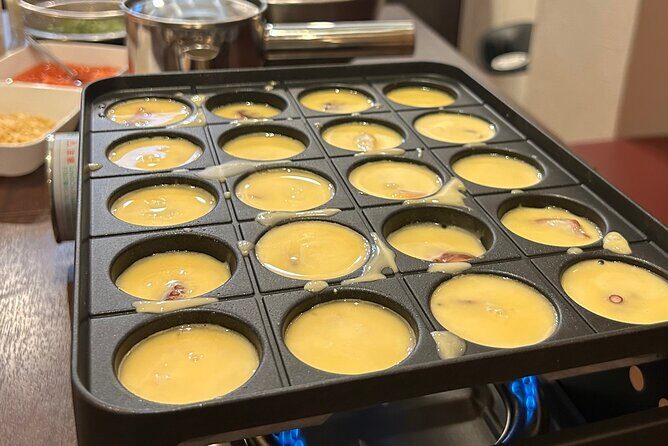
First, you’ll get taught how to use the takoyaki machine. This is the heart of the class: a special mold designed to cook takoyaki while you rotate the pieces. The machine is the difference between casual snacks and the right texture—crispy edges with a soft center.
Then, you cook in about 20 minutes once you’re underway. The goal is to produce takoyaki that’s crisp outside and soft inside, the exact texture Osaka’s known for. You’ll handle the timing and flipping/rotating steps as part of the learning process, so you’re not just watching.
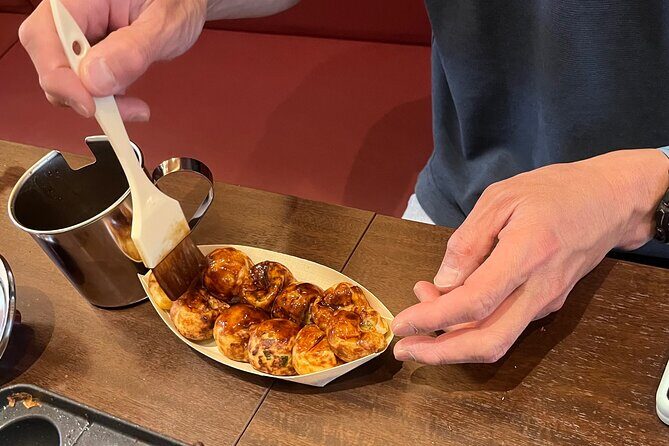
Finally, you eat the freshly made takoyaki while it’s hot. It’s meant to be picked up with a toothpick, which keeps things light and snackable—even if you’re making a whole batch. For me, that last step is where technique clicks. When you taste your own output, you instantly understand why the teachers stress certain points.
The Rotating Machine: The Skill You Actually Take Home
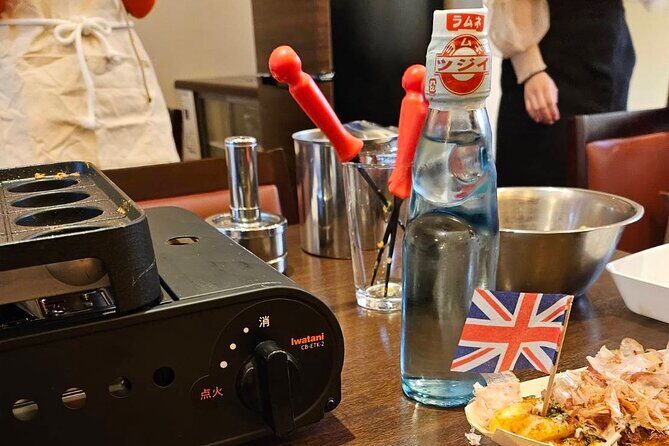
Most takoyaki you buy is quick, packaged by someone else’s expertise. Here, you learn why takoyaki becomes what it is: the batter sets in the mold, the rotation helps cook the outside evenly, and the flipping timing affects whether you get that crispy shell without overcooking the inside.
The instructors are described as very practiced and patient, and that shows in the way the class is run. People have specifically praised the teachers for taking you through the process well and sharing tips and tricks to hone your technique. That’s exactly what you want in a hands-on cooking class: not just steps, but practical fixes when something looks off.
If you’re the type who likes to know the why, this format is useful. You can’t fake the result with takoyaki. If the temperature or timing is off, the outside won’t crisp the same way, and the inside texture won’t land where you want it.
Fillings: Octopus Isn’t the Only Option
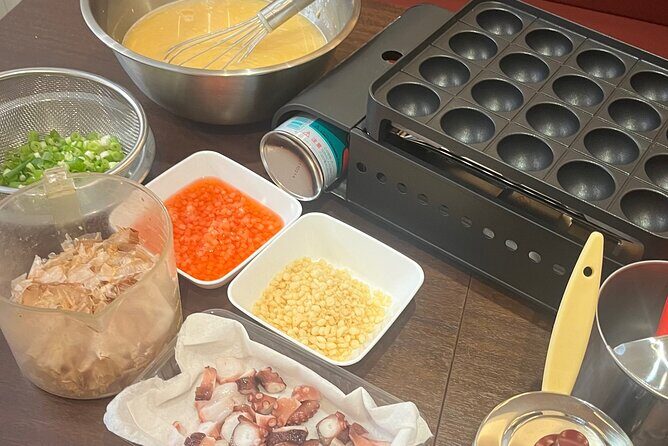
Takoyaki is famous for octopus, but this class makes that optional. That’s not a gimmick—it’s practical. The teachers provide ingredients like cheese and crab sticks, and they encourage you to load your takoyaki with your favorite fillings.
This is a smart way to keep a mixed group happy. If someone in your group loves seafood and someone else doesn’t, you still get the same cooking process with different center choices. One review even highlighted that the class was accommodating for a vegetarian, which is a useful sign if you’re planning around dietary needs.
What I like most: you’re not trapped with one flavor identity. Osaka’s “food culture” angle here is that takoyaki is social and customizable. You can make a few batches with different fillings and treat it like a tasting flight.
Practical caution: fillings affect how the balls behave in the mold. If you choose something with a lot of moisture or strong shrinkage, you might find the texture changes. That’s not bad—it’s part of learning what works with what you like.




Ramune Pairing: The Bottle-Glass Detail Matters
Takoyaki is the main event, but Ramune makes it feel like a real Osaka food moment rather than just cooking food.
Ramune is described as a traditional Japanese carbonated drink with a glass ball inside the bottle. That glass-ball detail isn’t decoration; it’s part of the drink ritual and one of those small things that makes the meal feel special without adding complexity.
You’ll have Ramune alongside your takoyaki, which is a clean pairing: hot savory snacks plus a fizzy sweet-tang soda. If you like food pairings, this one is easy to recreate later. Once you’ve had it with freshly cooked takoyaki, it’s hard to go back to plain water with fried batter snacks.
Teachers Who Chat While You Cook (That Helps)
Cooking classes can feel stiff if the instructor is all lecture. Here, multiple reviews mention that the teachers are great for conversation while you cook. That might sound minor, but it changes the mood. You’ll feel like you’re learning with people, not being processed.
People specifically praised the instructors by name—Zen and Lisa in some sessions, and Masa and Risa in others. The recurring theme is patience and clear instruction, including tips and tricks to improve your results.
I’d treat that as your cue to ask questions. If you’re unsure about the flipping/rotation timing or what filling will behave best, ask. A good takoyaki teacher doesn’t just want you to succeed; they want you to understand how you’ll do it next time.
Price and Value: Is $42.35 Worth It?
At $42.35 per person for about 2 hours, you’re paying for a true hands-on cooking moment: instruction, ingredients, use of the takoyaki machine, and the meal portion (hot takoyaki plus Ramune).
In value terms, the price makes sense because you’re not paying for a generic tasting. You’re learning a skill and leaving with memories that are hard to replace. It’s also a small group experience (max 12), which usually means less waiting and more time actually cooking.
Could you eat takoyaki cheaper on the street? Sure. But that’s not the point of this activity. The value is in making your own batch that you can later describe like a local habit—plus learning technique so you understand what makes the best takoyaki better.
If you’re on a tight schedule, consider the 2-hour time block. It’s long enough to matter, short enough to fit into a normal Osaka day.
Who Should Book This Takoyaki Class
This is a great fit if:
- You want a first-time friendly Osaka experience that doesn’t require any cooking background
- You like food that you can customize and experiment with
- You’re traveling with family, since the class is described as safe enough even for small children
- You’d enjoy an instructor-led lesson with room for conversation
It’s especially good for people who love Osaka street food but want something more memorable than standing in line. And if you’re traveling as a vegetarian, you might find it reassuring that one review noted the class was accommodating.
If you’re the type who hates kitchens and wants a pure eating experience, then a cooking class might feel like work. But if you enjoy hands-on fun—even messy, hot batter kinds of fun—this is right up your alley.
Quick Tips Before You Go
Here’s how to get the most out of your session:
- Come a few minutes early so you’re calm before cooking starts
- Bring your appetite for hot food and fizzy soda
- Expect to use a toothpick to eat your finished takoyaki
- Don’t overthink the filling choices—cheese and crab sticks are offered, and octopus is optional
- Ask questions about the technique; that’s where the “I can make this again” feeling comes from
The best cooking classes don’t just hand you a result. They teach you enough to repeat it.
Should You Book This Osaka Takoyaki Cooking Experience?
I recommend booking it if you want a true Osaka food moment with real technique and a social, hands-on vibe. The combination of a rotating takoyaki machine, patient instruction from named teachers like Zen and Lisa, and the chance to personalize fillings makes it more than a one-bite novelty.
Book it sooner rather than later if your schedule is fixed—on average, this one is booked about 15 days in advance. And remember the weather note: if conditions are poor, you might be offered a different date or a full refund.
If your goal is to taste takoyaki only, you can find it everywhere. But if your goal is to learn how takoyaki is made in its birthplace—and leave with something you can replicate—this class earns its place on your Osaka list.
FAQ
How long is the takoyaki cooking experience?
It’s approximately 2 hours, including the cooking and eating time.
Where does the experience start?
The meeting point is at 巽住宅 梅田ビル in Sonezakishinchi, Kita Ward, Osaka (Japan, 〒530-0002 Osaka, Kita Ward, Sonezakishinchi, 2-chōme−1−13).
What is included in the experience?
You’ll make and eat takoyaki (octopus is optional), and you’ll also have Ramune with your takoyaki.
What makes the cooking method special here?
The class uses a special takoyaki machine that cooks the takoyaki while rotating it.
How much time does it take to cook the takoyaki?
Once you’re cooking, the takoyaki is ready in about 20 minutes, with a crispy exterior and soft texture inside.
Are there fillings other than octopus?
Yes. You can add your favorite fillings, and cheese and crab sticks are provided.
Is there a limit on group size?
Yes, the maximum group size is 12 travelers.
What ticket type do I receive?
You’ll receive a mobile ticket.
What if plans change—can I cancel?
Free cancellation is available. You can cancel up to 24 hours in advance for a full refund. If you cancel less than 24 hours before the start time, the amount paid is not refunded.
Does the experience have any weather requirements?
Yes. It requires good weather. If it’s canceled due to poor weather, you’ll be offered a different date or a full refund.