REVIEW · NAGOYA
From Nagoya: Inuyama Castle, Ena Gorge, Magome, Tsumago Tour
Book on GetYourGuide →Operated by 株式会社KKT · Bookable on GetYourGuide
Kiso Valley in one long day. This bus tour from Nagoya strings together Inuyama Castle, Ena Gorge, and the historic post towns of Magome and Tsumago. I especially like two things: the castle details you do not usually get on quick photo stops, and the time you’re given to wander the old streets on your own pace in Magome and Tsumago.
One possible drawback: the tour runs in Japanese and Chinese, so if you rely on English only, you’ll want to pay close attention to the guide and any audio support during the day.
In This Review
- Key Highlights Worth Your Time
- Nagoya Departure: How the Day Actually Runs
- Inuyama Castle: A Hilltop Fortress With Underground Levels
- Ena Gorge: Strange Rocks Shaped by a Dam and Erosion
- Magome-juku: Stone Pavements, Shops, and Edo-Era Details
- Tsumago-juku: A Slow Walk on the Preserved Post Road
- Price and Value: Is $60 a Good Deal?
- Comfort Tips: Shoes, Cash, and Weather-Ready Planning
- Who Should Book This Day Trip
- Should You Book This Tour?
- FAQ
- Where is the meeting point?
- How long is the tour?
- What’s included in the price?
- Is lunch included?
- What languages does the tour use?
- What should I bring with me?
- Do I need to arrive early?
- How much time do I get at Magome-juku and Tsumago-juku?
- What is the cancellation policy?
Key Highlights Worth Your Time
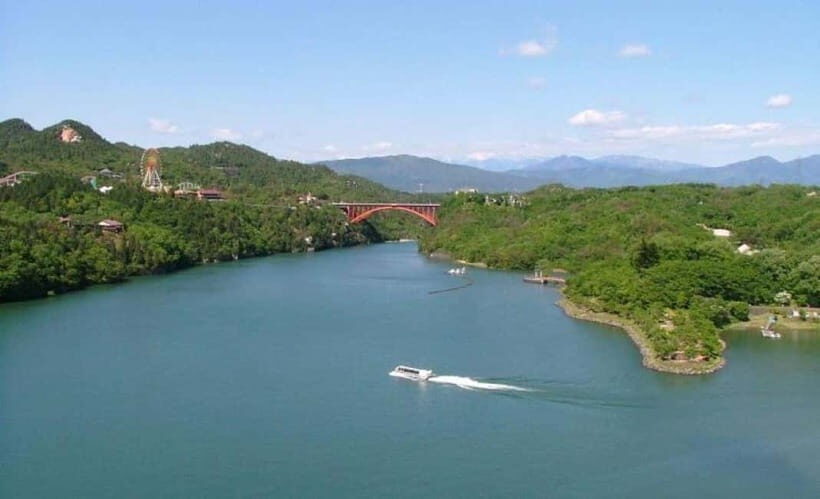
- Inuyama Castle’s rare layout: 3 floors outside, 4 floors inside, plus 2 floors underground.
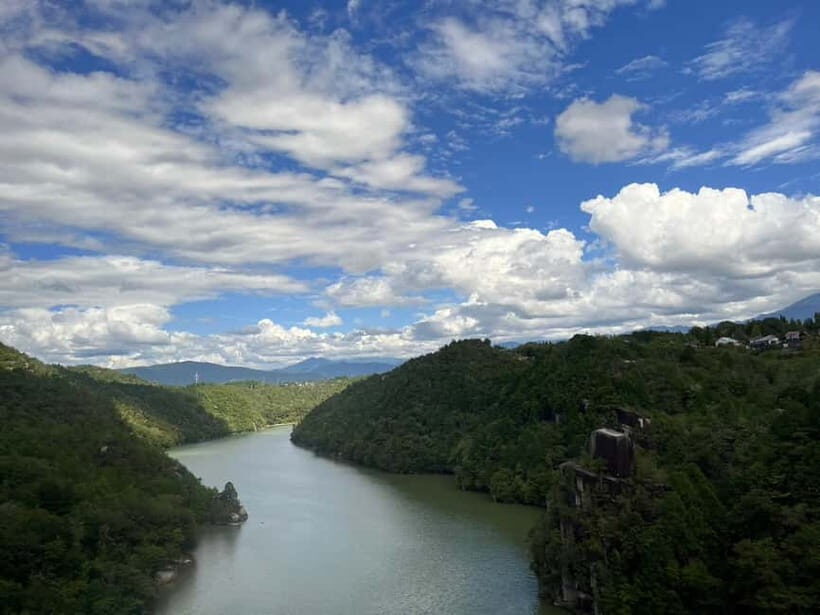
- Ena Gorge made by engineering: Oi Dam created the lake-canyon feel, then erosion shaped the rocks.
- Umbrella Rock and other strange formations: a protected area that’s easier to appreciate with a guide’s explanations.
- Magome-juku’s stone streets and preserved water features: wells and waterwheels from the Edo era are still there.
- Tsumago-juku as a walk-first town: the post-road between towns is popular for hiking and has Michelin Green Guide recognition.
- Nagoya logistics that cut stress: roundtrip transportation from Nagoya Station West Exit, with a clear meeting spot.
Nagoya Departure: How the Day Actually Runs
This is a 10-hour day trip built around one big idea: save yourself from figuring out multiple transfers between mountain towns. You depart from Nagoya Station and spend most of the day moving by bus between the four main stops: Inuyama Castle, Ena Gorge, Magome-juku, then Tsumago-juku.
The meeting point is very specific. It’s at the BIC CAMERA at Nagoya Station West Exit, and the Ministop convenience store is behind it. I’d treat that as your “get there early” cue. Arrive about 10 minutes before departure, not right on time. That helps you avoid stress, especially if you need to buy water or a snack.
Also, bring the mindset that this is a bus-tour rhythm. You’ll have guided time and walking time, but you are not in full control of the schedule. The payoff is that you avoid long planning headaches for the Kiso Valley route.
One more practical note: since the tour is in Japanese and Chinese, don’t expect every detail to be translated line-by-line. What you will get is a guide who helps keep the day understandable—timing, where to look, and what each stop is about.
You can also read our reviews of more tours and experiences in Nagoya.


Inuyama Castle: A Hilltop Fortress With Underground Levels
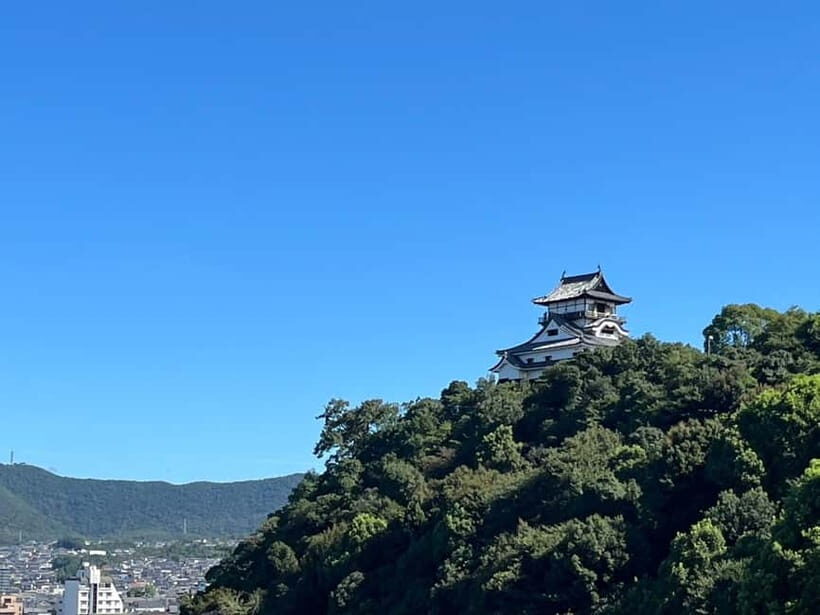
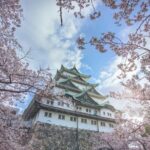
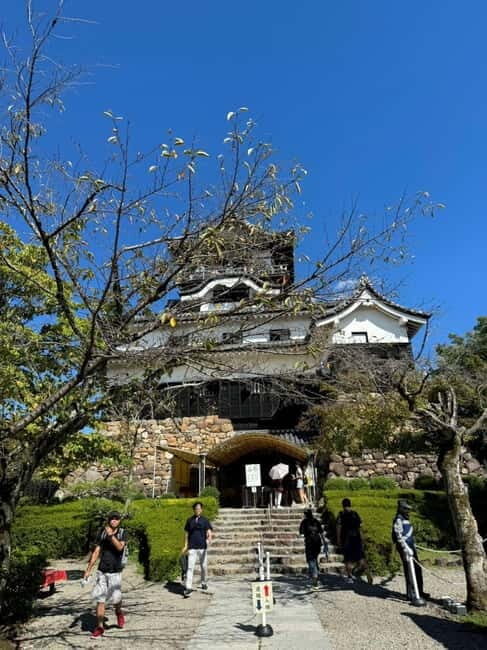
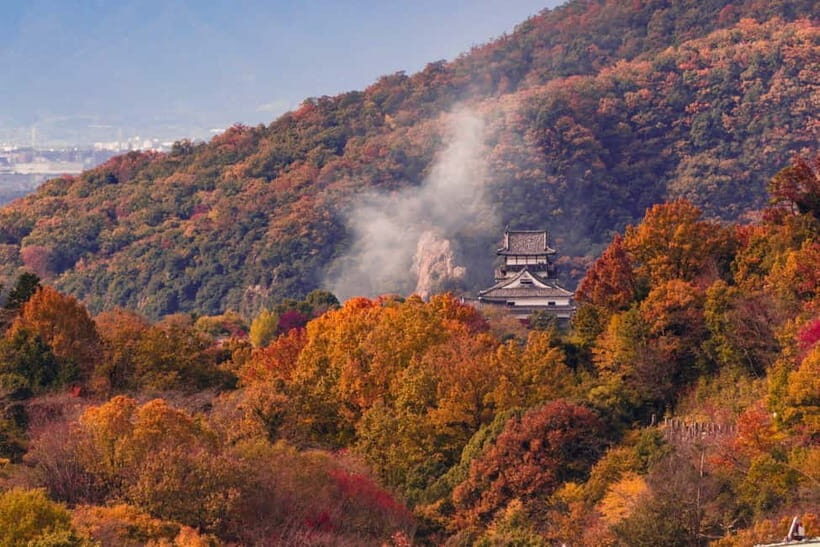
Inuyama Castle is the kind of place that changes how you think about Japan’s castle towers. It sits on a hill next to the Kiso River, and it’s also called Baidi Castle. The name connects to a famous poem by Li Bai—an extra layer of meaning that makes the visit feel more than just architectural sightseeing.
This castle matters for two reasons:
- It’s one of the twelve ancient castle towers in Japan, so the vibe is older and more grounded than castles rebuilt in modern times.
- It’s grouped with the big-name “national treasure” castles in Japan—alongside Himeji, Matsumoto, and Hikone.
Now for the structure that makes Inuyama Castle special even if you’re not a castle-nerd. The outside has 3 floors, the inside has 4 floors, and there are 2 floors underground. That underground component is rare in Japanese castles, and it’s exactly the kind of detail I like knowing ahead of time. You’ll notice how the building works as you move through it, not just admire views from one angle.
The tour includes admission for Inuyama Castle First Avenue, so you’re not scrambling to buy tickets on the spot. Expect a guided visit plus walking time while you take in the hilltop setting.
What to watch for while you’re there:
- The way the castle sits close to the river area, which helps you picture historic movement and defense.
- The internal-external floor differences. It’s a weird detail until you see it, and then it clicks.
Wear comfortable shoes. Castle stairs add up faster than you think.
Ena Gorge: Strange Rocks Shaped by a Dam and Erosion
Next comes Ena Gorge, and here’s the twist that makes it interesting: it’s not purely a natural canyon story. Ena Gorge is tied to the Oi Dam on the Kiso River. About 80 years ago, the river was intercepted to create a man-made lake, and that change set the stage for the rock formations you see today.
It got its name from geographer Shige Subaru in 1920, which gives you a nice anchor point when you’re trying to understand what you’re looking at.
The gorge area includes strange rocks formed by natural erosion across the man-made lake area and continuing upstream along the Nakatsu River. Two formations are highlighted as representatives of the canyon rocks:
- Umbrella Rock, described as like a piercing into the ground, located in a protected area.
- A red rock covered with brown moss, another recognizable feature.
Seasonal timing can change the whole feel. If you’re going in:
- Spring: you can expect cherry blossoms at Ren Park (around 200 cherry blossom trees) along with azaleas.
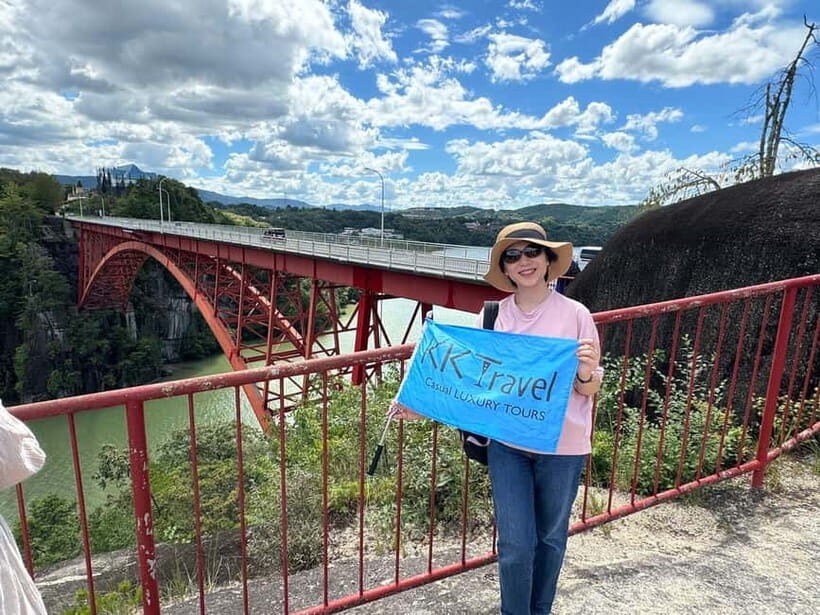
- Summer: focus shifts to the red Einakyo Bridge framed by thick green.
- Autumn: red leaves and maple leaves add color to the lake surface.
- Winter: mandarin ducks and starlings show up, making it a good option if you like bird spotting.
The tour gives a shorter guided portion here, with walking time to reach viewpoints rather than a long hike. That’s smart for a day trip because you keep energy for Magome and Tsumago later.
Practical takeaway: Ena Gorge is best when you treat it like a viewpoint walk with explanations. If you try to speed through it, you’ll miss the “why it looks like this” part.
Magome-juku: Stone Pavements, Shops, and Edo-Era Details
Magome-juku is one of the stops on the Nakasendo route, and it’s the 43rd of the 69 post towns. It’s about 332 kilometers from Edo Nihonbashi, the starting point of the route. That distance detail sounds academic until you realize what it meant in the Edo period: this was the only practical route merchants could use after Tokugawa Ieyasu unified the country and began road repairs.
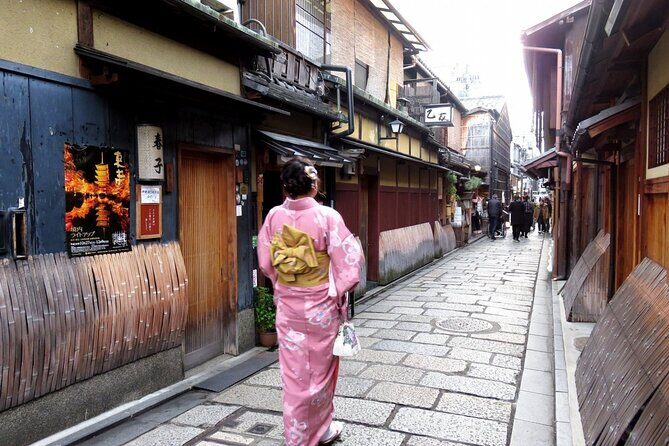
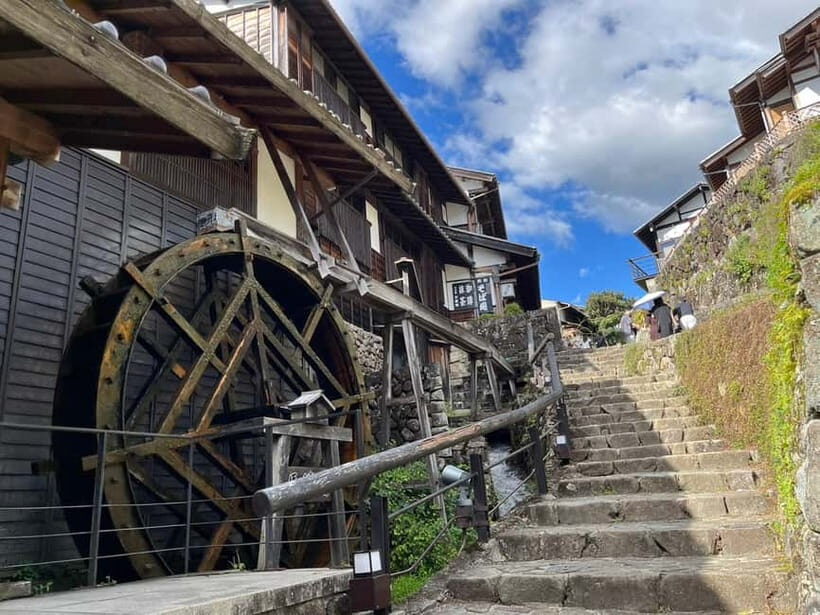
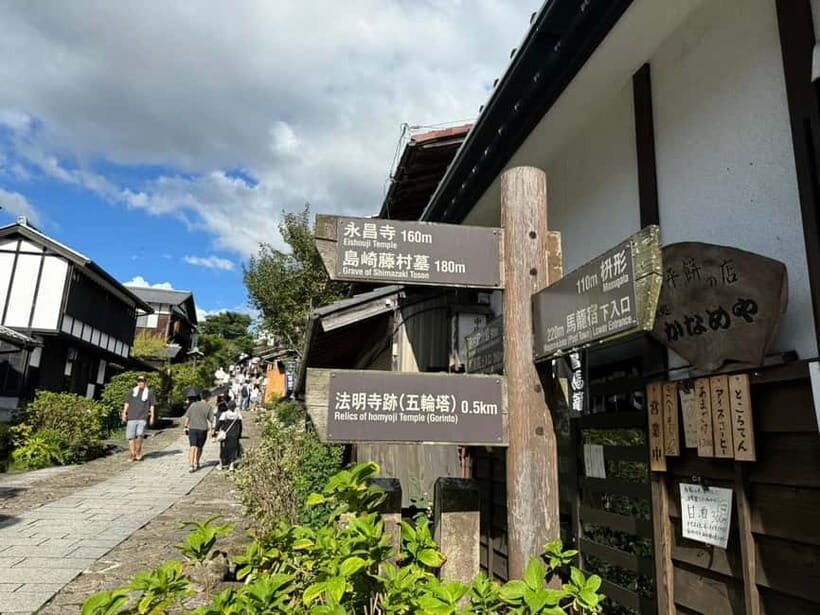
What you feel walking there is the Nakasendo mindset—travel as a slow, physical process. Magome’s streets are still paved with stone, including sections on steep mountain road. The wooden houses on both sides hold shops, and you’ll commonly find:
- tea shops
- izakayas
- art shops
- hotels
There’s also a lot of visual rhythm in front of houses, with flowers planted along the street. And what I find especially good for atmosphere is that wells and waterwheels from the era have been preserved. Those small, practical objects make the town feel lived-in, not staged.
The tour schedule also gives you time to eat and snack. Lunch expenses are not included, but you have an opportunity to pick your own pace. My advice: treat Magome as your “flex meal” portion of the day. Grab something simple, eat while the street scenes are still fresh in your mind, then use the remaining time for wandering side lanes.
A good practical mindset here is cash-first. The tour notes that not all places accept credit cards, and old streets often mean smaller shop transactions.
Tsumago-juku: A Slow Walk on the Preserved Post Road
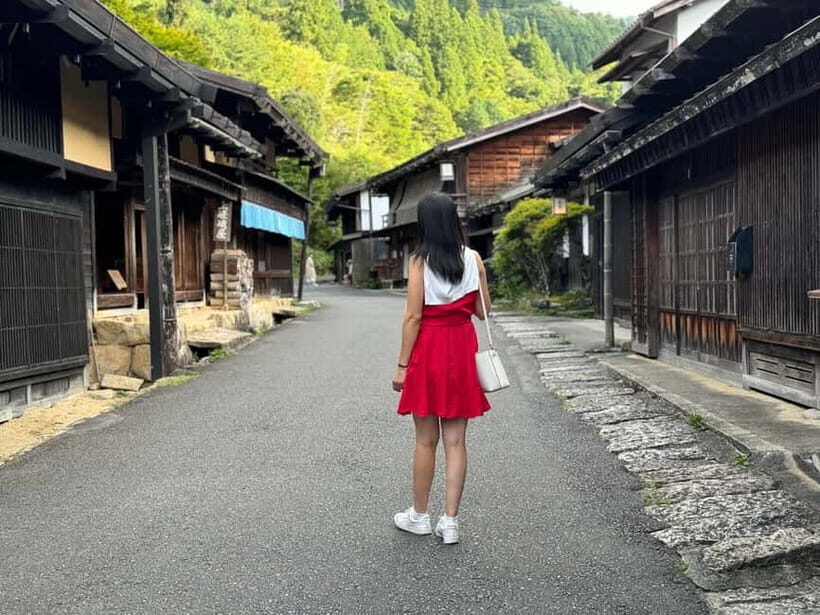
Tsumago-juku is the quieter companion to Magome, and that contrast is part of the appeal. The area is known for preserved buildings and a charm that feels more like a walking museum than a big-city shopping stretch.
What makes this stop particularly worthwhile is that the post road between Magome and Tsumago is now used for hiking, and that route has been recognized by the Michelin Green Guide with one star. You don’t need to hike long to benefit from that reputation; even a modest walk gives you the right sense of the Nakasendo travel corridor.
The tour includes a guided component plus about an hour of free time. I like when tours do this. It’s the difference between seeing Tsumago and actually experiencing it. Use the guided time to understand what you’re seeing, then let yourself slow down.
If your feet start getting tired, Tsumago is where you can choose your own intensity. The buildings and lanes make it easy to drift rather than rush.
And yes, this is one of those places where a camera helps, but don’t only shoot. Stop. Look at the building shapes. Notice how the road and the houses relate to each other. That’s where the feeling comes from.




Price and Value: Is $60 a Good Deal?
At $60 per person for a 10-hour day, what you’re really paying for is time-saving logistics plus structured sightseeing.
You get:
- round-trip transportation by bus from Nagoya Station
- Inuyama Castle First Avenue admission
- a live tour guide
Lunch is not included, and personal expenses are on you. So the full cost depends on how you eat and what you buy. Still, the big value is that you avoid piecing together trains and local transport across four different areas.
I think this is a good value if you:
- want a managed day that covers more than one town
- prefer not to design your own transport plan
- like guided context that makes viewpoints and architecture easier to understand
It may be less of a fit if you enjoy spending an entire day at one place, because the bus-tour format means each stop is only part of your day.
Comfort Tips: Shoes, Cash, and Weather-Ready Planning
This day trip includes a lot of walking. The tour specifically urges comfortable shoes, and I agree. Castle stairs plus post-town lanes plus gorge viewpoints can add up fast, especially if you’re traveling in socks that have seen better days.
Bring:
- comfortable shoes
- a camera
- water
- cash
- weather-appropriate clothing
The cash note matters more than it sounds. The tour warns that not all places accept credit cards, and smaller shops along old streets often lean cash-friendly.
Also check the weather forecast. In places like Ena Gorge, wet conditions can affect footing around viewpoints, and in spring or autumn you may want layers if it’s cool in the morning and warmer later.
Finally, if you care about where you sit on the bus, try to get there early. One past detail shared by people booking this style of tour is that advance seating assignment can be helpful. Even if the system varies by departure, arriving early gives you the best chance for the seat you want.
Who Should Book This Day Trip
Book it if you want a focused taste of Japan that mixes:
- a real ancient-feeling castle tower (Inuyama)
- a man-made-natural story (Ena Gorge with Oi Dam)
- preserved post-town walking (Magome and Tsumago)
This is especially good for you if you’re staying in Nagoya and want one “transport-worry-free” day rather than a complicated itinerary. It also suits photographers and history-curious walkers who enjoy small details: underground floors, rock names like Umbrella Rock, stone pavement textures, and preserved water features.
Skip it if you’re looking for a long hike, because the gorge and towns are visited in a more time-managed way. You’ll see a lot, but you won’t be doing a wilderness-style trek.
Should You Book This Tour?
If you like structured sightseeing but still want time to wander, I’d say yes. The combination works well: the castle gives you the anchor, Ena Gorge adds a natural-weird contrast, and Magome plus Tsumago deliver the human-scale charm of the Nakasendo road.
Make the decision fast based on two questions:
- Do you want to cover all four areas in one day from Nagoya without transport headaches? If yes, this fits.
- Are you comfortable with Japanese-and-Chinese-led guidance and a group-bus pace? If yes, you’ll likely enjoy how smoothly the day moves.
If you do choose it, do yourself a favor: bring cash, wear good shoes, and plan on taking your time especially in Magome and Tsumago.
FAQ
Where is the meeting point?
You meet at the BIC CAMERA at Nagoya Station West Exit. The Ministop convenience store is located behind the BIC CAMERA.
How long is the tour?
The duration is 10 hours.
What’s included in the price?
The price includes round-trip bus transportation, Inuyama Castle First Avenue admission, and a live tour guide.
Is lunch included?
No. Dining expenses are not included.
What languages does the tour use?
The driver and the tour information are listed as Japanese and Chinese.
What should I bring with me?
Bring comfortable shoes, a camera, water, cash, and weather-appropriate clothing.
Do I need to arrive early?
Yes. You should arrive at the meeting point 10 minutes before departure.
How much time do I get at Magome-juku and Tsumago-juku?
Magome-juku includes about 1.5 hours, and Tsumago-juku includes about 1 hour.
What is the cancellation policy?
You can cancel up to 24 hours in advance for a full refund.