REVIEW · HIROSHIMA
From Hiroshima: Rabbit Island and Takehara Town Tour
Book on GetYourGuide →Operated by Machinovate Japan Ltd. · Bookable on GetYourGuide
Rabbit Island is cute, then it gets heavy.
This full-day outing pairs Takehara’s Edo-era townscape with a guided look at Rabbit Island’s dark past, then leaves you free to linger among the rabbits. Expect a smooth, well-paced day built around real places—not just photo stops.
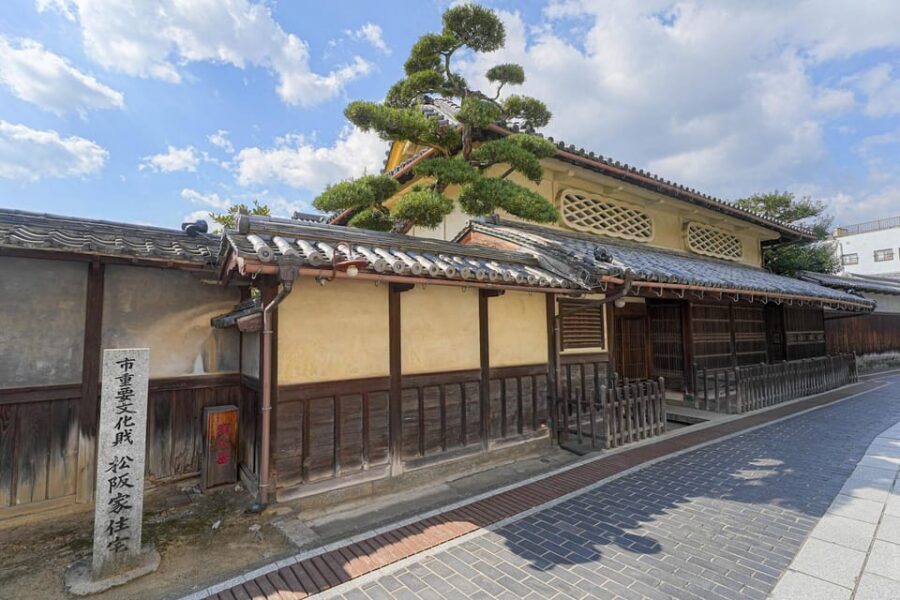
I especially like how the day mixes quiet, human-scale history with the oddball charm of feeding rabbits. The stops in Takehara (from the mid-Edo temple area to the Matsusaka merchant residence) help you understand how people lived, and the guide’s explanations on sake production and local salt make the town feel practical, not museum-dry.
One thing to consider: it’s a long day (about 9.5 hours) with walking, plus Rabbit Island itself involves heat and time outdoors—so bring sun protection and comfortable shoes.
In This Review
- Key highlights worth your attention
- Finding your guide at Hiroshima Station and settling into a small-group day
- Takehara’s old streets: Saihoji and the mid-Edo temple area
- The Matsusaka family residence: how a wealthy merchant lived
- Okakae Jizō at the port route: the wish-and-feel legend
- Tadanoumi Port and the ferry to Ōkunoshima
- Rabbit Island ruins: the guided walk that explains the island’s WWII past
- Free time on the island: feeding rabbits, pictures, and choosing your own pace
- Hot springs, biking, lighthouse, and observation: how to use your free hours well
- How the return works: final ferry, bus ride, and a clean end to the day
- Price, timing, and value: why $170 can be fair for this kind of day
- Who should book this Hiroshima to Takehara and Rabbit Island day trip
- Should you book this Rabbit Island and Takehara Townscape tour?
- FAQ
- How long is the tour from Hiroshima?
- What’s included in the price?
- Is lunch included?
- Where do I meet the guide in Hiroshima?
- What should I bring for the day?
- Is the tour suitable for everyone?
Key highlights worth your attention

- Saihoji and mid-Edo architecture in the Takehara Townscape Conservation Area
- Matsusaka family residence showing how a wealthy merchant lived during the Edo era
- Okakae Jizō wish ritual at a small hut by the port route
- Rabbit Island ruins with a guided narrative of the island’s WWII-era story
- Free time on Ōkunoshima to feed rabbits and choose between hot springs, biking, and more
- Small group size (15 max) so the pace stays manageable and questions actually get answered
Finding your guide at Hiroshima Station and settling into a small-group day
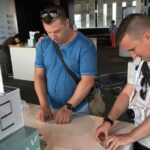
This tour starts where most Hiroshima plans start: Hiroshima Station, under the Tourist Information sign outside the Shinkansen gates. You’ll see the meeting-point instructions clearly, but do yourself a favor—arrive a few minutes early so you can spot the guide holding the SNOW MONKEY RESORTS sign.
The group is limited to 15 people, which matters more than you’d think on a full-day island trip. You get a human pace when walking through historical areas, and the guide can keep an eye on timing without steamrolling anyone’s questions. In the guides I heard about, you’ll also see a main guide working with a trainee, which often means the explanations feel both polished and lively.
Finally, a small practical note: your travel day hinges on public transport and ferry timing. That’s normal in Japan, but it means you should plan to move at the group’s rhythm rather than trying to squeeze in extra stops on your own before the ferry.
You can also read our reviews of more tours and experiences in Hiroshima.

Takehara’s old streets: Saihoji and the mid-Edo temple area
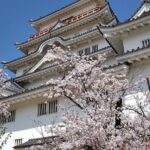
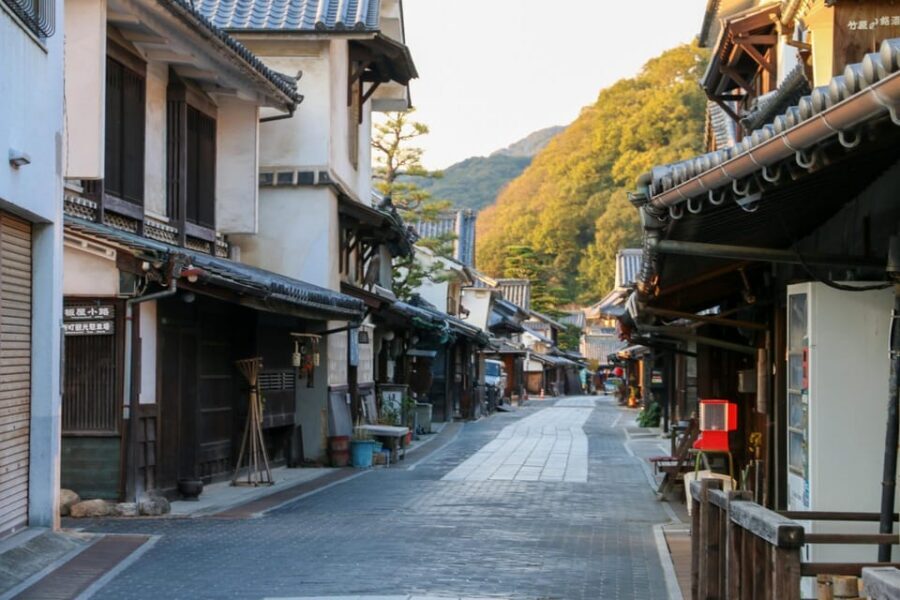
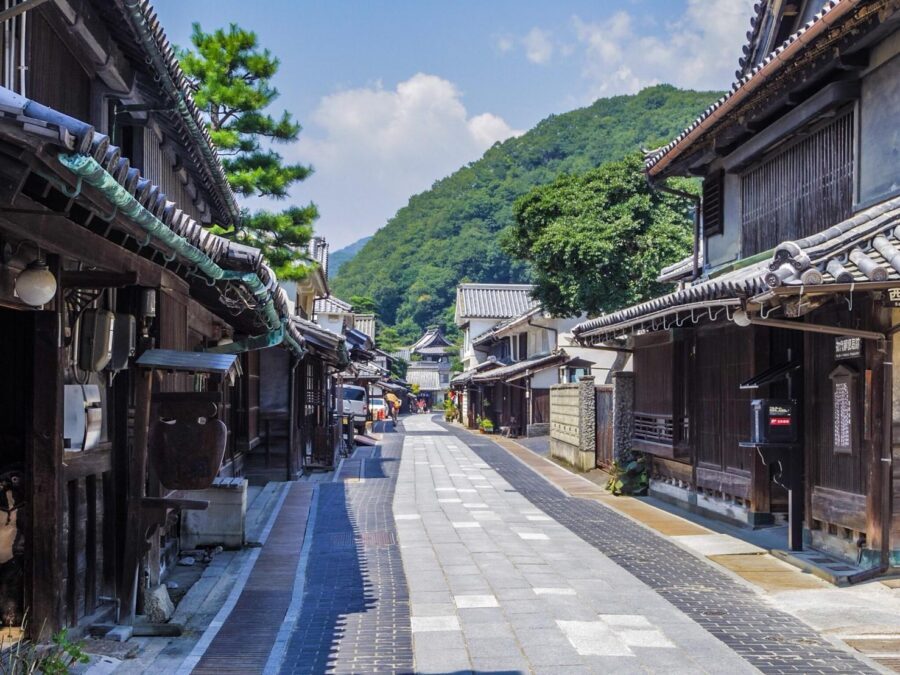
After meeting up, you head toward the Takehara Townscape Conservation Area, where the goal is simple: slow down and notice the old town layout. Takehara isn’t trying to be a theme park. You’ll walk through streets where the architecture and atmosphere are the point.
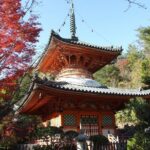
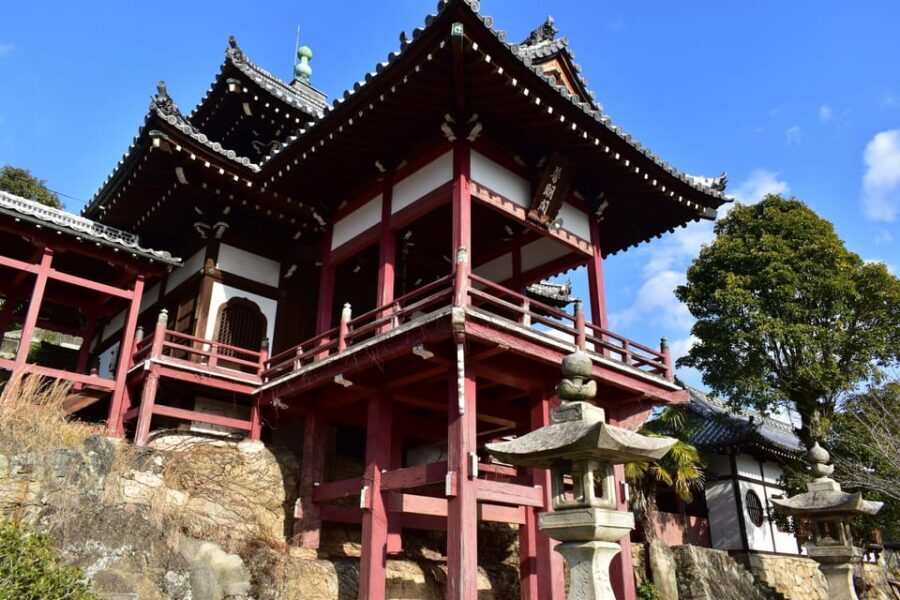
One of the first standout stops is Saihoji, a Zhen Buddhist temple with mid-Edo period architecture. Even if temples aren’t your main interest, this stop works because the guide ties the building style to the time period you’re stepping into. It’s one of those moments where the townscape makes sense, instead of feeling like random old stone and wood.
A drawback to flag: since this is a walking-focused day, you’ll spend time outdoors before you ever reach Rabbit Island. In hot weather, that “first leg” can feel longer—so sunscreen and a hat are not optional-style suggestions.
The Matsusaka family residence: how a wealthy merchant lived
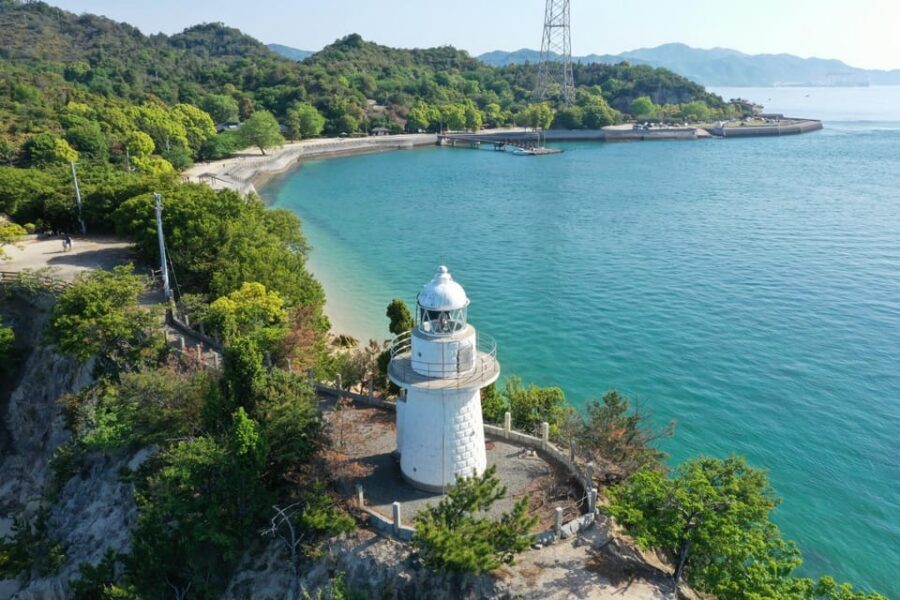
Next comes a stop that gives you a real sense of daily life in Takehara: the former Matsusaka family residence. This is described as a typical example of Takehara’s Edo-era merchant architecture—basically, the kind of house a wealthy merchant would have used.
What I like about this stop is that it’s not only about the exterior. Inside, you can see artifacts from previous inhabitants, which helps you picture the routines behind the buildings. Instead of learning history as a list of dates, you get the feel of how commerce, home life, and social status likely looked in practice.
The guide also adds local context you can actually use later in the day. In particular, you’ll learn about Takehara’s history connected to sake production. It’s a smart pairing: after you see how wealth was built and stored in merchant residences, you’re better prepared to understand why the town’s brewing traditions matter.
If you love architecture, this part of the day rewards attention. If you don’t, it still works because the guide’s framing turns the house into a story you can follow.
Okakae Jizō at the port route: the wish-and-feel legend
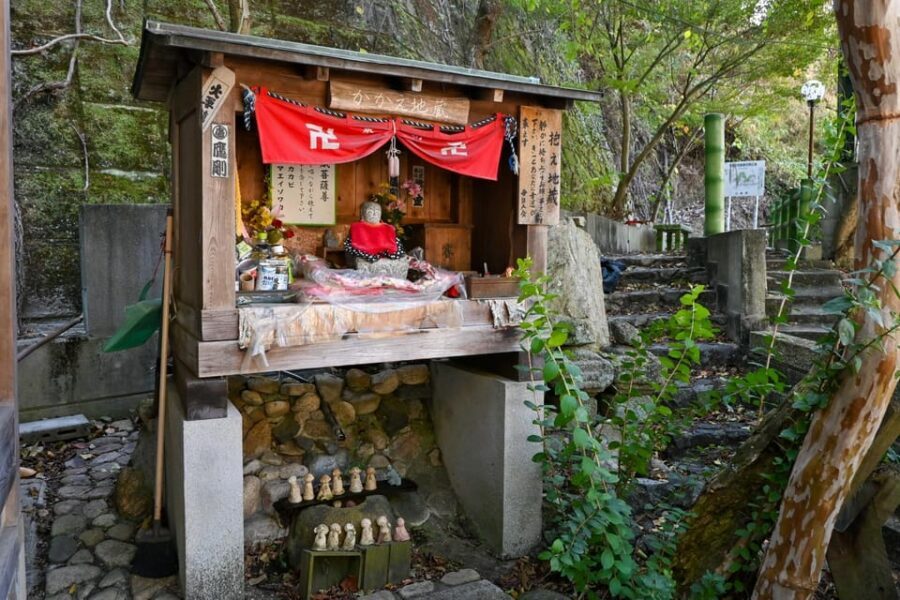
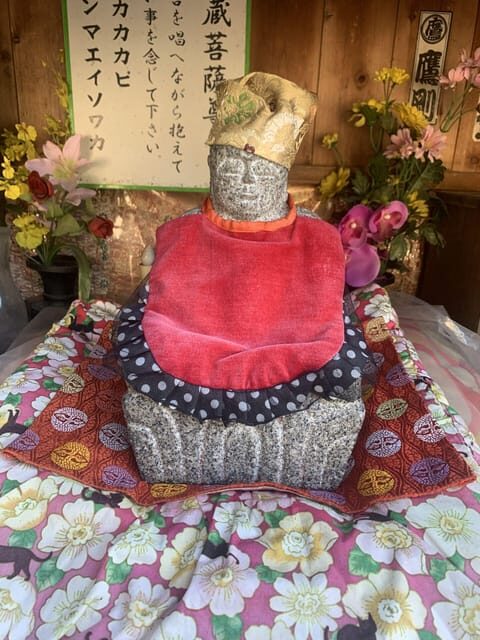
Before the ferry, you’ll stop at Okakae Jizō, housed in a small nearby hut. Jizō statues are said to protect children and travelers, and this one has a local legend attached to it.
Here’s the practical version of the story: if you pick up the Okakae Jizō, make a wish, and it feels lighter than expected, the wish is believed to come true. Whether you treat this as faith, folk magic, or just a charming ritual, it’s a quick cultural detour that breaks up the “history-only” rhythm.
I like this stop because it’s short, easy, and memorable. It also helps you shift mental gears—Rabbit Island is next, and the island’s story is far darker than the town walking so far.
Tadanoumi Port and the ferry to Ōkunoshima
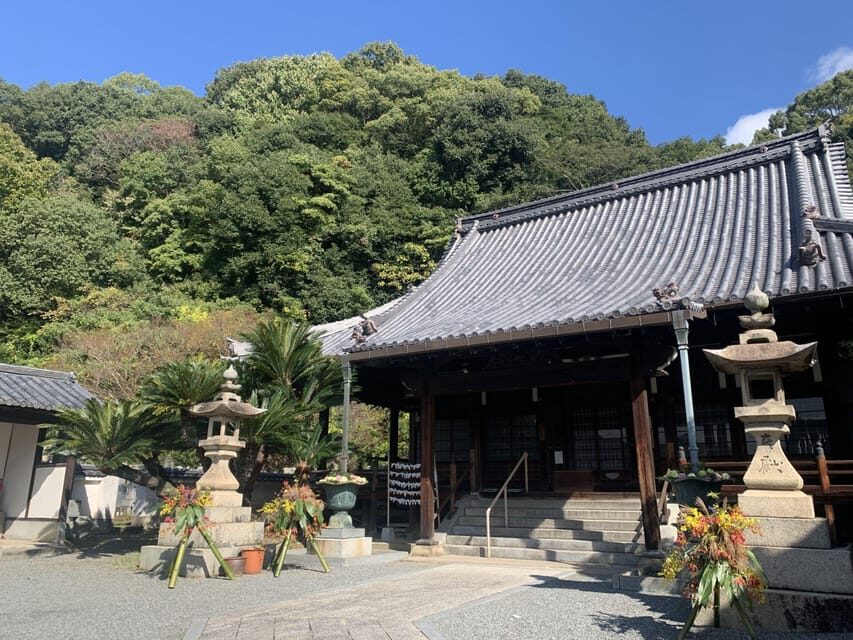
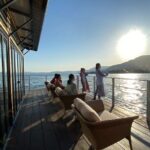
When you reach Tadanoumi Port, you board the ferry to Rabbit Island (Ōkunoshima). The ferry ride itself can be a nice reset. You’ve done several historical stops; now you get a bit of breathing room before the island changes tone.
The ferry is also the moment where your day-trip logistics become real. Once you’re on the island, you’ll be following the tour’s structure but with plenty of free time afterward. That balance—guided context first, then independent exploring—makes the trip feel flexible without you having to constantly consult maps.
Keep in mind: if you get motion-sick, take precautions like you would on any ferry crossing. The itinerary doesn’t promise long breaks, so it’s worth being proactive.

Rabbit Island ruins: the guided walk that explains the island’s WWII past
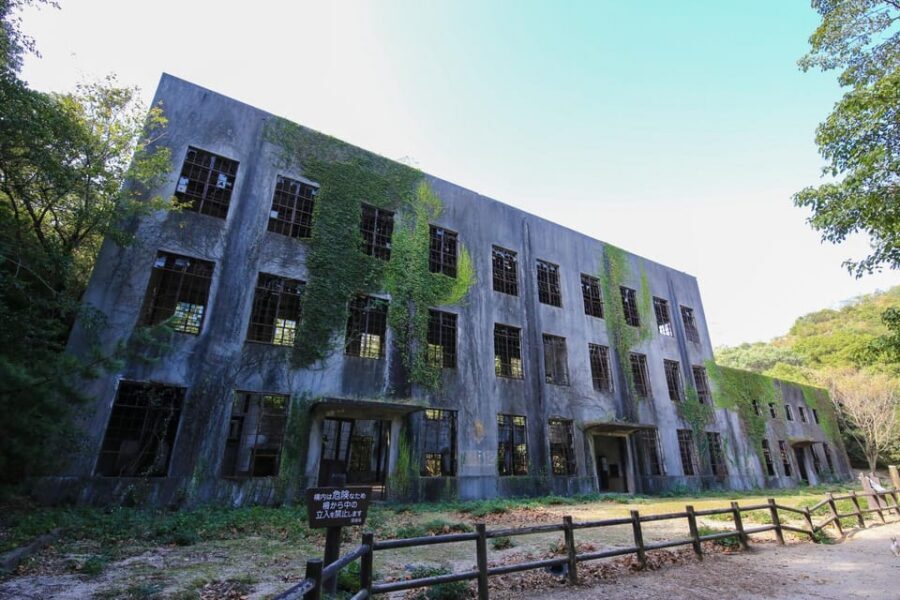
On arrival, you get a brief guided walk along the coast, with stops at ruins and explanations of the island’s dark past. This is the tour’s key emotional pivot.
Rabbit Island’s modern reputation is adorable. That’s the point of the marketing. But the guided part gives you context for why the island’s story is painful—an important contrast that changes how you experience everything that comes next.
One bonus detail I found helpful conceptually: people describe the story as including a Poison Gas museum film that’s informative. Even if your day’s timing changes what you can fit in, expect that the island’s WWII-era material is treated seriously here, not as background noise.
The practical takeaway: don’t rush this section. If you treat it like a speedrun to the rabbits, you miss why the rabbits feel so strange and poignant right after the ruins.
Free time on the island: feeding rabbits, pictures, and choosing your own pace
After the guided ruins segment, the tour gives you ample free time to explore the island on your own. This is where the trip becomes uniquely “Ōkunoshima,” because the rabbits take over the conversation.
Rabbit food is included, and it’s exactly what you want at the start of your free time. The rabbits are tame enough that you can feed them, and you’ll likely spend most of your time doing what the island is famous for: walking slowly, watching their interactions, and taking photos that look more like a wildlife encounter than a zoo.
But don’t feel stuck in the rabbit loop. The tour’s options are real:
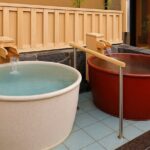
- Hot springs at the Kyukamura Ōkunoshima hotel
- Bicycle rental to cover more ground without wearing yourself out
- A hike to an observation desk for a higher view
- Time for the lighthouse
- A meal at the hotel restaurant
Also, food and drinks can be purchased on Rabbit Island, so you’re not totally trapped waiting for the mainland later. Still, since lunch isn’t included in the tour price, you’ll want to budget time and money for at least one meal or snack during your free window.
If it’s hot (and it often is in summer), plan your rabbit feeding early and save your longer walks or hikes for when the sun is less brutal.
Hot springs, biking, lighthouse, and observation: how to use your free hours well
Your free time can work in different ways depending on your energy level.
If you want the simplest plan, I’d do this: feed the rabbits first, then take a slow walk along the island areas you haven’t seen yet. The island is small enough that you don’t need to be aggressive. The goal is to let the contrast between the ruins story and the rabbit charm settle in.
If you’re comfortable covering distance, renting a bicycle can be a huge time-saver. It helps you reach the lighthouse and other viewpoints without turning the day into an all-out leg workout. It’s also a good option if you’re with someone who gets tired easily—biking can keep the experience from becoming stressful.
If you want recovery time, the hot springs at Kyukamura are a smart pivot after walking and ferry time. Even if you’re not a “spa person,” this is the kind of practical reset that makes the day feel complete instead of exhausting.
And if you like a view, the observation desk hike is a good use of free time. Just remember you’re on an island—so dress for sun and heat, not for city comfort.
How the return works: final ferry, bus ride, and a clean end to the day
When your free time winds down, you’ll take one final ferry ride back to the mainland. Then there’s a last bus ride to Hiroshima Station, where the guide says goodbye in front of the Shinkansen gates.
This ending is helpful because it reduces decision fatigue. You’re not left hunting for trains at the last moment while tired. Still, keep an eye on your timing and don’t wander too far at the end of your free window. On islands, you can’t outsmart the schedule.
When you’re back at Hiroshima Station, it’s a good point to refuel, review photos, and decide whether you want a quick dinner in the city before calling it a day.
Price, timing, and value: why $170 can be fair for this kind of day
The price is listed at $170 per person, and the key question is whether you’re paying for real experiences or just transportation.
In this case, you’re paying for a structured day that includes:
- An English-speaking guide
- Entry fees at the tour locations
- Rabbit food
- Ferry tickets
- Transportation between activities via public transport
Also, the tour lasts 570 minutes—around 9.5 hours. You’re not buying a quick hit. You’re buying an all-in day that strings together multiple regions and themes: Takehara’s historic townscape and merchant architecture, then Rabbit Island’s WWII-era narrative and the rabbit interaction.
Where it’s especially good value is the combination of guided explanation plus free time. The guide handles the difficult context (Rabbit Island’s dark past and the history you might not connect on your own). Then you still get independence to enjoy the island how you want.
Where it might feel less like a bargain is simple: lunch and your personal island meals are not included, and you’ll need spending money for food on the island. The tour also assumes a certain level of walking stamina.
So overall, I see the price as reasonable if you want both history and an island experience, and you don’t want the hassle of stitching together ferry + town + entry tickets yourself.
Who should book this Hiroshima to Takehara and Rabbit Island day trip
This tour is a good match if you:
- Want both Edo-era town history and Rabbit Island’s rabbit-and-ruins contrast
- Like guided storytelling, but also want time to wander on your own
- Prefer small groups (up to 15) over crowded bus tours
- Are okay with a long day and walking
It’s also a strong choice if you’re traveling with someone who enjoys different styles of activities. You can do structured history in Takehara, then shift to rabbit feeding, hot springs, or biking depending on mood.
A word of caution from the provided info: the tour is not suitable for wheelchair users, people with animal allergies, or pregnant women. Pets and smoking are also not allowed during the tour, so don’t plan on bringing anything that changes that.
If you’re sensitive to animals, even if rabbits are the “main attraction,” this isn’t the right fit.
Should you book this Rabbit Island and Takehara Townscape tour?
I’d book it if you want a day that feels purposeful: you get context in Takehara, you get the island’s story explained before you chase the photos, and then you control how you spend the free time.
Skip it if you only want a light, easy day with no emotional heaviness. The ruins segment is part of the experience, and it changes the vibe. Also skip it if your walking tolerance is limited—you’ll be on your feet for much of the day.
If you’re on the fence, my best advice is to pack for heat, wear comfortable shoes, and go in ready to enjoy both sides of the island: the rabbits’ cuteness and the history that sits behind them.
FAQ
How long is the tour from Hiroshima?
The tour runs for 570 minutes, which is about 9.5 hours.
What’s included in the price?
It includes an English-speaking guide, entry fees at the tour locations, rabbit food, transportation between activities using public transport, and ferry tickets.
Is lunch included?
No. Lunch is not included, and you can purchase food and drinks on Rabbit Island.
Where do I meet the guide in Hiroshima?
Meet under the Tourist Information sign outside the Shinkansen gates. If you arrive at Shinkansen, it will be to your left as you exit the gates. Look for the guide holding a SNOW MONKEY RESORTS tour sign.
What should I bring for the day?
Bring comfortable walking shoes and a camera. Sunscreen and a hat are recommended. Food and drinks can be purchased on Rabbit Island.
Is the tour suitable for everyone?
No. It’s not suitable for wheelchair users, people with animal allergies, or pregnant women. Pets and smoking are not allowed during the tour.