REVIEW · TAKAYAMA
From Takayama: Shirakawago and Gokayama Bus Tour by Nohi Bus
Book on GetYourGuide →Operated by H.I.S. Co Ltd(TIC) · Bookable on GetYourGuide
Snow towns without the hassle.
This is a smart day-bus plan to see UNESCO villages Shirakawago and Gokayama, where gassho-zukuri houses were built to survive heavy winter snow. I really like the way the tour adds a Tenshukaku Observatory viewpoint shuttle, so you get the big-picture views without wrestling trains or transfers. One thing to consider: it’s a shared tour with fixed timing, so you may feel a little rushed at times, especially if the weather slows the bus.
A second plus I value is that the tour doesn’t stop at photo stops. You also get Gassho-zukuri Minkaen admission, which helps you understand how people lived inside these steep-roof homes. The biggest drawback is also a practical one: lunch isn’t included, so you’ll want to plan for gaps between stops and bring water for the road.
In This Review
- Key things to know before you go
- Why Shirakawago and Gokayama on one day makes sense
- Takayama Nohi Bus Center check-in: small steps, big payoff
- The shared-bus day: how the group experience feels in real life
- Shirakawago: iconic gassho-zukuri and why the Tenshukaku view is worth it
- Gokayama and Gassho-zukuri Minkaen: cultural learning without too much museum fatigue
- Shuttle logistics at the observatory: the timing trap to avoid
- Price and value: is $85 a fair deal for two UNESCO villages?
- Comfort and practical tips that actually matter
- Should you book this Shirakawago and Gokayama bus tour from Takayama?
- FAQ
- How long is the Takayama to Shirakawago and Gokayama bus tour?
- Where do I meet the tour in Takayama?
- What’s included in the tour price?
- Is lunch included?
- Is this a private tour?
- Can I leave the tour early at Shirakawago?
- Is smoking allowed during the tour?
Key things to know before you go
- UNESCO coverage in one day: Shirakawago plus Gokayama, handled by a single bus schedule from Takayama.
- Tenshukaku Observatory shuttle is included: you’ll use a separate shuttle service with your tour ticket, not a guided walk-up.
- Cultural entry included: admission to Gassho-zukuri Minkaen is part of the price, so you’re not just sightseeing outside.
- Timing matters for the shuttle: shuttle buses run every 20 minutes, and you’ll want to track that schedule.
- Shared group pace: not private, so you’ll move as a group even if you’d rather linger.
Why Shirakawago and Gokayama on one day makes sense
Takayama is a great base for the Alpine villages, but the logistics can get annoying fast. Renting a car, figuring out transfers, and trying to line everything up around daylight is work. This Nohi Bus tour keeps it simple: you start in Takayama, ride by coach, and spend the day in the two UNESCO areas that most people come for.
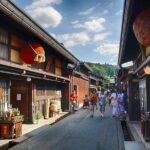
What makes the pairing especially worthwhile is contrast. Shirakawago often feels like the village you imagine when you hear gassho-zukuri—wide views, iconic rooflines, and an immediate sense of scale. Gokayama feels a bit more grounded and lived-in, with a slightly different vibe across the village areas. You get both without spending your precious holiday hours on transit.
And because it’s a bus tour, you’re less likely to miss the key timing windows. Snow and traffic can happen in this region, and the tour is built around that reality. The trade-off is that you follow the group schedule, not your personal pace.
You can also read our reviews of more tours and experiences in Takayama.

Takayama Nohi Bus Center check-in: small steps, big payoff
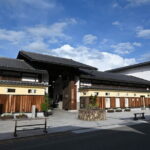
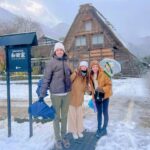
The meeting point is the Takayama Nohi Bus Center. You’re meant to go to the ticket counter there (left after exiting the JR Takayama Station East Exit). I recommend treating the arrival time like your first stop: get there at least 15 minutes early, exchange your printed voucher for your bus ticket and participant badge, then settle your camera and water.
Here’s why this matters. This tour uses shared seating and a timed departure. If you’re late, you don’t just delay yourself; you risk holding up the whole process. Getting checked in early also buys you calm time to understand how your day is going to flow.
One more practical note: the tour is guided by a Japanese-speaking assistant, and the tour operates as a Nohi shuttle bus system. That means your schedule is not just one bus ride; you’ll be shifting between the main coach and other transport at certain points.
The shared-bus day: how the group experience feels in real life
This is a shared tour, which you’ll feel from the moment you board. The pacing is guided by the tour’s route and timing, not by your personal priorities. I like shared tours when the alternative is stressing about how to make the day work; this is exactly that kind of setup.
You’ll also have a Japanese-speaking assistant guiding the overall flow. In practice, what that usually means is clear explanations before you arrive at key areas, plus helpful guidance on what to do once you’re there. Based on past on-the-ground feedback from similar participants, the best results come when you listen, then follow the simple plan: check where you want to photograph, decide how long you need, and stick to the group’s rendezvous rhythm.
There are a couple of constraints you should plan around:
- It’s not private.
- The assistant does not guide you to the observatory. You’ll use the shuttle bus with your tour ticket.
- No seat is provided for infants aged 0–5 years, so booking a child rate for a seat matters.
Also, the tour may run late due to snow or traffic conditions. That’s not a surprise in this part of Japan, and it’s worth keeping your evening plans flexible.
Shirakawago: iconic gassho-zukuri and why the Tenshukaku view is worth it
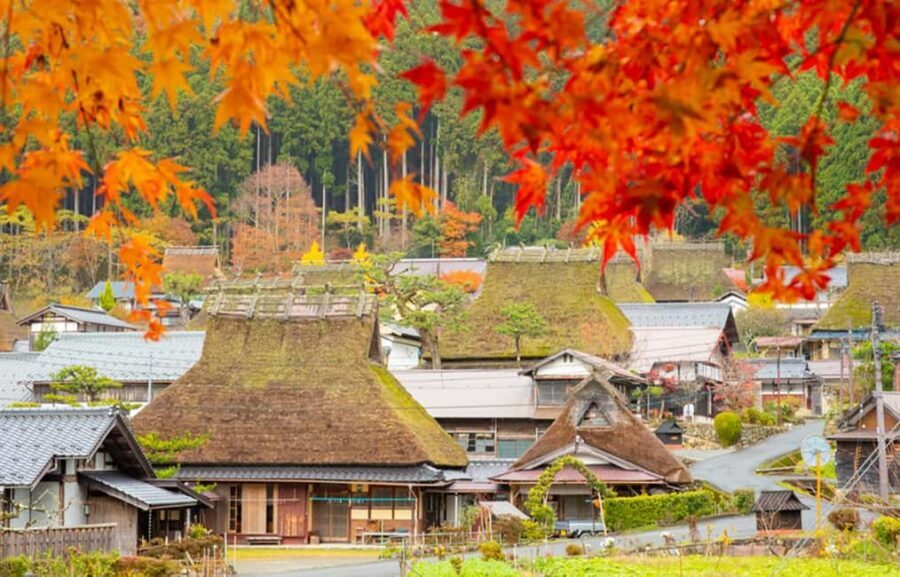
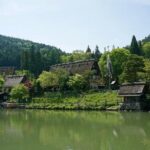
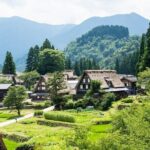
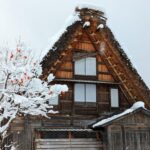
Shirakawago is usually the first UNESCO village on a lot of people’s checklists for a reason. The gassho-zukuri houses look dramatic in any weather, but the steep roofs and heavy-snow design are the real story. You’re not just looking at old buildings; you’re seeing architecture engineered for survival.
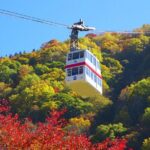
A major highlight is the viewpoint at the Tenshukaku Observatory. The tour includes shuttle bus fare to get you there. This part of the day is valuable because it changes how you see the village. At ground level, you notice roofs and streets. From above, you get the village layout—how the buildings relate to the terrain and why that snowy design makes sense.
Important detail: the assistant does not guide you to the observatory. Instead, you use the shuttle bus with your tour ticket. Shuttle buses run every 20 minutes, so you’re not stuck waiting all day, but you still need to manage your time.
If you’re planning photos, this is the moment. Bring your camera and wear comfortable shoes. You may be moving between areas with some walking and stair steps depending on how the stop is set up. The good news: when you plan around the shuttle schedule, you can get both village views and the higher viewpoint without chaos.
One more flexible detail that I think is genuinely helpful: you have an option to leave the tour at Shirakawago, but there’s no refund for leaving early. If you’re trying to catch a late train or you’re already satisfied with the main Shirakawago experience, it’s there.
Gokayama and Gassho-zukuri Minkaen: cultural learning without too much museum fatigue
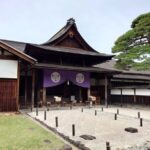
Gokayama is where the day’s story shifts from landscape photos to human life. The included admission to Gassho-zukuri Minkaen is the key that turns the trip into more than a quick sightseeing loop.
What you’ll get from the museum entry is context: how these steep-roof houses worked, what daily life looked like, and how the village lifestyle adapted to long, snowy winters. Even if you’re not a museum person, this is the kind of entry that helps you read what you see outside. After you’ve learned the logic behind the rooflines and interior choices, the houses feel less like scenery and more like a system built for the climate.
There’s also a small twist tied to timing. When the museum is closed on Thursday, you have the option to receive an original souvenir. That’s not a replacement for visiting, but it’s a nice perk if your tour day lands on a closure.
One practical consideration: the tour is seven hours total, and lunch isn’t included. That means your energy will matter. If you come hungry, museum time can feel longer than it needs to. If you come with snacks or a plan for food between stops, the museum admission feels like a helpful reset rather than an interruption.

Shuttle logistics at the observatory: the timing trap to avoid
The observatory shuttle is included, but it’s also where many people accidentally lose time. The reason is simple: you don’t follow an assistant walking you up; you catch the shuttle based on the schedule.
Here’s the rhythm:
- Shuttle buses run every 20 minutes.
- You’ll use your tour ticket for the shuttle.
- You should check the shuttle bus timing so you don’t miss your window.
I like building a tiny buffer into my thinking. If you expect a strict arrival time, you end up rushing—then you miss photos or take fewer breaks than you want. Instead, treat each shuttle change as a mini checkpoint. When you’re at the village area, scan for the shuttle details, confirm where to go, and then move at a calm pace.
Also, note the tour can run late because of snow or traffic. If your coach arrives later, the shuttle flow might feel tighter. Keep your mindset flexible: you might not get a perfectly relaxed schedule, but you should still be able to hit the main viewpoint.
Price and value: is $85 a fair deal for two UNESCO villages?
At about $85 per person for a seven-hour guided bus experience, the value depends on what you’re comparing it to.
In your favor:
- Transportation is bundled: Nohi Bus fare is included.
- Key admission is included: Gassho-zukuri Minkaen entrance is part of the price.
- The observatory shuttle is included: shuttle fare to Tenshukaku Observatory is included too.
- A Japanese-speaking assistant helps keep the day organized.
What’s not included:
- Lunch.
So the value question becomes: would you otherwise pay for transport plus admission plus the viewpoint shuttle? If you’re trying to build a self-planned day from Takayama, that’s usually where costs creep up. This tour gives you a clean package, especially if you’re okay with a shared-group pace.
The main cost trade-off is your control. If you’re the type who wants to linger for long stretches at each spot, a fixed schedule can feel limiting. But if you want the best-known UNESCO hits with minimal planning and reliable coordination, this price often feels reasonable for what it bundles.
Comfort and practical tips that actually matter
This tour is in a winter-region environment where weather can affect timing and comfort. That doesn’t mean you need fancy gear, but you do need to think like a winter traveler.
Bring:
- Comfortable shoes (you’ll walk between points)
- Camera (views are a big part of the day)
- Water
Dress for cool weather. Even on days when snow isn’t heavy, the air can feel sharper around valley villages.
A few limits to note:
- Smoking is not allowed.
- Not suitable for wheelchair users.
- Not suitable for pregnant women.
If you’re traveling with children, remember the infant seat rule: no seat for ages 0–5 unless booked with a child rate for a seat.
And for anyone who hates uncertainty: yes, arrival may be delayed due to snow or traffic conditions. Build slack into your schedule for the day, and you’ll enjoy it more.
Should you book this Shirakawago and Gokayama bus tour from Takayama?
I’d book this tour if you want a straightforward way to hit two UNESCO villages without turning your day into a transport puzzle. The included Tenshukaku Observatory shuttle and the Gassho-zukuri Minkaen admission make it feel like more than a quick drive-by. The day is guided, organized, and built for people who want results without extra planning.
I’d skip it or rethink if you strongly prefer private pacing. It’s shared, and you’ll follow timing. Also, if you’re the type who wants hours at one village to fully wander, seven hours might feel tight—especially since lunch isn’t included and you may have to manage energy.
If you want a dependable, value-focused day trip from Takayama that mixes iconic village views with a real cultural stop, this is one of the cleaner choices in the area. Plan for walking, keep your schedule flexible, and treat the shuttle timing like part of the itinerary, not an afterthought.
FAQ
How long is the Takayama to Shirakawago and Gokayama bus tour?
The tour duration is 7 hours.
Where do I meet the tour in Takayama?
Meet at the ticket counter at the Takayama Nohi Bus Center (left after exiting the JR Takayama Station East Exit). Arrive at least 15 minutes early.
What’s included in the tour price?
Included are the Nohi Bus fare, admission fee, a Japanese-speaking assistant, and the shuttle bus fare to the Tenshukaku Observatory.
Is lunch included?
No. Lunch is not included.
Is this a private tour?
No. It is a shared tour (operates as a Nohi shuttle bus).
Can I leave the tour early at Shirakawago?
You have the option to leave at Shirakawago, but there is no refund provided for leaving early.
Is smoking allowed during the tour?
Smoking is not allowed.
If you tell me your travel month (and whether you’re okay with a tight schedule), I can help you decide how to structure the rest of your day around this tour.