REVIEW · TOKYO
Tokyo: Shibuya Food Tour, Neon Lights & Local Flavors
Book on GetYourGuide →Operated by AMIGO TOURS JAPAN GK · Bookable on GetYourGuide
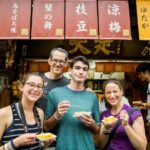
Neon food nights in Shibuya come with a plan. You’ll start at Hachiko Square and walk into the sea of lights at Shibuya Crossing, then get onigiri tastings and other classic street-food bites. The big catch: this is a walking-heavy evening, so comfy shoes matter more than fashion.
I like that the route mixes food with real neighborhood texture, not just a photo stop-and-go loop. Expect a small group with an English/Spanish guide, plus stops at familiar Shibuya hangouts and one or two places you’d likely miss without help. If you’re the type who wants zero walking and lots of sitting, you may find the pace a bit much.
In This Review
- Key moments worth your attention
- Shibuya After Dark: Why Hachiko Sets the Tone
- Shibuya Crossing and Miyashita Park: Big Scene, Good Payoff
- Konbini Time by the Crossing: Egg Sandwich, Onigiri, Crispy Chicken
- Center Gai Street Bites and the 10-Yen Coin Keepsake
- Don Quijote Discount Chaos: Quirky Finds and Snack Browsing
- Tokyu Hands: Design Stationery and Creative Goods
- The Included Tastings: How to Make the Most of Four Dishes
- Price and Value: What You’re Really Paying For at $119
- Small Group Energy and Bilingual Guidance (English and Spanish)
- Weather, Shoes, and Night Walking Reality Checks
- Who This Tour Suits Best (and Who Should Skip It)
- Should You Book This Shibuya Food Tour?
- FAQ
- Where is the meeting point for the tour?
- What language is the guide?
- What food is included in the tour?
- Do I need to plan meals or bring extra money for food?
- Does the tour run in bad weather?
- Is the tour refundable or flexible to book?
Key moments worth your attention
- Hachiko Square start with the Amigo Tours guide waiting by the statue area
- Shibuya Crossing photo moment followed by konbini snack time
- Four included tastings featuring onigiri and Japanese sponge cake among the highlights
- Center Gai street bites plus the fun 10-yen coin keepsake
- Don Quijote and Tokyu Hands for discount snacks and Japanese design goods
- Café reset to catch your breath before heading back
Shibuya After Dark: Why Hachiko Sets the Tone
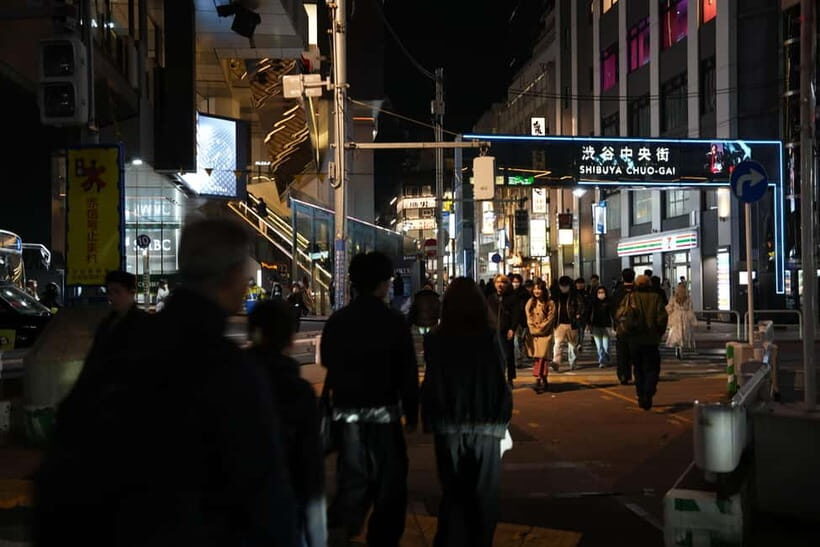
Shibuya works best at night. The crowds thin just enough to let you notice details, while the neon stays loud and playful. Starting at Hachiko Square gives you an instant anchor—plus a story you’ll carry with you as you cross the world-famous crossing.
You’ll hear the touching tale of the loyal dog who became a beloved symbol of Tokyo. It sounds sentimental, but it also helps you understand why this area feels more than just shopping and lights. After that, the guide keeps the night moving, so you’re not stuck “waiting for the vibe” to arrive.
A quick note: since this is an evening walk, you’ll be on your feet. You’ll want shoes that handle uneven pavement and lots of stopping, not just “cute sneakers.”
You can also read our reviews of more food & drink experiences in Tokyo
Shibuya Crossing and Miyashita Park: Big Scene, Good Payoff
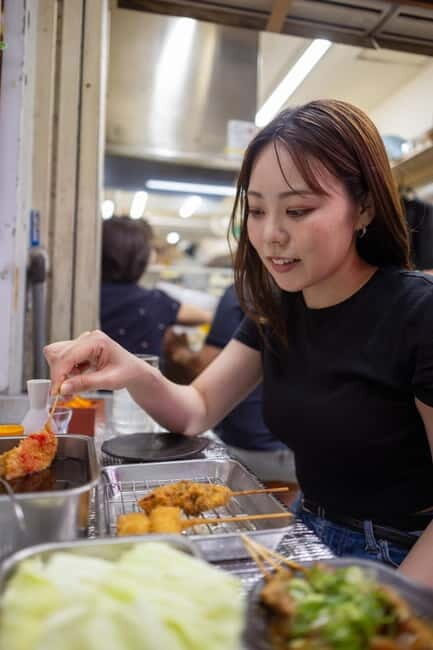
Right after the start, you’ll hit the Shibuya Crossing—the busiest intersection in the world. Even if you’ve seen it on screens, standing there changes the scale. It’s a great way to orient yourself, because every street you turn into afterward feels connected to that main pulse.
From there, you’ll move toward Miyashita Park, a chic urban spot with shops, restaurants, and a rooftop park area. This is one of those places where you get a breather from the thick crowd energy without leaving the neighborhood. You’ll also pick up views that make Shibuya feel like a grid of vertical life—stacked buildings, layered streets, and glow everywhere.
If you hate being surrounded by people, plan to treat the crossing as a short, focused moment. The guide’s job is to keep you at the right angles and timings for photos and snacks.
Konbini Time by the Crossing: Egg Sandwich, Onigiri, Crispy Chicken
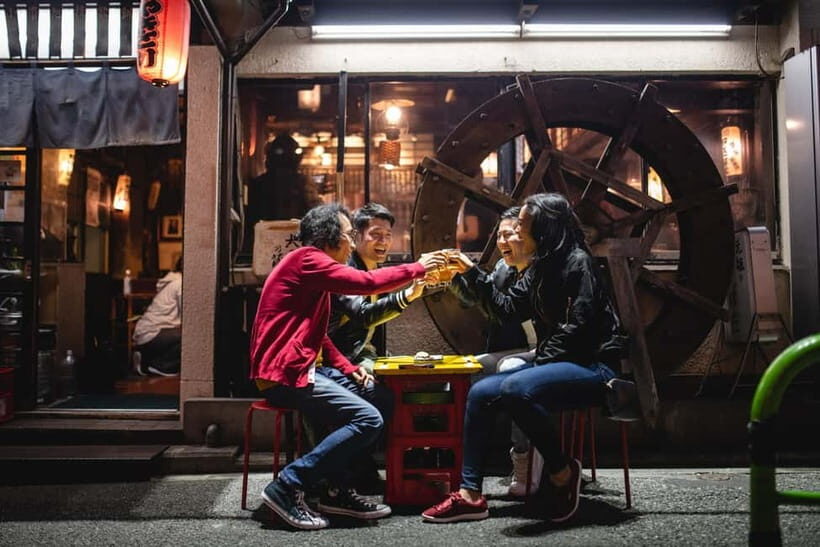
The tour smartly sends you to a Japanese konbini near the crossing. It’s an easy win: you get a quick crash course in what Japanese convenience stores do best—small, portable meals that taste like they were planned.
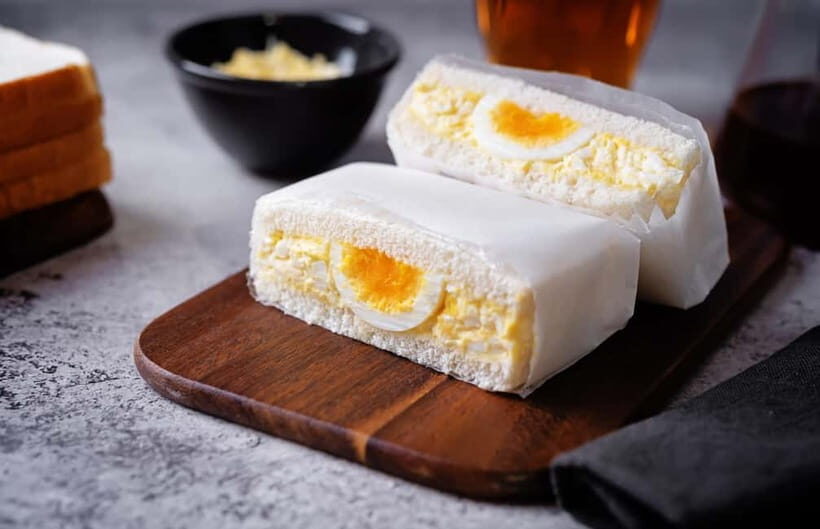
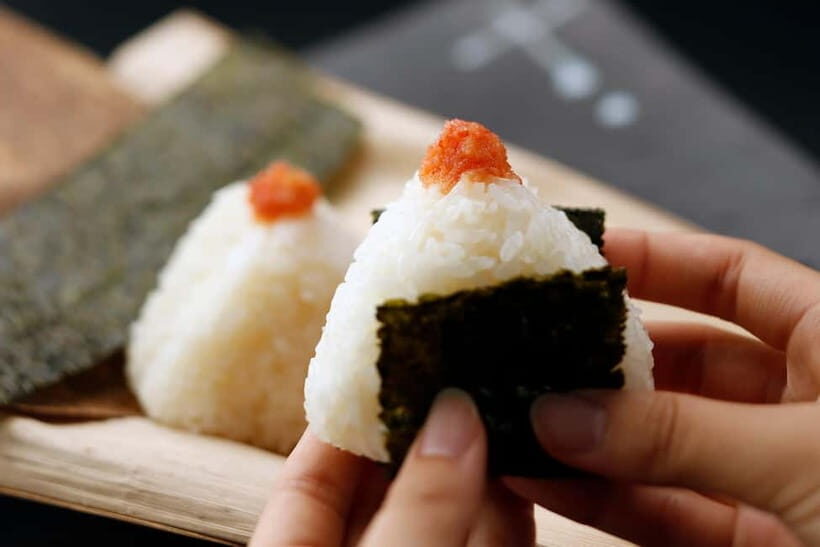
Here, you’ll try popular snacks like a classic egg sandwich, onigiri, and crispy fried chicken. This part matters because it’s not just eating; it’s learning how locals grab food fast without turning it into a stressful event.
Konbini food also helps you understand the logic of Japanese portion sizes. You can sample a few different flavors without going full meal mode. That’s great on a food tour, because you’ll still want room for the next stops.
Center Gai Street Bites and the 10-Yen Coin Keepsake
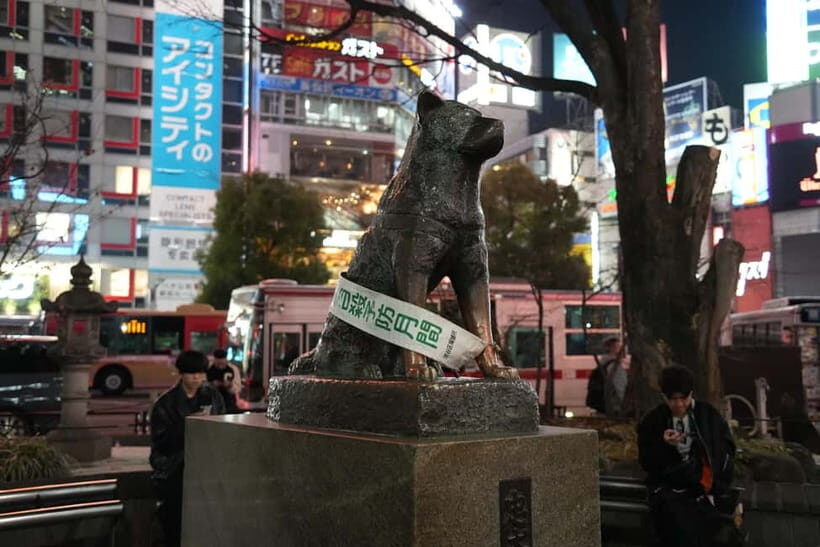
Next you’ll head into Center Gai, one of Shibuya’s busiest streets—where the energy feels more immediate and less tourist-shaped. This is where the food becomes part of the street scene, not something you take away from it.
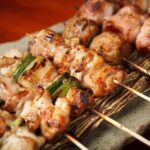
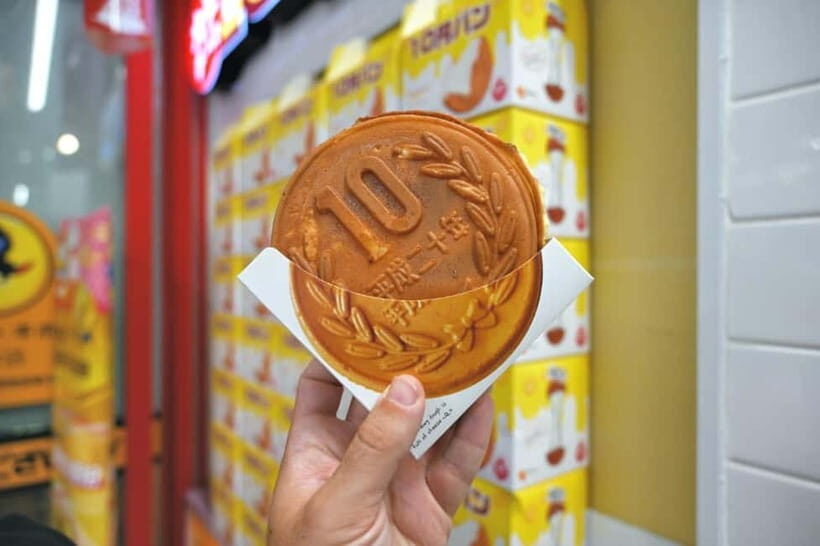
You’ll get a snack like a Korean-style corndog or takoyaki. Either way, you’re in for street-food comfort: hot, handheld, and built for walking. It’s also a good moment to slow down just enough to notice the smells and storefront signs while your mouth stays busy.
Then comes a small, fun detail: the tour includes grabbing a 10-yen coin. It’s a quirky souvenir, but it also gives you a tiny piece of Tokyo’s everyday money culture. You’re not just collecting branded stuff—you’re collecting an object with a story for the night.
The drawback here is simple: street snacks mean a bit of mess. Plan to eat with napkins, take your time, and don’t wear light-colored clothes if you’re worried about oil spots.
Don Quijote Discount Chaos: Quirky Finds and Snack Browsing
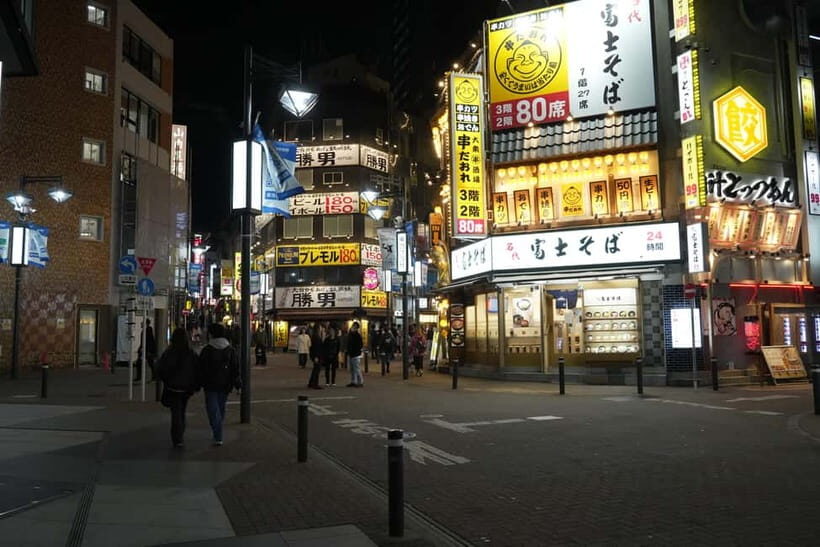
After the street bites, you’ll make a stop at Don Quijote, famous as Japan’s top discount store. This isn’t the calm version of shopping—it’s the full sensory experience, with shelves that feel like they’re competing for your attention.
That’s exactly why it works on this tour. After eating on the street, you’ll understand how Japanese shopping culture blends convenience, snacks, novelty, and gifts in one place. You’ll have time to wander and pick treats or souvenirs you genuinely want, not just what a standard route “expects.”
Look for snack packs you can bring home, small character goods, and other oddball items that feel very Shibuya. This stop is also useful if you want to extend your night with something edible you can finish later in your room.
Keep in mind: Don Quijote is a lively store, so expect crowds and narrow aisles in peak times. If shopping stresses you out, treat it like a guided browsing window rather than a slow museum stroll.
A few more Tokyo tours and experiences worth a look

Tokyu Hands: Design Stationery and Creative Goods
After Don Quijote, you’ll head to Tokyu Hands. This is a very different vibe: more design-forward, stationery-focused, and full of practical creative items. If you like Japanese paper goods, gadgets, and neatly packaged “I didn’t know I needed this” products, you’ll get it fast.
Tokyu Hands is a smart final shopping stop because you’ll be in a better frame of mind by then. Early on you’re chasing food and lights; later you’re hunting for items that feel personal. The guide can help you spot what’s worth buying in a store this large.
You’ll finish with a relaxing break in a cozy café. That pause is more than a nice touch—it helps you recover after the walking, and it gives you a moment to sort your purchases while the taste of the night settles in.
If you’re sensitive to noise, sit near a wall or choose a slightly quieter spot inside the café.
The Included Tastings: How to Make the Most of Four Dishes
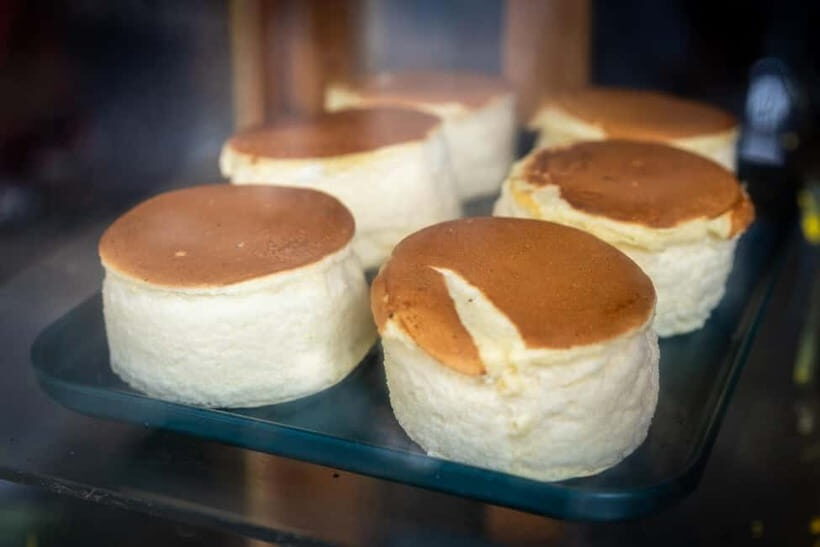
The tour includes tastings of four iconic Tokyo dishes, and the highlights specifically call out onigiri and Japanese sponge cake. That balance matters. Onigiri gives you savory comfort with Japanese texture and hand-held convenience. Sponge cake brings the sweet side, which is a good counterweight after salty and fried bites.
Because the included tastes are part of a guided flow, you don’t have to guess what to order in Japanese or worry you’ll pick something underwhelming. I also like that the route uses well-known food anchors—konbini snacks, street bites, and simple favorites—so you get a fair sampling of what defines Shibuya food culture.
How to pace yourself: eat slowly at each stop, and don’t over-order at the café if you’ve already had enough. The tour gives you the set tastes; your “bonus” should come from personal choices, not from accidentally stacking too much food.
Practical tip: since you’ll likely eat while standing and walking, take smaller bites and sip water often. It keeps the flavors clear instead of mixing everything into one blur.
Price and Value: What You’re Really Paying For at $119
At $119 per person, this tour isn’t a bargain snack crawl. It’s a guided nighttime experience that bundles multiple stops, bilingual support, and included tastings.
So is it worth it? For me, it comes down to what you gain:
- You get a guide to connect the dots between icons, food, and shopping culture.
- You get included tastings (four iconic dishes), which reduces the guesswork on what to try.
- You get a small group setup, meaning less waiting around and more attention at key stops like the crossing and konbini.
If you’re visiting Shibuya for only one or two nights, the cost becomes easier to justify. This route hits the area’s big visuals (Hachiko and the crossing), plus food that locals grab quickly, plus shopping you can actually use after you leave—snack souvenirs, design goods, stationery, and practical treats.
If you prefer to wander entirely on your own, you might spend less. But you’d lose the focused order of stops and the convenience of having someone handle the food selection and pacing.
Small Group Energy and Bilingual Guidance (English and Spanish)
One of the quiet advantages here is English and Spanish bilingual guiding. Even if you speak some Japanese, having someone explain what you’re tasting in your language makes everything calmer and more fun.
I also like that the tour feels structured like a stop-by-stop night walk. It’s not just a “here are the streets, good luck.” The guide’s role is to move you through the right areas at the right times, and keep you from getting separated in the crowd chaos.
The included tastings also benefit from explanation. You’re not only tasting; you’re learning what makes each item typical—how onigiri works as a grab-and-go staple, or why konbini snacks are designed for speed and portability.
Weather, Shoes, and Night Walking Reality Checks
This tour runs in all weather conditions, so you’ll want a plan for rain. Dress appropriately for the night and bring what you need to stay comfortable. The one requirement that truly matters is comfortable shoes—you’re walking through Shibuya, then walking again through store areas and back.
Bring a camera, too. The meeting point area and Shibuya Crossing are photo magnets, and the guide’s pacing helps you capture them without turning the whole night into a traffic jam of selfies.
Also remember: dietary restrictions can be accommodated with prior notice. If you need adjustments, make that clear before the tour so the guide can steer you toward options that work.
Who This Tour Suits Best (and Who Should Skip It)
This is a great fit if you want Shibuya at night in a way that’s practical and food-focused. You’ll enjoy it most if you like:
- easy-to-eat Japanese favorites like onigiri
- classic sweet-and-savory balance (including Japanese sponge cake)
- shopping that feels tied to local culture (Don Quijote, Tokyu Hands)
- a guided route so you don’t waste time hunting for snacks and signs in the dark
It may not suit you if you want a fully accessible experience. The tour is not suitable for wheelchair users, and it’s not built for slow, minimal-walking sightseeing. Also, pets aren’t allowed.
If you’re traveling with a friend and you both like food and shops, a small group format will feel especially good. You get shared energy without the big-tour feeling.
Should You Book This Shibuya Food Tour?
Book it if you want an organized nighttime sampler of Shibuya: Hachiko Square, Shibuya Crossing, konbini snacks, street bites around Center Gai, plus shopping stops that give you souvenirs you’ll actually use. The included tastings make it feel fair for the price, and the bilingual guide helps you enjoy the food and the culture without language friction.
Skip it if you already know exactly what you want to eat and shop, and you’d rather wander with zero structure. Also skip if walking at night is a problem for you.
If you’re on the fence, I’d decide like this: if Shibuya is one of your main stops in Tokyo, this tour is a strong way to get value out of your time—because it turns the neon chaos into a guided, bite-by-bite route.
FAQ
Where is the meeting point for the tour?
Meet at Hachiko Square next to the Hachiko Statue. The guide will be waiting with a sign of Amigo Tours. Arrive at least 10 minutes before departure time for check-in.
What language is the guide?
The tour offers an English and Spanish bilingual guide.
What food is included in the tour?
The tour includes tastings of four iconic Tokyo dishes. Highlights specifically mention onigiri and Japanese sponge cake, and the route also includes konbini snacks such as an egg sandwich, onigiri, and crispy fried chicken, plus street foods like Korean-style corndog or takoyaki.
Do I need to plan meals or bring extra money for food?
Additional meals or drinks are not included beyond what the itinerary mentions. Personal expenses during the tour are also not included.
Does the tour run in bad weather?
Yes. The tour operates in all weather conditions, so dress appropriately for the conditions.
Is the tour refundable or flexible to book?
You can reserve and pay later. Cancellation is allowed up to 24 hours in advance for a full refund. The tour is not suitable for wheelchair users, and pets are not allowed.