REVIEW · OSAKA
Osaka: Gluten-Free Ramen and Gyoza Cooking Class
Book on GetYourGuide →Operated by yuki Japanese cooking class · Bookable on GetYourGuide
Flour and technique, minus the wheat. This Osaka class has you making gluten-free ramen noodles and gyoza from scratch in a small home setting with Yuki teaching in English.
I like two things most: you learn how to build the dough and wrappers yourself (not just assemble a kit), and Yuki’s teaching style is calm and step-by-step, so beginners can keep up.
One thing to plan for is the format: it’s a hands-on cooking session in a residential kitchen, and the group is limited to 4, so you’ll want to book early if you have a specific date in mind.
In This Review
- Key highlights you’ll feel fast
- A cozy Osaka home class built around gluten-free ramen and gyoza
- The noodle lesson: turning rice flour into chewy ramen
- Soy sauce ramen and tomato ramen: building flavor in two directions
- Gyoza wrappers from scratch: rice flour and the art of folding
- Pan-frying for crunch: getting the crispy outside, tender inside
- Sake pairing optional: Junmai, Junmai Ginjo, and a warm pour
- Your meal: eating what you made, in a cozy dining setup
- Price and value: what $103 buys you in Osaka cooking time
- Who this cooking class is perfect for (and who should skip it)
- Quick tips so you get the best experience
- Should you book this Osaka gluten-free ramen and gyoza class?
- FAQ
- How long is the Osaka gluten-free ramen and gyoza cooking class?
- What dishes will I make during the class?
- Does the class price include a meal and recipes?
- Is the class taught in English, and do I need cooking experience?
- How many people are in the group?
- Where is the meeting point, and is transportation included?
- Is sake included with the class?
- Can I cancel for a full refund?
Key highlights you’ll feel fast
- Rice-flour ramen noodles made to stay chewy without wheat
- Soy sauce ramen plus tomato ramen for a classic and a playful twist
- Gluten-free gyoza wrappers from scratch using rice flour
- Crisp, pan-fried dumplings through folding skills and heat control
- Optional sake pairing: Junmai, Junmai Ginjo, and warm Junmai
A cozy Osaka home class built around gluten-free ramen and gyoza
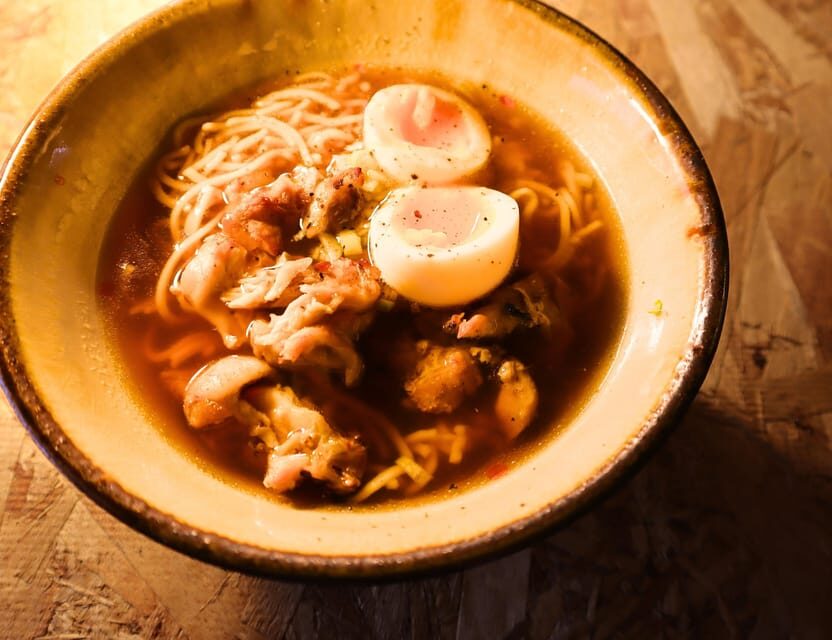
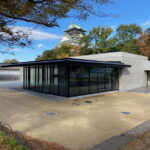
This is the kind of experience that makes Osaka feel personal. You meet at 4-19 Nukata-cho, about a 5-minute walk from Nukata Station, in a quiet residential neighborhood. The venue is an actual home setup, marked with a welcoming sign at the entrance, so you’re not shuffling through a classroom or watching from the other side of a glass.
The class itself runs 3 hours, and it’s designed for small groups of up to 4. That small size matters because you can actually ask questions while you’re mixing, shaping, and cooking—not later, not during a rush, but right when you need help.
And yes, it’s gluten-free by design. This is not “we’ll make one dish gluten-free so you can eat too.” The ramen noodles and gyoza wrappers are built from rice flour, so the whole process teaches you how gluten-free dough behaves and how to work with it.
You can also read our reviews of more cooking classes in Osaka
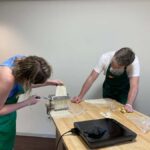
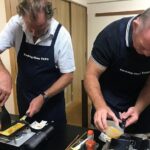
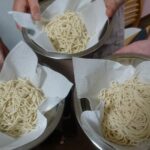
The noodle lesson: turning rice flour into chewy ramen
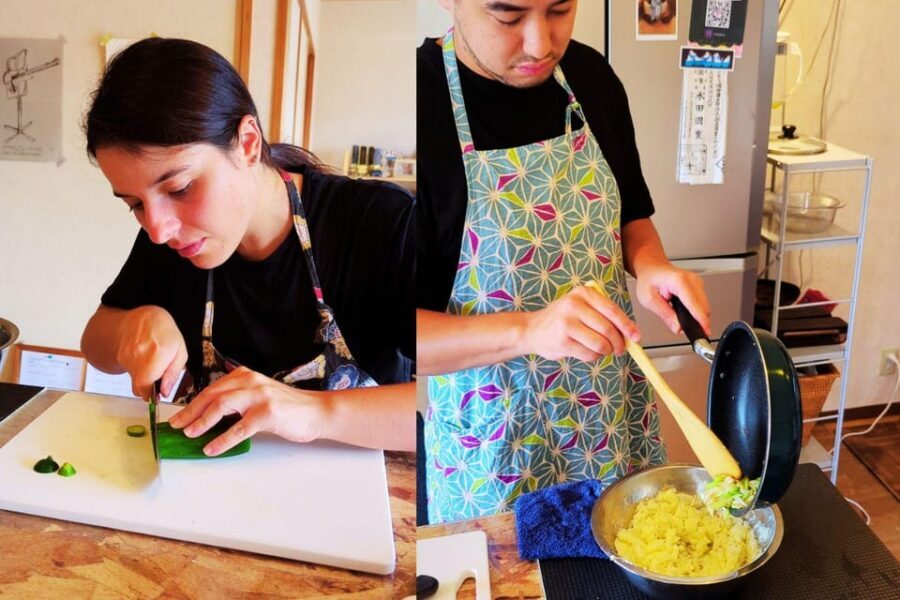
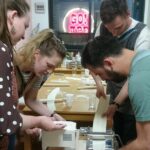
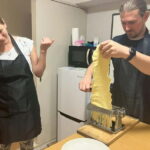
Ramen is all about texture. In this class, the texture lesson starts with the noodles: you’ll make gluten-free ramen noodles using rice flour, then learn techniques aimed at that chewy feel you usually associate with wheat noodles.
What’s useful here is that you’re learning the logic of the dough, not just a single step. Rice-flour dough can be delicate and easy to mishandle, so the instruction focuses on getting you comfortable with what the dough wants—how it comes together, how it changes as you handle it, and how to shape it without tearing your effort apart.
Even if you’ve never cooked before, you shouldn’t feel lost. The class is built with beginners in mind (no prior cooking experience required). The pacing and the personal attention are the real value: when you’re learning dough work, having someone correct you early is the difference between noodles that behave and noodles that turn into sticky frustration.
Soy sauce ramen and tomato ramen: building flavor in two directions
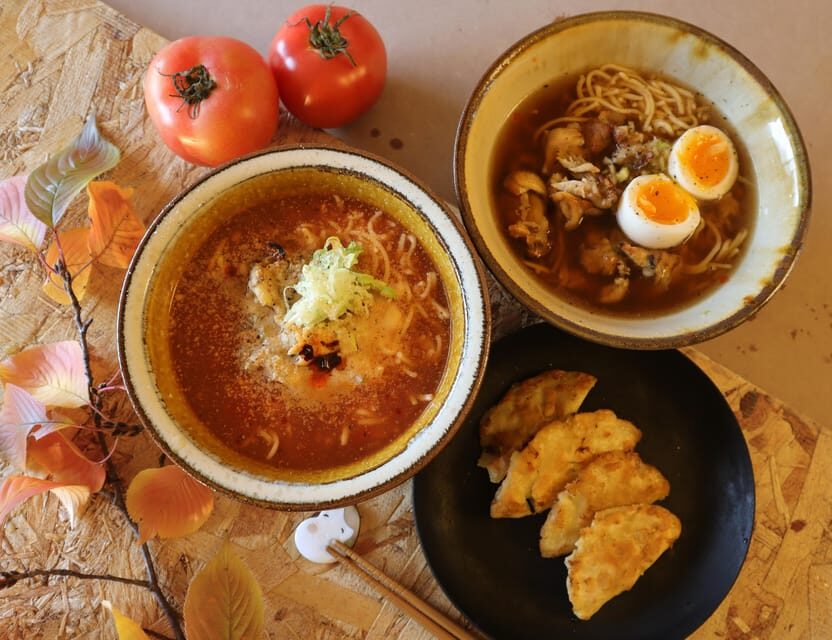
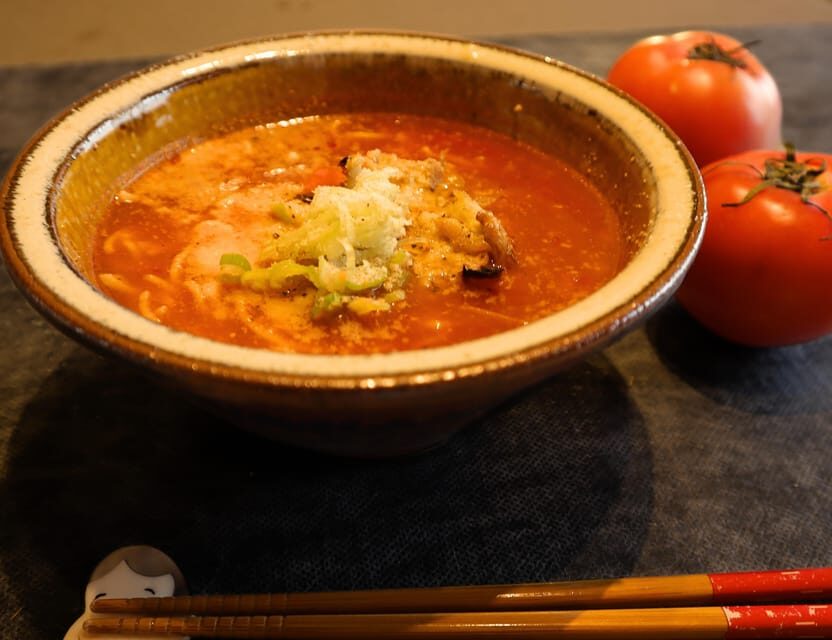
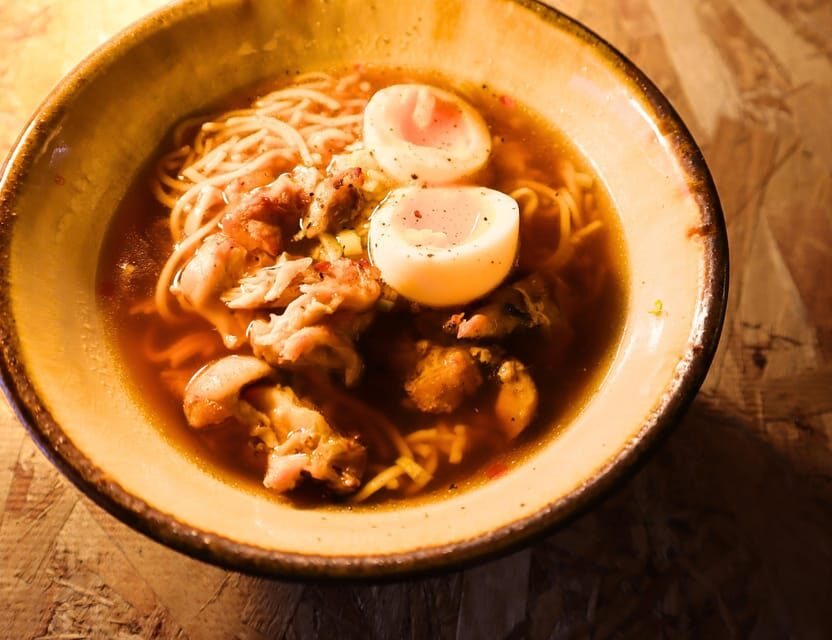
Once the noodles are handled, you’ll move into broth and sauce, and this is where the class gets genuinely fun. You make a soy sauce ramen that’s savory and classic in spirit, then you also make a tomato ramen—a modern twist that’s less common, even in Japan.
Why this combo works for you:
- Soy sauce ramen anchors you in a traditional Japanese flavor structure, so you understand what makes it taste like ramen.
- Tomato ramen shows how Japanese cooking can evolve. You get a tangy, different direction while still working within the ramen framework.
You’ll learn how to pair your fresh noodles with the broth you’re making. That’s the practical win. A lot of cooking classes teach a dish. This one teaches how the pieces connect—noodles to sauce, sauce to taste—so you can recreate it at home instead of guessing later.
Gyoza wrappers from scratch: rice flour and the art of folding
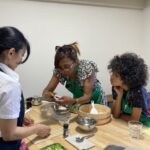
Gyoza is where your hands really take over. You’ll craft gluten-free gyoza wrappers from rice flour, then make the filling and fold the dumplings.
The wrapper part is more than a detail. Wheat gyoza wrappers have elasticity that gluten helps with. Rice flour wrappers don’t behave the same way, so you learn how to manage the dough so it seals and cooks cleanly.
Then comes the folding. Folding gyoza sounds simple until you’re doing it for real—angles matter, pressure matters, and you want a seal that holds when it hits a pan. The class focuses on making the dumplings the right way so you get that satisfying bite later.
If you’ve ever struggled with dumpling technique, you’ll appreciate that the instruction is specific. The goal is consistent results: dumplings that hold together and don’t burst, with edges that cook up into something you can actually be proud of.
Pan-frying for crunch: getting the crispy outside, tender inside
Gyoza isn’t just folding and filling. The big payoff is what happens in the pan.
In this class, you’ll pan-fry the gyoza until they reach a golden state. The instruction is aimed at creating that classic contrast: crispy outside and tender inside. That balance can be hard when you’re learning—too much time and they get dry, too little and they’re pale and underdone.
This is one of the most valuable “learn it once, repeat it forever” parts of the experience. When you cook the dumplings yourself, you understand what golden looks like and how the heat changes the dough. That’s the kind of knowledge you actually use after your trip, especially if you want to keep serving gluten-free gyoza at home.
A few more Osaka tours and experiences worth a look

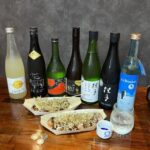
Sake pairing optional: Junmai, Junmai Ginjo, and a warm pour
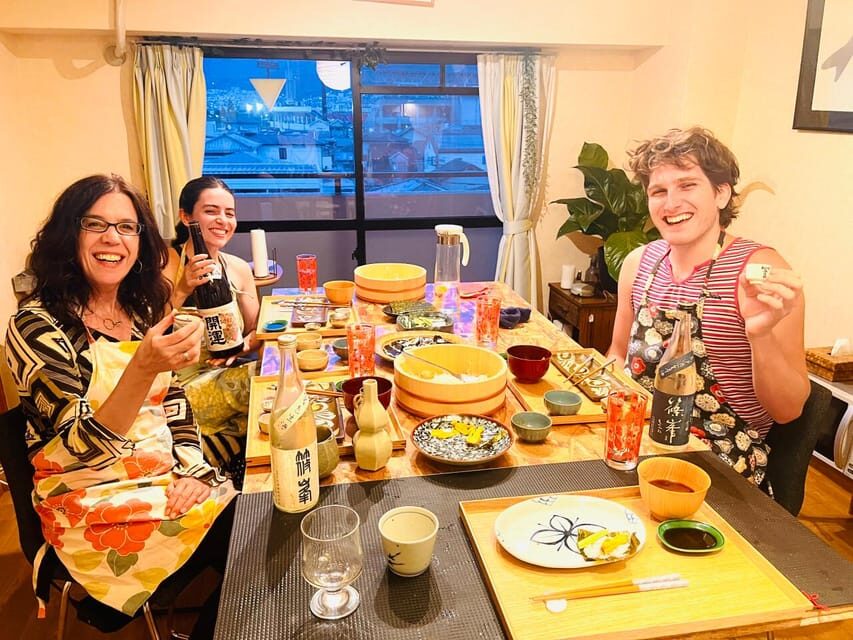
If you choose the optional sake pairing, the class includes three 45ml servings. You’ll get:
- two chilled sakes: Junmai and Junmai Ginjo
- one warm Junmai
This isn’t just a drink-and-chat moment. It’s used to complement what you’re eating, so the pairing helps you pay attention to how flavors shift with acidity, salt, and richness. It also adds a light cultural layer to the meal, since Japanese dining often includes drink choices that match the food style.
If you don’t want alcohol, you can still enjoy the meal you cooked. The class remains centered on the ramen and gyoza work.
Your meal: eating what you made, in a cozy dining setup
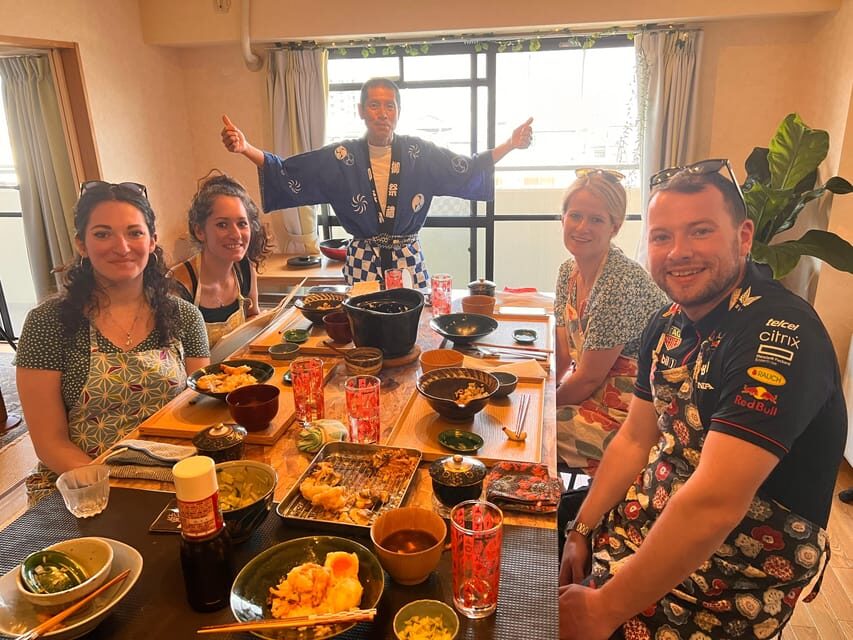
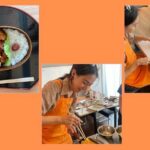
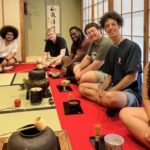
When cooking finishes, you gather in a cozy dining area and eat the meal you made. Yuki guides you through flavors and how each dish tastes together. That’s the moment where it clicks: your noodles, your broth, your gyoza, your folds, your pan-fry results.
What I like about this kind of structure is that it turns cooking into a complete experience. You don’t just learn techniques and then leave with a bag of tools and no feedback. You taste your work while the instructor is still there to help you connect technique to outcome.
And from the instructor’s style—patient, kind, and supportive—there’s usually plenty of room for questions while everything is fresh. People consistently enjoy that the class feels welcoming and home-like, not stiff.
Price and value: what $103 buys you in Osaka cooking time
At $103 per person for 3 hours, this class isn’t the cheapest option in Osaka. But it’s also not paying for a generic tasting menu. You’re paying for:
- a small group setup (up to 4 people)
- a personal instructor focused on technique
- gluten-free ramen noodles and gyoza wrappers made from scratch
- a full meal of what you cook
- recipes and tips you can use later
Gluten-free cooking classes that teach wheat-free noodle and wrapper technique are still relatively rare. That’s part of the value: you’re learning a skill set you can reuse at home, not just collecting a nice souvenir meal.
Also, the fact that Yuki teaches in English helps a lot if you want real understanding, not just following gestures. You’ll be able to connect what you’re doing to why it works.
Who this cooking class is perfect for (and who should skip it)
This class fits best if you:
- need gluten-free options and want more than a substitute dish
- love ramen and gyoza and want to learn how they’re built
- enjoy hands-on cooking with guidance, especially if you’re a beginner
- want a small, friendly experience in Osaka with a teacher who supports questions
It may not fit if you:
- don’t want to cook at all and prefer a purely sightseeing or eating-focused outing
- have limitations that make kitchen work hard (the class isn’t suitable for people over 95 years)
Quick tips so you get the best experience
- Come hungry. The class is built around learning and eating your meal at the end.
- Wear comfortable clothes. You’ll be moving around a kitchen environment and getting flour on your sleeves is part of the deal.
- Plan to pay attention during noodle and wrapper steps. Those early stages control how smooth the rest goes.
- If you care about pairing, decide in advance about the optional sake so you can enjoy it with the meal.
Should you book this Osaka gluten-free ramen and gyoza class?
I’d book it if you want a real skill-building food experience, especially if gluten-free matters to you. The biggest reason is simple: you learn rice-flour noodles, soy sauce ramen, a tomato ramen twist, plus gluten-free gyoza wrappers and the folding and pan-frying that creates that crispy dumpling result.
Skip it only if you’re mainly after a casual meal with no interest in cooking, because the point here is the hands-on craft and the payoff is what you make and eat.
If you’re in Osaka and you want an activity that feels like Japanese food done with care, this one is a strong choice.
FAQ
How long is the Osaka gluten-free ramen and gyoza cooking class?
The class lasts 3 hours.
What dishes will I make during the class?
You’ll make gluten-free ramen noodles and then prepare soy sauce ramen and tomato ramen. You’ll also make gluten-free gyoza wrappers, prepare gyoza filling, fold the dumplings, and pan-fry them.
Does the class price include a meal and recipes?
Yes. Your price includes a full meal of your creations, plus recipes and tips.
Is the class taught in English, and do I need cooking experience?
The instructor teaches in English. The class is designed for all levels, and no prior cooking experience is required.
How many people are in the group?
The class is a small group limited to 4 participants.
Where is the meeting point, and is transportation included?
You meet at 4-19 Nukata-cho, Osaka, about a 5-minute walk from Nukata Station. Transportation to the venue is not included.
Is sake included with the class?
An optional sake pairing is available. If you choose it, it includes three 45ml servings: two chilled (Junmai and Junmai Ginjo) and one warm (Junmai).
Can I cancel for a full refund?
Yes. You can cancel up to 24 hours in advance for a full refund.