REVIEW · NAGOYA
Gujo, Hida Takayama, and Shirakawa-go Day Tour from Nagoya
Book on Viator →Operated by エアーチョイス · Bookable on Viator
A whole slice of Gifu in one day. This Nagoya day tour links three famous Edo-era towns with comfortable transport and free time to explore at your own pace. I especially like that the stop admission is free and that you still get an English-speaking staff presence even though the tour isn’t a walking, talking guided tour. The main drawback to plan around is timing: you only get about an hour in Gujo and under two hours in Shirakawa-go, so you’ll want to pick what you want to see fast.
You’ll start early from Nagoya Station, ride an air-conditioned vehicle, and move through the countryside with a small group cap (up to 49). Expect a relaxed rhythm: arrive, wander, eat if you want (lunch isn’t included), then hop back on the bus. If you’re the type who wants unhurried museum-style explanations at every stop, this one may feel a bit like guided logistics with independent sightseeing.
In This Review
- Key Highlights You’ll Actually Feel
- Price and Value: What You’re Paying For
- Meeting Point at Nagoya Station (The Part That Can Confuse You)
- How the Day Flows: Realistic Timing From 8:30 to 19:30
- Gujo Hachiman: Edo-Era Streets and the Waterway That Runs Through Town
- Hida Takayama: Old Streets, Shops, and Everyday Snacks
- Shirakawa-go: Gassho-Zukuri Houses and Rural Japan’s Quiet Power
- The Guide Style: Logistics First, Explanations Second
- Bus Comfort and Group Size: What Matters on a Long Day
- What Kind of Traveler Should Book This?
- Should You Book It? My Decision Guide
- FAQ
- Is lunch included?
- Do I need to pay admission fees at the stops?
- Is there a guide who walks with the group at each location?
- Where do I meet in Nagoya?
- How long is the day trip?
- How much time do I get at each place?
- What transportation do they use?
- Is this tour good for most people?
- What if weather is bad?
Key Highlights You’ll Actually Feel
- Three classic towns, one day: Gujo Hachiman, Hida Takayama, and Shirakawa-go (plus Gokayama-style village heritage nearby).
- Free admission at each stop: Your wallet stays happier than most multi-stop tours.
- English-speaking staff support: No guide walking with you, but there’s still help if you need it.
- Short, smart time blocks: About 60 minutes in Gujo, 120 minutes in Takayama, and 100 minutes in Shirakawa-go.
- Small-ish group size: Up to 49 travelers, which usually keeps the day from feeling like a cattle call.
- Mobile ticket convenience: No paper fuss.
Price and Value: What You’re Paying For
At $61.90 per person for an 11-hour day, this tour is less about a full-service guided experience and more about efficient “get me there” travel. You’re paying for the bus, the logistics, and the fact that you can connect three major destinations that would be harder to piece together yourself in one long day.
A big value signal is free admission for each stop. Even though you still have to cover your own food (lunch isn’t included), you avoid the common problem of paying for entry fees on top of the tour price. Add the ride time from Nagoya plus the back-and-forth travel time you’d otherwise spend figuring out trains or buses, and the price starts to make more sense.
My practical take: this is a good deal if you want a taste of rural Gifu without spending extra time planning or arranging transportation.
You can also read our reviews of more tours and experiences in Nagoya.


Meeting Point at Nagoya Station (The Part That Can Confuse You)
You’ll meet at 8:20 am at the West Police Box at Taikodori Exit, Nagoya Station. The staff member is holding a blue flag, and the tour name is listed as Wonder Tours. There’s a taxi terminal outside the Taiko Exit, and you walk about 20 meters toward it—then the police box is on the right.
This is also where I’d be a little alert. One person can easily miss the right group if multiple tour groups cluster around the same area on busy days. Give yourself a little buffer time inside Nagoya Station if you’re arriving close to 8:20, and check that the flag matches.
How the Day Flows: Realistic Timing From 8:30 to 19:30
The schedule runs like this:
- 8:30 departure from Nagoya
- Gujo Hachiman: about 60 minutes
- Hida Takayama: about 120 minutes (includes free time for lunch)
- Shirakawa-go: about 100 minutes
- 19:30 return to Nagoya Station
Two important realities:
- This is not “slow travel.” It’s a fast but comfortable sampler platter.
- The itinerary may shift due to road conditions, and there are no refunds if it changes—so think of the times as targets, not promises.
Also, the tour requires good weather. If weather turns bad, you’ll be offered a different date or a full refund.
Gujo Hachiman: Edo-Era Streets and the Waterway That Runs Through Town
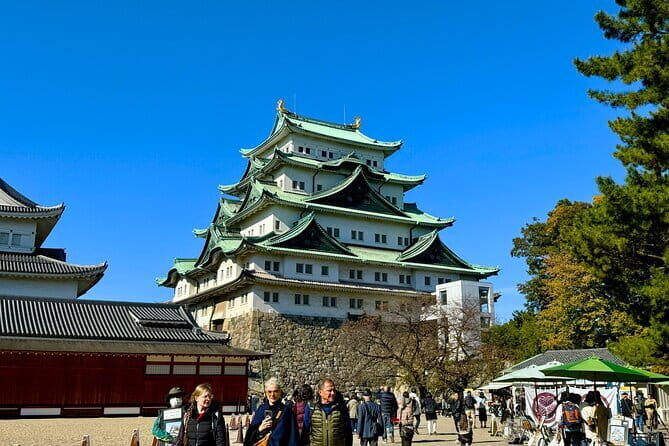
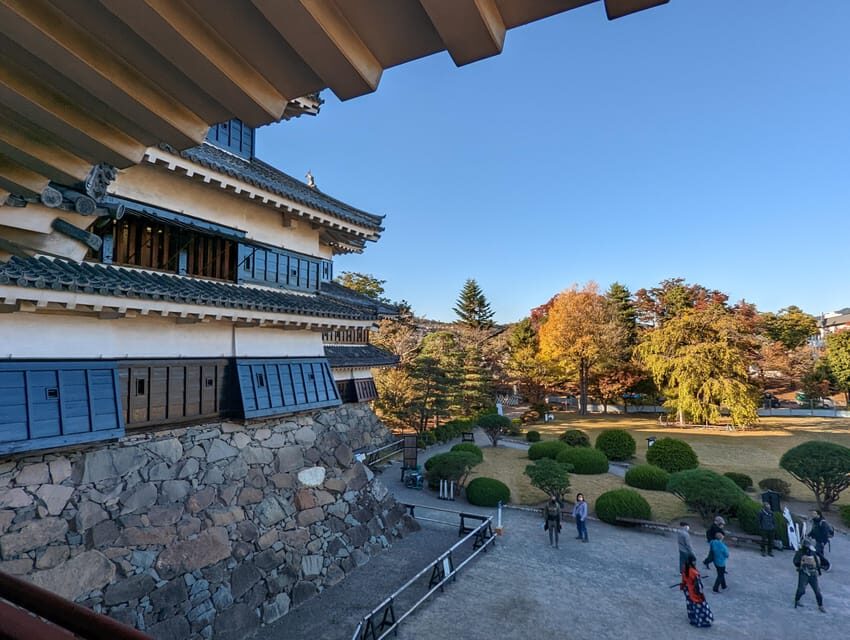
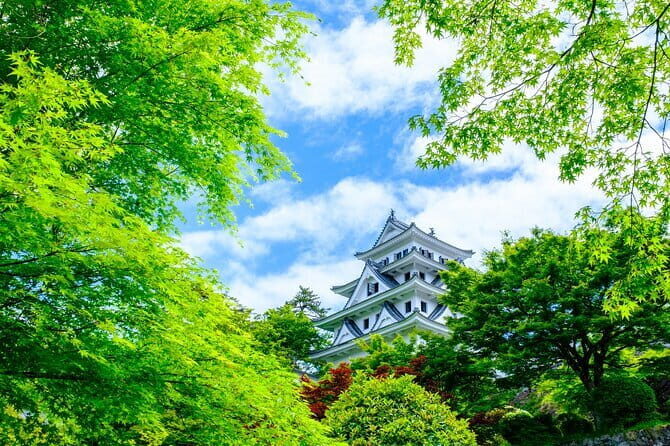
Gujo Hachiman is the most “storybook” start on this route. The town keeps an Edo-period feel, and parts of the old town are designated as a group of important traditional buildings by the national government. What makes it stand out is the waterway that runs past the eaves of the houses—so you’re not just looking at old architecture. You’re seeing how daily life and water have shaped the town’s layout.
With only about one hour, you’ll want to move with intention:
- Plan to stroll the main old-street area first.
- Spend a bit of time just observing how the water interacts with the streets and buildings.
- If you like photos, prioritize angles where the water and rooflines are both in frame.
The one downside is that the town can involve uphill walking—think steps and slopes. If you’re used to city-flat walking, you may feel the effort by the end of the hour, but many people feel it’s worth it once you’re there.
Hida Takayama: Old Streets, Shops, and Everyday Snacks
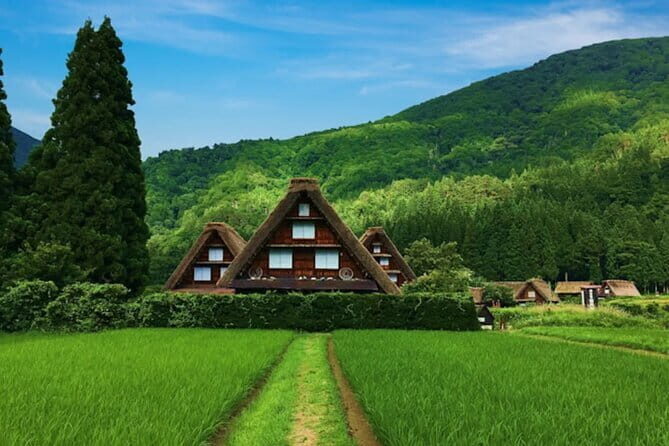
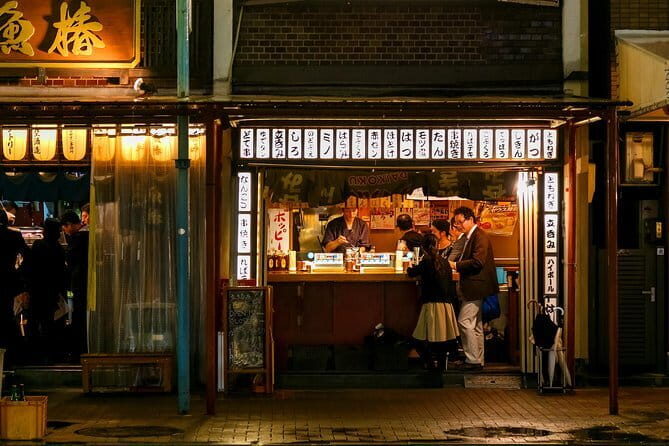
Next is Takayama, a classic castle-town vibe with an Edo-era atmosphere. This stop is ideal if you like wandering streets that feel lived-in rather than staged. You’ll get about two hours, with free time to shop and eat—your lunch isn’t included, but this is your built-in window to grab something nearby.
What I like about this timing is that it’s balanced. You have enough time to:
- Walk the old streets slowly enough to actually see storefronts and crafts.
- Mix browsing with food.
- Stop whenever you find something you like (handicrafts, and even candy stores).
If you go in “planning mode,” aim for one or two souvenir categories you actually want—regional crafts or small edible gifts—then don’t get distracted chasing everything. Two hours goes quickly once you start sampling snacks.




Shirakawa-go: Gassho-Zukuri Houses and Rural Japan’s Quiet Power
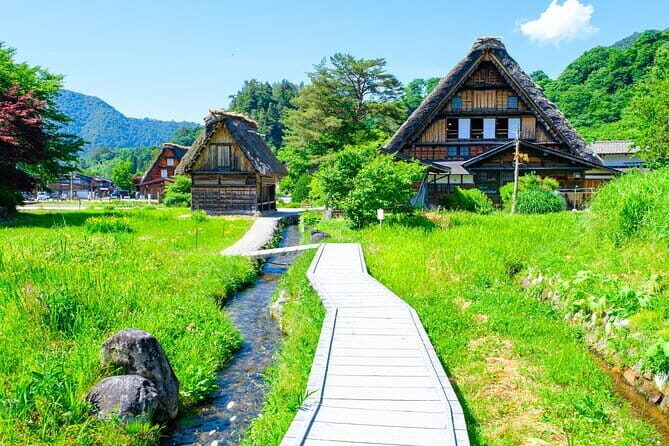
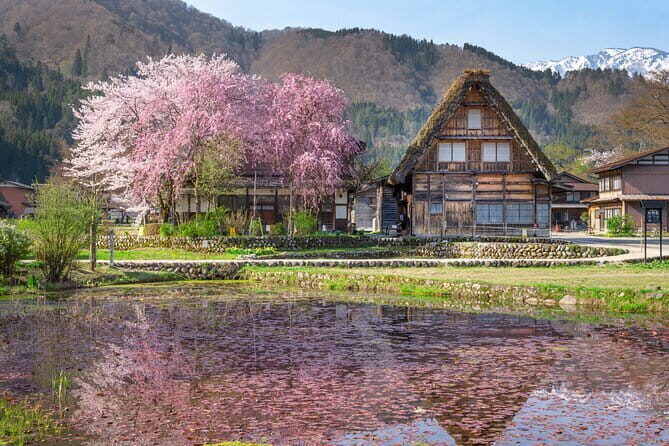
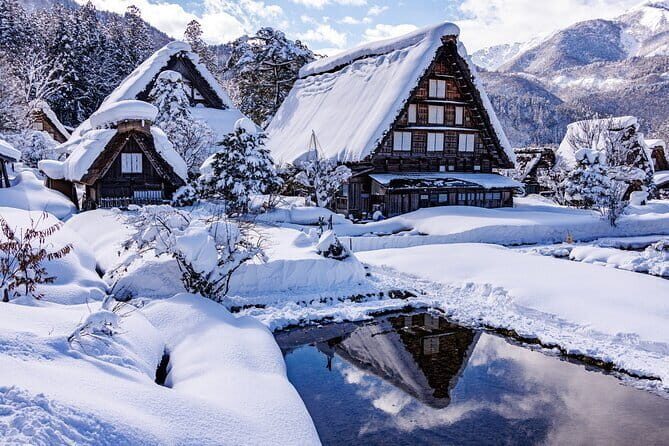
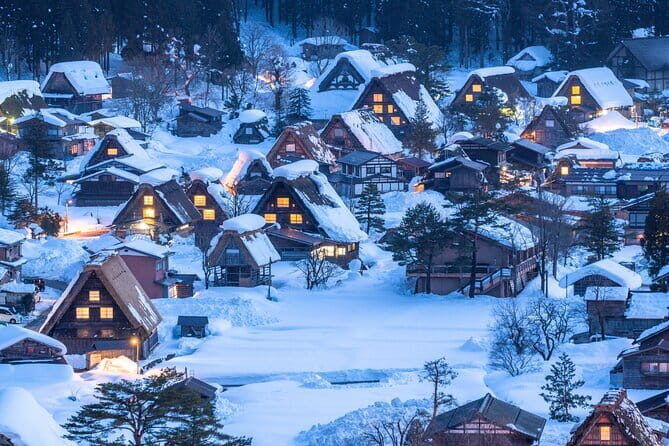
Shirakawa-go and the Gokayama gassho-style villages are the big nature-and-tradition anchor of the day. The core here is the gassho-zukuri houses—farmhouses with steep thatched roofs—plus the fact that many homes are still used by residents. It’s also recognized as a World Heritage Site, and it’s been noted in the Michelin Green Guide Japon.
You’ll have about 100 minutes, which is enough to:
- See a couple of the major viewpoints or clustered house areas.
- Walk between sections at a comfortable pace.
- Take photos without feeling like you’re rushing every single step.
But here’s the practical consideration: this is a village. That means walking paths, photo stops, and crowd movement all take time. If you want your best photos, pick an area quickly and then circle back for a second angle rather than drifting randomly.
Also remember: lunch isn’t included, so if you want food in Shirakawa-go, budget time and money for it inside that 100-minute window.
The Guide Style: Logistics First, Explanations Second
One of the defining features is that no guide walks with you. Instead, there’s an English-speaking staff member and a driver, and you’re free to explore at each stop.
This can be a plus. You’re not trapped in a slow group pace. You can linger where you care most and skip what doesn’t spark your interest.
But it’s also a mismatch if you want deep narration at every turn. If that’s you, you may wish you had done a bit of pre-reading so the village layouts, Edo-era features, and gassho-roof styles make sense faster while you’re there.
A nice side effect of the staff-on-hand setup: if you get turned around, you still have someone to ask about where the bus will be or what time to return.
Bus Comfort and Group Size: What Matters on a Long Day

You’ll ride in an air-conditioned vehicle, which is a real comfort boost on a long day trip. The cap is up to 49 travelers, which is large enough to be organized but usually small enough that you don’t feel completely swallowed.
If you’re sensitive to long rides:
- Bring something for the bus ride (a light layer, a small snack if you’re allowed to).
- Try to time bathroom breaks before departures between stops so you aren’t waiting.
This kind of day trip is all about keeping energy for the walking parts. The bus is the easy part.
What Kind of Traveler Should Book This?
I think this tour fits best if you:
- Want an efficient first look at three Gifu highlights from Nagoya.
- Like independent wandering more than a lecture-style tour.
- Are okay with short time windows at each stop and you’re ready to choose priorities.
It’s also a good option for people who want to see classic Japan—Edo-era townscapes and traditional village architecture—without spending days coordinating transport.
If you hate rushing or you want detailed explanations at every stop, look for something with a true walking guide and more time per location.
Should You Book It? My Decision Guide
Book this tour if you want a smart sampler day: Gujo Hachiman’s Edo lanes and waterway, Takayama’s old-street shopping and snack-hunting, and Shirakawa-go’s gassho-roof village experience—all without extra planning.
Skip it (or at least adjust your expectations) if:
- You need long, unhurried time at each site.
- You expect a fully guided experience walking with explanations.
- You’re traveling with limited walking stamina—because you’ll do plenty of walking in each town.
If you go in with that mindset, this is the kind of trip that leaves you with a mental map of rural Japan’s character: old town lines, craft shops, and those steep roof silhouettes you’ll remember long after you’re back in Nagoya.
FAQ
Is lunch included?
No. Lunch isn’t included. There is free time in Takayama specifically so you can get lunch on your own.
Do I need to pay admission fees at the stops?
No. Admission is listed as free for the stops included in the itinerary.
Is there a guide who walks with the group at each location?
No guide accompanies the tour in the walking sense. There is an English-speaking staff member, but you explore each stop on your own.
Where do I meet in Nagoya?
Meet at 8:20 am at the West Police Box at Taikodori Exit, Nagoya Station. The staff member holds a blue flag.
How long is the day trip?
It runs for about 11 hours. It departs at 8:30 am and returns around 19:30.
How much time do I get at each place?
Approximate times are:
- Gujo Hachiman: about 60 minutes
- Hida Takayama: about 120 minutes
- Shirakawa-go: about 100 minutes
What transportation do they use?
You travel by an air-conditioned vehicle.
Is this tour good for most people?
The information says most travelers can participate.
What if weather is bad?
This experience requires good weather. If it’s canceled due to poor weather, you’ll be offered a different date or a full refund.