REVIEW · YOKOHAMA
Japanese Sweets Making & Tea Ceremony in Yokohama, suburban Tokyo
Book on Viator →Operated by Tea Ceremony At Private Home in Yokohama, suburban Tokyo · Bookable on Viator
Sweets and tea at home beats tours. This wagashi and tea ceremony workshop in Yokohama lets you make Japanese sweets first, then practice tea-guest manners in a traditional tatami room. I especially liked making the sweets by hand and then learning how to enjoy the tea ceremony as a proper guest, guided by Ikuyo-san in a relaxed, welcoming way.
One planning note: you’ll need socks to enter the tatami room. If you forget, it’s the kind of small snag that can make an otherwise perfect afternoon feel annoying.
In This Review
- Key highlights you’ll care about
- Heading to Azamino: setting the tone for a calm workshop
- Wagashi making in Yokohama: hands-on sweets, seasonal art
- The tea ceremony guest experience: tatami room manners and calm focus
- The rare part: charcoal procedure
- Matcha time: mixing your own tea and tasting properly
- What you eat and take home (so you plan your afternoon well)
- Who this workshop is best for
- Value check: is $97.55 worth it?
- Best way to pair it with Yokohama plans
- Should you book this wagashi and tea ceremony class?
- FAQ
- What’s included in the wagashi and tea ceremony workshop?
- How many wagashi pieces will I make, and will I take any home?
- How long is the experience?
- Is pickup available?
- Where does the tour start?
- What do I need to bring?
- How many travelers are in the group?
- Will I mix matcha myself?
- When will I get booking confirmation?
Key highlights you’ll care about
- Private-home setting for small groups: the class runs with up to 4 travelers, so questions don’t get lost.
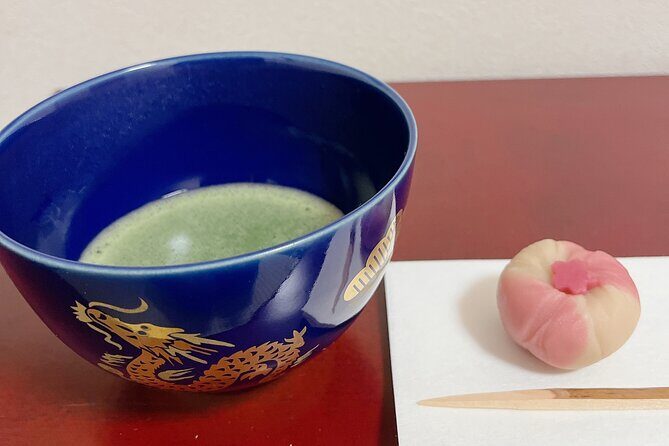
- Season-based wagashi choice: you’ll make 5 pieces, and the type can include nerikiri, gyuhi (mochi), or manjyu depending on the season.
- A rare charcoal procedure: you’ll see how charcoal is used to boil water, not just a standard tea presentation.
- Hands-on matcha: you get matcha and learn to mix it yourself, with guidance at the moment it matters.
- Eat, then take home: you’ll enjoy sweets during the ceremony and also take home the remaining wagashi.
Heading to Azamino: setting the tone for a calm workshop
This experience starts at Azamino Station (meet at 2 Chome, Azamino, Aoba Ward, Yokohama). The schedule is an afternoon slot with a return back to the meeting point, so you don’t have to build your day around a long travel arc. Pickup is offered, which is handy because the workshop happens in a private home in the Yokohama suburbs—not some museum classroom.
What I like about this setup is the pace. You’re not being rushed from one photo stop to the next. Instead, you walk into a space meant for tea and sweets, and that shift alone helps you absorb the details that make Japanese tea culture feel real.
The class is also limited to a maximum of 4 travelers, which tends to change the vibe. You’re more likely to get direct attention and follow-up questions—especially helpful if you’re new to tea ceremony etiquette or you’ve never shaped wagashi before.
A few more Yokohama tours and experiences worth a look
Wagashi making in Yokohama: hands-on sweets, seasonal art
The workshop begins with wagashi making. Wagashi are Japanese sweets, and this class keeps it practical: you learn how to work the dough, then shape your own pieces. You’ll make 5 pieces of wagashi in total, and you’ll use 1 piece during the later tea ceremony segment.
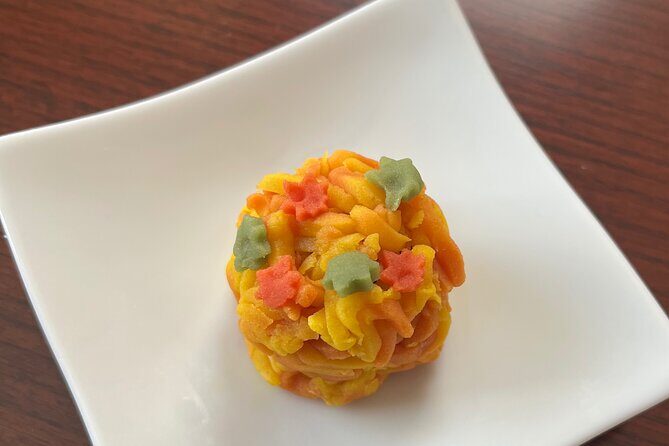
One cool detail: the tea master chooses the wagashi type based on the season. That means you’re not just making a generic sweet; you’re making something tied to the time of year. Common styles you might make include nerikiri, gyuhi (mochi), and manjyu. Even if you don’t know the differences right now, the process helps you understand why these sweets can look simple but still take real skill.
Here’s what you should expect during the making time (about 1.5 hours):
- You’ll work with ingredients provided by the class.
- You’ll learn how the dough should feel and how to shape it.
- You’ll end up with pieces that are pretty enough to serve later, not just edible blobs.
Why this matters: wagashi aren’t only dessert. They’re often the edible side of the same culture as tea ceremony—seasonal, careful, and designed for a specific moment. When you make the sweets yourself, the later tea experience stops being a performance and becomes something you participate in.
The tea ceremony guest experience: tatami room manners and calm focus
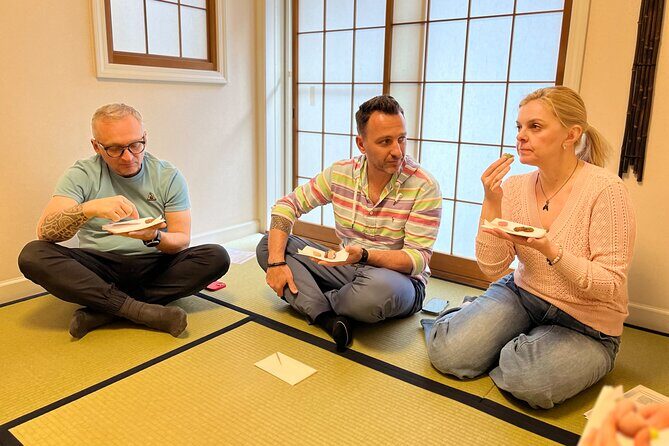
After you finish making your wagashi, you transition into the tea ceremony portion. This is where the class earns its name: it doesn’t just show you how tea is served, it teaches you how to be a guest.
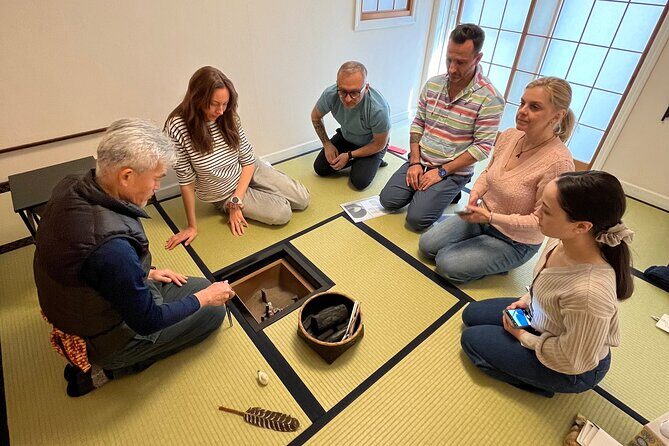
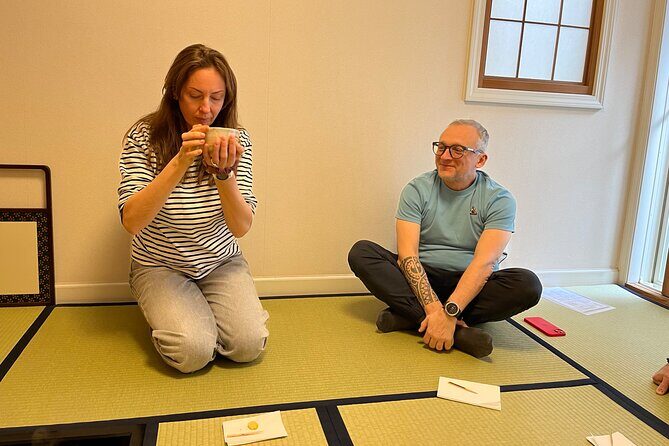
You’ll move into a traditional tatami room for the ceremony. And yes, socks are required for entry. That’s not a trivia detail—it’s part of how the room stays clean and comfortable.
During the ceremony segment, you’ll:
- Learn some background on the tea ceremony from Ikuyo-san.
- Eat the wagashi you made while you’re in the flow of the tea session.
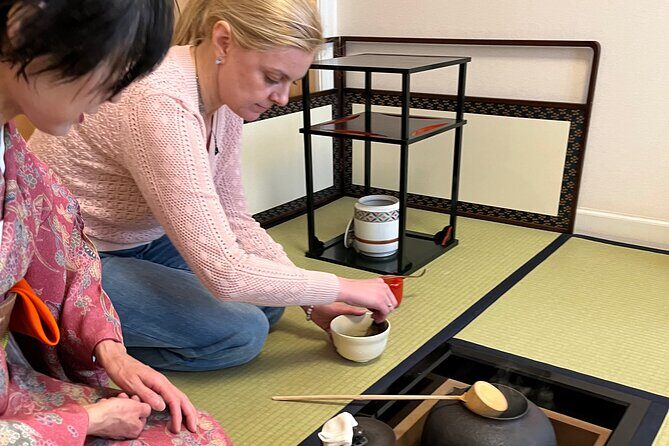
- Watch the tea process demonstrated in a way that explains what each step is trying to achieve.
You’ll also get to ask questions. If you’re the type who normally wonders what people are doing in rituals, this is a good place to ask directly—tea culture has a lot of terms and small actions, and being able to ask in the moment helps.
The rare part: charcoal procedure
One standout is the charcoal procedure. You’ll see the setup where charcoal is added to boil the water. This isn’t something most visitors ever get to watch closely, even people who’ve visited tea shops or tea museums.
From a learning perspective, this moment helps you understand that tea ceremony is about more than flavor. Heat control, timing, and calm attention are built into the process. The ceremony feels slower on purpose, and that slowness makes the whole thing easier to appreciate.
Matcha time: mixing your own tea and tasting properly
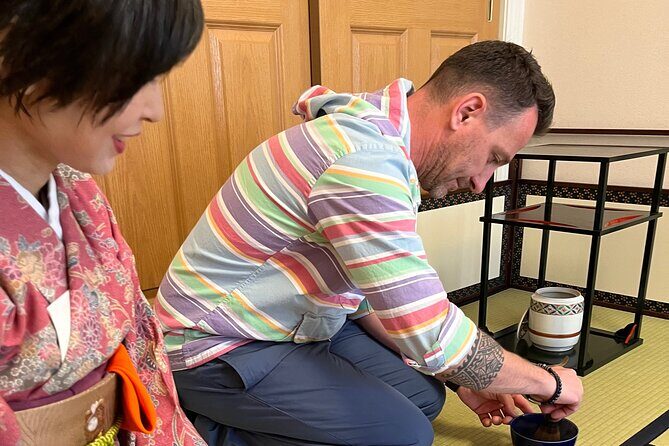
After the tea master demonstrates the ceremony, you’ll try matcha yourself. This isn’t just sipping at the end—it’s a hands-on part of the class, and it’s timed with the sweets you’ve made.
The workshop is designed around multiple tastings:
- You can drink two cups of matcha.
- You’ll eat two pieces of wagashi during the ceremony flow.
- You’ll take home the remaining wagashi pieces afterward.
For the self-mixing part, you’ll follow guidance as you mix matcha. The class notes that you’ll be using wagashi prepared for you as well, which matters because it helps keep the pacing smooth. In other words, you’re not expected to juggle everything at once; you focus on learning the matcha step.
What I like about matcha instruction here: you’re learning the act of mixing in a real setting with a real teacher. That’s more useful than reading tips online, because small cues—how you hold the bowl, how you stir, what you’re aiming for—are hard to guess without seeing it done correctly.
And since you’re drinking matcha alongside sweets, you’ll notice how the sweetness and matcha balance changes as you go. It’s a simple tasting exercise, but it’s also a form of learning. You get to experience tea and wagashi as a matched pair, not two separate items on a dessert menu.






What you eat and take home (so you plan your afternoon well)
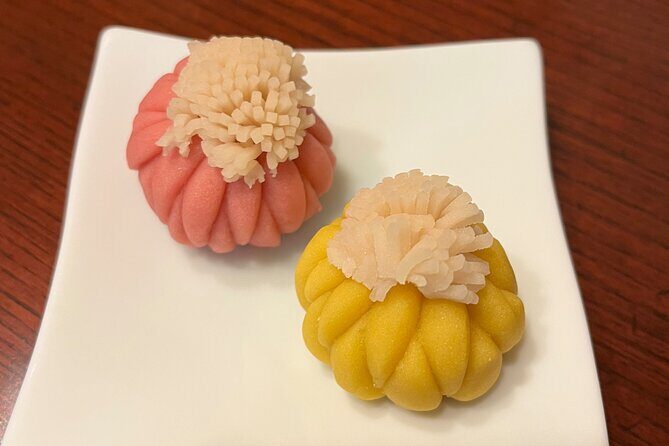
Your class is roughly 3 hours total for both wagashi making and the tea ceremony. Here’s how the edible part breaks down:
- You make 5 wagashi pieces.
- 1 piece is used for the tea ceremony portion.
- During the tea process, you’ll eat 2 pieces of wagashi and drink 2 cups of matcha.
- You’ll take home the remaining 4 pieces of wagashi.
That “make, eat, then take home” structure is a smart value-for-money setup. You get the learning experience plus enough sweets to share or savor later, and you’re not leaving hungry.
Practical tip: plan a lighter snack before class if you’re the type who eats early. If you arrive with a big meal in you, the matcha and sweets might feel like too much. If you arrive a bit hungry, the ceremony tastes better because you’re actually paying attention.
Who this workshop is best for
This is one of those experiences that works for different travel styles, as long as you’re open to slowing down.
- First-timers to tea ceremony: It’s structured, taught in plain steps, and you can ask questions.
- Food lovers who want more than tasting: you’re not just eating wagashi—you’re shaping them.
- Families with older kids: the workshop has worked well with a 13-year-old in past sessions, especially because it’s hands-on and not only lecture-based.
- People who want an authentic local setting: the private-home feel in suburban Yokohama gives you something more personal than a standard storefront activity.
If you’re someone who wants constant sightseeing and big city energy, this might feel too calm. But if you like quiet, respectful cultural activities, it’s a great fit.
Value check: is $97.55 worth it?
At $97.55 per person for about 3 hours, this class isn’t a budget cooking tutorial. What makes it feel worth it is the combination:
- You get private-home instruction with a small group (up to 4 travelers).
- The materials are included: ingredients for making wagashi plus matcha.
- You don’t just watch; you do the key parts—wagashi shaping and matcha mixing.
- You also get a take-home portion: 4 extra wagashi pieces after the ceremony.
In other words, the price isn’t only paying for food. It’s paying for guided cultural practice in a real space, with time to ask questions and learn the guest side of the tea ritual.
The only extra “gotcha” is simple: remember socks for the tatami room.
Best way to pair it with Yokohama plans
If you want a simple add-on to make the day feel complete, you can visit the Yokohama Ramen Museum. It’s about 15 minutes from Azamino Station, making it a natural pairing before or after your workshop.
That pairing works well because your class is quiet and traditional, while ramen is playful and fast. You get contrast without complicated scheduling.
Should you book this wagashi and tea ceremony class?
If your goal is to experience Japanese culture in a way that feels personal—not staged, not rushed—this is an easy yes. I’d book it if you want to learn wagashi hands-on, see the charcoal procedure, and practice tea-guest etiquette in a tatami room with guidance from Ikuyo-san.
Skip it only if you hate instructions, prefer big group tours, or you’re likely to forget the socks and show up flustered. Otherwise, it’s one of those experiences where the learning stays with you—because you literally take a piece of the sweets home and you’ve tasted the tea the right way, not just once.
FAQ
What’s included in the wagashi and tea ceremony workshop?
The class includes the ingredients for making wagashi and matcha (green tea). You’ll also eat wagashi during the tea ceremony and drink matcha during the session.
How many wagashi pieces will I make, and will I take any home?
You’ll make 5 pieces of wagashi. You’ll use 1 piece for the tea ceremony, eat additional pieces during the session, and you can take home the remaining 4 pieces.
How long is the experience?
The workshop lasts about 3 hours total.
Is pickup available?
Pickup is offered. Even without pickup, the meeting point is near public transportation.
Where does the tour start?
You meet at Azamino Station, 2 Chome Azamino, Aoba Ward, Yokohama, Kanagawa 225-0011, Japan. The activity ends back at the meeting point.
What do I need to bring?
You don’t need to bring anything for the wagashi class. You do need socks to enter the tatami room for the tea ceremony.
How many travelers are in the group?
The workshop has a maximum group size of 4 travelers.
Will I mix matcha myself?
Yes. You’ll have matcha prepared for you, and after the demonstration you can try mixing matcha yourself.
When will I get booking confirmation?
Confirmation is received within 48 hours of booking, subject to availability. If you need to cancel, free cancellation is available up to 24 hours before the experience’s start time for a full refund.