REVIEW · KANAZAWA
Kanazawa: Tea Ceremony Experience at Kenrokuen
Book on GetYourGuide →Operated by 陶芸喫茶東山 · Bookable on GetYourGuide
Matcha tastes even better with castle views. This hands-on tea ceremony happens just steps from Kenrokuen Garden, with the stone-gray presence of Kanazawa Castle Park across the street. I love that you get to whisk your own matcha with a traditional chasen instead of just watching. And I also like the calm setting where seasonal views feel part of the lesson. One thing to plan for: the session can run closer to about 2 hours, even if some schedules list 1 hour.
You do not need any prior tea know-how. English support is available, and staff guide you step by step so you can focus on the experience, not translation stress. I especially liked the feeling of having a real instructor, not a fast walkthrough.
This is set up for quiet cultural time, with a freshly made cup of matcha and a traditional Japanese sweet included. Photos are allowed and staff can help you get them, which is useful when the views keep stealing your attention.
In This Review
- Key highlights I’d circle first
- Where Tea House Street Meets Kenrokuen and Kanazawa Castle
- Price That Actually Matches What You Get
- Step Inside Togeikissa Tozan: Tea Rooms, Pottery, and Your Guide
- Whisking Your Own Matcha with a Traditional Chasen
- Seasonal Views: Cherry Blossoms, Autumn Leaves, and Winter Snow
- Pace, Timing, and Photo Moments Near Kenrokuen
- Who This Kanazawa Tea Ceremony Experience Suits Best
- Quick Notes Before You Go (Wear, Allergies, and Comfort)
- Should You Book This Kanazawa Matcha Lesson by Kenrokuen?
- FAQ
- Where is the meeting point for the Kanazawa tea ceremony experience?
- Is admission to Kenrokuen Garden included?
- Do I need any matcha experience before I arrive?
- What’s included in the $29 per person price?
- What languages will I be able to use during the experience?
- How long should I plan for the experience?
- Are children allowed?
- Are photos allowed during the ceremony?
- Can you accommodate food allergies?
- Is this experience accessible for wheelchair users?
Key highlights I’d circle first
- Whisking with a traditional bamboo chasen while the staff guide you through each step
- Kenrokuen-adjacent location near Katsurazaka Gate, on the Tea House Street
- Views toward Kanazawa Castle Park while you drink your matcha
- English support for a smoother hands-on experience
- Seasonal scenery in spring, autumn, or winter snow, right by the tea rooms
- Photos allowed, with help if you want them to look good
Where Tea House Street Meets Kenrokuen and Kanazawa Castle
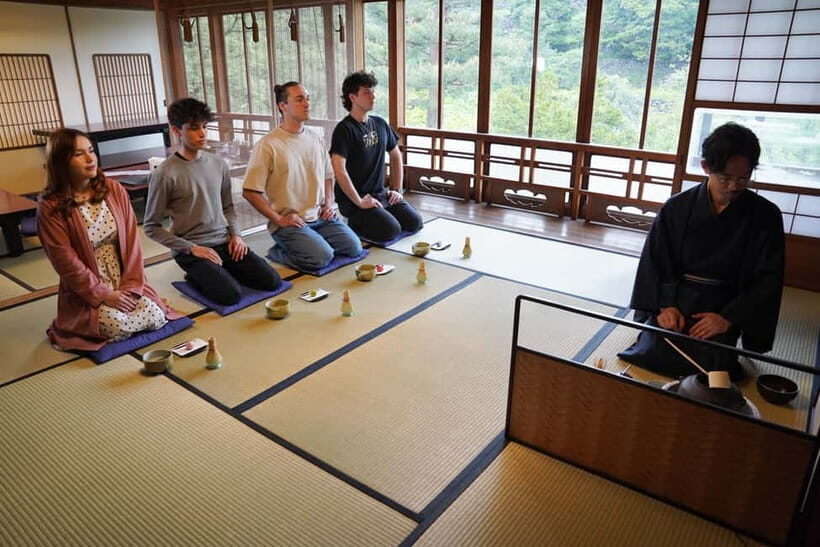
This matcha experience is anchored in a very convenient spot: Togeikissa Tozan, a traditional tea and pottery shop on the Tea House Street just outside Kenrokuen. The meeting point is near Katsurazaka Gate, so you’re in the right area for Kenrokuen without needing to plan your whole day around one big admission ticket.
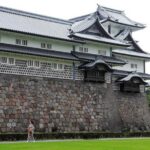
The best part is the “in-between” feeling. You’re not deep inside a museum-style setup. You’re in a working shop area that looks and feels like the kind of lane locals might wander—small, walkable, and full of craft shops. Then, if you glance out at the right moments, you catch the stone walls of Kanazawa Castle Park across the street. It turns a simple tea break into something with real atmosphere.
I also like that the experience is framed around Japan’s seasons. The view changes with the year—cherry blossoms, autumn leaves, or winter snow—so even if you’ve seen photos of Kenrokuen, you still get that personal sense of place while you’re drinking. That seasonal element isn’t a gimmick here. It’s part of why the tea room feels special.
One practical note: because the shop is just outside Kenrokuen, you can do the tea lesson without committing to garden entry. That makes it easier to fit into a tight itinerary.
You can also read our reviews of more tours and experiences in Kanazawa.


Price That Actually Matches What You Get
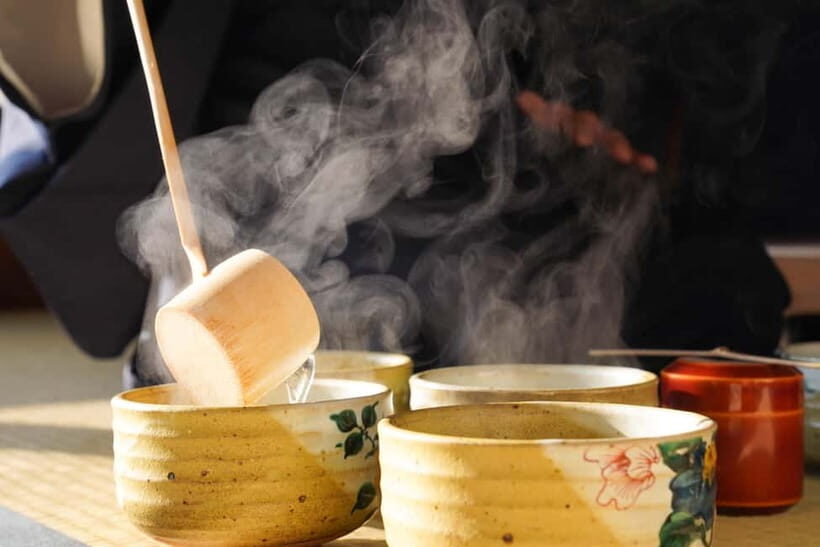
At $29 per person for about an hour on paper, it’s a decent value once you look at what’s included. You get a hands-on matcha preparation experience, one cup of freshly whisked matcha, and a traditional Japanese sweet. You’re also provided all the tools and materials, so you’re not paying to just stand there.
The real value is the teaching. Anyone can watch a ceremony. Fewer people get to whisk their own tea in a guided setting. Here, the staff help you work through the steps, so your cup is tied to your own hands, not just the instructor’s performance.
You should also think about what you’d otherwise spend money on. If you plan to visit Kenrokuen anyway, this experience is a natural add-on because it’s physically right where you’re already heading. If you’re not planning to enter the garden, it still works as a standalone cultural activity because it’s located on the tea house lane just outside the gate.
And yes, it matters that Kenrokuen Garden admission is not included in the experience fee. The good news is you can still enjoy the tea lesson without paying the garden entrance fee. If you want to stroll inside Kenrokuen afterward, you can decide that later based on your time and budget.
Step Inside Togeikissa Tozan: Tea Rooms, Pottery, and Your Guide
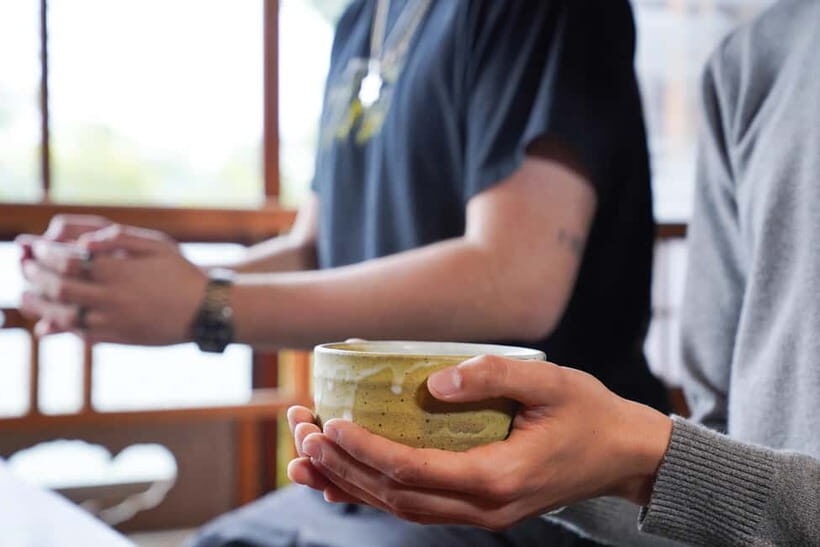
You’ll meet at Togeikissa Tozan, a traditional tea and pottery shop on Tea House Street. Look for the wooden building with signs for a matcha experience and a pottery workshop. The castle park stone walls are visible just across the street, which makes it easier to orient yourself when you arrive.
The format is a private group. That’s a big deal for a tea ceremony lesson, because it gives you room to ask questions and get help without feeling rushed. You’re not squeezed into a large group where people are simply waiting their turn.
The instructor is Japanese, and the experience includes basic English support. In practice, that helps you understand what you’re doing while you do it. One of the things that stands out with this setup is that it’s not strict about prior knowledge. No experience is needed. If you’re unsure about anything, the staff guide you through each step.
In terms of the vibe, the tea rooms are quiet and traditional. You’re there to slow down. That sounds basic, but it’s what makes matcha feel like more than a drink. You’re not sprinting between attractions. You’re learning something small and exact, then enjoying it in place.
If you want a slightly more “learn while you watch” experience, you’ll likely get a chance to observe along the way and then try yourself. That mix is helpful: watching gives you a mental reference point, and doing it yourself turns the lesson into something you actually remember.
Whisking Your Own Matcha with a Traditional Chasen
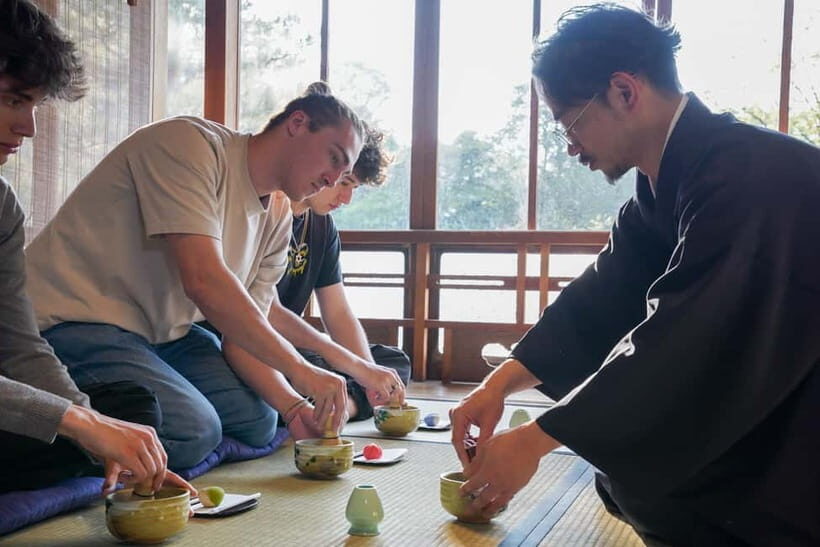
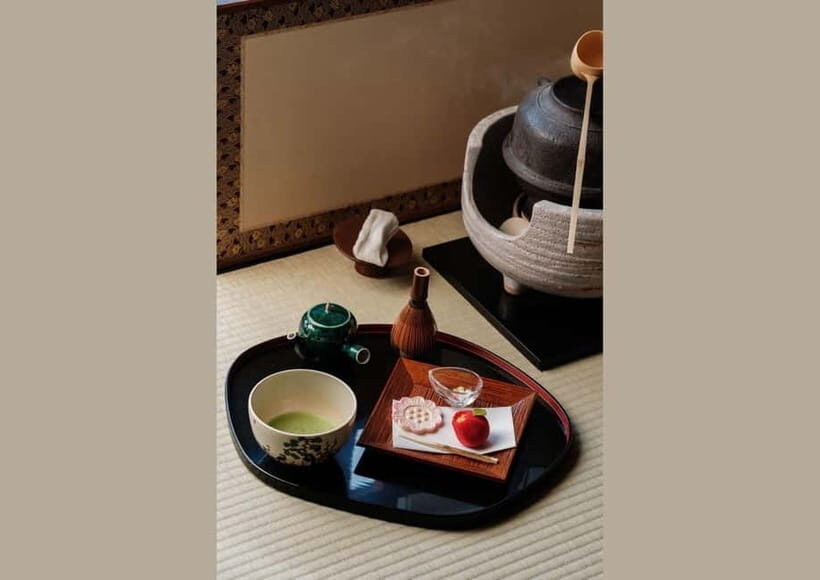
The heart of this experience is the matcha preparation. You’ll learn how to whisk your own tea using a traditional bamboo whisk called a chasen. This is hands-on, not just ceremonial theater.
Here’s what I’d focus on as you go in: the lesson is step-by-step, and you’re allowed to take your time while you learn the motions. You don’t need to be coordinated, artistic, or fast. The staff’s job is to guide you through each step so you can get to a cup of tea you can enjoy.
Because all tools and materials are provided, your only job is showing up. You don’t need to bring whiskes, bowls, or any “tea gear.” That removes a common barrier for visitors who want to do something cultural but don’t want to carry extra items.
Once your matcha is prepared, you’ll savor one cup of freshly whisked matcha. And you don’t just get tea. You also receive a traditional Japanese sweet. That pairing matters. Matcha is often paired with something to balance the flavor, and the sweet is part of what makes the moment feel complete rather than like a snack stop.
If you care about photos, this is also one of the moments where pictures make sense. You’re actively participating, and photos can capture the process. Staff can assist, which is useful if you don’t want to rely on your camera skills while your hands are busy.
Seasonal Views: Cherry Blossoms, Autumn Leaves, and Winter Snow
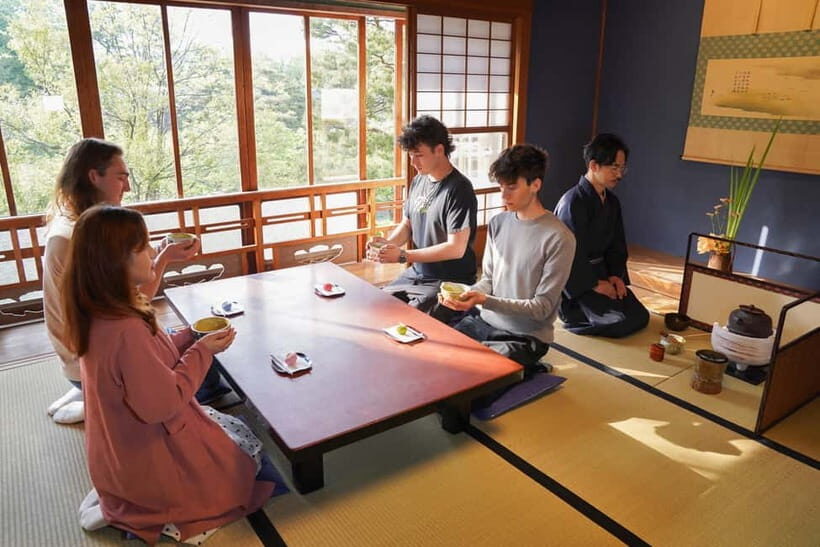
The location does something clever: it turns your break into a seasonal viewpoint. Since the shop sits right by Kenrokuen’s area—near the Katsurazaka Gate—and Kanazawa Castle Park’s stone walls are nearby, you get a sense of the broader setting while you’re in the tea room.
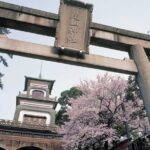
When spring is in bloom, the cherry blossom season brings a softness to the scenery outside. In autumn, you get the color shift that makes Kanazawa feel like a different city. And in winter, if there’s snow around, the contrast of quiet tea rooms and a snowy view outside creates a gentle kind of drama.
What’s practical here is that this lesson fits into your garden day even if your timing isn’t perfect. You don’t have to schedule around the absolute best golden-hour light to enjoy it. The experience is good even if you’re arriving during midday, because the setting and the calm pacing do the heavy lifting.
Also, seasons can affect comfort. If you’re visiting in colder weather, you’ll likely appreciate that the tea room itself gives you a break from walking outside. If you’re visiting in warm weather, the quiet, seated nature of the ceremony helps you reset without a long meal.
Pace, Timing, and Photo Moments Near Kenrokuen
This experience is listed as 1 hour in some places, but you’ll also see that the activity duration is approximately 2 hours. For planning, I’d treat it as about 2 hours. Tea ceremonies move at a human pace, and that time often includes explanations, whisking, drinking, and a calm end to the session.
Private groups can still feel structured, though. You’re not waiting around for hours. It’s more like: you’ll do the main steps, you’ll participate, then you’ll sit with your cup long enough to actually enjoy it.
If you’re trying to squeeze this between garden entry and another reservation, build in a little buffer. Tea houses run on a schedule, and it’s better if you’re not racing the clock.
Photos are allowed, and staff can help you with them. That’s smart because you’ll want one or two shots that show the experience without turning it into a distraction. Take photos early if you want them. Then, when you’re actively whisking and drinking, let your focus be on the cup.
The environment is also part of the deal. It’s quiet and traditional, with a relaxed cultural rhythm. If you like experiences where you can slow down and actually pay attention, this fits that mood well.
Who This Kanazawa Tea Ceremony Experience Suits Best
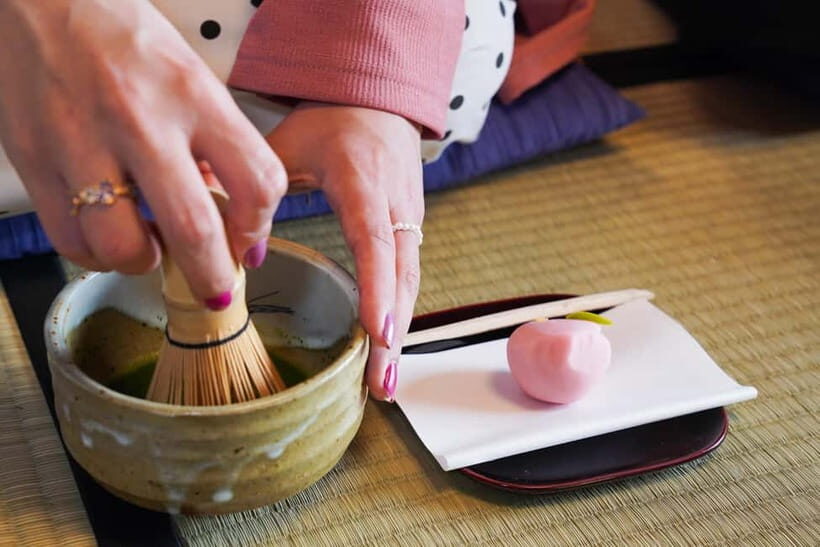
I think this tea ceremony is a great fit if you want something more personal than a standard museum stop. It’s also a good choice for travelers who like hands-on cultural activities, but don’t want the hassle of learning a complicated skill on your own.
You’ll likely enjoy it if:
- you’re already in the Kenrokuen area and want a low-stress add-on
- you want to learn to whisk matcha with a traditional chasen
- you want English support while you participate
- you prefer a quiet, seated cultural moment over a crowded attraction
It’s also family-friendly in the sense that children are welcome with adult supervision. That means it can work as a short, calm cultural activity that doesn’t require kids to sit through a long show.
On the other hand, it’s not suitable for wheelchair users, so plan accordingly if mobility access is part of your needs.
Quick Notes Before You Go (Wear, Allergies, and Comfort)
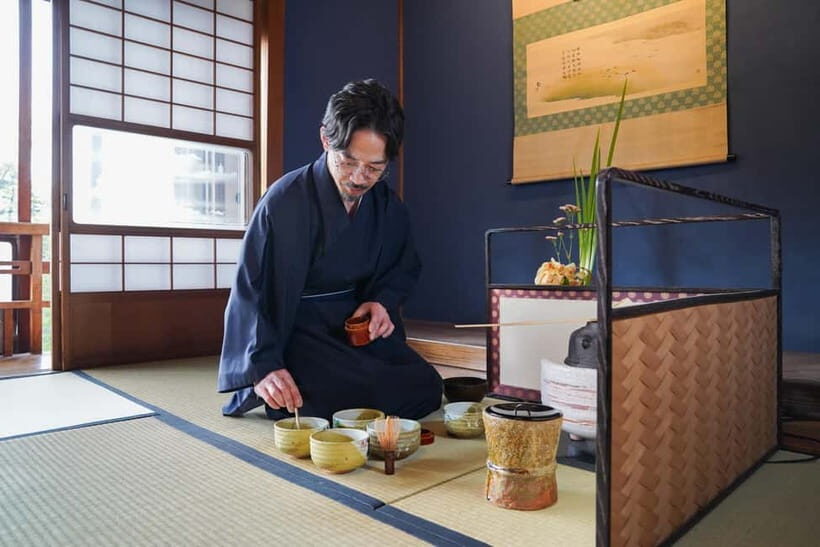
Dress for comfort. Comfortable clothing is recommended because you’ll be seated and moving your hands during the whisking part. The experience provides all tools and materials, so you’re not bringing equipment.
If you have food allergies, tell the shop in advance. You’ll be given a traditional Japanese sweet, so sharing allergy details early is the safest way to make sure you can participate comfortably.
Smoking isn’t allowed. This is a small rule, but it helps keep the tea room experience clean and pleasant.
The experience language is Japanese, with basic English support. If you’re traveling in a group and your language needs are more specific, ask ahead. The format is guided, so having language support matters for learning the steps confidently.
Should You Book This Kanazawa Matcha Lesson by Kenrokuen?
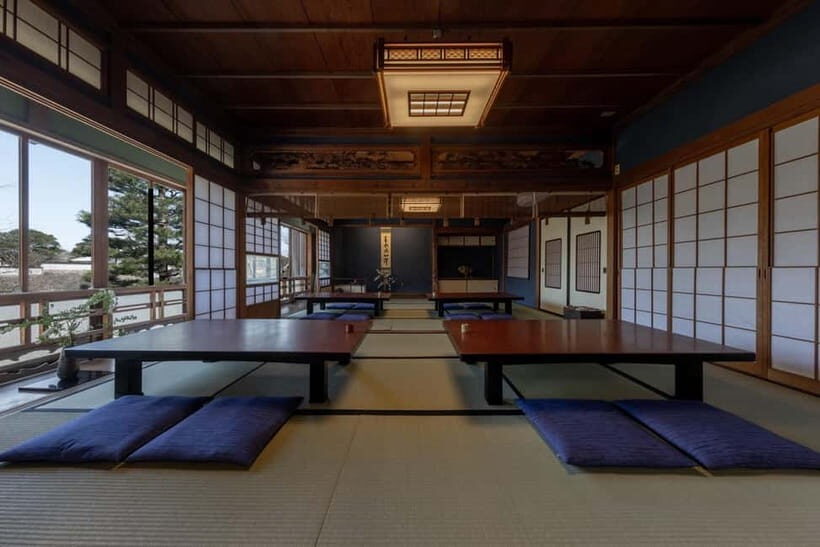
I’d book it if you want a hands-on matcha experience in a calm setting with real seasonal atmosphere. For $29, you’re getting more than a drink: you’re getting the chance to whisk your own tea with a chasen, plus a Japanese sweet and a cup you make yourself, right by one of Kanazawa’s most famous garden areas.
I would also book it if you like experiences that feel personal and structured, not chaotic. Private group setup and step-by-step guidance make it easier to enjoy without feeling lost.
Skip it only if you hate any seated cultural lesson or you have so little time that 1 hour listed on paper is all you can manage. With the approximately 2-hour duration, this is best when you can actually enjoy the tea rather than treat it like a quick stop.
If you’re visiting Kenrokuen anyway, this is a smart way to connect the garden-day scenery with a cultural activity that you can take home in a very literal way: through your own cup of matcha.
FAQ
Where is the meeting point for the Kanazawa tea ceremony experience?
You’ll meet at Togeikissa Tozan, a traditional tea and pottery shop near the Katsurazaka Gate of Kenrokuen Garden on the Tea House Street.
Is admission to Kenrokuen Garden included?
No. Kenrokuen admission is not included. The shop is located on the tea house lane just outside Kenrokuen, so you can do the tea experience without paying the garden entrance fee.
Do I need any matcha experience before I arrive?
No experience is needed. English support is available, and staff guide you through each step.
What’s included in the $29 per person price?
The experience includes matcha preparation, one cup of freshly whisked matcha, and one traditional Japanese sweet. Photos are allowed and staff can assist.
What languages will I be able to use during the experience?
The instructor is Japanese, and basic English support is available.
How long should I plan for the experience?
The schedule may list 1 hour, but the activity duration is approximately 2 hours, so plan for closer to 2 hours to be safe.
Are children allowed?
Children are welcome with adult supervision.
Are photos allowed during the ceremony?
Yes. Photos are allowed, and staff can help you take them.
Can you accommodate food allergies?
You should inform the shop in advance about any food allergies.
Is this experience accessible for wheelchair users?
No, it is not suitable for wheelchair users.