REVIEW · YOKOHAMA
Let’s make Wagashi at private home in Yokohama, suburban Tokyo
Book on Viator →Operated by Tea Ceremony At Private Home in Yokohama, suburban Tokyo · Bookable on Viator
You’ll learn wagashi in a private home. This workshop is a rare chance to make Japanese sweets from dough step-by-step, then eat your work with matcha in a small setting. I love the way the class connects wagashi design to the four seasons, and I also love that you leave with real edible souvenirs, not just photos.
The only real drawback to consider is location and timing: you’ll meet at Azamino Station and spend about 2 hours focused on the class in a suburban area, so it’s not a quick stop between major sights.
In This Review
- Key highlights to know before you go
- Why this Yokohama wagashi workshop feels special at first touch
- Meet at Azamino: the start point that keeps things local
- Entering Ikuyo’s home: tea culture in a human scale
- Making wagashi from dough: what you’ll actually do
- Nerikiri, step by step
- The part you’ll remember: making it with your own hands
- The matcha moment: why the pairing is built into the lesson
- What you take home: 4 pieces plus the joy of edible design
- Dietary-friendly wagashi: the vegan and gluten-free promise
- Timing and group size: why the class stays enjoyable
- A perfect day pairing: wagashi now, ramen later
- Should you book this wagashi workshop?
- FAQ
- Where is the meeting point for the wagashi workshop?
- How long does the class take?
- Is pickup available?
- Do I need to bring anything?
- How many wagashi pieces do I make and take home?
- What is the cancellation policy?
Key highlights to know before you go
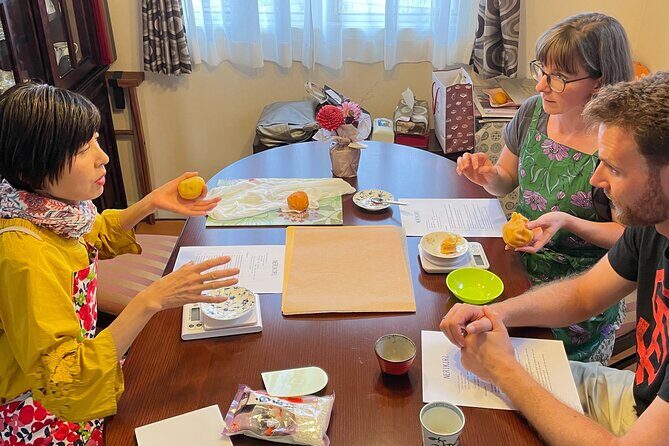
- Seasonal wagashi: the shape and filling idea follows what’s right for the time of year
- Nerikiri training: dough made with white bean paste and mochi, then molded into specific shapes
- Hands-on amount: you make 5 pieces, eat 1 with matcha, and take 4 home
- Matcha pairing: you’ll have matcha made for you to enjoy alongside what you crafted
- Small group: maximum of 4 travelers, so explanations stay patient and clear
Why this Yokohama wagashi workshop feels special at first touch
A lot of Japan experiences are big-city and scheduled. This one is different: it’s suburban Yokohama, in a private Japanese home, centered on craft you can taste. You’re not just watching. You’re touching dough, shaping it, and learning why wagashi looks the way it does.
The host, Ikuyo, runs the class with a long background in tea culture. She’s studied Japanese tea ceremony for more than 40 years and has taught making wagashi for 15 years. That matters, because wagashi isn’t only about getting a sweet that tastes good. It’s also about proportion, texture, and presentation.
The biggest practical win for you: the class is short and focused. In about 2 hours you’ll make, share, and carry sweets home. If you’re the type who wants hands-on value—rather than another museum ticket—this format is made for you.
You can also read our reviews of more private tours in Yokohama



Meet at Azamino: the start point that keeps things local
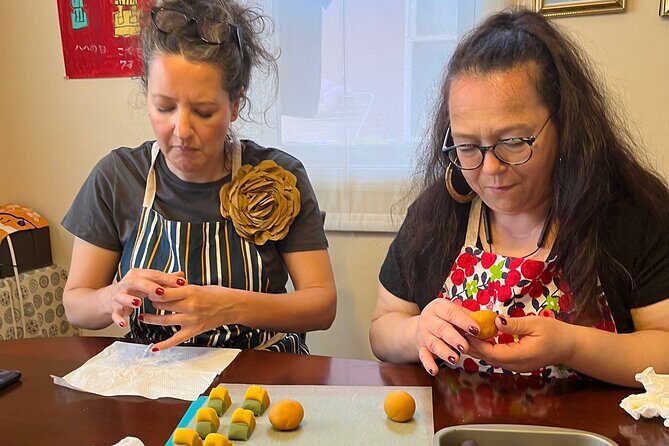
You’ll begin at Azamino Station (Azamino, Aoba Ward, Yokohama). The activity also ends back at the meeting point, which keeps the day simple. Pickup is offered, but if you take public transit, you’ll be in familiar territory: you can plan your route around one clear station.
Why I like this start: Azamino is not the center of Tokyo, so the vibe is quieter. You get a more everyday slice of Japan rather than only tourist corridors. It’s also a good setup for pairing your day with something nearby.
One handy tip that fits the area: the Yokohama Ramen Museum is around Azamino and is about 15 minutes from Azamino Station. If you want a fun food-follow-up later, it’s an easy match after your sweet workshop.
Entering Ikuyo’s home: tea culture in a human scale
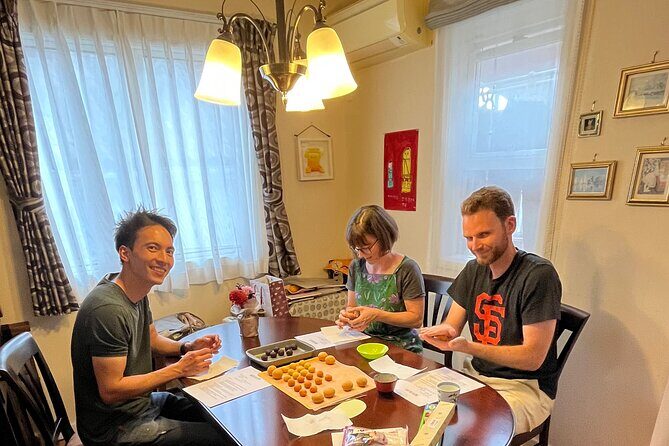
This workshop isn’t held in a studio where everyone passes through on a conveyor belt. It’s in a private home, and that changes the feel right away. You’re guided inside a real household environment where the focus stays on craft and tea.
Because the group max is 4 travelers, you get something many classes don’t: time. Explanations can slow down if your hands are still learning the motion. That’s especially important with wagashi, where small changes in shaping can affect the look and bite.
In the class setup, you’ll work with a dough base that supports multiple wagashi styles. The most common example taught here is Nerikiri, one of the major wagashi types. You’ll learn how to mold and shape it, and that’s where the class becomes a real skill—not just an edible souvenir.
Making wagashi from dough: what you’ll actually do
Here’s the core of the experience: you make wagashi together from dough, guided by Ikuyo. The class covers the idea that wagashi comes in different kinds, like Nerikiri, Gyuhi, and Manju, and that you can make what fits the season.
Nerikiri, step by step
For Nerikiri, you’ll work with dough that includes white bean paste and mochi. Then you shape it into a specific style associated with seasonal aesthetics. The filling idea is also part of the lesson: you’ll shape the outside and incorporate red bean paste or white bean paste inside, depending on what the class is focusing on.
This is a great lesson for your brain if you like understanding how beauty is made. Wagashi design isn’t random. The shapes connect to time of year—think of it as edible seasonal storytelling.




The part you’ll remember: making it with your own hands
You’ll get hands-on shaping practice, not just one single formed piece. The class format gives you a clear output target: each guest makes 5 pieces of wagashi. That’s enough time to build confidence, but not so much that you lose the sense of why you’re doing it.
If your first attempt looks a little rough, that’s fine. The process itself is the point. The guide’s job here is to help you make progress while keeping the workshop relaxing and fun.
The matcha moment: why the pairing is built into the lesson
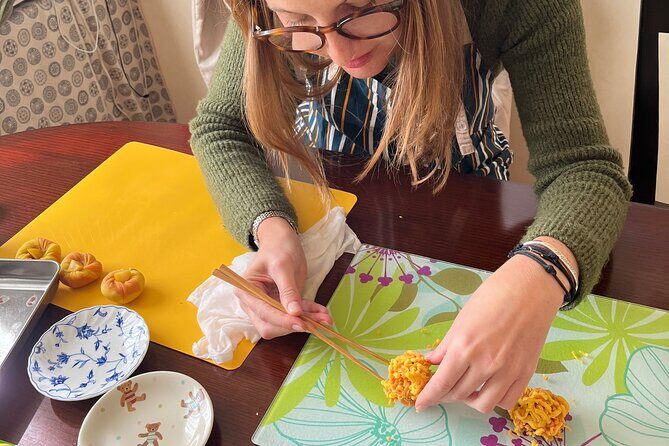
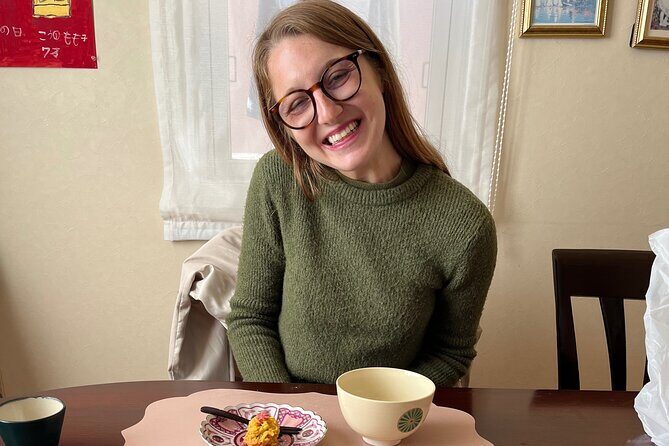
After you finish shaping, you’ll eat 1 piece together with matcha. Ikuyo makes matcha for you, which keeps the moment consistent and intentional. You get to taste what you made—not later, not in a packaging box, but during the class while everything is still fresh.
This is one of my favorite parts of tea-centered food culture: the meal is part of the craft lesson. You learn how the texture and sweetness feel with tea, and you notice how the wagashi design supports the tea moment.
It also changes the pace. The class shifts from shaping and focus to a shared break where you can slow down. For many people, that’s when wagashi really sinks in. You see that it’s not only about sweetness. It’s about balance and feel in your mouth.
What you take home: 4 pieces plus the joy of edible design
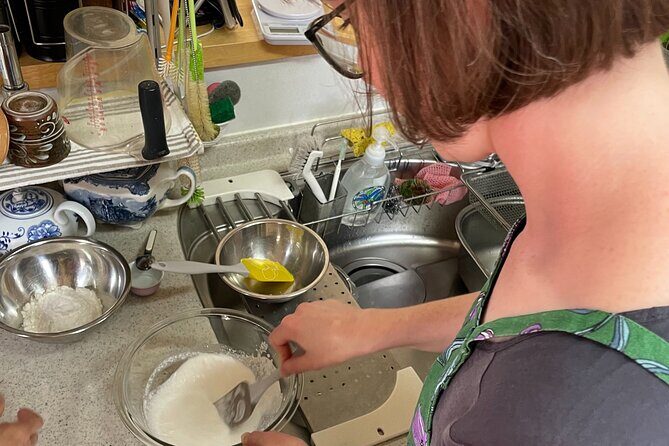
Here’s the practical, concrete takeaway: after making 5 pieces and eating 1 during the class, you take 4 pieces of wagashi back home.
That ratio is smart for you. It means you get a shareable tasting moment in the workshop, and then you still have enough leftovers to enjoy later (or bring back for someone who didn’t get their hands on dough).
One extra detail that makes the experience memorable: Ikuyo also gives visitors a Japanese design handkerchief. It’s small, but it adds to the feeling that you were welcomed, not just processed.
Dietary-friendly wagashi: the vegan and gluten-free promise
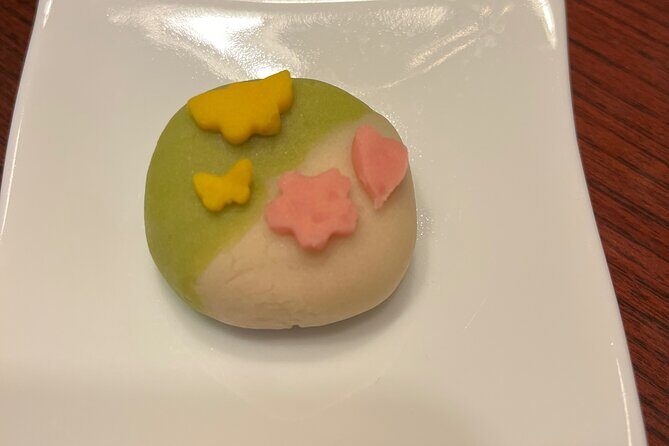
The workshop information says most wagashi are vegan and gluten-free. That’s a meaningful point for your decision-making, especially if you’re traveling with dietary needs or you want to avoid surprises.
That said, the class structure is still centered on traditional ingredients like bean paste and mochi. The vegan and gluten-free note suggests the specific sweets used are aligned with those restrictions, but the safest move is to let the host know your dietary needs ahead of time. For many people, simply having the option stated clearly makes booking feel less stressful.
In taste terms, vegan wagashi can still feel rich and satisfying. Bean paste has a depth that pairs naturally with matcha.
Timing and group size: why the class stays enjoyable
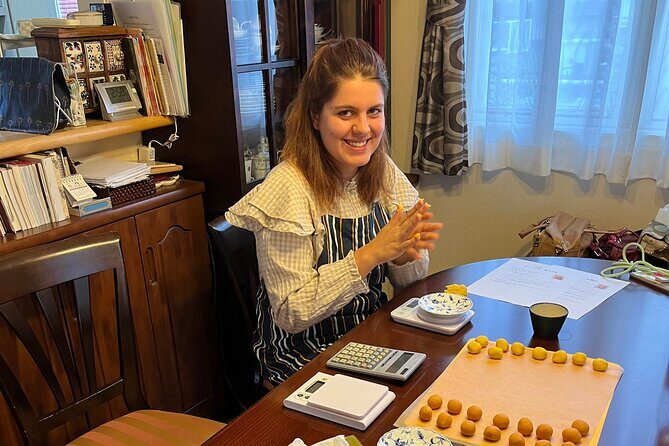
The class runs about 2 hours total, with about 1 hour and a half for making, plus time to eat together with matcha. That means you can plan it without turning your day into a long logistical puzzle.
The maximum group size of 4 travelers also changes how you experience the workshop. It’s easier to ask questions, get feedback, and follow the steps without feeling rushed. If you’re nervous about your technique, this small size helps your confidence.
And if you’re the kind of traveler who loves a simple schedule, this one delivers. You’ll know the start, you’ll know the duration, and you’ll finish back near where you started.
A perfect day pairing: wagashi now, ramen later
If your day needs one more fun food stop, the area gives you a logical follow-up. Since Yokohama Ramen Museum is about 15 minutes from Azamino Station, you can combine dessert-and-tea craft with a casual lunch or snack later.
This pairing also makes your food memories more interesting. You get two very different sides of Japanese food culture: delicate, seasonal sweets paired with tea, then hearty ramen in a themed setting.
If you have energy afterward, this kind of plan works well because your stomach can handle multiple bites across the day. Your matcha and wagashi tasting early on helps you pace.
Should you book this wagashi workshop?
I think you should book it if you want a hands-on Japanese culture experience that’s actually short, structured, and delicious. The seasonal wagashi focus, the chance to make Nerikiri from dough, and the built-in matcha tasting make this more than a craft demo. You also get a real take-home payoff: 4 pieces you shaped yourself.
Skip it if you need big-name sights, long sightseeing windows, or a workshop that’s only about photos. This is about making and eating, not walking through landmarks.
If you’re curious about Japanese tea culture and you like learning by doing, this class is a smart use of your time in Yokohama—especially if you’re willing to step a little away from the most famous tourist routes.
FAQ
Where is the meeting point for the wagashi workshop?
You start at Azamino Station, at 2 Chome Azamino, Aoba Ward, Yokohama, Kanagawa 225-0011, Japan. The activity ends back at the meeting point.
How long does the class take?
Plan for about 2 hours total. The making time is about 1 hour and a half, then you eat 1 piece with matcha.
Is pickup available?
Yes, pickup is offered.
Do I need to bring anything?
No special items are required. The class says you don’t need to bring anything special.
How many wagashi pieces do I make and take home?
You make 5 pieces of wagashi. You eat 1 piece together with matcha, and you take the remaining 4 pieces home.
What is the cancellation policy?
You can cancel for a full refund if you cancel up to 24 hours in advance of the experience start time. If you cancel less than 24 hours before, the amount paid is not refunded.