REVIEW · HIROSHIMA
Miyajima Highlights: Itsukushima Shrine & Island Nature
Book on GetYourGuide →Operated by Local Gem Tour Hiroshima · Bookable on GetYourGuide
Miyajima can feel like a postcard. Then a Hiroshima local starts telling the stories behind the stones, and it turns real fast. This private walking tour is built around Itsukushima Shrine and the island’s living traditions, with a guide who explains what you’re seeing in a way that sticks.
I especially like the human scale here: you’ll get a slow, flexible pace with plenty of time for questions and photos, not a rush between photo spots. And I really value that the guide is a Hiroshima native, sharing context shaped by family history and local memory, not a generic script.
One consideration: timing matters. The floating torii gate can look different depending on tide (and this tour keeps the focus on Miyajima, not a full Hiroshima add-on).
In This Review
- Key highlights worth your time
- First, the day makes sense: from Hiroshima to Miyajima without stress
- Itsukushima Shrine: where the island becomes the message
- Floating torii gate: the tide is part of the show
- Daishoin temple: the hour that makes it feel personal
- Senjokaku pavilion: a quick stop with real weight
- Omotesandō shopping street: souvenirs, snacks, and everyday life
- The “quiet corners” part you’ll feel in your legs
- Private guide value: why this costs $138 and when it’s worth it
- Who this tour suits best (and who might want a different plan)
- Quick practical tips before you go
- Should you book this Miyajima private tour?
- FAQ
- How long is the Miyajima private tour?
- What are the main stops during the tour?
- Is this a private tour or shared?
- What languages are the guides able to speak?
- Is transportation included in the price?
- Is the tour wheelchair accessible?
Key highlights worth your time
- Hiroshima-native storytelling: family-level context for the sites on Miyajima, not just facts on a signboard.
- Itsukushima Shrine (UNESCO): you’ll see how the shrine fits the island’s sacred worldview.
- Floating torii gate photo moment: short, guided, and tide-aware, so you’re not guessing.
- Daishoin and Senjokaku: temple and pavilion stops that go beyond the quick look.
- Quiet Miyajima corners: less pressure than main-route wandering, with time for everyday sights.
- Private format: your group sets the rhythm, including extra comfort if you need breaks.
First, the day makes sense: from Hiroshima to Miyajima without stress
Your day starts in Hiroshima with a pickup that’s designed to be easy. You’ll be met from one of the listed options (many are major central hotels and stations). If your place isn’t on the list, you can message ahead so the pickup point can be adjusted—especially if you’re in central Hiroshima.
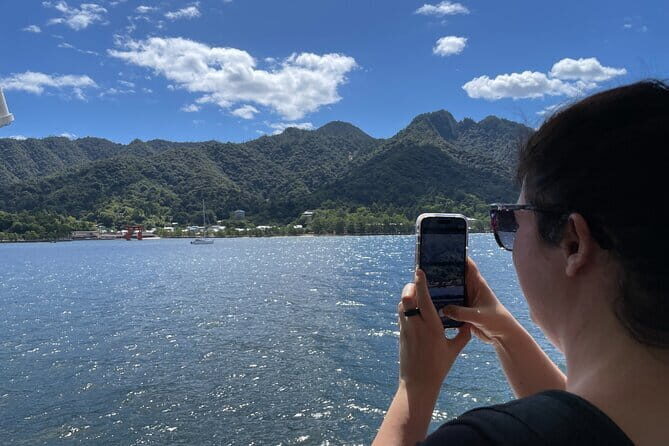
Then you’ll ride public transportation to Miyajima: about 45 minutes by train, followed by a 15-minute ferry. That ferry is more than a commute. It’s the moment you feel the shift from Hiroshima city energy to a slower island rhythm.
The tour is intentionally Miyajima-focused. There’s a note that the transfer time can be about an hour overall, and that adding Hiroshima Peace Memorial time can make your day feel tight because both areas would be halfway in the schedule. Translation: if you want maximum Miyajima time, plan your Hiroshima sightseeing separately (or ask for the balance you prefer when booking).
You can also read our reviews of more tours and experiences in Hiroshima.

Itsukushima Shrine: where the island becomes the message
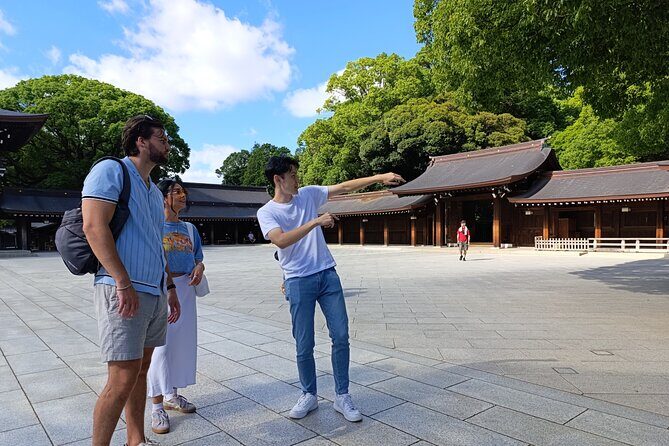
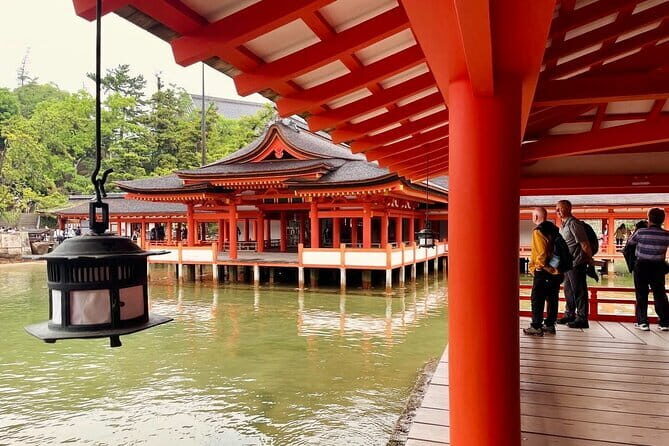
Itsukushima Shrine is the headliner for a reason. It’s UNESCO-listed, and it’s one of those places where the setting does half the work. Your tour time at the shrine gives you room to look properly instead of just walking through.
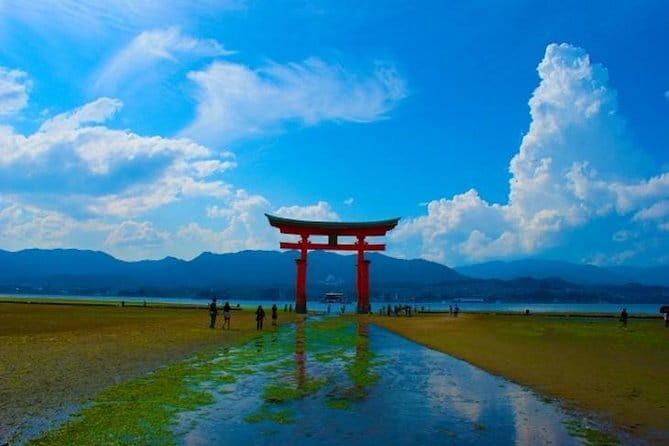
You’ll start with the floating torii gate photo stop first. Expect a guided moment (about 10 minutes) plus time to line up pictures. Here’s the practical reality: the tour is designed to help you see it well, but it may be low tide. If the water isn’t where you expect it, don’t panic. The shrine and shoreline still tell the story. The tide just changes the scene.
When you move into the main shrine area, you’ll get a guided visit (about 30 minutes). I like this length because it’s long enough to understand what you’re seeing and short enough to keep you comfortable in the walking pace.
What makes this stop special is the interpretation. Your guide connects the shrine’s symbolism and long-standing traditions to island life—why Miyajima has been considered sacred for centuries, and how the meaning isn’t just historical. It’s part of daily cultural memory.
Floating torii gate: the tide is part of the show
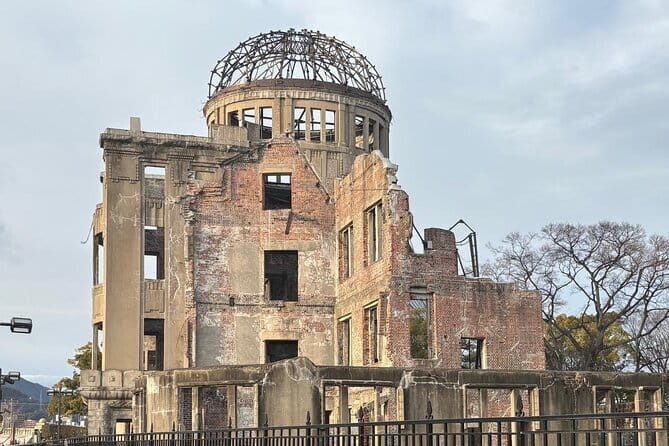
Let’s talk about the floating torii gate like an adult. You can plan the angle, but you can’t bully the sea.
This tour is set up to give you the best shot within the day’s schedule, while being honest that tide levels affect what you see. If you’re hoping for the classic postcard look, the guide’s timing helps. If you arrive during a less dramatic tide, you’ll still come away with a clear sense of why the shrine’s relationship with water matters so much.
Tip I’d actually use: if your photos depend on the water level, pack for flexibility. Bring a light layer and be ready to shoot quickly. This is a short stop by design, so you’ll want your phone/camera ready before you reach the best angle.
Daishoin temple: the hour that makes it feel personal
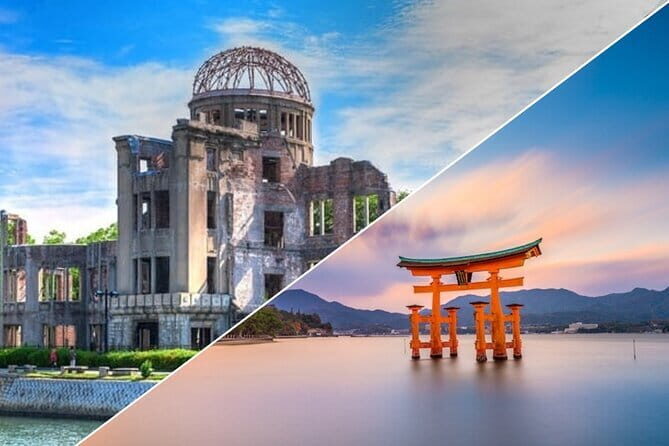
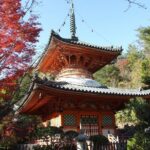
Daishoin is where the tour’s “more than the main landmark” promise starts to pay off. You’ll spend about an hour here, with both a guided visit and a photo moment.
This is the kind of site where structure and atmosphere matter. You’ll likely notice that without context, it can feel like a collection of buildings. With a local Hiroshima guide, it becomes a story you can follow: how the temple connects to the island’s spiritual identity, and how the aesthetic choices reflect meaning.
One reason I like this stop on a private tour is that you can ask questions on the spot. The guide can adjust explanations to your pace, whether you want deeper story detail or you just want help understanding what you’re looking at as you walk.
Also, the reviews you’ll see for this tour repeatedly mention how guides show up prepared for the day. If you’re touring in hot or muggy weather, I’d expect your guide to think about comfort—one reviewer specifically praised their guide for bringing extra parasols and neck coolers during unusually hot conditions.
Senjokaku pavilion: a quick stop with real weight
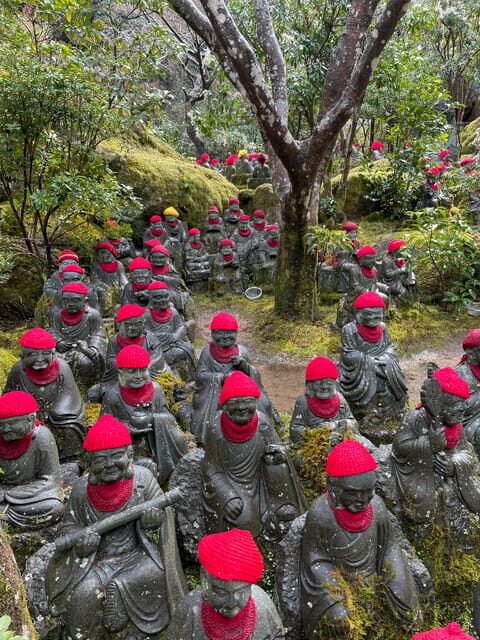
Senjokaku Pavilion is shorter on the clock (about 10 minutes), but it’s not treated as a throwaway photo. You’ll get a guided photo stop plus context.
Even with limited time, this kind of stop matters because it shows how many layers Miyajima has. It’s not only about the famous torii gate. It’s about the wider sacred world that spreads beyond the first big viewpoint.
If you’re the type who likes to understand the “why” behind architecture and space, this is a good moment to slow down for a couple of photos and a quick explanation. If you’re simply chasing visuals, you’ll still get enough to connect the pavilion to the rest of what you saw.

Omotesandō shopping street: souvenirs, snacks, and everyday life
After the more formal shrine-temple rhythm, you’ll shift to Miyajima Omotesandō shopping street (about 40 minutes). This part can be fun in a different way. It’s not about ceremonial stillness; it’s about daily island commerce and local tradition.
I like that this is included because it gives you a sense of what the island feels like when the tourist lens isn’t the only lens. You’ll have time to walk, browse, and pick up small items you can actually use later on a trip.
This also helps if you’re traveling with mixed interests. One person can linger at a stall, another can keep moving, and your private guide can steer you based on what you care about—history, food, crafts, or photos.
The “quiet corners” part you’ll feel in your legs
The most memorable tours often aren’t only about the famous spots. They’re about how you get there.
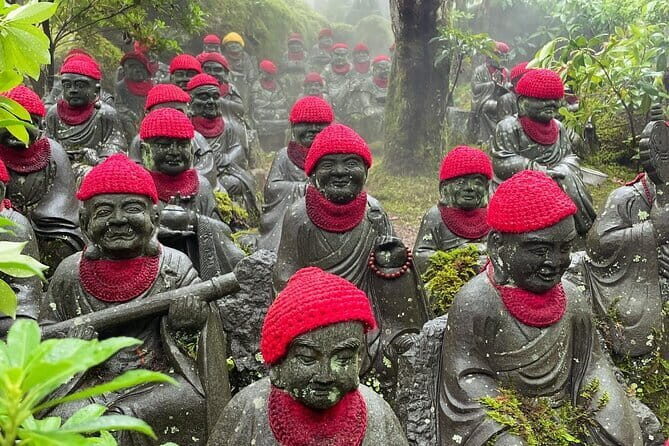
This tour explicitly includes time beyond the main sightseeing routes, so you can explore quieter parts of Miyajima and some natural scenery. That translates into a less hectic feel. You’re not just dodging crowds at every turn.
On a private walking format, those smaller detours matter. They’re where you notice details: the rhythm of pedestrian paths, how the island’s environment shapes movement, and how everyday life sits next to sacred spaces.
One practical note: walking time is built into the schedule (there’s a walk segment early on), and you’ll want comfortable shoes. If you’re managing mobility, the tour is listed as wheelchair accessible, which is a big plus—just be ready that older sacred-area spaces can still be uneven, so ask about your specific route needs when you book.
Private guide value: why this costs $138 and when it’s worth it
The price is $138 per person for a 5-hour private tour. That sounds like a splurge until you break down what you’re actually buying:
- A private Hiroshima native guide (English and Japanese), so explanations come from real local ties, not a clipboard.
- Pickup service from your area in central Hiroshima (pick-up on foot).
- Guided time at the key cultural sites: floating torii photo moment, Itsukushima Shrine, Daishoin, Senjokaku, and Omotesandō street.
- Photography support where the tour provides photo data.
What’s not included is important for your budget: transportation fees, Miyajima visitor’s tax, and food and drink. So your total day cost will be a bit higher than the headline price once you add those items.
Where the value really lands: if you care about meaning and you want to ask questions. Multiple guides on this tour have been praised for personal, family-level stories tied to Hiroshima. Names like Aya, Masa, Yuka, and Masayo Kobayashi come up in strong reviews, with special praise for kindness, clarity in English, and cultural care.
If you’re a solo traveler who only wants to hit the big icons and then wander freely afterward, you might find cheaper self-guided options. But if you want the island to make sense as a living community, this private structure is exactly what you’re paying for.
Who this tour suits best (and who might want a different plan)
This experience is a great fit if you:
- want deeper context at Itsukushima Shrine, not just photos
- enjoy walking tours where you can slow down and ask questions
- travel with family members who need flexible pacing
- care about cultural sensitivity and respectful storytelling
- value comfort planning in heat (extra parasols/neck coolers have been mentioned)
It’s less ideal if you’re trying to cram everything into one day. The tour itself tries to focus on Miyajima, and you’ll likely need separate planning for a full Hiroshima Peace Memorial day.
Also, if your goal is hiking Mt. Misen, the tour notes that you can ask about optional additions in advance. That’s great if you want to go further, but it won’t be the standard Miyajima-focused rhythm.
Quick practical tips before you go
- Shoes matter: you’ll be walking more than you expect on an island day.
- Tide awareness: the floating torii can look different depending on conditions, and the tour is built around that reality.
- Plan around heat: you can be walking for hours, and one guide’s reviews highlight comfort prep for hot weather.
- Bring curiosity: this tour is at its best when you lean in—ask about symbolism, island life, and what the sacred spaces represent.
Should you book this Miyajima private tour?
If you want Miyajima to feel like more than a snapshot, I think this is an easy yes. The combination of Itsukushima Shrine + Daishoin + Senjokaku plus quieter island walking makes the day feel complete, and the private Hiroshima-native guide factor turns the visit from pretty to meaningful.
It’s especially worth booking if you value flexibility, clear English/Japanese explanations, and a guide who can connect the sites to lived local memory. Just go in knowing the floating torii depends on tide, and that you’ll want separate planning if you also want a major Hiroshima Peace Memorial block the same day.
FAQ
How long is the Miyajima private tour?
The tour duration is 5 hours.
What are the main stops during the tour?
You’ll visit Itsukushima Shrine and see the floating torii gate, plus Daisho-in, Senjokaku Pavilion, and Miyajima Omotesandō shopping street.
Is this a private tour or shared?
It’s a private group tour.
What languages are the guides able to speak?
The live guide can communicate in English and Japanese.
Is transportation included in the price?
Transportation fees are not included. The tour includes train and ferry as part of the day, but you should expect extra costs for transportation.
Is the tour wheelchair accessible?
Yes, the tour is listed as wheelchair accessible.