REVIEW · NAGOYA
Nagoya: all-inclusive car tour to Korankei valley
Book on Viator →Operated by Japanfixertravel · Bookable on Viator
Korankei feels like a secret pause from Nagoya. This all-inclusive private car tour takes you out to Korankei valley and the Edo-era atmosphere of Asuke, with stops like Toganji Temple and Asuke-jo castle plus time for an easy walk and river moment. You also get the comfort of an air-conditioned minivan pickup, so you spend less effort on transit and more time enjoying the day.
What I like most is the chance to slow down. You’re not stuck in a big crowd rush—Toganji Temple is right inside the city yet stays peaceful, and Korankei gives you space to wander, dip your toes in the river, and choose how active you want to be.
The second standout is value and personalization. Entrance fees are covered, and guides can tailor the flow—I’ve seen days shaped around what you care about, like extra interest in local craft or swapping time between sights. One thing to consider: it’s a long day (about 6 to 8 hours), and traffic can chew up time, so it helps to arrive with a relaxed pace.
In This Review
- Key highlights you’ll feel right away
- Korankei valley and Asuke: why this beats the usual Nagoya day
- Getting picked up in Nagoya: a minivan day with fewer friction points
- Toganji Temple in Nagoya: a quiet stop you’ll remember
- Korankei Visitor Center to river time: choose your level of “active”
- Asuke’s Edo vibe: farmhouses, craft demos, and Asuke-jo
- The historical Asuke post town / open-air museum
- Joshi Park Asuke-jo: a reconstructed castle atmosphere
- Obara Fureai Park and Shikizakura: late-autumn cherry color
- The guiding style: Serge, Tomoko, and the flexibility you’ll appreciate
- Price and value: what $170 covers, and what you still plan for
- Who should book this Korankei valley car tour
- Should you book this Korankei valley tour?
- FAQ
- How long is the Korankei valley day tour from Nagoya?
- Is pickup in Nagoya included?
- What’s included in the $170 per person price?
- Is lunch included?
- Are entrance tickets for the stops included?
- What happens if the weather is bad?
- What’s the cancellation timeline for a full refund?
Key highlights you’ll feel right away
- Private pickup and only your group mean the day stays calm and adaptable.
- All entrance fees included keeps the budget simpler as you move from temple to museum to castle grounds.
- Toganji Temple offers a quiet break even though it’s inside Nagoya.
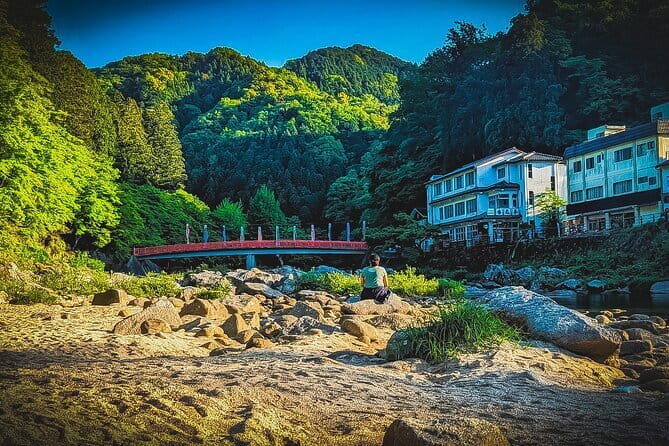
- Korankei valley walking time includes river-side moments and options for a gentle hike and a shrine visit.
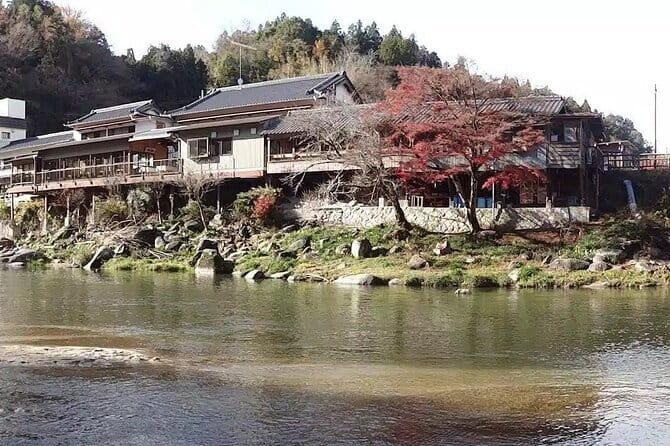
- Asuke’s Edo-era sites pack in farmhouses, craft demonstrations, and a reconstructed castle in one route.
- Seasonal Shikizakura in Obara Fureai Park can add dramatic late-autumn color if you travel at the right time.
Korankei valley and Asuke: why this beats the usual Nagoya day
Nagoya is a great base, but it can also feel like a launchpad—get in, do something big, get out. This tour flips the script. Instead of trying to cram major attractions back-to-back, you head toward places that reward a slower rhythm: Korankei valley for that riverside “exhale,” and Asuke for old-streets-and-old-houses atmosphere.
The best part is how the day balances nature and culture. You get time outside to walk around and cool off at the river, then you shift indoors-or-quietly-outdoors to see Edo-period life represented through historic buildings and hands-on craft demonstrations. If you want a day trip that feels more like you’re moving with the region instead of ticking off stamps, this route makes that easier.
Also, the private setup matters more than you’d think. Korankei and Asuke are popular enough to be busy at peak times, but being in a smaller group helps you avoid that constant “everyone keep up” energy. It’s the difference between sightseeing and actually experiencing.
You can also read our reviews of more tours and experiences in Nagoya.

Getting picked up in Nagoya: a minivan day with fewer friction points
You start at 9:00 am, and the tour is designed around pickup from your place of departure. That means you skip the stress of figuring out trains, transfers, and timing. You also get an air-conditioned vehicle, which is a real quality-of-life detail in Japan when the weather goes hot or sticky.
A practical note: the overall schedule includes round-trip traffic time of about 2.5 hours. That’s not unusual for day trips from Nagoya, but it’s worth planning for. Bring something to pass the time (a book, a playlist, a snack if you like), and treat the car ride as part of the day instead of a delay.
Most of the day stays comfortable because the tour is built for movement without rushing you. You’re moving between stops, yes, but each stop has a time window that’s long enough to actually look around, not just stand in front of a sign for a photo.
Toganji Temple in Nagoya: a quiet stop you’ll remember
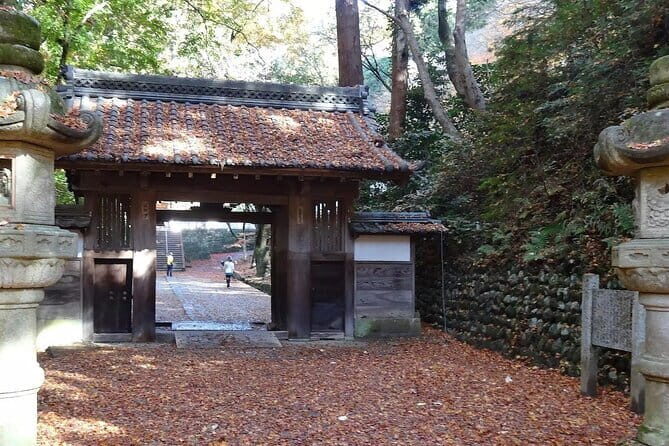
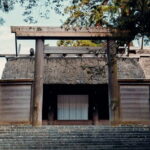
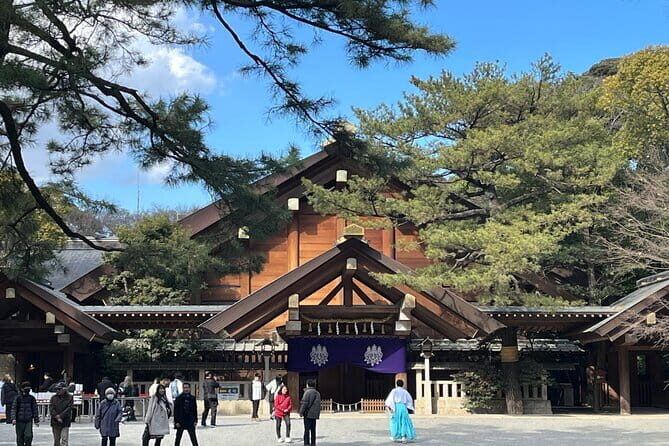
One of the most appealing parts of the day is the temple stop that doesn’t feel like a checklist. You spend about 1 hour at Toganji Temple, and the emphasis here is stillness. The tour route is set up so you can enjoy it without the feel of a major tourist surge, even though it’s inside Nagoya.
What you’ll likely enjoy most is the change of mood. You go from city motion into a calmer atmosphere, where the sights feel slower and more personal. This is the kind of place where you’ll want to walk at a gentle pace and give yourself time to notice details—temple grounds, garden spaces, and the quiet rhythm of the area.
As a stop, it works well early in the day because it sets your pace. By the time you reach Korankei, you won’t feel like you’re exhausted from earlier sight-hopping.
Korankei Visitor Center to river time: choose your level of “active”
Korankei valley is the main reason people do this tour, and the day is structured to make it feel like a real outing instead of a fast photo round.
You spend time at the Korankei Visitor Center (about 40 minutes). This is also where lunch options come into play. You can plan for a lunchbox outside or switch to a restaurant in Asuke village, depending on what you prefer that day. Since lunch is not included in the price, this is your moment to decide how you want to handle food.
Then you move into the Korankei valley experience itself (about 1 hour). This is where the tour’s “do what you want” style shows up:
- You can walk around at an easy pace.
- You can dip your toes in the river.
- If you want more, you can take a small hike.
- There’s also an opportunity to visit a shrine hidden in the forest.
The big takeaway: you’re not forced into one type of activity. If you’re traveling with mixed energy levels, it helps to know that the valley time can scale to the group.
One practical consideration: Korankei is outdoors. Good weather matters, and this tour explicitly requires good weather. If the skies don’t cooperate, you might get offered a different date or a refund instead of pushing forward.
Asuke’s Edo vibe: farmhouses, craft demos, and Asuke-jo
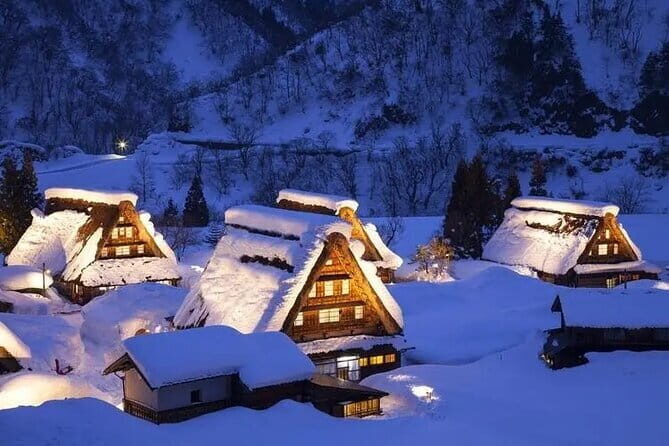
After the valley time, you shift into a different kind of beauty—built heritage and historical interpretation. Asuke is a great match for travelers who love places where everyday life mattered, not just famous landmarks.

The historical Asuke post town / open-air museum
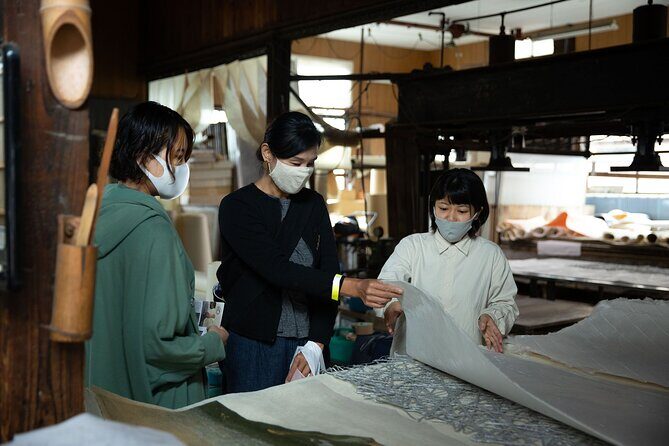
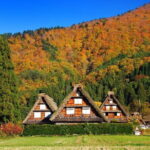
You’ll spend about 1 hour at the Sanshu Asuke yashiki area, which is presented as an open-air museum of traditional Japanese farmhouses and daily life during the Edo period. This is not only about looking at buildings. The tour time includes demonstrations of traditional crafts, so you can connect the visual side with how people actually made and used things.
In practice, this stop feels like a pause from the outdoors without being “indoors and stuck.” It’s walkable, grounded, and easier to enjoy if you’re traveling with kids or older relatives because you can browse slowly at your own speed.
Joshi Park Asuke-jo: a reconstructed castle atmosphere
Next, you visit Asuke-jo (about 1 hour). This is a reconstructed castle site, and the point is atmosphere—an Edo-era glimpse rather than just a photo platform.
Even if you’re not a castle person, Asuke-jo tends to work because the surrounding town vibe supports it. The stop blends well with the open-air museum: you get the domestic scale first (farmhouses and tools), then the feudal-feeling scale (castle grounds and historical context).
Obara Fureai Park and Shikizakura: late-autumn cherry color
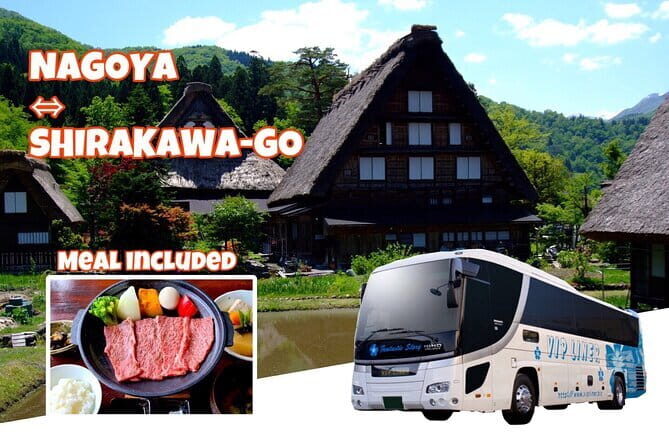
If you visit in November into early December, Obara Fureai Park adds a seasonal highlight: Shikizakura (late-autumn cherry blossoms). The effect described is striking—light pink blossoms set against red and yellow autumn leaves.
The tour gives you about 1 hour here, and the value is timing. This isn’t a generic “see some trees” stop. It’s specifically about that color contrast, which makes photos and slow strolls feel more memorable.
If your trip falls outside that window, don’t expect the same blossom payoff. But even then, the park visit can still be a pleasant break after the castle and museum time.
The guiding style: Serge, Tomoko, and the flexibility you’ll appreciate
The day runs smoothly, but what really changes it from average to excellent is the guide. Two names show up again and again: Serge and Tomoko.
- Serge is described as warm, friendly, and deeply familiar with the Nagoya area. In one case, he’s identified as a Dutch emigré who has lived in Japan for over 30 years—meaning the explanations tend to feel lived-in, not recited.
- Tomoko is described as professional, knowledgeable, and courteous, with a style that keeps the day off the usual route and responsive to interests.
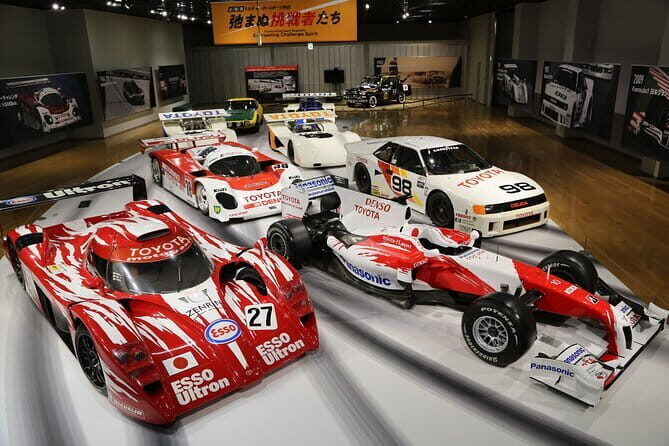
Flexibility is a major plus in the real world. You can see it in the way the tour can shift to include what fits your tastes. For example, there are mentions of adapting the day to include pottery interest in nearby Seto, and in at least one situation, time was adjusted around interest in the Toyota Car Museum. Those details aren’t guaranteed every day, but they show the mindset: the guide can tweak the pacing and priorities instead of treating the itinerary like a rigid script.
You’ll also want to know that some days include extra care like snacks and drinks. That’s not listed as a standard inclusion, but it’s been part of people’s experiences, and it fits the tour’s overall “comfort first” design.
Price and value: what $170 covers, and what you still plan for
At $170 per person, you’re paying for more than transport. This price includes:
- Air-conditioned vehicle
- Guide
- Private transportation
- All entrance fees
That combination matters because it removes the usual hidden costs that pop up with day trips—paid entries, ticket lines, and the cost of getting around independently.
What’s not included: lunch, and any alcoholic beverages are not part of the base price (though alcohol can be prepared on request). Since lunch is a planned part of the route timing near Korankei, you won’t be left guessing where to eat—but you should budget for it.
Also remember the tour timing includes real transit time. That’s part of what you’re paying for: comfortable door-to-door movement across multiple stops spread between Nagoya, Korankei, and Asuke areas.
If you’re someone who likes a private day and wants entrance fees handled, this is often good value compared to piecing together trains plus buying tickets plus dealing with transfers. If you’re cost-driven and happy with public transit, you might compare against DIY options—but for a stress-free, guided day, this pricing structure makes sense.
Who should book this Korankei valley car tour
This tour fits best if you want any of the following:
- A private day trip from Nagoya that feels calm, not rushed.
- Travelers who don’t want to be stuck with huge group pacing.
- Families or mixed-age groups, since the day mixes short stops with time to walk and rest.
- People who like Edo-period culture, especially through farmhouses and craft demonstrations in Asuke.
- Anyone with a soft spot for cars or local modern Japan culture, because guides can adapt the day to interests (as seen in people mentioning Toyota-related stops).
It may be less ideal if you hate being in a vehicle for most of the day. The route includes about 2.5 hours of round-trip traffic, and the whole day runs roughly 6 to 8 hours.
Should you book this Korankei valley tour?
Book it if you want a comfortable, guided, all-fees-handled day that balances Korankei nature time with Asuke’s Edo-era atmosphere. The private setup, the calm temple stop, and the option for gentle outdoor walking make this feel like a real day out rather than a stamp-collection tour.
I’d skip it (or at least think hard) if you’re traveling only for one specific sight and you dislike the idea of time on the road. The tour shines when you’re open to a full “Nagoya-to-nature-to-history” arc and when you’re traveling during weather that supports outdoor time.
If you’re aiming for an authentic side of the region that still feels easy on logistics, this is a strong choice.
FAQ
How long is the Korankei valley day tour from Nagoya?
It runs about 6 to 8 hours, with traffic time included. Round-trip traffic time is approximately 2.5 hours.
Is pickup in Nagoya included?
Yes. Pickup is offered, and the tour is private, with transportation by air-conditioned vehicle.
What’s included in the $170 per person price?
The price includes the guide, private transportation, air-conditioned vehicle, and all entrance fees.
Is lunch included?
No. Lunch is not included, but lunch options are available during the day at the Korankei Visitor Center area, including a lunchbox outside or a restaurant in Asuke village.
Are entrance tickets for the stops included?
Yes. All entrance fees are included in the tour price (with several stops listed as free admission and others included).
What happens if the weather is bad?
This experience requires good weather. If it’s canceled due to poor weather, you’ll be offered a different date or a full refund.
What’s the cancellation timeline for a full refund?
You can cancel up to 24 hours in advance for a full refund. If you cancel less than 24 hours before the start time, the amount paid is not refunded.