REVIEW · OSAKA
Nara Private Tour by Public Transportation from Osaka
Book on Viator →Operated by Fulfilling Inc. · Bookable on Viator
Deer-proof your day in Nara. This private full-day trip from Osaka uses public transportation with a guide who helps with tickets and routes, so you can focus on the temples (and the chaos that comes with deer). You’ll hit the big sights: Todai-ji, Kasuga Grand Shrine, Nara Park, and Kofuku-ji—without wasting time getting lost between stations.
Two things I like a lot: first, the guide meets you in your Osaka hotel lobby and stays with you all day, which makes the train-to-temple switch far less stressful. Second, the English support seems to be a real priority, with names like Emiko (also seen as Imeko) and Makino (Mike) showing up in the feedback as friendly, attentive, and communicative.
One possible drawback: admission tickets and food/drinks aren’t included, so you’ll still need to budget for entrances once you’re in Nara. Also, while most guide experiences look positive, there’s at least one note about unclear English and a rough attitude—so if you’re picky about communication, it’s worth keeping expectations realistic.
In This Review
- Key points to know before you go
- Nara by train with a guide who handles the hard parts
- Todai-ji: the Great Buddha Hall stop you plan around
- Kasuga Grand Shrine: shrine grounds with ancient prestige
- Nara Park and the deer crowd: fun, fast, and a little chaotic
- Kofuku-ji: Fujiwara connections and temple structure
- Price and what you’re really paying for
- What the guides are like (and why that matters)
- How the day flows: pacing across four major stops
- Who should book this Nara private transit tour
- Should you book it?
- FAQ
- How long is the Nara private tour from Osaka?
- Is this tour private or shared?
- Does the tour include hotel pickup?
- Are entrance tickets included for Todai-ji, Kasuga, and the other sites?
- What’s included in the price?
- Can I cancel for a full refund?
Key points to know before you go
- Hotel-lobby meeting with a real guide: you’re not just handed a map and wished luck.
- Public transportation, handled smartly: routes and ticket moments are part of the value.
- Big-name Nara anchors: Todai-ji, Kasuga Grand Shrine, Nara Park, and Kofuku-ji.
- UNESCO and national treasures time: the stops are chosen for major world-heritage sites.
- Deer park is part sightseeing, part game: your guide helps you move through the crowds.
- You still pay for entrances and transit: plan for what’s not included.
Nara by train with a guide who handles the hard parts
Nara from Osaka is easy on paper. The problem is the details: station exits, ticket lines, transfers, and the moment you realize you’re holding the wrong train direction. This tour fixes that with a guide who accompanies you on Japanese public transportation and helps you choose the right routes and sort out tickets along the way.
Because it’s private, the day isn’t designed like a factory line. Your guide can adjust pacing around your group and interests, and you’re not stuck with a distant commentary headset. The basic structure is simple: you start with a hotel lobby meeting in Osaka, then you ride into Nara and spend the day hopping between standout sites.
The timing is built for a full day. The tour runs about 7 hours, with about 1 hour at each main stop listed on the schedule. That’s a good rhythm for big temples: long enough to see the essentials, not so long that you feel trapped. If you prefer slow wandering, you’ll want to keep a little flexibility for photos and breaks.
You can also read our reviews of more private tours in Osaka

Todai-ji: the Great Buddha Hall stop you plan around
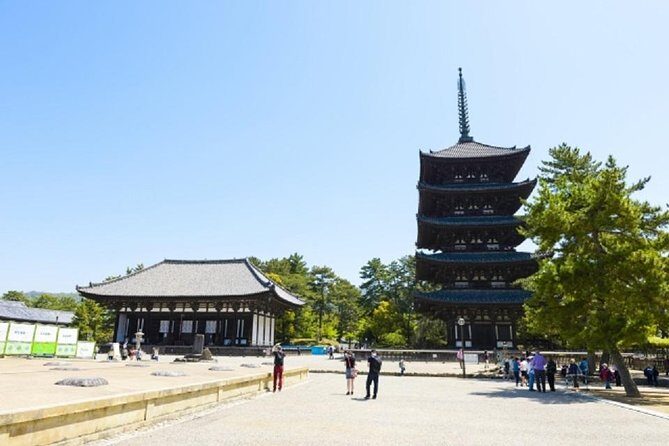
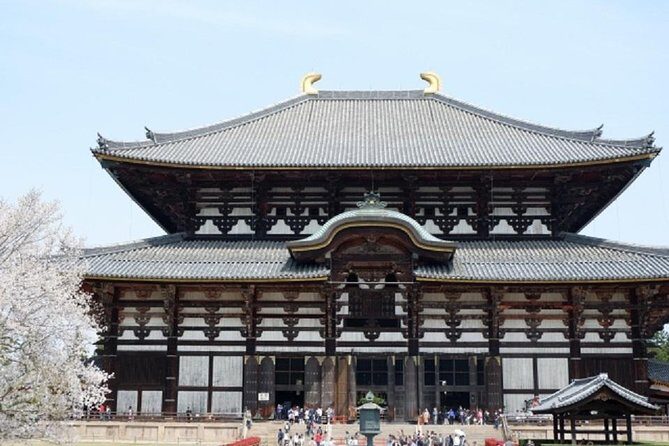
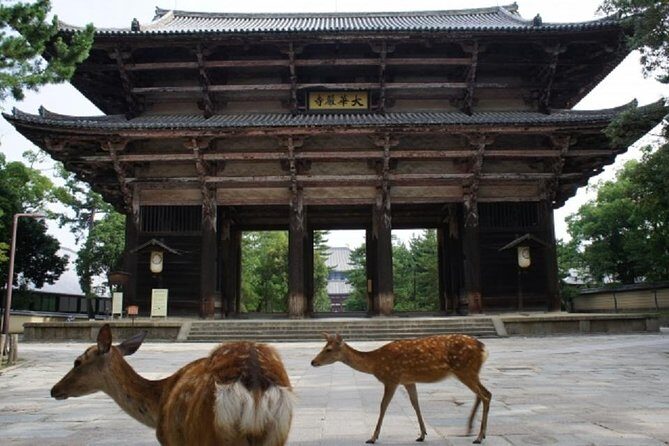
Todai-ji is the first “no excuses” stop. This is where the Great Buddha lives, and the Great Buddha Hall is known as one of the largest wooden buildings in the world. Even if you’ve seen temple photos before, this one tends to hit differently in person, because scale is hard to understand until you’re standing under it.
You’ll have about an hour here. That’s enough time to orient yourself, take in the main sights, and notice the kind of objects and treasures that Todai-ji is famous for. Entrance tickets are not included, so you’ll either purchase on-site or have your guide help you handle what you need.
What I like about starting the day here: you get the biggest, most recognizable anchor early. If you save it for late afternoon, crowds and energy can make it feel like a checklist item. Early gives you the best chance to actually enjoy it.
A practical tip: since you’re on a guided public-transit day, keep your hands free for tickets and small purchases. Temple days are where you don’t want to be juggling bags and paperwork at the worst time.
Kasuga Grand Shrine: shrine grounds with ancient prestige
Kasuga Grand Shrine is a different mood from Todai-ji. Instead of one major hall dominating your attention, Kasuga spreads out across its precincts, with the shrine itself painted in red and described as elegant and classic.
You’ll also learn why this place has a reputation that goes back centuries. The precinct is known for wisteria, so even if you’re not traveling in bloom season, it’s a helpful way to understand that the site is tied to long-term seasonal traditions. There’s also the Kasuga Taisha National Treasure Hall in the grounds, which gives you more to see beyond the main shrine area.
Again, you’re allotted about one hour. In that time, you can walk the core precinct paths, take in the shrine atmosphere, and spend enough time to not feel rushed.
One thing to watch: because you’re going to multiple sites in one day, you’ll be tempted to speed through this one for the next stop. Don’t. Kasuga is one of those places where the value is partly in the space between sights—the way the grounds change as you move.
Nara Park and the deer crowd: fun, fast, and a little chaotic
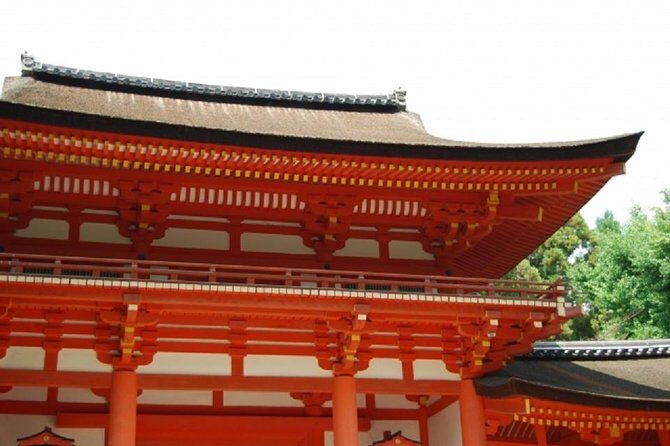
Nara Park is the reason most people picture Nara at all—and also the reason your shoes get tested. The schedule includes time to explore the park area, and the park isn’t just deer. It connects to other major temple names and the wider UNESCO surroundings.
In the stop description, you’ll see mention of Mt. Kasuga and Mt. Wakasa, plus other major sites like Kofuku-ji, Todai-ji, and Kasuga Taisha. That’s a clue that your time in the park is not meant to be a quick selfie lap. It’s also meant to help you understand how the sacred sites relate to the larger Nara landscape.
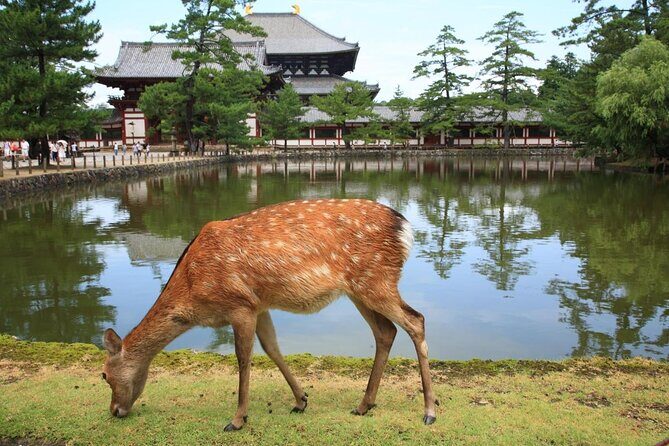
And yes, the deer matter. One theme that comes up in the guide feedback is how your guide moves you through the park past the deer’s attention—meaning you’re not just wandering blindly and hoping you don’t end up in a deer staring contest. The deer can be bold, especially when people have snacks or food.
So here’s my practical advice: come mentally ready for “park rules.” Keep your hands controlled, watch where you step, and don’t treat the deer like a passive photo prop. A guide helps, because they can steer you away from the densest pockets and keep your route moving.
If you’re traveling with kids, this stop can be a highlight. If you don’t like close animal encounters, just know you’ll need a calm strategy—your guide should be able to route you through areas more comfortably.
Kofuku-ji: Fujiwara connections and temple structure
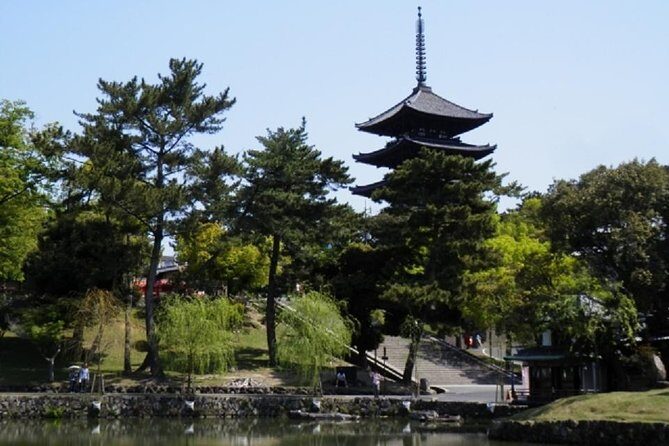
Kofuku-ji is a strong final temple stop and a good counterbalance to the deer park energy. The stop description gives you real context: Kofuku-ji was originally connected to the Fujiwara family, built as a private residence of Fujiwara Kamatari in Yamashina, Kyoto. Later, it was moved to its present location by Fujiwara nofuhito during the Heijo shift capital in 710.
That date detail matters because it turns Kofuku-ji from a pretty building into a timeline clue. You’re seeing a site connected to the political and cultural shifts of early Nara-era Japan. Even if you only catch parts of the story while moving, that kind of grounding helps the day feel coherent instead of random.
You’ll have about one hour here as well. That’s enough to see the main temple areas and understand what you’re looking at. Since entrance tickets aren’t included, factor in the time and cost of entry.
What I like about finishing with Kofuku-ji: by the time you reach it, the day’s rhythm has settled. You’ve had your big visual hits (Todai-ji and Kasuga), your Nara Park fun, and now you close with a temple that feels more grounded and historically specific.

Price and what you’re really paying for
The price is $175.58 per person for about a 7-hour private experience. That sounds steep until you break it down.
Here’s what you’re paying for:
- An English-speaking professional guide
- Private tour time for just your group
- Meeting in your Osaka hotel lobby
- Help with public transportation logistics (routes and tickets while traveling)
Here’s what you still pay separately:
- Food and drinks
- Admission tickets (not included at the temple stops)
- Public transportation to/from (customers cover their transit)
So the value comes from reducing the two biggest costs that don’t show up on the menu: stress and wasted time. On a do-it-yourself train day, the biggest risk is losing an hour to the wrong transfer, the wrong exit, or a ticket line mismatch. This tour buys you guidance through those friction points.
Also note the tour includes group discounts and mobile tickets, and it offers pickup. Those details are helpful if you’re trying to keep the day smooth from the first minute.
Booking timing: it’s often booked about 40 days in advance on average. If you have a fixed travel window, I’d treat that as a sign to reserve earlier rather than gambling on last-minute availability.
What the guides are like (and why that matters)
This kind of day lives or dies by communication. You’re moving between major sites, using public transit, and making quick decisions about routes and timing. When the guide’s English is strong and the tone is calm, the day feels efficient and friendly. When it isn’t, the whole flow becomes frustrating.
The feedback on guide performance includes names like Emiko (also seen as Imeko) and Makino (Mike), with praise focused on being attentive, warm, and clearly able to guide people through Nara Park even with deer distractions. One note also highlights a guide arriving early and waiting in the lobby with a sign—small detail, big payoff when you’re trying to start on time.
But there’s also one caution note about poor English and a rude manner. I can’t guarantee guide quality for any single day. What you can do is come prepared: be ready to ask simple questions like where to meet next and how long you have at each stop. And if you’re traveling with someone who needs very clear English, it’s worth paying close attention to any instructions you receive at booking time.
How the day flows: pacing across four major stops
The itinerary is built around four core sites, each with about an hour:
- Todai-ji Temple
- Kasuga Grand Shrine
- Nara Park
- Kofuku-ji Temple
Between stops you’re on public transportation, and your guide stays with you through the travel segments. That matters because temple touring isn’t only about walking in buildings. It’s also about getting from point A to point B without losing your place.
This structure is also why the tour works for first-timers. Nara can feel overloaded if you try to do everything in one day alone. Here, you get the main anchors plus context tying them together.
Pacing note: because each stop is roughly an hour, you’ll want to pick what you want most at each place—main hall views, shrine grounds walks, or deer-park wandering. If you try to do everything at once, you’ll feel rushed. A guide helps you prioritize without making it feel like you’re missing stuff.
Who should book this Nara private transit tour
This is a great fit if:
- You want a private day in Nara without navigating trains on your own
- You like the big-name sights: Todai-ji, Kasuga, Nara Park, Kofuku-ji
- Your group values smooth coordination and English support
It may be less ideal if:
- You’re strictly cost-minimizing and comfortable doing all transport and ticketing yourself
- You hate being on a fixed schedule with four main stops
- You have very specific communication needs and want maximum confidence about guide English
If you’re traveling with older family members or anyone who doesn’t want to fight transit stress, the hotel-lobby meeting and guide-accompanied routes can feel like the whole point of paying for the private format.
Should you book it?
If you want Nara without the map anxiety, this tour is a strong choice. The mix of private guidance, major UNESCO-linked stops, and deer-park navigation is exactly what you’d want from a guided day trip.
I’d book it when:
- you’re arriving in Osaka and want a dependable full-day plan
- you’d rather pay for coordination than spend your day troubleshooting stations
- you value an English-speaking guide to keep the experience smooth
Skip it when:
- you’re happy handling transit and entrance tickets solo
- you prefer free-form time over a structured four-stop day
Overall, for the price, you’re buying time, direction, and confidence—plus the relief of not having to figure out the public transportation piece alone.
FAQ
How long is the Nara private tour from Osaka?
It runs about 7 hours (approx.).
Is this tour private or shared?
It’s a private tour, so only your group participates.
Does the tour include hotel pickup?
The tour includes meeting in the hotel lobby, and pickup is offered.
Are entrance tickets included for Todai-ji, Kasuga, and the other sites?
No. Admission tickets are not included.
What’s included in the price?
The tour includes an English speaking professional guide, the private tour format, and meeting in the hotel lobby.
Can I cancel for a full refund?
Yes. You can cancel up to 24 hours in advance for a full refund.
![Kyoto: Personalize, private tour (3h, 5h, 8h) [W/Car Option] - Picking 3, 5, or 8 hours: where the real value shows up](https://images.thejapantraveler.com/wp-content/uploads/kyoto-personalize-private-tour-3h-5h-8h-w-car-option.jpg)