REVIEW · FUKUOKA
One-Day Customized Minami-Aso & Takachiho Tour
Book on Viator →Operated by SMEKK Inc Stars Japan Travel · Bookable on Viator
A morning start beats the crowds in Kyushu. This one-day, private custom tour pairs Minami-Aso’s volcanic drama with Takachiho’s gorge-and-shrine calm, all with English help from Keita and Mercedes (and driving support from Ikeda-san). I love how much the day can flex to what you want to do, not just what’s on a fixed loop.
I also love the access to spots that are hard to reach by public transport, which keeps your day moving instead of guessing. The main thing to keep in mind: activity fees and lunch are not included, and volcanic weather can affect what you’re able to see.
You’ll start early and still feel unhurried. The timing works because you’re not spending chunks of the day on transfers, and your guide can coordinate reservations when needed. In practice, it means you can protect your focus on the big moments like Takachiho Gorge and the shrines tied to Amaterasu.
One possible drawback is planning around nature itself. If rain, mist, or volcanic restrictions hit (especially near crater areas), the schedule may switch to safer alternatives, so you’ll want to stay flexible.
In This Review
- Key Things I’d Bet Your Day Will Include
- Price and Logistics: What You’re Really Paying For
- A Custom Day in Nature: How the Guides Make It Feel Personal
- Stop-by-Stop: From Shirakawa Spring to Takachiho’s Sacred Sites
- Shirakawa Springs (Shirakawa Suigen)
- Takachiho Gorge
- Amanoiwato Shrine Nishi Hongu (Sun Goddess Amaterasu)
- Takachiho Shrine
- Takachiho Railway: The Amanoiwato Station Area
- Optional Add-Ons: Boat Ride Reservations and Crater Contingencies
- Takachiho Gorge Boat Ride (Plan Ahead)
- Nakadake Crater May Be Restricted
- Transportation Time: The Not-So-Fun Part (But It’s Worth It)
- The Human Factor: Keita, Mercedes, Kumiko, and Ikeda-san
- Who This Tour Fits Best (And Who Might Want Something Else)
- Practical Tips Before You Go
- Should You Book This Customized Minami-Aso & Takachiho Tour?
- FAQ
- How long is the tour, and when does it start?
- Is pickup included?
- Is this a private tour or shared group?
- What’s included in the tour price?
- What isn’t included?
- Do I need to reserve any optional activities in advance?
Key Things I’d Bet Your Day Will Include
- Private-only group time means the itinerary can be tailored to your pace and interests
- English-speaking guides (Keita, Mercedes, Kumiko) who can handle on-the-go changes
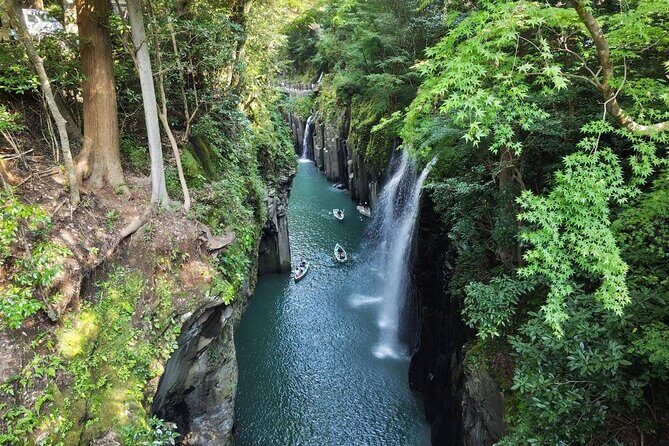
- Takachiho Gorge scenery shaped by Gokase River cutting through basalt columns
- Shirakawa Spring water stop with admission included and time built in
- Optional Takachiho boat/rail-style experiences that may require advance reservation
Price and Logistics: What You’re Really Paying For
At $326.60 per person, this isn’t a bargain-bucket bus tour. The value comes from three things you can feel on the day: private transportation, an English-speaking guide service, and organization that takes pressure off you.
The tour price covers fees/taxes, travel insurance, guide charge, and transportation. What’s not covered is lunch and “activity expenses,” which can add up depending on which optional experiences you choose. If you want the boat ride or specific paid attractions, you’ll want to price that in up front so there are no surprises.
Timing matters too. The day is about 10 hours total, including transport, and the start time is 7:00 am from the Hakata area (Hakata Ward). That early start is a gift in rural Kyushu, where parking and road bottlenecks can otherwise eat your morning.
Finally, this is a private tour for your group only. That one detail changes the whole vibe: you’re not negotiating around strangers’ photo speed or museum speed, and the guide can actually run the day like a plan made for you.
You can also read our reviews of more tours and experiences in Fukuoka.


A Custom Day in Nature: How the Guides Make It Feel Personal
This tour advertises customization, but the bigger win is how the day gets managed when reality changes. In past experiences with this operator, guides like Keita and Mercedes have adjusted plans and reservations while you’re already on the move. When weather shifts, or when a key viewpoint turns foggy, they don’t just throw up their hands.
That flexibility shows up in pacing. You get time blocks at each stop, but they’re not so rigid that you feel dragged. The best outcome is that you spend more time seeing and less time navigating.
Guides here are clearly used to working with people who have different priorities. Some want nature photos and dramatic views, others care more about shrines and cultural meaning, and families often want a steady flow without long stressful stretches. The private format helps the guide steer the route toward what you actually want.
Stop-by-Stop: From Shirakawa Spring to Takachiho’s Sacred Sites
This is a full day built around two regions: Minami-Aso in Kumamoto and Takachiho in Miyazaki. You’ll move from water and volcanic geology to shrines tied to harvest and protection, then circle back.
Shirakawa Springs (Shirakawa Suigen)
The morning begins at Shirakawa Springs, known as one of Japan’s top spring waters. You’ll get about 30 minutes here, and admission is included. Even if you don’t go crazy reading about water sources, it’s a calming start before you hit the more dramatic gorge scenery.
Why it’s worth it: spring water stops in Japan are rarely just a “look and leave” photo moment. They connect you to what local life actually depends on—bottling, local industry, and the everyday rhythm of the region. You also get a chance to reset before the drive and the later walking.
Takachiho Gorge
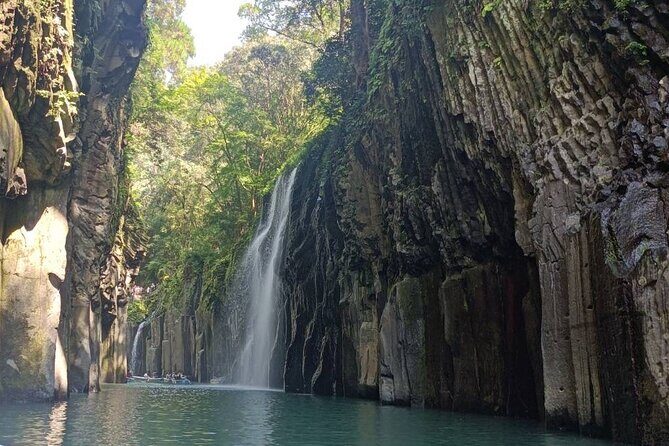
Next is Takachiho Gorge, about 40 minutes on site. The key idea here is geology: the Gokase River has carved a narrow chasm through the rock, and the cliffs show basalt columns that look like twisted dragon scales. If you like the “how did nature make this?” side of travel, this is your stop.
Admission for the gorge area isn’t included, so if you want to go inside paid areas, that’s one of the activity costs you’ll cover separately. Still, the gorge is the visual centerpiece of Takachiho, so I wouldn’t skip it even if your schedule is tight.
One important practical note: the gorge experience is weather-dependent. Light fog or mist can change visibility and mood. That can be gorgeous—or it can limit the “big view” factor. Either way, go in expecting the gorge to feel more atmospheric than postcard-perfect.

Amanoiwato Shrine Nishi Hongu (Sun Goddess Amaterasu)
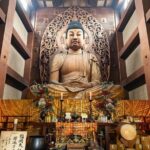
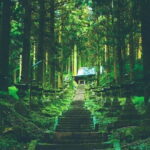
This is one of those stops that’s short on effort and heavy on atmosphere. You’ll spend about an hour at Amanoiwato Shrine Nishi Hongu, and admission is free.
The shrine’s association with Amaterasu (Japan’s sun goddess) matters because the site is designed to feel like it connects sacred myth to place. You’ll see a large torii gate placed in a cave setting, which creates a mystical, enclosed feel compared with open-air shrines.
If you’re into spiritual travel, this is where the day gains meaning beyond scenery. Even if you don’t read much, the setting helps you understand why people keep coming back.
Takachiho Shrine
After the cave shrine, Takachiho Shrine is a quicker stop—about 15 minutes—and it’s also free. It’s tied to good harvests, marriage prospects, transport safety, and lifting bad luck.
Why this works in the itinerary: it keeps you anchored in local beliefs while staying energy-smart. You don’t burn your whole day on shrine hopping, but you also don’t treat them like a checkbox.
Takachiho Railway: The Amanoiwato Station Area
Then comes the Takachiho Railway area linked to Amanoiwato Station. Your time here is about 40 minutes total, and the train experience is not included in the tour admission.
The train ride option is described as a 30-minute round trip—about a 5-kilometer journey—to enjoy the scenery from the route. If you like low-key transit-as-experience, this is a nice change from just walking and looking.
It’s also a helpful “breather” in the day. After gorge paths and shrine steps, the ride gives you a seated break while still adding something distinct.
Optional Add-Ons: Boat Ride Reservations and Crater Contingencies
The tour is built as a sample itinerary, but the true planning challenge is optional nature experiences.
Takachiho Gorge Boat Ride (Plan Ahead)
If you want the Takachiho Gorge boat ride, you need to reserve about a week ahead because it’s popular. This is the kind of detail that can make or break your day’s highlight.
So here’s the advice: decide early whether the boat ride matters to you. If yes, tell the operator right away. If no, you can keep the day more flexible and avoid extra planning stress.
Nakadake Crater May Be Restricted
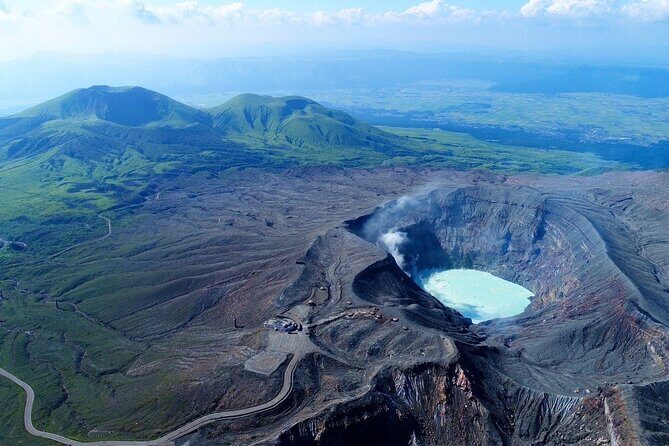
Volcanic activity is a real factor around Aso areas. Depending on weather and safety restrictions, Nakadake Crater could be inaccessible. In that case, you might switch to an alternative plan.
What you should do: set expectations that “visibility” is not guaranteed. Mist can turn crater views surreal, but restrictions can also change what you can do. A good guide response is part of the value here, because the day can still be worthwhile even when one viewpoint becomes off-limits.
Transportation Time: The Not-So-Fun Part (But It’s Worth It)
Driving is a big part of this tour, and the route between regions can be long. That’s not a dealbreaker, but it helps to know what you’re signing up for.
The benefit is that your destinations are remote enough that independent travel is harder. If you try to piece this together alone, you may lose time fighting bus schedules, changing trains, and navigating rural transfers. Here, transport is handled, which means more time on the experience and less time on logistics.
One review-style reality to be aware of: the return drive can feel longer than expected. Still, if the day’s goal is Minami-Aso + Takachiho in one sweep, this is the tradeoff.
The Human Factor: Keita, Mercedes, Kumiko, and Ikeda-san
What makes the tour feel “high value” isn’t only the sights. It’s how smoothly the day is run by the team.
You may be guided by people like Keita or Mercedes, with support from others such as Kumiko, depending on the exact arrangement. There’s also mention of the driver Ikeda-san, which matters because the driver isn’t just a chauffeur—you feel the effect of coordinated timing when the road gets slow or when reservations need a quick rethink.
In multiple firsthand accounts, guides adjusted plans when conditions changed. That “on the fly” skill is what turns a weather- or visibility-affected day into a successful one, instead of a frustrating one.
Who This Tour Fits Best (And Who Might Want Something Else)
This works best for you if you want a private, English-supported day that blends nature + spirituality and you don’t want to wrestle with rural transportation.
It’s also a strong fit for:
- Families who want a structured day without getting separated or lost
- People who enjoy geology and dramatic natural forms
- Travelers who care about shrine sites but still want an outdoor-heavy itinerary
- Anyone who likes flexible planning when weather changes
It might be less ideal if you’re strict about paid activities and want zero extra costs. Since lunch and activity expenses are separate, you’ll need to decide in advance what you want to add.
Practical Tips Before You Go
A few moves will make this day smoother.
First, communicate your must-do activities early. If boat ride access is important, treat that as a priority and act quickly. If crater visibility or restrictions worry you, ask what the realistic alternatives are in poor weather.
Second, plan for a full day. This is 10 hours total including transport, so pack for comfort. Wear shoes that handle uneven paths and potentially damp surfaces.
Third, keep an open mind about what you can see. Even when a major viewpoint is obscured, the region’s atmosphere can still deliver. Mist and volcanic air can change the mood in a way that feels otherworldly.
Should You Book This Customized Minami-Aso & Takachiho Tour?
If you want Minami-Aso and Takachiho in one day with an English-speaking guide, I think this is a smart booking. The price buys private logistics, real human coordination, and flexibility—three things that matter most on rural, weather-sensitive routes.
Book it if:
- You want a custom itinerary shaped around your interests
- You value guidance that handles reservations and changes
- You’d rather pay for convenience than spend time coordinating buses and trains yourself
Skip it (or consider a lighter plan) if:
- You’re trying to minimize extra spending since lunch and activity fees are not included
- You don’t handle schedule shifts well if volcanic or weather restrictions change access
In short: if you’re the type who likes meaningful stops and hates “transport puzzles,” this is the kind of day that tends to leave people smiling, even when nature gets moody.
FAQ
How long is the tour, and when does it start?
The tour runs for about 10 hours total, including transportation. It starts at 7:00 am from the meeting point in Hakata Ward.
Is pickup included?
Yes, pickup is offered, and the meeting point is near public transportation.
Is this a private tour or shared group?
This is a private tour/activity. Only your group participates.
What’s included in the tour price?
Included items are all fees and taxes, travel insurance, bilingual guide service charges, travel handling charges/taxes, and transportation fees.
What isn’t included?
Lunch and activity expenses are not included. Some specific admissions (like Takachiho Gorge and the Takachiho Railway portion) are also not included.
Do I need to reserve any optional activities in advance?
If you want the Takachiho Gorge Boat Ride, it needs to be reserved about a week prior because it’s popular. Also, crater access like Nakadake Crater can depend on weather and volcanic safety restrictions.