REVIEW · TAKAYAMA
One-Way Bus Ticket: Takayama to Kanazawa via UNESCO Shirakawa-go
Book on Viator →Operated by LIMON Tours · Bookable on Viator
That scenery break fixes the whole trip. This one-way ride from Takayama to Kanazawa via UNESCO Shirakawa-go turns a transfer day into a sightseeing day, and I really liked the clean, air-conditioned bus and the simple logistics with luggage stored for you. One thing to consider: the Shirakawa-go stop is great, but 2 hours can feel short if you want a longer wander.
The departure is timed early (8:20 AM), so you spend less of your day wrestling transport schedules. You also get WiFi on board and frequent-enough bathroom breaks (about once every 90 minutes), which matters more than it sounds when you’re on the road for ~6 hours. My only caution is practical: double-check the Takayama meeting spot and bus stop, since the bus platform can vary when you’re near Kanazawa.
In This Review
- Key Highlights at a Glance
- Taking the “Transfer Day” and Making It Worth It
- Price and Value: What You’re Really Paying For
- Meeting Points, Bus Platforms, and Finding the Right Bus
- The Ride Itself: Comfort, WiFi, and Bathroom Break Rhythm
- Timing That Actually Works: Depart 8:20 AM, Arrive Kanazawa
- Shirakawa-go Stop: What Two Hours Feels Like
- Luggage Rules That Make or Break Comfort
- WiFi and Small-Group Comfort: Practical Perks You’ll Use
- The One Big Catch: No Guide on Board
- Who This Bus Ride Is Best For
- Should You Book This One-Way Ticket?
- FAQ
- FAQ
- How long does the bus take from Takayama to Kanazawa?
- Where do I meet the bus in Takayama?
- Where do I get dropped off in Kanazawa?
- Is WiFi included on the bus?
- Is there an admission ticket cost for Shirakawa-go during the stop?
- Are there bathroom breaks on the way?
- Is there a guide on the bus?
Key Highlights at a Glance
- Punctual, well-timed service: you depart Takayama at 8:20 AM and follow a structured plan without extra guesswork.
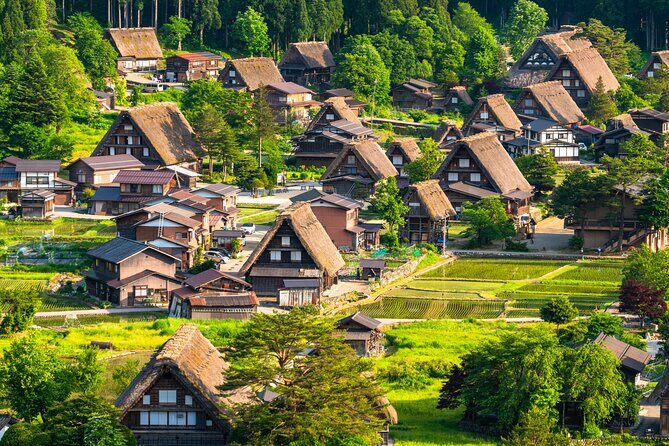
- UNESCO Shirakawa-go stop included: a dedicated ~2-hour window in the gassho-zukuri village (admission-free).
- Onboard comfort that actually helps: air-conditioning plus WiFi on the bus.
- Luggage made easy: up to two pieces under the bus and one carry-on in the cabin; oversized luggage is allowed.
- Small-group feel: maximum 36 travelers, and the ride can be very quiet depending on how full it is.
- No guide on the bus: it’s a transportation service, so plan to read on your own or explore at your pace.
Taking the “Transfer Day” and Making It Worth It
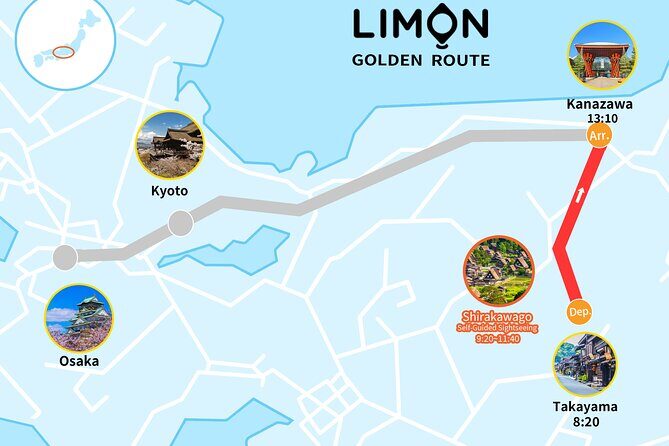
If your Japan route includes Takayama and Kanazawa, you usually have two choices: stress over schedules or pay for the sanity of a planned ride. This one-way bus is built for the second option, and it does exactly what it promises—get you from Takayama to Kanazawa without transit headaches, with a meaningful detour in between.
The big win is the two-hour Shirakawa-go stop. Instead of treating Shirakawa-go as an extra day trip, you slide it into the route you’re already traveling. That means you’re not only “moving”; you’re getting an experience you’d otherwise have to plan separately.
My second favorite thing is the overall comfort and control. It’s air-conditioned, there’s WiFi, and luggage is handled in a way that keeps your hands free while you explore. For a ~6-hour day, those practical details make a noticeable difference.
You can also read our reviews of more tours and experiences in Takayama.



Price and Value: What You’re Really Paying For
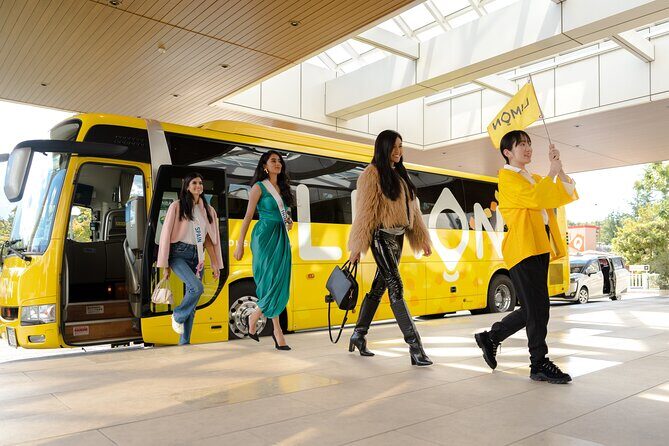
At $71.85 per person, this isn’t the cheapest way to travel—but it’s designed to save you time and friction. You’re paying for a direct, scheduled connection, onboard comfort, and the built-in Shirakawa-go stop. That combination matters if you’re on a tight itinerary or want to avoid train/bus transfers with hard-to-manage timing.
You’re also getting a few “hidden value” items that travelers feel immediately: luggage storage beneath the bus (up to two pieces), an included admission-free stop at Shirakawa-go, and onboard WiFi. When those are included, the cost feels less like “transportation fees” and more like a bundle that protects your day.
A fair heads-up: this price won’t magically replace local transit costs. If you love DIY travel and don’t mind changing vehicles, public transportation might cost less. But if you want a smooth day where you can focus on sightseeing, this price often earns its keep.
Meeting Points, Bus Platforms, and Finding the Right Bus
You start at Takayama Station 1 Chome Showamachi (Takayama, Gifu 506-0053). The pickup is straightforward in concept, but it pays to be careful with the exact stop and location.
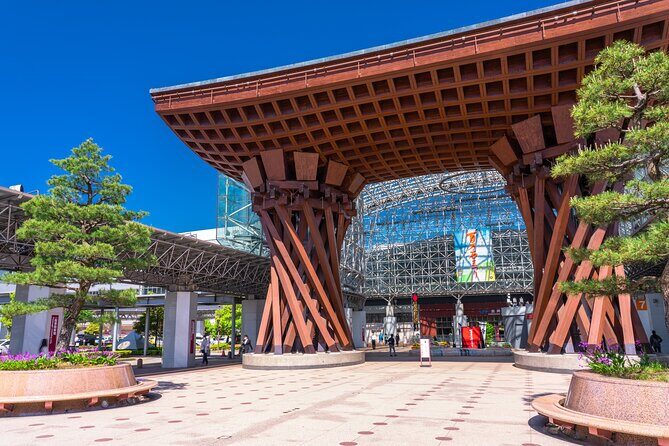
In Kanazawa, you finish at Kanazawa Station West Entrance Bus Stop Terminal (1 Chome-8 Hirooka, Kanazawa, Ishikawa 920-0031). The bus may stop at platform 1 or platform 2 depending on availability, so don’t assume it’s always the same platform number.
One small but useful tip: aim to arrive a few minutes early. The service is very punctual, and getting settled before boarding helps everything feel calm. Reviews also hint that the bus is easy to spot when you locate the correct Takayama stop—so check the address carefully.
The Ride Itself: Comfort, WiFi, and Bathroom Break Rhythm
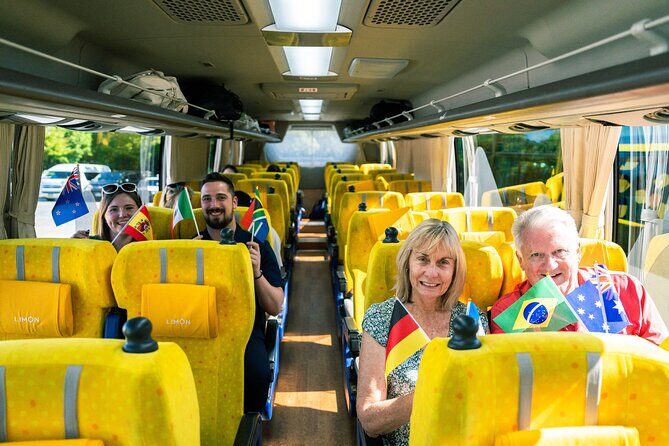
This is an air-conditioned bus, which is huge in Japan when weather swings. The comfort isn’t just a nice-to-have; it makes the ride easier on you so you can actually enjoy the sightseeing stop without arriving wiped out.
There’s WiFi on board, and for planning as you go it’s genuinely helpful. You can pull up maps, check next steps for Kanazawa, or review where you want to walk once you arrive.
For breaks, the plan is not random. You should expect bathroom stops about once every 90 minutes. That schedule keeps the bus moving while still being realistic for a long sit.
Also note the group size: the service maxes at 36 travelers, which often keeps the experience from feeling chaotic. When the bus is light, it can feel almost like you have your own private shuttle.
Timing That Actually Works: Depart 8:20 AM, Arrive Kanazawa
You depart Takayama at 8:20 AM. That early start matters because it helps you reach Shirakawa-go before the day crowds fully hit. If you like calmer photos and slower walking, early timing is a real advantage.
The total duration is listed at about 6 hours. That includes travel time plus the scheduled stop in Shirakawa-go, so you’re not stuck waiting around in either Takayama or Kanazawa for long stretches.
When you arrive in Kanazawa, you’re dropped at the west entrance terminal area, which is convenient if you’re heading to a hotel near the station or planning your next activity around central Kanazawa.



Shirakawa-go Stop: What Two Hours Feels Like
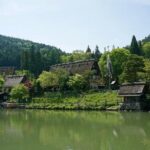
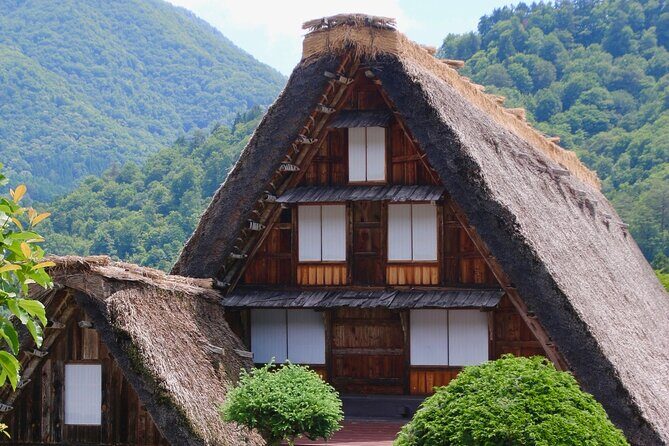
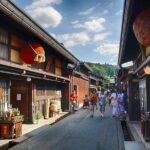
This is the heart of the trip: a stop in Shirakawa-go, a UNESCO World Heritage village known for gassho-zukuri farmhouses. You’re given about 2 hours to explore the village and take in the views.
Admission during the stop is free, which is a straightforward win. It means you can spend your money on snacks, small souvenirs, or whatever you find interesting rather than losing time to ticket lines.
What you can expect during that time:
- Walk the village lanes and look at the traditional gassho-shaped farmhouse architecture
- Enjoy viewpoints from around the area (you’ll have chances to pause and take photos)
- Take your time at your own pace instead of being rushed by a full tour program
Here’s the balanced part: 2 hours is long enough to get a satisfying taste of Shirakawa-go, but it’s not “all day.” If you want to thoroughly explore buildings, shop a lot, and keep stretching the walk, you may wish you had more time. The good news is that the stop length is intentional for a one-day connection to Kanazawa.
Luggage Rules That Make or Break Comfort

This is one of those rides where the luggage policy is the difference between “easy” and “annoying.”
You can store up to two pieces of luggage beneath the bus and keep one carry-on item in the bus per person. Oversized luggage is also mentioned as available, so if you’re traveling with something bulky, it’s worth using that option rather than trying to cram it into the cabin.
If you’ve ever carried a backpack through a transfer day, you already know why this matters. When your bags are stored for you, you can walk Shirakawa-go without constantly reshuffling things.
It also helps that the trip is designed as a simple through-ride. You’re not doing multiple steps where you have to manage your gear at each stage.
WiFi and Small-Group Comfort: Practical Perks You’ll Use

On paper, WiFi sounds like a convenience. In practice, it’s a safety net for the kind of travel where timing matters. You can check directions to your next stop in Kanazawa right after arrival, or look up local details before you step off the bus.
The comfort level also helps you enjoy the stop more. Being able to sit comfortably for hours, then get out and walk for two hours, is a smoother rhythm than many transfer options.
One more practical point from the vibe of the service: clear communication and structured timing. You’re given guidance about when to return, and that reduces stress. When you’re in an unfamiliar place, “knowing the plan” is underrated.
The One Big Catch: No Guide on Board
This is important: there is no guide on the bus. That means the service is focused on transportation, not narration or interpretation.
If you want historical storytelling and planned explanations while you ride, this setup may feel a bit light. But you can fix that easily—use your phone to read about Shirakawa-go beforehand, or spend a little time scanning informational signs while you’re there.
If you prefer freedom over a rigid tour format, the no-guide setup is often a plus. You get to walk at your own pace without being herded.
Who This Bus Ride Is Best For
This experience fits best if you want a smooth one-way connection and a meaningful stop without planning complexity.
It’s a great choice for:
- People going from Takayama to Kanazawa who want to avoid timetable stress
- Travelers who like an early start and want a structured Shirakawa-go visit
- Anyone who values bus comfort, WiFi, and easy luggage handling
- Solo travelers or small groups who don’t need a guide on board
It may not be ideal if:
- You want a long, guided Shirakawa-go experience with deeper explanations
- You’re trying to do a super-slow, hours-and-hours countryside wandering day
Should You Book This One-Way Ticket?
Yes—if your main goal is to reach Kanazawa smoothly while making Shirakawa-go part of your route, this is a strong buy. The combination of an air-conditioned ride, WiFi, luggage storage, punctual timing, and an admission-free Shirakawa-go stop makes the day feel organized without feeling like a strict tour.
I’d especially recommend booking if your itinerary is tight and you don’t want to spend mental energy on connections. Just go in knowing the Shirakawa-go window is designed to be efficient, not endless. If you want more time in the village, you might need a different type of visit.
FAQ
FAQ
How long does the bus take from Takayama to Kanazawa?
The trip is listed at about 6 hours (approx.), including the scheduled stop in Shirakawa-go.
Where do I meet the bus in Takayama?
The meeting point is Takayama Station 1 Chome Showamachi, Takayama, Gifu 506-0053, Japan.
Where do I get dropped off in Kanazawa?
You’ll arrive at Kanazawa Station west entrance bus stop terminal, 1 Chome-8 Hirooka, Kanazawa, Ishikawa 920-0031, Japan.
Is WiFi included on the bus?
Yes. WiFi is included on board.
Is there an admission ticket cost for Shirakawa-go during the stop?
The Shirakawa-go stop lists admission as free.
Are there bathroom breaks on the way?
Yes. The service includes necessary stops for bathroom breaks, about once every 90 minutes.
Is there a guide on the bus?
No. This is a transportation service, and there is no guide on board.