REVIEW · OSAKA
Osaka: LGBTQ+ Life Past and Present
Book on Viator →Operated by Pinpoint Traveler, Inc · Bookable on Viator
Gay Osaka is easier with a local guide. This tour pairs Shinsekai and Doyamacho, two very different parts of town that together show LGBTQ+ life past and present. You walk, ride transit between neighborhoods, and get built-in food and drinks while a guide keeps the night moving.
I like how it doesn’t treat LGBTQ+ culture like a museum. You get a light dinner plus drinks, and you’re guided by Kevin, who comes across as personable and fun rather than stiff. The best part is that it feels like you’re walking with someone who actually wants you to understand the area and get your bearings fast.
One thing to consider: you’re out at night and the itinerary is weather dependent, plus the minimum age is 20 since alcohol is included. If you’re hoping for a quiet, daytime stroll, this isn’t that kind of experience.
In This Review
- Key things I’d circle before you book
- Entering LGBTQ+ Osaka: Shinsekai meets Doyamacho
- What the price covers (and why it feels fair)
- Stop 1 in Shinsekai: the older, guarded gay story
- Stop 2 in Doyamacho: modern bars and easier social access
- The guide effect: why Kevin changes the tone
- How the schedule plays in real life
- Alcohol, age rules, and staying comfortable
- Practical tips that make the night smoother
- Should you book this Osaka LGBTQ+ tour?
- FAQ
- FAQ
- How long is the Osaka LGBTQ+ Life Past and Present tour?
- What time does the tour start?
- Where do we meet for the tour?
- Where does the tour end?
- Is this tour private?
- What’s included in the price?
- Do I need to pay extra for admission?
- What are the age requirements, and is alcohol included?
- What happens if the weather is bad?
- Can I cancel for a full refund?
Key things I’d circle before you book
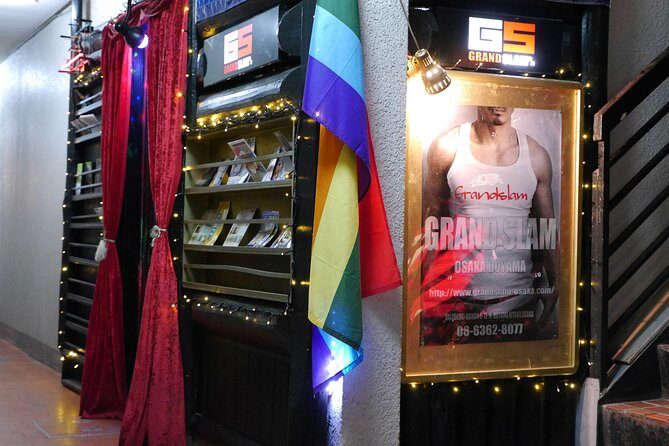
- Two neighborhoods, two moods: Shinsekai’s older, more secretive story next to Doyamacho’s modern social scene
- Food and drinks included: a light dinner with one drink, then another drink at an LGBT-oriented bar
- A guide from the LGBT community: Kevin’s approach makes it feel friendly and practical
- Transit is handled: you don’t have to figure out the jump between the two LGBTQ+ hubs
- You start at Dobutsuen-Mae Station: easy access from major Osaka rail lines
- Admission at Stop 1: Shinsekai includes an admission ticket while Doyamacho is free for the segment
Entering LGBTQ+ Osaka: Shinsekai meets Doyamacho
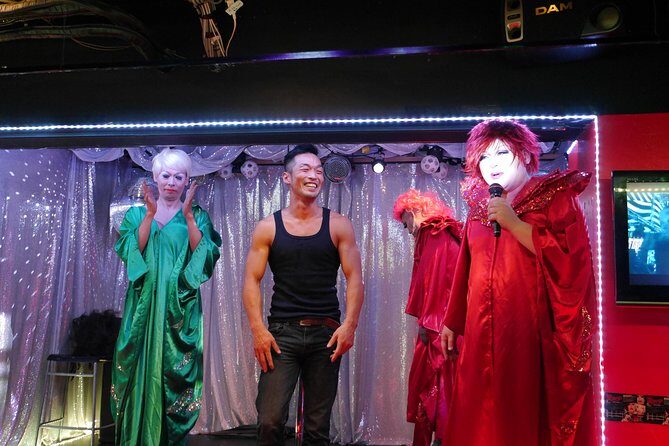
Osaka’s LGBTQ+ life isn’t just one scene. It’s more like two chapters written in different handwriting, and this tour keeps them side by side. You’ll see how one part of the city carried gay life more quietly for a long time, and how another part later became more open, social, and youth-forward.
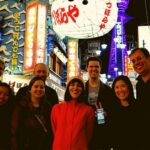
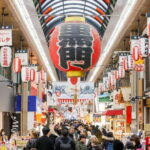
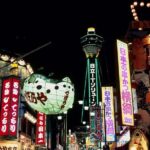
The evening starts in the south with Shinsekai. This area is known for food and flashy sights, but the tour focuses on what has been happening underneath that surface. In the not-so-distant past, gay men often got married to women, followed social rules, and then lived their private lives in membership bars and gay saunas. The story isn’t told to shock you, but to show how people adapted and survived under pressure.
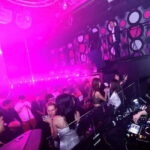
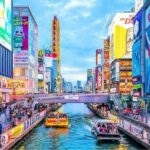
Then you hop north to Doyamacho, where the mood changes fast. The culture here is described as modern and less hidden, with gay youth, their admirers, and people who are simply curious. It’s a bar-heavy area with lots of choices, so the walkaround matters—you learn how the place works before you pick where to go next.
A few more Osaka tours and experiences worth a look
What the price covers (and why it feels fair)
At about $96.79 per person, this is not a bargain tour. But the value makes sense because the basics are bundled. You get a guide, a light dinner and one drink, plus a second drink at an LGBT-oriented bar, along with transit between the two neighborhoods.
That matters because Osaka evenings can be expensive in small bites. If you tried to copy this on your own, you’d still be paying for dinner, a drink or two, and transit. Here, those pieces are folded in. You also get the English-speaking guide cost included, which is a big deal when you’re moving through nightlife where language can be a hurdle.
Booking timing can also help with value. On average, this one is booked about 28 days in advance, so if you want a specific slot, earlier is smarter. You also get a mobile ticket, which keeps your evening from turning into paperwork.
Stop 1 in Shinsekai: the older, guarded gay story
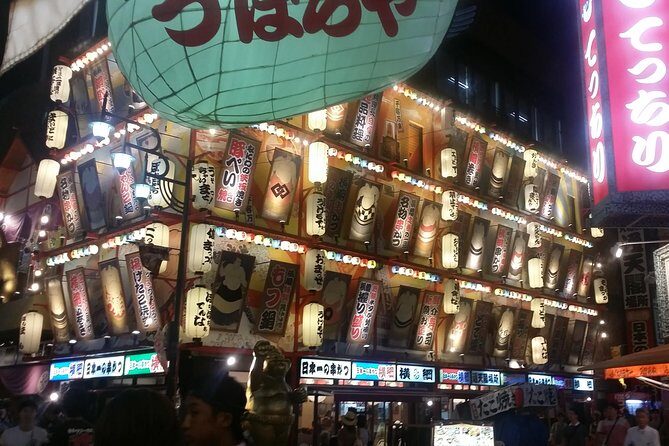
You spend about 2 hours in Shinsekai, and the segment includes an admission ticket. You start near Dobutsuen-Mae Station, then settle into a part of Osaka that many visitors first think of as food street energy and bright signage. The tour’s angle is different: it’s about the LGBTQ+ past living behind that curtain.
You’ll hear the story of how gay men, at various times, navigated social expectations. Some married women, held onto romantic and sexual feelings privately, and participated in membership spaces rather than public ones. The tour frames this as a practical response to real-world constraints—how people found community while keeping safety in mind.
Even when the tour points to those darker realities, it also keeps an eye on what came after. The evening connects older “secret society” patterns to modern lives, where some people may now live more openly than in earlier decades. You’re not just looking at buildings; you’re learning what shaped the social map of the neighborhood.
What I’d watch for: Shinsekai’s reputation is loud and visual, so if you prefer quiet, this start can feel intense. The payoff is that you get historical context right where the neighborhood’s main energy is already happening.
Stop 2 in Doyamacho: modern bars and easier social access
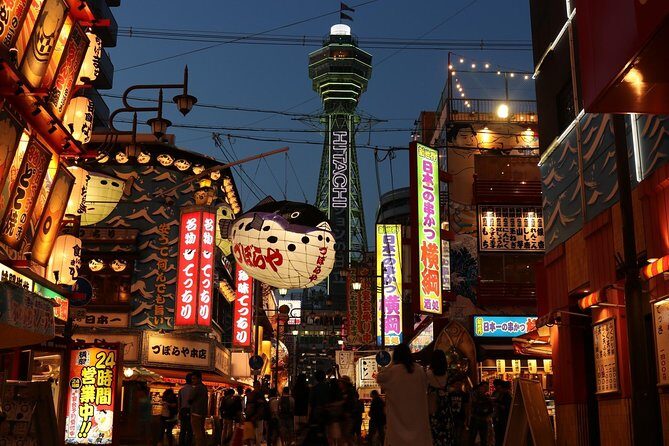
After about a 15-minute train ride, you shift to Doyamacho in the north. This segment is about 1 hour, and there’s no admission ticket noted here—your focus is the area itself and the included bar stop.
The vibe is described as modern and “unhidden-but-not-quite-boastful.” In plain terms: it feels social and open, but not like you’re in one single themed tourist zone. You’ll find lots of venues—from tiny bars to larger clubs—and the sheer number matters because it affects how you choose your night.
A Japanese speaker travels with you, which makes accessibility much easier. Nightlife can be hard when you can’t read the room fast, and here the tour provides the social translation. You’re also given a bar stop with a drink included, so you’re not left at street level wondering what to do next.
What I’d watch for: Doyamacho is bar-dense, so if you get overwhelmed by choices, lean on the guide and let the initial walk do the work. You’ll be better at picking on your own once you’ve seen how the area is laid out.
The guide effect: why Kevin changes the tone
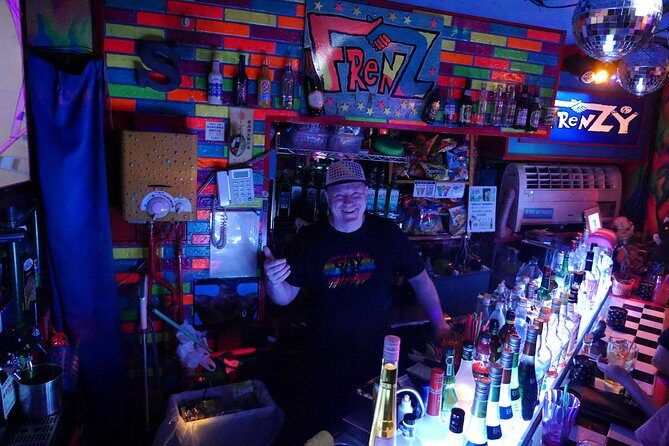
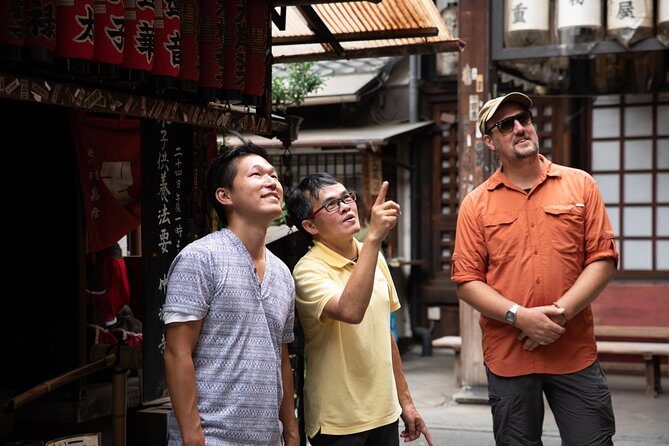
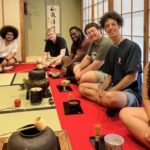
The biggest reason this tour gets such strong marks is the guide experience. Kevin is described as impassioned and fun, and the night doesn’t feel like a scripted lecture. Instead, it feels like a group of friends walking together with a shared interest in LGBTQ+ Osaka.
One helpful detail from the feedback: Kevin will actively help you find your way. If you come in a little turned around—common in Osaka because of station exits and underground routes—he’ll meet you rather than letting you struggle alone. That kind of attention matters more than it sounds, because nightlife timing can slip quickly.
Kevin’s knowledge is paired with a very human style. You’re likely to get answers without feeling put on the spot. That’s important in LGBTQ+ spaces, where you want context, but you also want respect and normal conversation.

How the schedule plays in real life
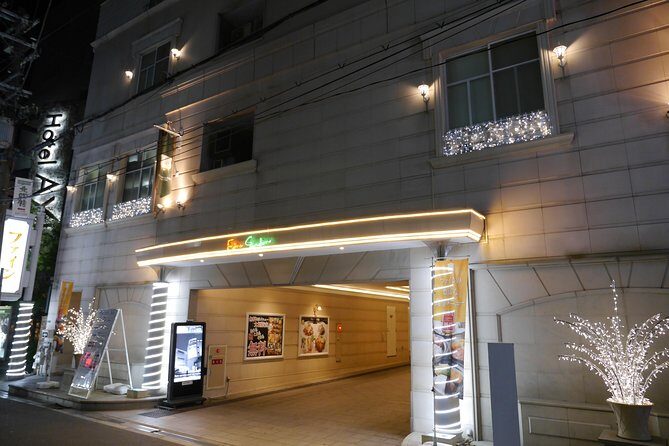
This is a 3-hour evening tour that starts at 6:30 pm. That timing is smart because most nightlife areas come alive after dinner hours, but you’re still early enough to have options. You’ll move between neighborhoods by train, so your feet do a manageable amount of walking while transit handles the longer distance.
The tour ends in Doyamacho, which is convenient because it leaves you already in the place you most likely want to keep exploring. You get guidance at the end on where you can go next, and it’s framed in a relaxed way rather than pushing you to one “correct” option.
Alcohol, age rules, and staying comfortable
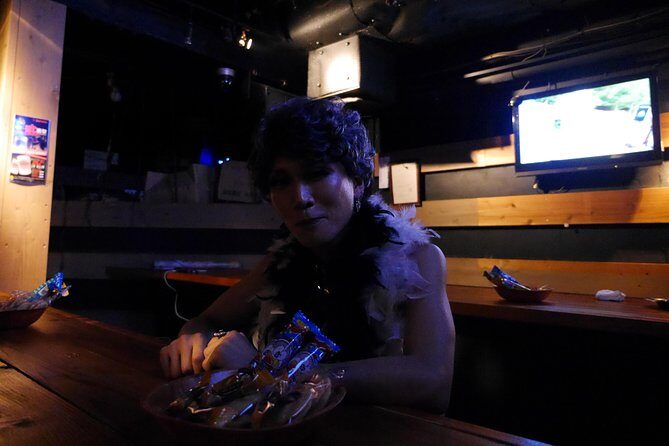
Japan’s legal drinking age is 20, and the tour lists the minimum age as 20. Alcohol is included in the package, so if you’re under that threshold, you won’t be eligible.
If you are 20+, plan to pace yourself. The tour gives you two drinks total—one with the dinner, then another at the bar stop. You don’t need to treat this like a drinking marathon, but it’s enough to loosen the social atmosphere. Carry a water bottle if you’re the type who likes to stay hydrated, especially in humid Osaka evenings.
Practical tips that make the night smoother
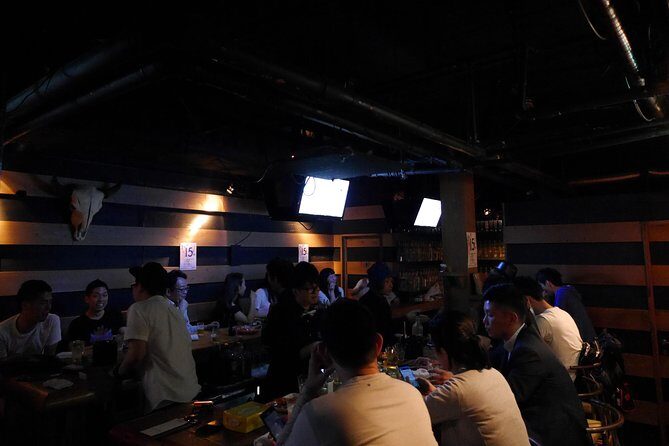
You’ll meet at Dobutsuen-Mae Station, near 1-chōme-6-12 Taishi, Nishinari Ward. The meeting point is described as walking distance from Osaka Station (JR) and Umeda Station connections, which means you’re not locked into only one rail line.
A mobile ticket keeps things straightforward. You’ll also get confirmation at booking time, so you’re not scrambling once you arrive.
This experience requires good weather. That’s not unusual for walking-based city nights, but it’s worth noting. If the weather turns, you’ll be offered a different date or a full refund.
Finally, remember this is a private tour. Only your group participates, which makes conversation easier and reduces the pressure of being the “one question person” in a crowd.
Should you book this Osaka LGBTQ+ tour?
Book it if you want a guided, respectful way to understand LGBTQ+ life in Osaka beyond the usual Tokyo spotlight. You’re getting both historical context and modern social reality in one evening, and the structure keeps you from wandering blindly.
Skip it if you want a daytime experience, or if you don’t want to mix nightlife with drinks. Also, if you’re under 20, it won’t work because alcohol is included and the minimum age is clearly set.
If you’re planning your first trip to Osaka and you’d like your nightlife to feel less like guesswork, this tour is a strong starting point. Shinsekai gives you the “past made visible” perspective, and Doyamacho shows you how LGBTQ+ social life looks today—then you end in the neighborhood where you’ll likely want to continue.
FAQ
FAQ
How long is the Osaka LGBTQ+ Life Past and Present tour?
The tour lasts about 3 hours total, with roughly 2 hours in Shinsekai and about 1 hour in Doyamacho.
What time does the tour start?
The start time is 6:30 pm.
Where do we meet for the tour?
You meet at Dobutsuen-Mae Station at/near 1-chōme-6-12 Taishi, Nishinari Ward, Osaka.
Where does the tour end?
The tour ends in Doyamacho, Kita Ward, Osaka.
Is this tour private?
Yes. Only your group will participate.
What’s included in the price?
The price includes a light dinner with one drink, one additional drink at an LGBT-oriented bar, transit while on tour, and the English-speaking guide expenses.
Do I need to pay extra for admission?
Shinsekai includes an admission ticket as part of the tour. Doyamacho is listed as admission free for that segment.
What are the age requirements, and is alcohol included?
The legal drinking age in Japan is 20, and the minimum age for the tour is 20. Alcohol is included as part of the package.
What happens if the weather is bad?
If the tour is canceled due to poor weather, you’ll be offered a different date or a full refund.
Can I cancel for a full refund?
Yes. You can cancel up to 24 hours in advance for a full refund. If you cancel less than 24 hours before the start time, the amount paid is not refunded.