REVIEW · OSAKA
Osaka: LGBTQ+ Tour with Dinner and Drinks
Book on GetYourGuide →Operated by Pinpoint Traveler · Bookable on GetYourGuide
Osaka has codes worth learning. This LGBTQ+ tour pairs an English-speaking guide with a light dinner and two drinks, walking you from Shin-sekai to Doyama while explaining how the community shifted over time.
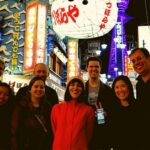
I love the way Kevin keeps the story human—funny when it fits, serious when it matters—and uses the streets to show you what life looked like back when people had to stay extra private. I also love the Shin-sekai dinner stop, because eating there makes the history feel like part of Osaka, not a museum topic.
One consideration: it’s an adult-focused walk with commentary that may not be right for pre-teens, and you’ll be out and about for a few hours. If you’re bringing someone younger, double-check the fit based on 18+ participation rules.
In This Review
- Key things you’ll get out of this Osaka LGBTQ+ tour
- Shin-sekai to Dobutsuen-Mae: starting where the tour finds its footing
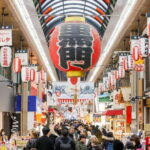
- Walking Shin-sekai: the older Osaka “everyone had a life” vibe
- Shin-sekai dinner: eating Osaka comfort food with a sharper lens
- Doyama’s gay-district energy: flags, niches, and the “one building, many worlds” feel
- The drink stop: two included drinks and a real sense of choice
- The history angle: how Osaka’s LGBTQ community shifted in real time
- Namba’s quieter side: finding where the scene hides in plain sight
- Practicalities that make or break a night out
- Value check: $95 for dinner and drinks in Osaka
- Who should book this Osaka LGBTQ+ tour
- Should you book this Osaka LGBTQ+ Dinner and Drinks Tour?
- FAQ
- Where does the tour start?
- How long is the experience?
- What is the price per person?
- Is there a live guide, and what language do they speak?
- What’s the maximum group size?
- Are there age requirements?
- What neighborhoods and areas do you visit?
- What’s included in the price?
- Is it wheelchair accessible?
- What should I wear or bring?
Key things you’ll get out of this Osaka LGBTQ+ tour
- A street-level LGBTQ+ story across two very different neighborhoods
- Kevin’s guide style: funny, friendly, and full of city-specific insights
- Dinner in Shin-sekai alongside context about older gay life
- Doyama’s bar architecture: lots of small venues under one roof
- Two included drinks to end the night in the right place for your mood
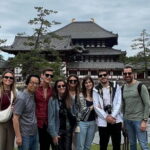
- Small group (max 8), so you can actually ask questions
Shin-sekai to Dobutsuen-Mae: starting where the tour finds its footing
I like that this tour starts at Dobutsuen-Mae Station, because it puts you on familiar transit ground fast. You’re not sent scrambling across Osaka at random—you’re guided to the right neighborhoods with the timing already planned.
Once you meet up, the pace is practical: you’re walking, stopping, and getting context that you’d never guess just by looking at signs. Shin-sekai, in particular, is a place where you can spot the obvious Osaka stuff—then a good guide explains the quieter layers that used to exist next door.
It’s also a smart format for first-timers. You get a guided path through areas like Namba and Doyama, but you’re still spending your time in the places that feel real. The small group size (limited to 8) helps a lot here. You’re not stuck listening to one-way speeches in a crowd; the guide can slow down for questions.
A few more Osaka tours and experiences worth a look

Walking Shin-sekai: the older Osaka “everyone had a life” vibe
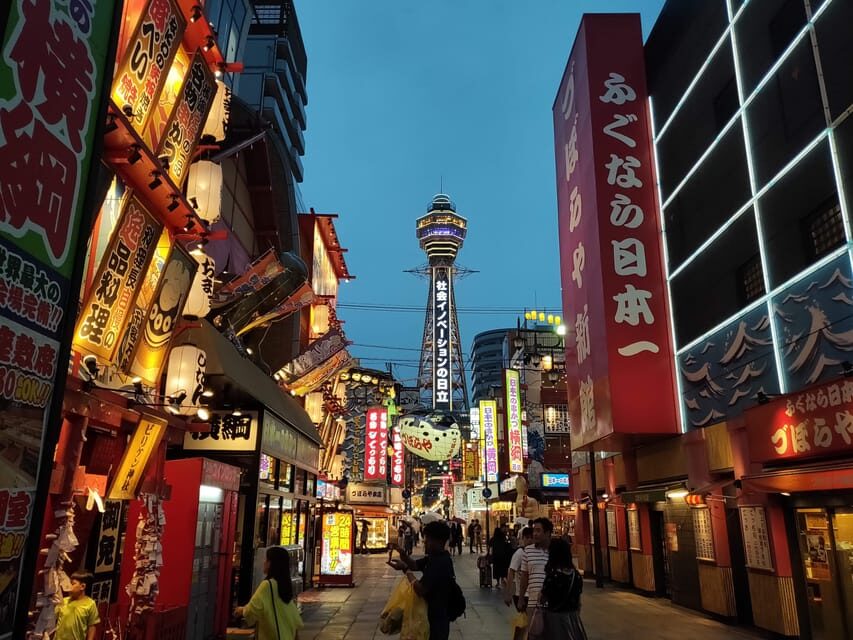
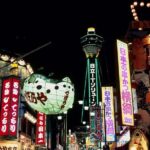
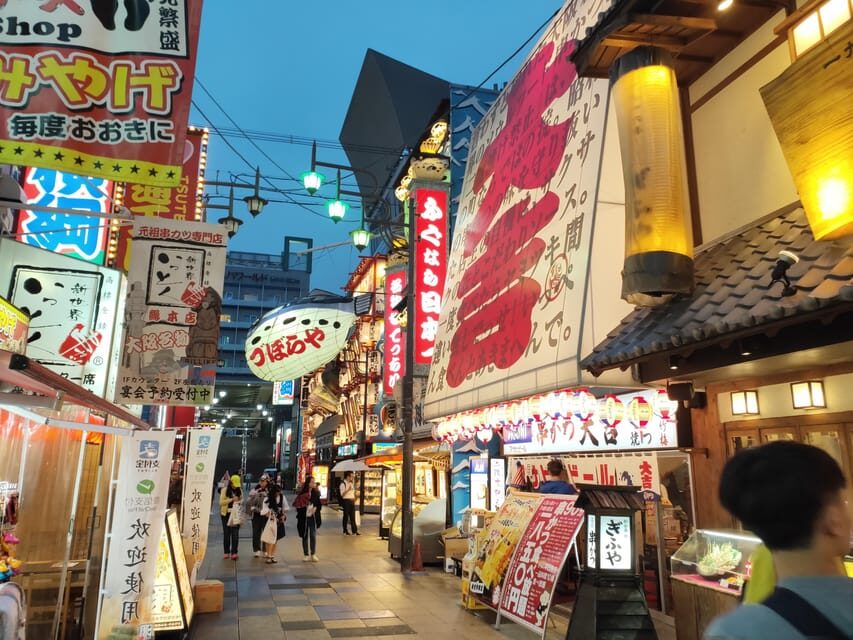
Shin-sekai is famous for Osaka’s soul-food energy and the kind of local buzz you can feel even before you eat. The tour’s angle makes it more interesting: it explains how LGBTQ life was often kept private—socially, physically, and mentally—while still living close to the mainstream world.
This is where the tour becomes more than “point and say.” You learn about secret bars, semi-secret gay saunas, and men leading double lives—then you’re shown how you can’t always read the whole story from what’s on the street today. That contrast is the real lesson: what you see now isn’t the whole timeline.
You’ll also see that Shin-sekai used to attract visitors of all types, but you wouldn’t necessarily realize the LGBTQ side was happening nearby. That’s why having a guide matters. The tour helps you notice what you’d otherwise walk past.
Practical note: bring comfortable shoes. This is a walking tour with indoor stops too, and the whole point is to move through neighborhoods on foot with explanations along the way.
Shin-sekai dinner: eating Osaka comfort food with a sharper lens
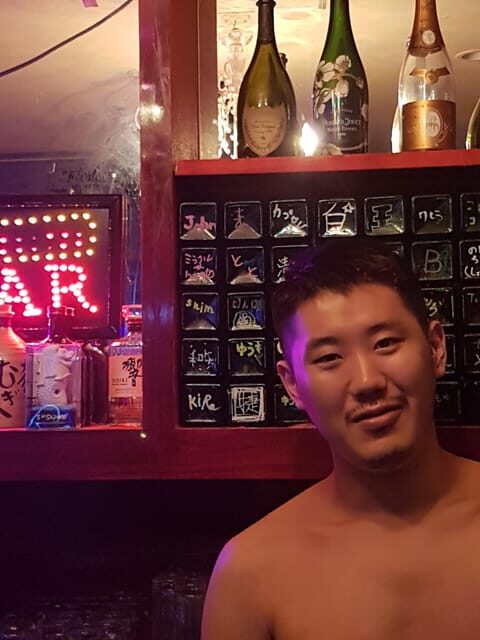
The included dinner is light, and that’s a good choice for a 3-hour evening. You don’t want to feel stuffed when you’re about to go bar-hopping. You want something that steadies you so you can enjoy the drink portion without rushing.
Shin-sekai is an ideal place for this meal, because the food is part of the neighborhood’s identity. When you eat in the setting you’re learning about, the story stops being abstract. You get the sense of everyday life—what people did, where they went, how a community could exist alongside the regular rhythm of Osaka.
What’s especially useful is the guide ties the meal stop to the tour theme: how LGBTQ spaces operated in ways that were partly hidden and partly coded. You’re not just learning where to go later; you’re learning how people survived and found each other in a different social era.
If you’re the type who hates awkward group meals, don’t worry too much. This is positioned as part of the walking story rather than a long restaurant event. You get in, eat, and keep moving.
Doyama’s gay-district energy: flags, niches, and the “one building, many worlds” feel
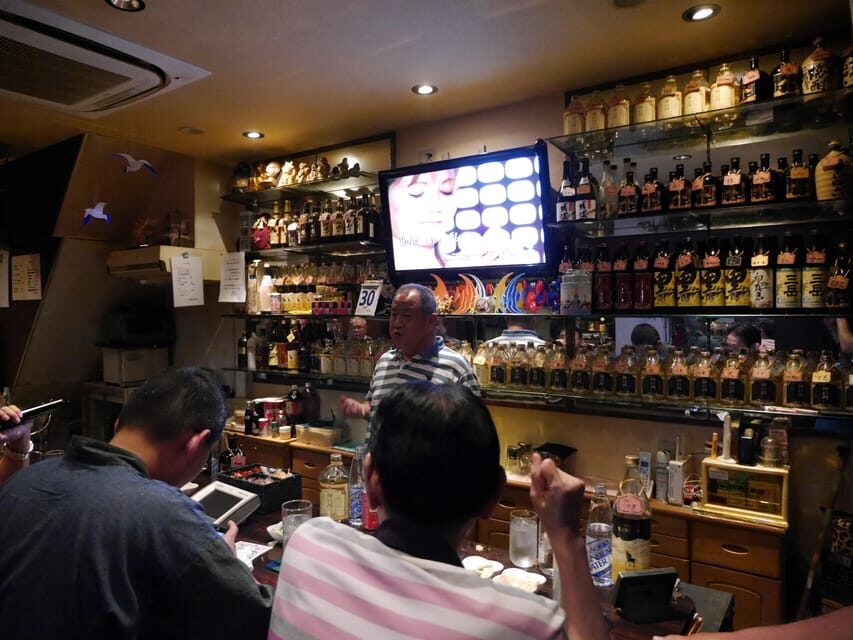
After Shin-sekai, you shift to Doyama, which is described as Osaka’s largest and best-known gay district. This is where the tone changes from coded and semi-secret to more openly visible in places.
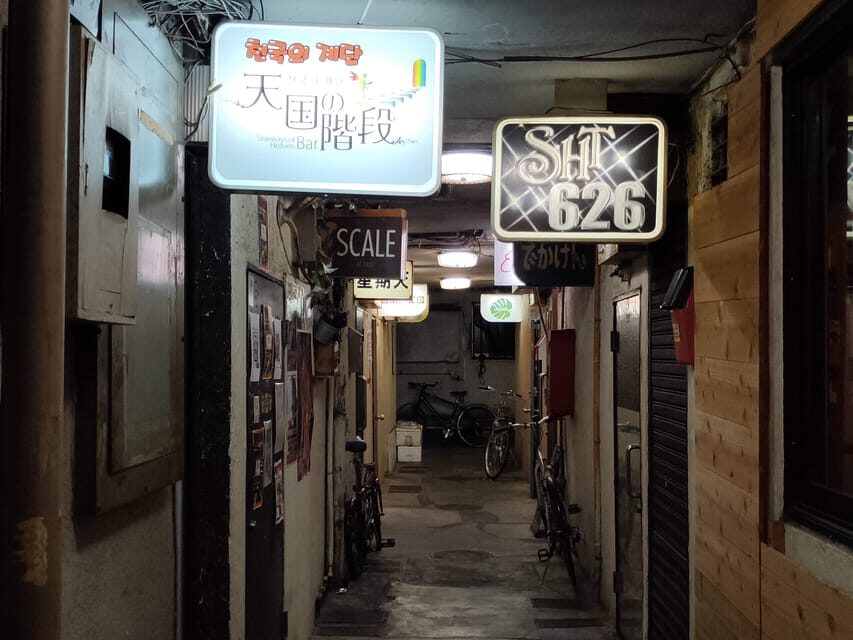
You’ll see venues with rainbow flags and other signs that are hard to miss. But the tour doesn’t stop at the obvious. The guide helps you understand how Doyama can be part of the broader city while still being its own LGBTQ map.
One detail I really like: Doyama includes buildings with dozens of gay or lesbian bars under one roof. That means the “district” isn’t just about one street. It’s about vertical layers of small rooms and different scenes stacked close together. You don’t have to gamble on finding the right vibe from far away.
The guide also explains that many bars are small and tend to have a fairly clear niche. Depending on your interests, you’ll hear suggestions that fit different preferences, including categories like bear bars, twinks, athletes, daddies, and even bars that focus on a larger foreign clientele alongside Japanese patrons who want to meet foreigners.
This matters because bar culture in Japan isn’t always easy to decode from the outside. With a guide in your corner, you can make smarter choices rather than walking into a space and hoping it matches your comfort level.
The drink stop: two included drinks and a real sense of choice
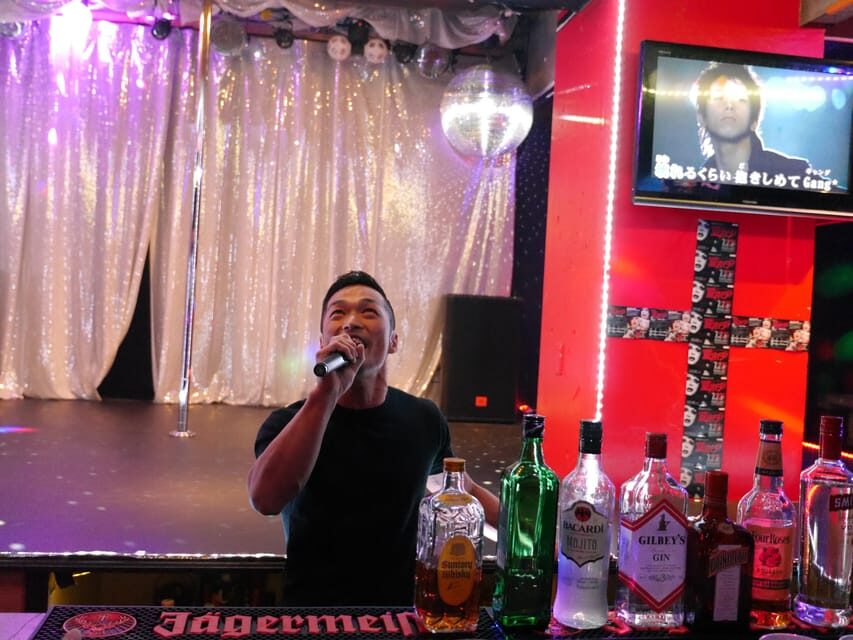
The tour ends with drinks in Doyama, after you’ve seen a couple fun sights along the walk. The included two drinks are a big part of the value, because they give you a landing point. Instead of you wandering around cold, you’re brought to the district and guided toward places that fit.
Here’s what I’d take away from the way the tour is described: you’re not forced into one generic bar experience. Your guide helps you choose from the options, and that makes the drinking part feel personal rather than routine.
Also, small venues mean you’ll often notice atmosphere quickly—music level, crowd type, and the general social energy. The tour’s structure helps you arrive with context, so you can read those cues faster.
And because Japan’s drinking rules apply, keep one thing in mind: the legal drinking age in Japan is 20. The tour itself requires participants to be 18+, but drinking service may still be restricted by age. If that’s relevant for you, it’s worth planning carefully and bringing your ID.
A few more Osaka tours and experiences worth a look


The history angle: how Osaka’s LGBTQ community shifted in real time
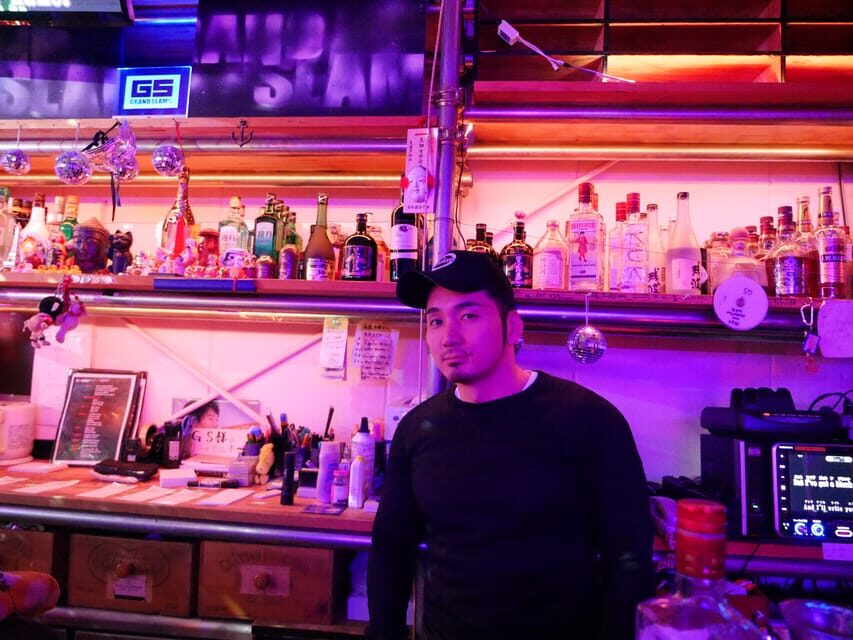
This tour’s strongest thread is the history component. It connects LGBTQ life in Osaka to both physical locations (where people gathered) and state of mind (how people felt they had to live).
In Shin-sekai, the focus is on secret lives: men using discreet spaces, semi-secret venues, and community that didn’t announce itself. In Doyama, the focus is on the visible side of the scene: rainbow signage, a denser cluster of bars, and the idea of meeting people in a more open way.
What you learn isn’t just dates—it’s why change happened. You see that communities can exist in different forms depending on social pressure, and that neighborhoods can function like maps of identity. Osaka’s LGBTQ story isn’t one straight line; it’s a series of adjustments in how people found each other.
Kevin’s approach (based on what people say about him) is also a big part of the payoff. A good guide doesn’t just list facts—they translate them into what you’re standing next to right now.
Namba’s quieter side: finding where the scene hides in plain sight
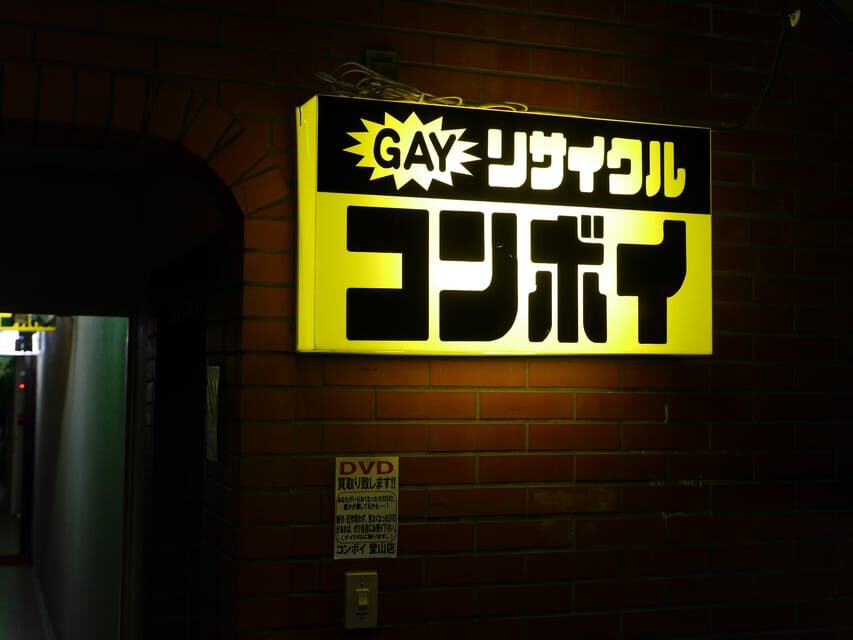
The tour highlights include discovering a hidden LGBTQ+ scene in the Namba district. Even if you know the big-name areas of Osaka, Namba can still feel like a blur of shopping and crowds.
This tour’s advantage is that it helps you notice patterns. When you learn how certain places became known—and how they were coded before everyone had the same information—you start seeing the city differently. Namba stops being just neon and side streets; it becomes part of a larger LGBTQ geography.
This is also why I think the tour is worth doing early in a trip. You’ll spend the evening learning the rules of the place, and later you can navigate on your own with better instincts.
Practicalities that make or break a night out
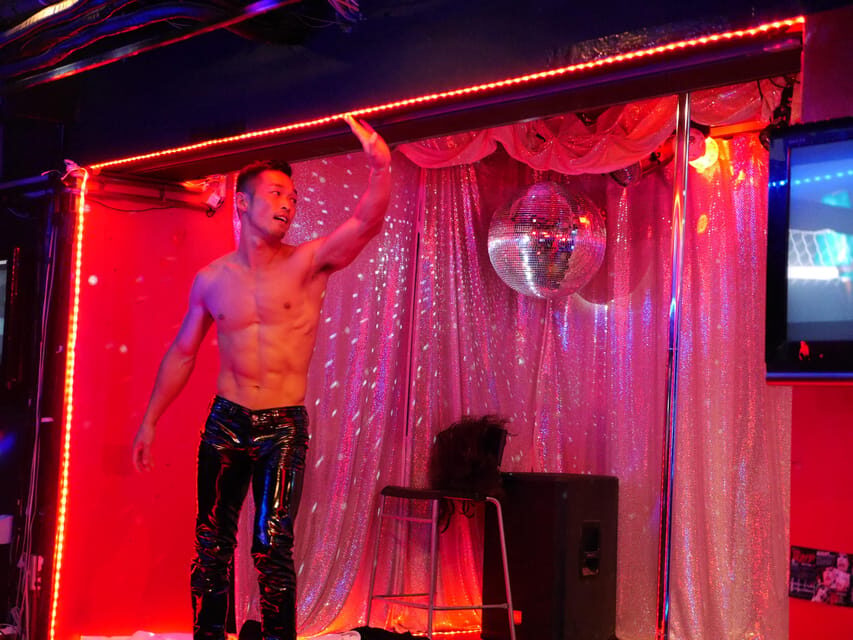
Here are the nuts-and-bolts details I’d plan around.
First, timing and meeting up: the tour runs about 3 hours total, and you shouldn’t count on any waiting for late arrivals. Arrive a bit early at Dobutsuen-Mae Station so you can start calm instead of rushed.
Second, wear shoes you can handle. You’ll be moving between neighborhoods with both indoor and outdoor time. Even if it’s not a marathon, the city walking adds up.
Third, the tour includes commentary about LGBTQ life and community history. It’s not described as overtly risque, but it’s adult-focused. If you’re unsure whether a family member or friend will be comfortable, it’s better to choose a different night.
Fourth, group size: up to 8 people. That size is small enough to keep the tour conversational, but not so tiny that you lose the group energy.
Fifth, accessibility: it’s wheelchair accessible. If you need specific accommodations, it’s still smart to ask ahead, but the tour is set up with accessibility in mind.
Value check: $95 for dinner and drinks in Osaka
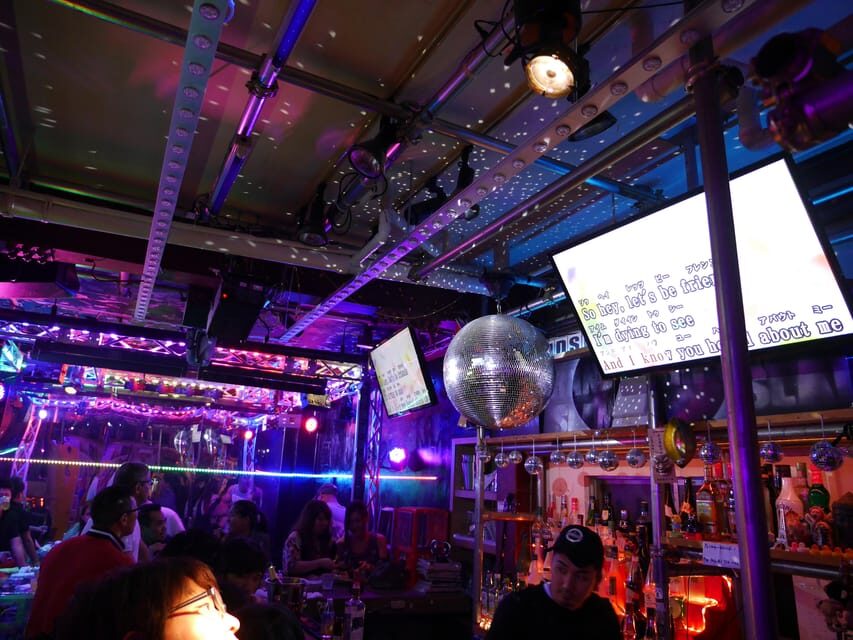
Let’s talk money, because value is really what this tour sells.
At $95 per person for a 3-hour evening, you’re paying for three things:
- a live English guide who can interpret LGBTQ scenes on the ground,
- a light dinner,
- and two included drinks.
Dinner + two drinks alone can eat a lot of the budget in many cities. Add in a guided route through two neighborhoods that many visitors don’t understand well without local context, and the price starts to make sense.
Also, the guide’s ability to explain both the older, private side and the more visible Doyama side is where the experience earns its keep. A bar crawl without context can turn into guesswork. This one is structured so you walk away with understanding, not just a list of venues.
If you’re traveling solo, there’s a solo-traveler policy that can include a supplement (3000 yen) or an alternate date, or a full refund if minimum numbers aren’t met. If you’re solo, I’d treat that as part of your cost planning.
Who should book this Osaka LGBTQ+ tour
I’d book this if you want:
- a clear introduction to Osaka’s LGBTQ neighborhoods without wandering blindly,
- a guide who can explain history through places you can actually see,
- and a low-stress plan that ends with drinks in a district built for LGBTQ social life.
You might skip it if:
- you want a strictly sightseeing-only night with zero adult commentary,
- you’re uncomfortable with bar-culture environments even when they’re explained in a respectful, contextual way,
- or you’d rather build your night purely on your own discoveries.
If you’re a first-time visitor to Osaka or to this kind of tour, the structure is especially helpful. You’ll get the map early and the freedom later.
Should you book this Osaka LGBTQ+ Dinner and Drinks Tour?
If you like learning through neighborhoods—where history shows up in street-level details—then yes, I think this is a strong pick. The mix of Shin-sekai dinner, a guided shift into Doyama, and a guided drink stop makes the evening feel organized without being stiff.
The biggest reasons to say yes are simple: two included drinks, dinner that fits the route, and Kevin’s reputation for being funny and full of city-specific insight. Just plan to wear comfortable shoes, arrive on time, and confirm the drinking-age reality for your situation.
FAQ
Where does the tour start?
The tour starts at Dobutsuen-Mae Station.
How long is the experience?
The experience lasts 3 hours.
What is the price per person?
It costs $95 per person.
Is there a live guide, and what language do they speak?
Yes. The tour has a live English guide.
What’s the maximum group size?
The group is limited to 8 participants.
Are there age requirements?
All participants must be 18+ to participate.
What neighborhoods and areas do you visit?
You visit Shin-sekai and the Doyama district, and the tour also focuses on the LGBTQ+ scene in Namba.
What’s included in the price?
It includes guided tours of LGBTQ+ districts in Osaka, dinner, and two drinks, plus a visit to Doyama.
Is it wheelchair accessible?
Yes, the tour is wheelchair accessible.
What should I wear or bring?
Wear comfortable shoes, and dress for time both indoors and outdoors.
![[Sapporo] Go by private car! Takino Cemetery, Hokkaido Shrine, Shiroi Koibito Park - Getting Oriented: Timing, Pickup, and How the Day Flows](https://images.thejapantraveler.com/wp-content/uploads/sapporo-go-by-private-car-takino-cemetery-hokkaido-shrine-shiroi-koibito-park.jpg)