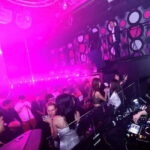
Late-night Osaka turns into a full performance. Piccadilly Premium blends a scripted live show with club energy, and you get the chance to try real-stage karaoke instead of a cramped karaoke room. I also love how the entertainment changes night to night, so you can plan around the acts that interest you most.
You’ll spend your evening inside a venue that runs like a mini production schedule. The show proper is staged for impact, with DJs, aerial performances, dance acts, and live music including the morin khuur, then it keeps going as the nightclub portion takes over.
One thing to consider: availability can shift around live show times, and the ticket notes that it’s unavailable during live shows. Plan to arrive with enough buffer so you’re not fighting the schedule.
In This Review
- Key highlights to know before you go
- Piccadilly Premium in Osaka: the live-show-to-club formula
- Timing in real life: 8:00 PM–4:00 AM access, with showtime 9:00 PM–1:00 AM
- What you’ll actually see: DJs, aerials, dance, morin khuur, and live sessions
- Weekly themes: taiko, sumo, and live violin nights
- Karaoke on a real stage: sing with sound and visuals, not just a mic
- Meals and alcoholic beverages included: what it means for value
- Price and what you’re really paying for
- Logistics that affect your night: mobile ticket, transport, and the “show peaks” problem
- Should you book Piccadilly Premium in Osaka?
- FAQ
- What time is Piccadilly Premium open?
- How long is the experience?
- What does the ticket include?
- Is karaoke available, and is it on a real stage?
- Do I need ID if alcoholic beverages are included?
- Can I cancel for a refund?
Key highlights to know before you go
- A live show first, nightclub second: the pacing matters, and it’s part of the fun.
- Weekly themed performances: taiko on Wednesday and Saturday, sumo on Friday and Saturday, live violin on Thursday, Friday, and Saturday.
- On a professional karaoke stage: proper sound and visuals, not a back-room booth.
- Meals and alcoholic beverages included: you’re eating while the night happens.
- 8:00 PM to 4:00 AM access: you’re not stuck in a short, rushed time slot.
Piccadilly Premium in Osaka: the live-show-to-club formula
Piccadilly Premium is built for people who want more than a standard DJ set. Your night is structured like a two-act show: first you watch a production with music and performances, then the venue leans fully into nightclub mode. If you like nights that feel like events instead of background music, this format does the job.
The live side is where the variety shows up. Expect DJs, aerial performances, glamorous dance acts, and live sessions by bands and vocalists. You’ll also hear the morin khuur, which gives the whole thing an instantly different texture than typical club sound.
Then the venue shifts gears. The vibe becomes more “hang out, move, and sing” than “sit and watch.” One of the smartest parts of the concept is that it gives you permission to do both: watch the show, then ride the energy afterward.
There’s also a karaoke option on a real stage. That detail matters because it turns karaoke from a quiet hobby into part of the entertainment system, with proper staging and lighting rather than a solo spot you have to fight for.
A few more Osaka tours and experiences worth a look
Timing in real life: 8:00 PM–4:00 AM access, with showtime 9:00 PM–1:00 AM
The venue operates from 8:00 PM to 4:00 AM the next morning. Your ticket validity also follows that kind of window, so you’re not forced into a tight entry time. The main show block is listed as 9:00 PM to 1:00 AM, so your best plan is to arrive early enough to settle in before the production kicks off.
I’d treat this like a night out with a schedule, not like a flexible drop-in. If you show up at the exact start of the nightclub portion, you’ll miss the full flow of the show-to-club transition. But if you arrive too early, you’ll just be waiting in the atmosphere, which can be fine if you like pre-show buzz.
Another timing note is important: the ticket information says it can be unavailable during live shows, and that times may vary. That doesn’t mean you’re locked out forever, but it does mean you should plan to be in the right place when the venue is running live segments.
Think of it this way: the night has peaks. Arrive before the first peak, then stay through the nightclub stretch. If you do that, you’ll feel like the show didn’t happen to you. You’ll feel like you were part of it.
What you’ll actually see: DJs, aerials, dance, morin khuur, and live sessions
The performance lineup is designed to hit multiple senses at once. On the show side, you’re looking at DJs plus staged performances like aerial acts and dance numbers. That’s a good match for Osaka nightlife, where people tend to be game for spectacle.
Music isn’t only electronic, either. The night also includes live sessions by bands and vocalists, plus the distinctive sound of the morin khuur. That combination is one reason this experience feels less generic than most clubs. Even if you’re not an expert on instruments, you’ll notice the sound palette changes.
Visually, the venue is set up for big-screen moments. The karaoke stage experience is described as professional, with powerful sound, dynamic lighting, and a massive screen. That same production mindset is part of why the live show tends to feel like a full production rather than just musicians in a corner.
One practical point: the show block is 9:00 PM–1:00 AM, so expect the most intense energy during that run. After that, the nightclub portion takes over. If you love dancing and don’t want to wait around after the show, you’ll likely enjoy staying until the later hours.
Also, the fact that every night is described as a grand finale matters. It signals that the schedule isn’t the same cookie-cutter club formula night after night.
Weekly themes: taiko, sumo, and live violin nights
If you like planning around specific acts, Piccadilly Premium gives you some clear weekly anchors. Here’s how the themed performances are laid out:
- Every Wednesday and Saturday: taiko drum show
- Every Friday and Saturday: sumo experience, up-close and fully interactive
- Every Thursday, Friday, and Saturday: live violin
These aren’t minor add-ons. They’re the kind of features that can change how you feel about the whole night. A taiko show tends to be loud, rhythmic, and physical, so it’s a great “kick on the door” moment. A sumo segment is interactive, which means you’re not only watching from the sidelines. And a live violin piece gives a more graceful, melodic contrast that can make the rest of the sound feel even more dramatic.
If you’re short on time in Osaka, pick your night based on the theme you want most. If you’re flexible and staying longer, choosing a different themed night is a way to get repeat value from the same venue concept.
Also, note that the shows happen every night, but these named themes rotate by day. That’s why the act schedule is worth checking before you lock in your plan.
Karaoke on a real stage: sing with sound and visuals, not just a mic
The karaoke stage here is the kind of detail that separates a fun club from a forgettable one. Instead of a standard karaoke room, you’re told you can sing on a professional stage with powerful sound, dynamic lighting, and a massive screen.
That sounds simple, but it changes everything about the experience. Your performance becomes part of the show environment, so the room energy often feels less awkward and more like you’re stepping into the production. If you’ve done karaoke in Japan before, you’ll know it can be either a cozy activity or a crowd-only memory. This aims for the crowd memory.
There is a caution tied to timing. The ticket notice says karaoke-stage availability can be unavailable during live shows, and times may vary with on-site details. So don’t assume you can walk in at any moment and hop onstage. The smart move is to be there early, check with staff on how it works during your chosen time window, and be ready for the night’s live schedule.
If you’re traveling with friends, this is also a great “one person can do it, everyone can cheer” activity. Even if you don’t sing, the idea of a real-stage karaoke option tends to shift the whole atmosphere from passive to participatory.
You can also read our reviews of more nightlife experiences in Osaka



Meals and alcoholic beverages included: what it means for value
This is one of the strongest value points. Your ticket includes alcoholic beverages and meals. In Japan, that’s not a tiny perk, especially in nightlife districts where food and drinks can quietly add up.
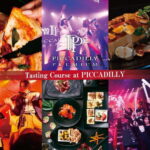
The meal side is described as flexible: bar bites like à la carte snacks, or full-course dining options and signature set menus. In plain terms, you’ll have ways to eat that fit different hunger levels. There’s also mention of a buffet in the early hours, which is useful if you want food without waiting for a plated course while the show is happening.
Alcohol is included, but Japan has rules. The ticket info explicitly notes that the sale of alcoholic beverages to persons under 20 is prohibited by Japanese law. Bring your original passport for age verification. If you forget, you could end up paying for drinks yourself or being shut out of the included portion.
One more value-minded tip: because food and drink are part of the experience, you can plan your Osaka dinner around it. Instead of searching for a separate meal before you go out, you can treat the night as your dinner plan and focus on timing the show.
Price and what you’re really paying for
At $6.50 per person, this is priced like a “grab-and-go” nightlife add-on, not a full-price dinner show package. The value gets better when you look at what’s included: meals and alcoholic beverages, plus a multi-part show with aerials, live music elements, and rotating themed performances.
Now, here’s the balanced take. Some people go to clubs mainly for atmosphere and DJs. If that’s you, you may not care about the specific weekly themes. But this venue is designed for both: you’re paying for show production and club energy in one pass.
Also, a long access window helps the value. You’re not limited to a short two-hour block. With entry hours running until 4:00 AM, you can choose your rhythm: watch the show block, then stay for the club portion, or come in early, then settle in for longer.
If you’re someone who enjoys structured nightlife—where the night has an arc—this price-to-experience ratio looks strong. If you hate crowds and prefer quiet evenings, this may feel like too much. But if you want a high-output night with built-in entertainment, it’s hard to argue with the cost.
Logistics that affect your night: mobile ticket, transport, and the “show peaks” problem
Your ticket is a mobile ticket, and confirmation is received at booking. That’s a practical win in Osaka, where you’ll likely be juggling maps and transit apps all night. Just keep your phone charged and your ticket accessible.
It’s also noted as near public transportation, which matters because this is a late-night plan. The venue being reachable by transit helps you avoid turning the night into an expensive and stressful taxi marathon.
The biggest logistics issue is the one tied to the venue schedule: you may need to work around live show moments. The ticket notice says it’s unavailable during live shows, and that times may vary. That means you should avoid showing up with a super tight plan for karaoke or other activities that depend on timing. Give yourself buffer time before the show block starts.
Finally, group size matters. This is the kind of place where friends make it better. Even if you don’t sing, the energy tends to be social. The format also works well for birthdays and celebrations, since the night is already set up like an event.
Should you book Piccadilly Premium in Osaka?
Book it if you want a complete night out: live performances with rotating weekly themes, plus the shift into nightclub mode. You’ll like this more if you’re open to spectacle and want meals and drinks handled as part of the experience.
Skip it if you prefer low-key nightlife or you hate environments with strong lighting, loud music, and scheduled production moments. Also reconsider if you’re trying to plan around a single rigid time slot, since live show timing can affect availability for things like the stage karaoke experience.
If you’re traveling in a group and at least one person is excited to sing on a real stage, this is a smart pick. For the price, the combination of meals, drinks, and a full show-nightclub format makes it feel like better-than-average value for Osaka nightlife.
FAQ
What time is Piccadilly Premium open?
The venue opening hours are listed as 8:00 PM to 4:00 AM (the next day). The main showtime is listed as 9:00 PM to 1:00 AM every night.
How long is the experience?
The experience duration is approximately 4 hours.
What does the ticket include?
Your ticket includes alcoholic beverages and meals.
Is karaoke available, and is it on a real stage?
There is a karaoke stage experience described as singing on a real professional stage with powerful sound, dynamic lighting, and a massive screen. The ticket notice also says it may be unavailable during live shows, and times may vary.
Do I need ID if alcoholic beverages are included?
Yes. The information notes that Japanese law prohibits the sale of alcoholic beverages to persons under 20, and you should bring your original passport for age verification.
Can I cancel for a refund?
You can cancel for free up to 24 hours in advance of the experience start time for a full refund. If you cancel less than 24 hours before, you will not receive a refund.