REVIEW · OSAKA
Ramen Craftsman Experience in Osaka
Book on Viator →Operated by Menya SHU · Bookable on Viator
Osaka ramen gets hands-on fast. You’ll rent the kitchen of Menya SHU for a small class where Chef Shu walks you through ramen ingredients, boiling, soup prep, and the final bowl. It’s not just eating lunch. It’s doing the steps that make a ramen order happen.
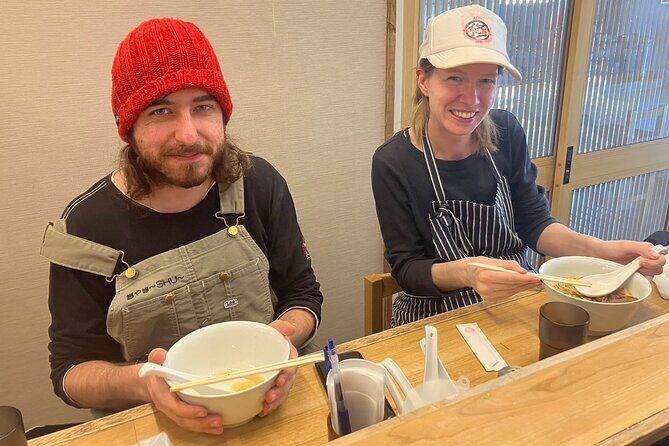
I really like the small group size of four, which keeps the pace relaxed and the attention personal. I also love that everything is handled for you: utensils, aprons, and gloves are provided, so you can focus on learning rather than prepping gear.
One thing to plan around: the class uses a gas stove, so infants can’t participate (about age 7 is okay).
In This Review
- Key highlights you’ll feel from the first 10 minutes
- Menya SHU Ramen: picking your bowl before you touch the stove
- Inside the working kitchen: how the session actually flows
- What you do yourself vs what the chef does (so your expectations match)
- The small-group advantage: four people, real coaching, less chaos
- Ramen technique you can use after Osaka: why ingredient logic matters
- Lunch as a reward: you eat immediately, and you’ll taste the differences
- Price and value: what $42.94 really buys you
- Logistics that affect your day (keep this in mind)
- Who should book this ramen class in Osaka?
- FAQ
- How long is the ramen craftsman experience?
- How much does it cost?
- Where do I meet for the class?
- How many people are in the class?
- What ramen options can I choose from?
- Can I customize toppings?
- What’s included in the price?
- Is transportation included?
- Is it okay for children?
- What happens if I’m late?
- Should you book this ramen craftsman experience?
Key highlights you’ll feel from the first 10 minutes
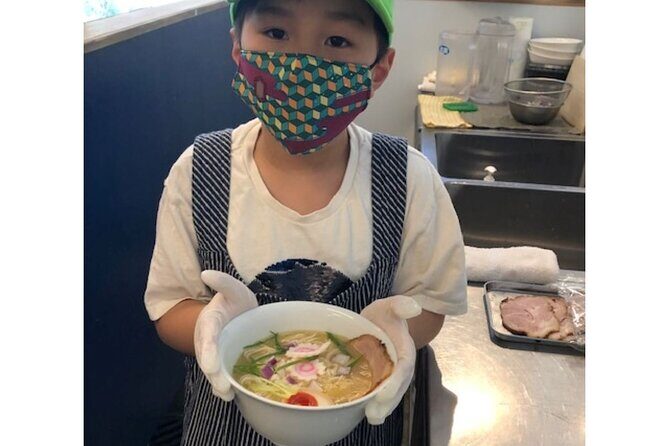
- You choose your ramen style from four options, then customize with toppings
- Small class of up to four means hands-on time, not just watching
- Chef Shu runs the kitchen and prepares the soup, since it takes days
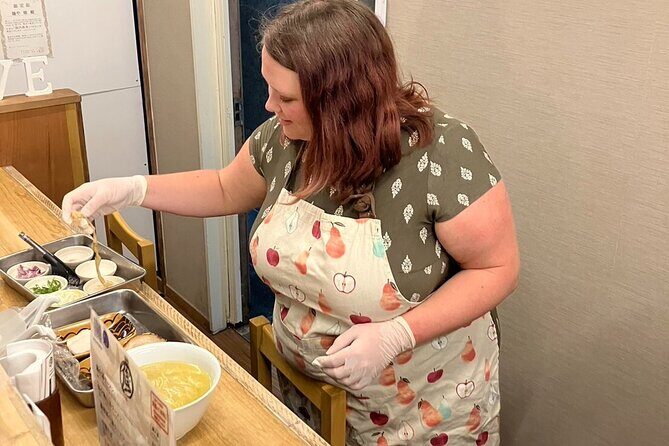
- You actively do the hot steps like boiling noodles and assembling your bowl
- Provided gear includes utensils, aprons, and gloves
- Local Osaka feel: you’re cooking right in the shop’s working kitchen
Menya SHU Ramen: picking your bowl before you touch the stove
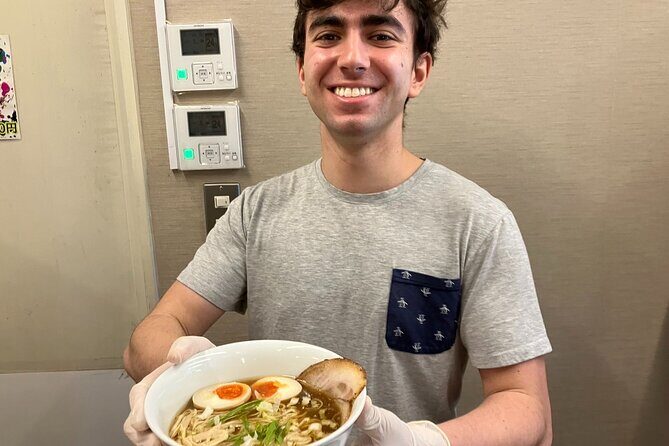
This experience is built around choice. You start by picking the ramen type you want to make, then you choose toppings. That matters because ramen in Japan isn’t one-size-fits-all. Even when the base is similar, the vibe changes with broth style and noodles.
Here are the four ramen options you can choose from:
- Chicken white soup ramen
- Seafood chicken white soup ramen (clam broth)
- Chinese soba (soy sauce ramen)
- Sea bream dashi salt ramen
If you like comfort, go with the chicken white soup. If you want something brighter and briny, the clam broth and sea bream dashi salt are good bets. And if you’re craving classic savory simplicity, Chinese soba (soy sauce) is a great way to understand the structure of Japanese-style noodles.
You can also read our reviews of more tours and experiences in Osaka.



Inside the working kitchen: how the session actually flows
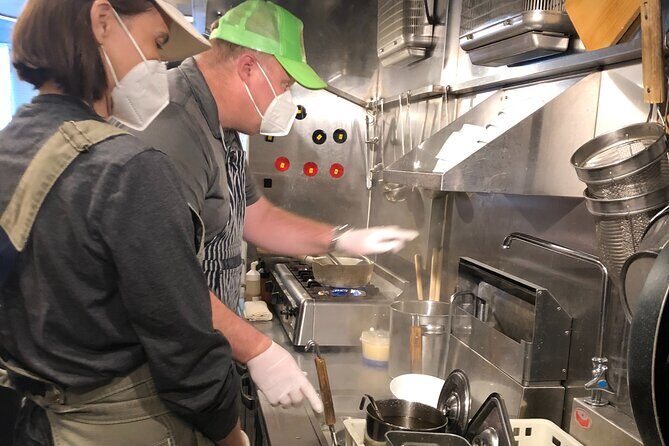
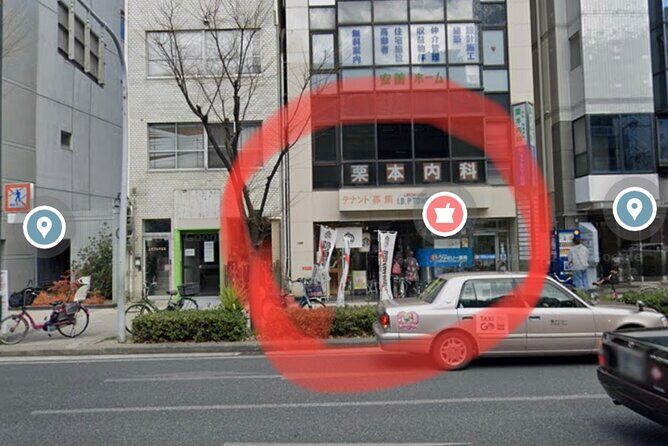
There’s one main “stop,” and it’s the point: Chef Shu’s ramen shop kitchen in Tennoji Ward (麺や修 ~shu~, 11-7 Higashikōzuchō, Osaka). The activity ends back at the same meeting point. So instead of shuttling around, you settle in and learn the real order-of-operations.
Here’s what you should expect, step by step:
- Welcome and setup
You’ll be oriented to the kitchen space and what you’ll be doing. Since it’s a charter-style experience, you’re not crammed into a queue with dozens of strangers.
- Ingredient and tool explanations
Before you boil noodles, you get taught what matters: the ingredients and the utensils, and why certain prep steps affect the final bowl.
- Boiling the noodles
This is the moment you’ll feel most “cook-like.” You experience the boiling process using a gas stove.
- Soup prep and timing
The soup is prepared by the chef (it takes several days to make), but you’ll experience how the bowl comes together and what goes where.
- Presentation
You learn how ramen should look when served. It sounds simple until someone shows you the logic behind portioning and arrangement.
- Eating
Then you eat what you made. You’re not doing a demo for show. You’re eating your result.
Why this flow is valuable: ramen is all about timing and balance. Noodles overcook fast, soup changes with heat, and toppings need the right placement. You don’t just memorize flavors—you practice the rhythm.
What you do yourself vs what the chef does (so your expectations match)
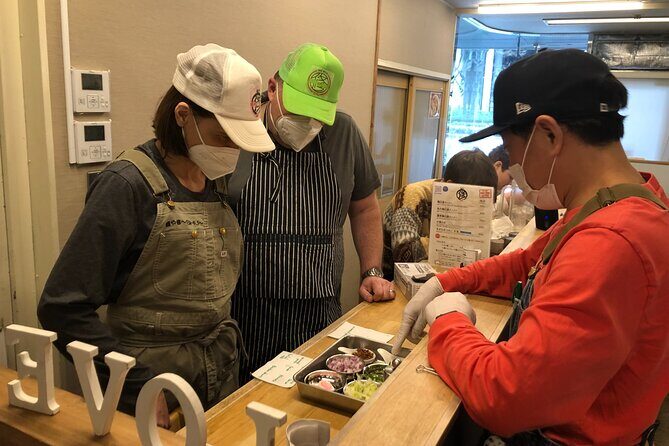
A key detail: this is a “renown ramen shop kitchen workshop,” not a full from-scratch homemade ramen marathon. Chef Shu prepares the soup in advance, because ramen soup is a multi-day project.
So you should picture it like this:
- Shu handles the broth base that requires days of work
- You handle the active restaurant steps: boiling noodles, assembling, presentation, and finishing choices
That balance is smart for most people. If you’re on vacation, you want the fun parts: learning technique, seeing the kitchen logic, and getting hands-on without spending a whole day on broth simmering.
It’s also consistent with how people describe the experience: you go behind the counter, you do the practical tasks, and you watch how the chef turns ingredients into a clean, repeatable bowl.
The small-group advantage: four people, real coaching, less chaos
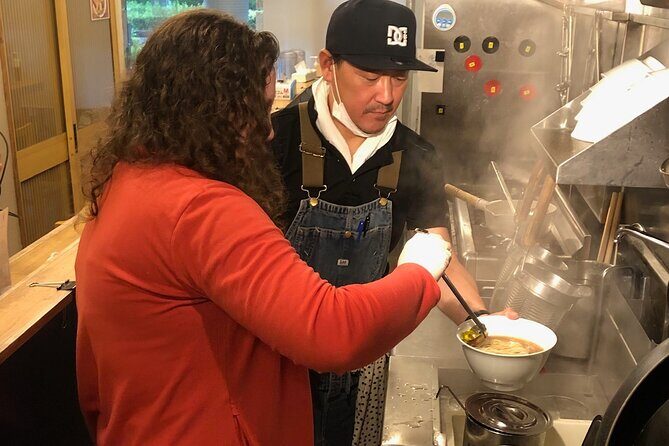
The class is designed for up to four participants at a time. That’s the sweet spot for learning. When the group is small, the instructor can correct your technique in real time—especially during fast steps like noodle boiling.
In practice, you’ll likely spend more time actually working with food than standing by. And because it’s Chef Shu’s own shop setup, the teaching feels connected to how the restaurant runs day to day. You’re not watching someone perform a perfect routine off to the side. You’re learning the process.
A few extra details from the vibe: people often note that Shu is friendly and personable, and that the session includes explanations that make the steps easier to remember later.
Ramen technique you can use after Osaka: why ingredient logic matters
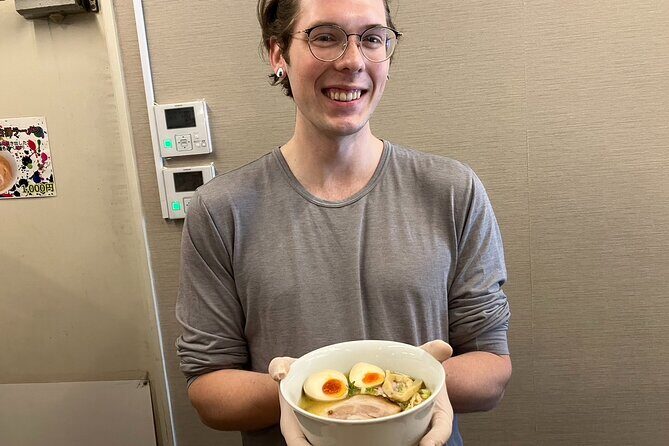
The best part of ramen classes isn’t the final bite—it’s the thinking behind the bite.
In this workshop, you’re walked through:
- What each ramen ingredient does
- Which utensils matter and why
- How the noodles and soup should be treated so they work together
You’ll also get a sense of why ramen shops are so particular. One small change—noodle boil time, heat level, or topping placement—can shift the mouthfeel and flavor balance.
If you like learning from food, this class gives you usable mental models. Next time you see ramen on a menu and wonder why one bowl feels richer or cleaner than another, you’ll have a framework to explain it.




Lunch as a reward: you eat immediately, and you’ll taste the differences
The experience includes lunch, and you’ll eat the ramen you helped assemble. That’s a big deal. Cooking classes where you never get to eat your work are… not my favorite. Here, you finish the process and immediately taste the result.
Based on the ramen styles you pick, your bowl could be:
- creamy and comforting (chicken white soup)
- seafood-forward (clam broth version)
- soy-sauce savory (Chinese soba)
- delicate and fragrant (sea bream dashi salt)
Even if you’ve eaten ramen in Osaka before, this format tends to make you more alert. You’re noticing texture, salt level, aroma, and how toppings interact with broth. You’ll leave with a stronger sense of what you actually like.
Price and value: what $42.94 really buys you
At $42.94 per person, you’re paying for more than lunch. You’re getting:
- chef-led instruction in a ramen shop kitchen
- small-group attention
- all equipment for cooking (utensils, aprons, gloves)
- the ramen you make and eat
One-hour classes can feel pricey in some cities. Here, the value lands because it’s a working kitchen experience with real coaching and hands-on time. Also, ramen isn’t “cheap-to-make” work when you consider how much effort goes into soup prep. Since the soup base takes days, that ingredient labor is part of what you’re paying for.
If you booked about 10 days in advance on average, that also tells you demand is steady. If you want a specific time slot, plan ahead rather than waiting.
Logistics that affect your day (keep this in mind)
This is where you don’t want surprises.
- Duration is about 1 hour
- You’ll need to show up on time. If you can’t meet within 15 minutes of the reservation start time, it can be cancelled because it affects the next schedule.
- Mobile ticket is used.
- Not suitable for infants due to the gas stove; small children around age 7 can participate.
Also note transportation isn’t included. Osaka is easy for walking and transit, but you’ll still want to budget time to get to the shop.
Who should book this ramen class in Osaka?
This is a great fit if:
- you love ramen and want to understand why it tastes the way it does
- you like hands-on cooking instead of just eating
- you prefer small groups and direct instruction
- you’re traveling with kids around school age who can safely participate around a kitchen setup
You might think twice if:
- you’re looking for a full “make everything from scratch including broth days in advance” experience
- you’re traveling with very young kids who can’t participate with the gas stove setup
- you only want a quick ramen stop and nothing else
FAQ
How long is the ramen craftsman experience?
The experience runs for about 1 hour.
How much does it cost?
It’s priced at $42.94 per person.
Where do I meet for the class?
Meet at 麺や修 ~shu~11-7 Higashikōzuchō, Tennoji Ward, Osaka, 543-0021, Japan.
How many people are in the class?
It’s capped at a maximum of 4 travelers at the same time.
What ramen options can I choose from?
You can choose one of these: Chicken white soup ramen; Seafood chicken white soup ramen (clam broth); Chinese soba (soy sauce ramen); or Sea bream dashi salt ramen.
Can I customize toppings?
Yes. You choose your ramen flavor and also choose your toppings.
What’s included in the price?
Lunch is included, plus cooking utensils, aprons, and gloves.
Is transportation included?
No. Private transportation is not included.
Is it okay for children?
It’s not suitable for infants because the cooking uses a gas stove. Small children around age 7 can participate.
What happens if I’m late?
If you can’t meet after 15 minutes from the reservation start time, the reservation is cancelled because it affects the schedule.
Should you book this ramen craftsman experience?
If you want one Osaka food moment that feels like a real behind-the-counter experience, book it. The small class size, the hands-on steps, and the fact that you eat what you make push it well beyond a standard ramen lunch.
Just be honest about two things: it’s hands-on cooking with a chef-led process, not a full from-scratch soup creation day, and the gas stove means infants can’t join. If that fits your group, this is one of the easiest “worth the money” food activities you’ll find in Osaka.