REVIEW · KYOTO
Kyoto: Zen Meditation at a Private Temple with a Monk
Book on GetYourGuide →Operated by Travel Japan Together · Bookable on GetYourGuide
A monk’s hush changes your Kyoto pace. This Kyoto Zen meditation happens at a temple that isn’t open to the public, with an English guide helping you understand Zazen before you sit and breathe in the calm gardens.
I love two things most: you get practical instruction on Zazen posture and rhythmic breathing, and you finish with a tea ceremony view plus real time for questions with the monk. Guides such as Kohtaro, Soma, and Satoru show up in many positive reports for clear English translation and a welcoming tone.
One thing to plan for: the meeting point can catch you off guard, because you’re told to start at the toilet area in Kodaiji Park (north side). Meeting point clarity matters.
In This Review
- Key highlights to know before you go
- Why Kyoto Zen meditation here feels more personal than a typical visit
- Finding Kodaiji Park and the 10-minute walk to the temple
- The monk’s Zazen lecture: what you learn before you sit
- Zazen practice: posture, rhythmic breathing, and mental reset
- Tea ceremony, mossy garden time, and Q&A after meditation
- Price and value: is $91 per person worth 90 minutes?
- Who this Kyoto Zen meditation is best for (and who should skip)
- Private or small group settings: why group size affects the experience
- Practical tips for a respectful, low-stress session
- Should you book this Kyoto Zen meditation with a monk?
- FAQ
- How long is the Kyoto Zen meditation experience?
- Where do we meet in Kyoto?
- Is transportation included?
- Is this private or a group tour?
- What language is the tour guide?
- What’s the cancellation policy and do you need to pay upfront?
Key highlights to know before you go
- A temple not open to the general public: quieter Kyoto access to monk life.
- Zazen instruction in English: translation support from guides like Kohtaro and Soma.
- Guided posture and rhythmic breathing: helps even first-timers sit with less guesswork.
- Tea ceremony with garden views: the calm doesn’t end when you stand up.
- Questions after meditation: you talk with the monk, not just observe.
- Photo time: opportunities to take pictures with the monk and around the temple.
Why Kyoto Zen meditation here feels more personal than a typical visit
Kyoto has plenty of temples. But this experience is different because it’s not set up as a public sightseeing stop. You’re entering a space that stays closed to most people, then sharing time with a monk in a way that feels more like being taught than being entertained.
The core is Zazen, seated meditation in Zen Buddhism. You’re guided to unify your mind, notice what’s running in your head, and practice detaching from ego and everyday mental noise. It’s the kind of activity that slows you down fast, especially if you’ve spent your Kyoto days bouncing between packed streets.
I also like that the learning stays practical. You get an explanation of principles and techniques first, then you do the sitting. That flow matters: it turns meditation from a vague idea into something your body understands.
You can also read our reviews of more private tours in Kyoto

Finding Kodaiji Park and the 10-minute walk to the temple
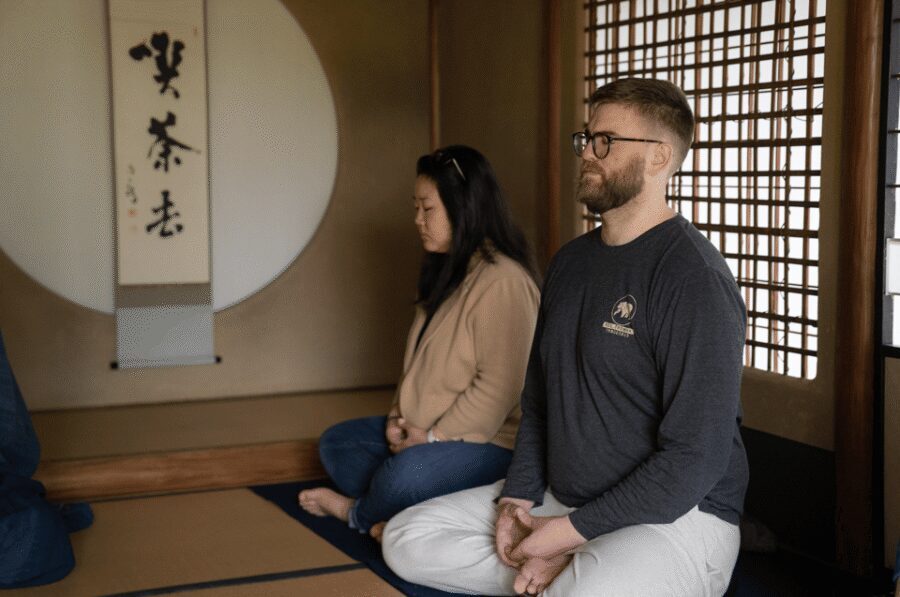
Your starting point is Kodaiji Park, and the meeting instructions are specific: meet at the toilet, on the northern side. If you rely on map apps blindly, you may end up confused at first, because one report described the start as unclear until it was sorted out on the ground.
Once you’re with the guide, you walk on foot for about 10 minutes to the temple setting. That short walk is useful. It gives you time to transition from city pace to the quiet zone before you sit.
No transportation is included, so you’ll want to plan how you’ll get to Kodaiji Park on your own. Kyoto public transit works well, but build in a little buffer so you’re not late and rushed.
The monk’s Zazen lecture: what you learn before you sit
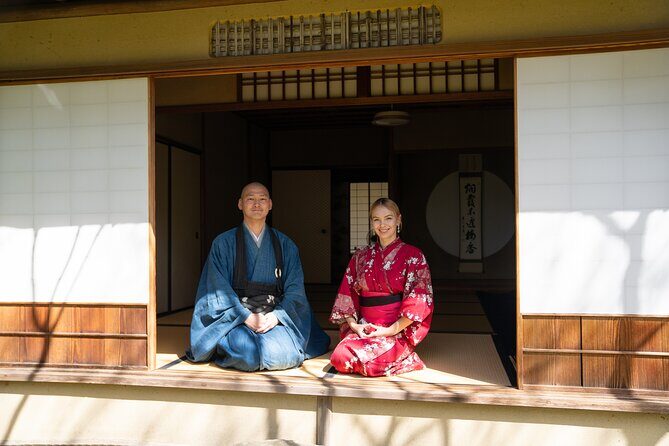
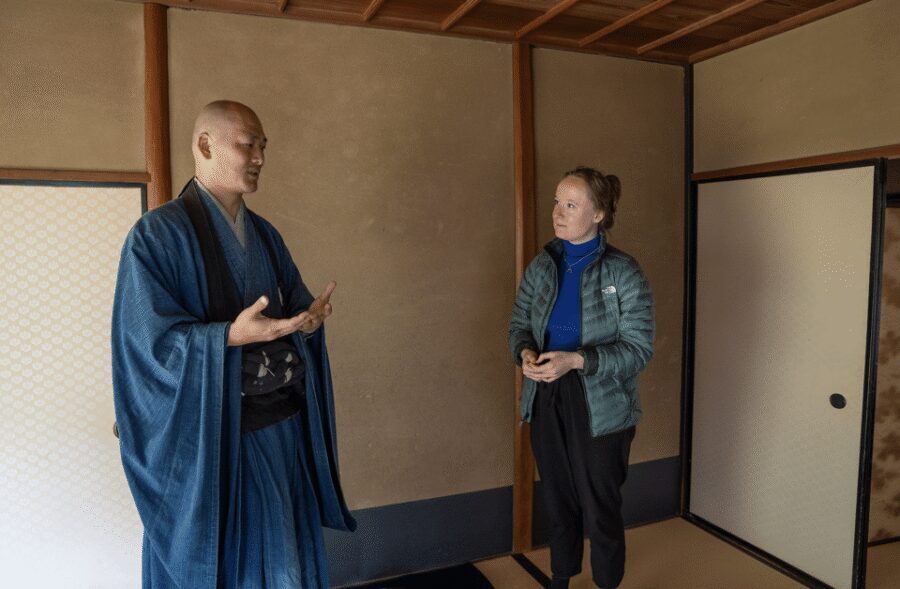
Before you close your eyes, you’ll get a lecture focused on the principles and techniques of Zazen. The goal is to help you understand what you’re doing and why, not just when to start breathing.
You’ll also get a brief introduction to Japanese culture and Zen. It’s not meant to turn you into an academic. It’s more like getting the right frame so the practice feels meaningful instead of random.
Translation is a big deal here. Multiple guides are praised for fluent, smooth English interpretation, including names like Kohtaro and Soma. That means you can actually follow the monk’s teaching and ask better questions afterward instead of nodding along.
Zazen practice: posture, rhythmic breathing, and mental reset
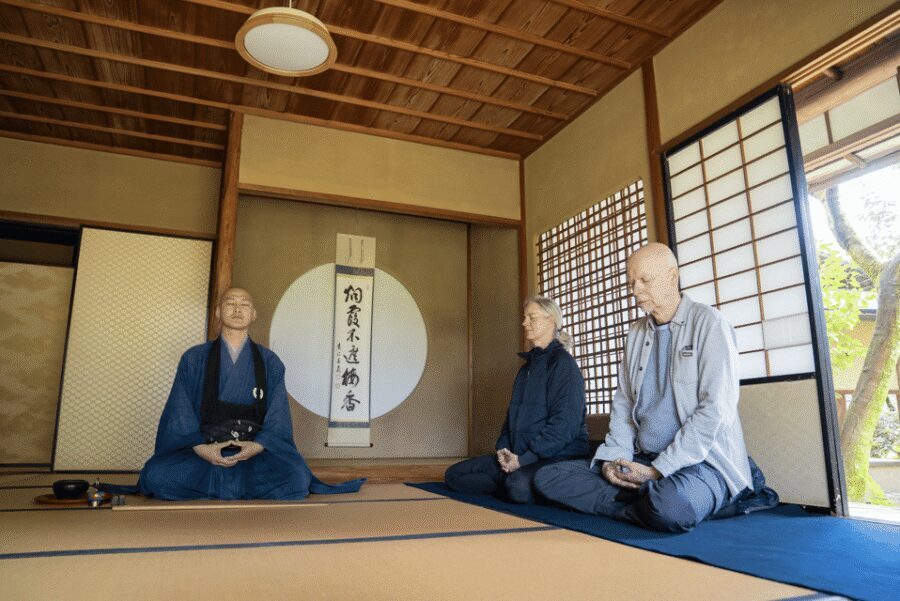
Then comes the sitting. The experience is guided, so you’re not thrown into a silent void with no support. You’ll work on proper posture and learn what to focus on during Zazen.
Rhythmic breathing is specifically called out in the highlights, and you’ll likely be guided to use breath as an anchor. That’s important because meditation can feel frustrating when your mind keeps sprinting. Having a breath rhythm to return to makes the practice more accessible.
As for how long you sit, the session runs 90 minutes total, and some reports mention sitting stretches in silence such as around 20 minutes, plus an option to stay a bit longer for extra questions on certain occasions. Even if your first try is short, the structure helps you leave with something repeatable.
Also, don’t underestimate the power of sitting next to someone experienced. One review described feeling calmer simply by being near the monk. Whether you’re spiritual or skeptical, that steady presence can do real work on your attention.
Tea ceremony, mossy garden time, and Q&A after meditation
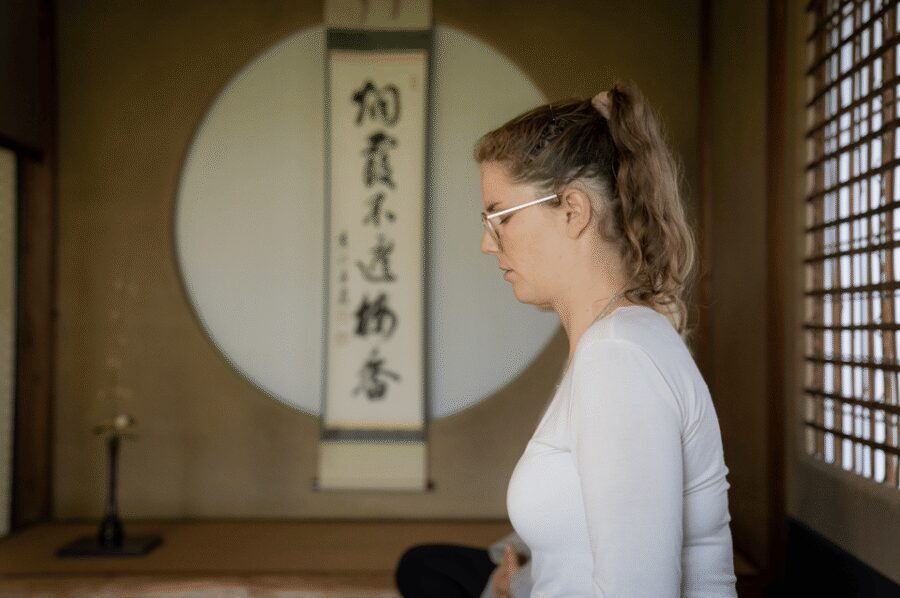
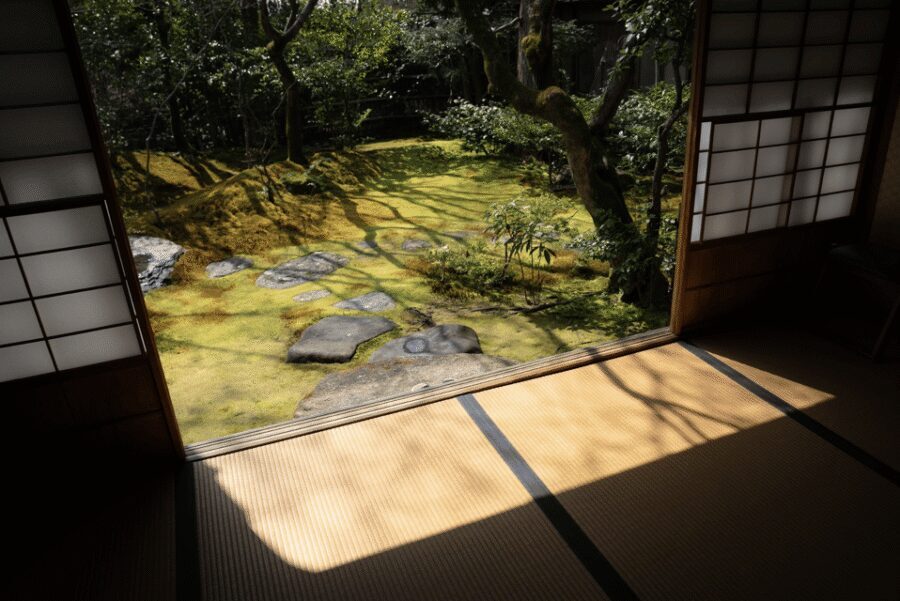
After meditation, you don’t just stand up and exit. The experience continues with a tea ceremony, plus time to enjoy the temple gardens while you come down from the stillness.
Matcha tea shows up in feedback, often with sweets/snacks. It’s a small detail, but it fits the mood: you’re not rushing to your next stop, and the tea becomes part of the ritual.
Then you get the best part for curious minds: discussion time with the monk. People mention that the monk is friendly and open to questions, and that the conversation can cover life in a monastery, Buddhism, and practical advice about inner concerns. Some groups even describe lingering extra time to ask more questions after the main session.
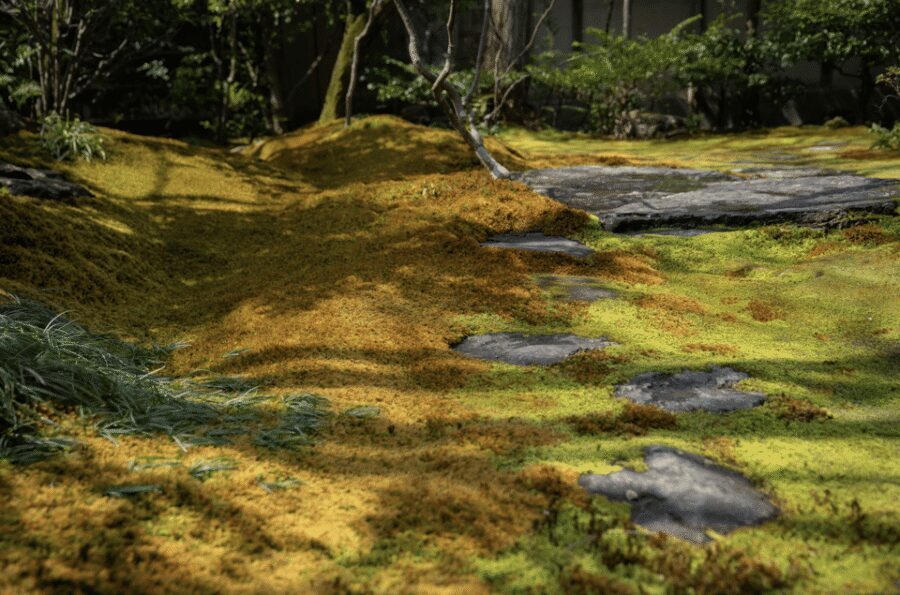
You also get photo time. That usually means you can take pictures with the monk and around the temple grounds. One report specifically mentioned a moss garden that isn’t part of the public routes, which is exactly the kind of bonus you want in Kyoto.




Price and value: is $91 per person worth 90 minutes?
At $91 per person for a 90-minute experience, you’re paying for more than a “class.” You’re paying for access to a temple space not open to the general public, direct time with a monk, and English translation throughout.
Here’s how I think about value for this kind of experience:
- Monk time is the product. You’re not watching a video or listening from behind glass.
- Instruction + practice + conversation is bundled, so you’re not guessing how to use what you learn.
- Tea ceremony and garden time extend the experience into something you can actually feel, not just understand.
The main cost-related drawback is also simple: transportation isn’t included. So your real all-in cost depends on how you get to Kodaiji Park and back. If you’re already nearby, the value rises. If you’re factoring a longer commute, it matters.
Still, if you want a Kyoto moment that’s quiet, structured, and connected to a living tradition, this price can make sense.
Who this Kyoto Zen meditation is best for (and who should skip)
This experience has clear suitability limits. It isn’t suitable for:
- children under 12
- people with mobility impairments
- people with claustrophobia
- people afraid of heights
Even if you’re flexible physically, this is also a good fit for people who want to slow down and learn a real practice. Many first-timers mention it was their first formal meditation, and they appreciated the guidance for posture and technique.
It may be less ideal if you’re expecting a hands-on cultural craft or a tour full of big photo stops. This is about sitting, breathing, learning, and talking. If that’s your thing, you’ll probably leave feeling grounded.
Private or small group settings: why group size affects the experience
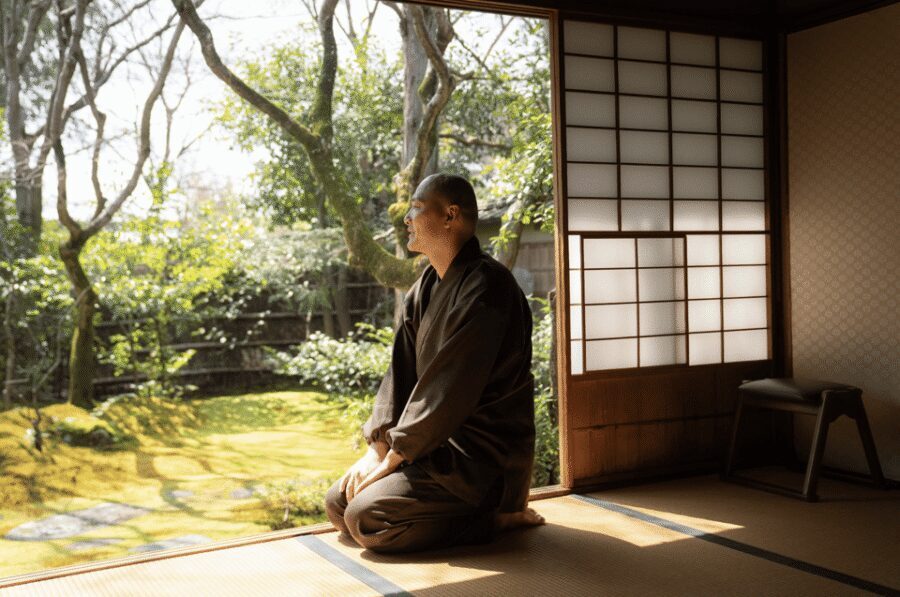
The tour can be private or small-group based. Group size changes the vibe more than you might expect.
In small groups, you still get a structured teaching flow, but there’s less time pressure and more room for individual questions. Some reports even describe a day where it was just one participant plus the guide and monk, which can feel very personal and focused.
If you’re the type who likes quiet attention, a private or tiny-group slot is worth chasing.
Practical tips for a respectful, low-stress session
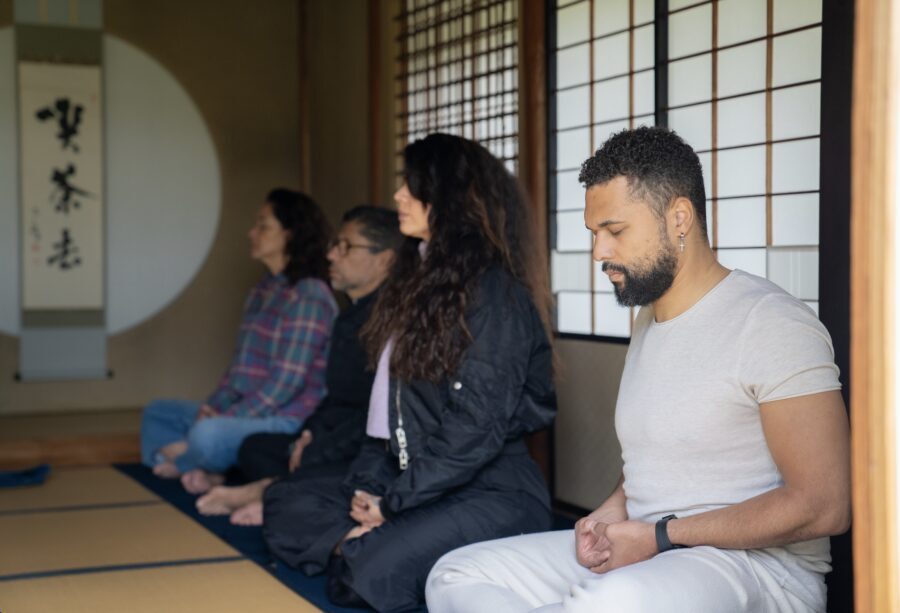
I’d treat this like a calm appointment, not a casual stop. Wear comfortable clothing you can sit in for a while, and plan to arrive a bit early so the meeting at Kodaiji Park doesn’t become a scramble.
Because there’s a monk and a temple setting, you’ll want to follow the guide’s lead on behavior and timing. If photos are part of your priority, ask when it’s appropriate during the session so you don’t disrupt the group.
Also, give yourself permission to be a beginner. Zazen can feel strange at first. That’s normal. The teaching is there to help you find your footing.
If your schedule is tight, look at available starting times in advance. One report mentioned a start time shift (for example moving to 19:00 instead of a morning slot), so it’s smart to double-check your confirmed time before you head out.
Should you book this Kyoto Zen meditation with a monk?
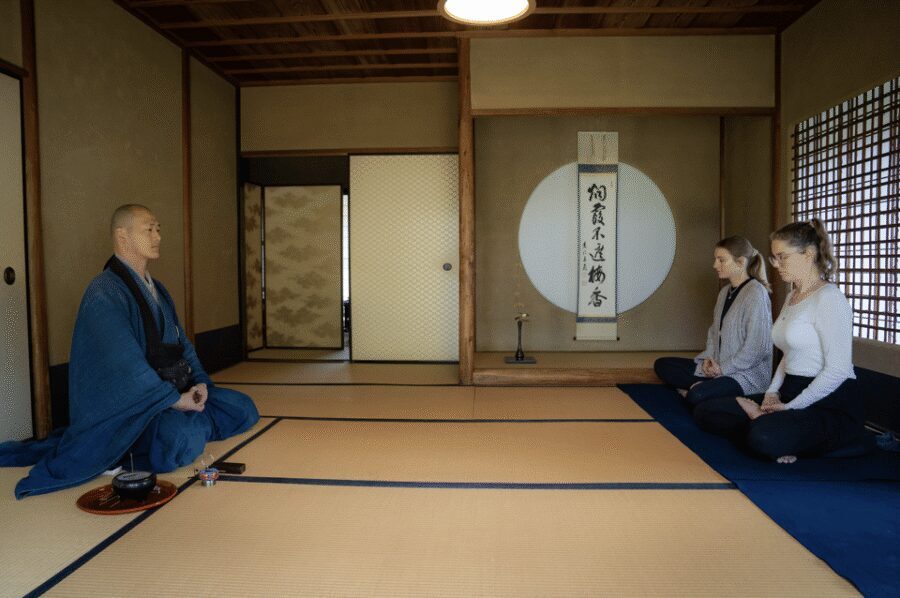
If you want a Kyoto experience that’s calm, structured, and connected to real practice—not just temple photos—this is a strong choice. The combination of Zazen instruction, time with a monk for Q&A, and tea with garden views makes it feel like more than a one-off activity.
I’d especially recommend it if you:
- are curious about Zen meditation and want guidance for posture and focus
- want a break from crowded Kyoto sightseeing
- like learning from people, not just looking at places
Skip it if mobility or claustrophobia (or fear of heights) is an issue for you, or if you’re looking for something fast-paced and sightseeing-heavy.
If you’re deciding, my advice is simple: book it when you’ll be least rushed. This experience works best when you can actually let the quiet take hold.
FAQ
How long is the Kyoto Zen meditation experience?
It runs for 90 minutes.
Where do we meet in Kyoto?
You meet at the toilet at Kodaiji Park. The guide waits on the northern side of the toilet.
Is transportation included?
No. Transportation is not included.
Is this private or a group tour?
It’s available as a private or small-group experience.
What language is the tour guide?
The live tour guide provides English.
What’s the cancellation policy and do you need to pay upfront?
You can cancel up to 24 hours in advance for a full refund. There’s also a reserve now & pay later option (pay nothing today).