REVIEW · OSAKA
Samurai Training Experience KENDO in Osaka
Book on Viator →Operated by Samurai Training Experience KENDO in Osaka · Bookable on Viator
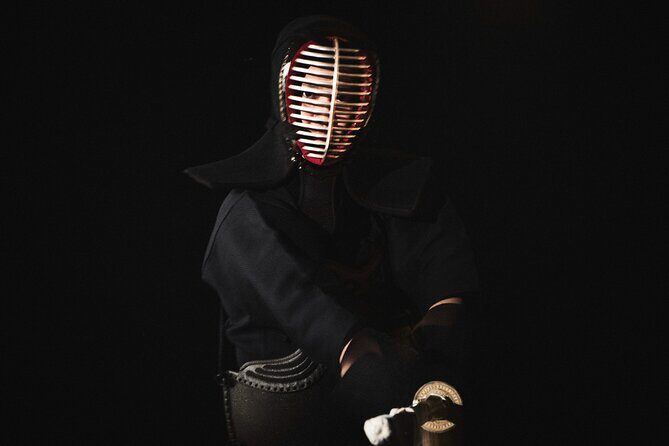
Kendo training feels like stepping into a dojo. This Osaka class teaches you the basics of Kendo and Samurai culture in a real training space, with protective gear and bamboo swords (shinai) for safe practice. You also get a museum-like look at Samurai artifacts while you’re there.
I really like that the lesson is structured for first-timers, with clear guidance and a pace that won’t leave you guessing. And I love the practical souvenir side: you receive digital photos and videos of your session, so you can relive the moment later without worrying about your camera.
One consideration: even though it’s beginner-friendly, Kendo can still be physically demanding once you start moving in armor. You’ll want to listen to the instructor and take rests when needed.
In This Review
- Key Things I’d Bet You’ll Care About
- Entering The Dojo-Museum in Osaka’s Kita Ward
- The Two-Hour Flow: History, Uniforms, Then Kendo Matches
- Suiting Up: What the Armor Changes (and Why It’s Worth It)
- Learning Basics With Shinai: A Beginner Plan That Makes Sense
- Sparring With Sensei Toshi (and Kumiko’s Helpful Support)
- Photos, Videos, and the “Bring It Home” Factor
- Comfort and Logistics That Make This Easier Than You’d Think
- Price and Value: Why $131.32 Often Feels Fair
- Who This Is Best For in Osaka (and Who Might Hesitate)
- Practical Tips Before You Go
- Should You Book This Samurai Kendo Training in Osaka?
- FAQ
- Do I need any prior Kendo experience?
- Is the lesson offered in English?
- What should I expect to do during the 2 hours?
- Is the group size small?
- Are there facilities like changing rooms or showers?
- What souvenir do I get?
Key Things I’d Bet You’ll Care About
- Small group size (max 12): more attention from the instructor and quicker corrections when your form feels off.
- Authentic armor + uniform: you practice as you’re supposed to, not in a costume.
- English instruction: you can follow the movements and the meaning behind them without a language gap.
- Museum-style dojo space: you’re not only training; you’re also seeing Samurai-related artifacts.
- Photos and videos included: you get recorded memories as part of the experience.
- Comfort on site: changing rooms, showers, and air conditioning make the whole thing easier.
Entering The Dojo-Museum in Osaka’s Kita Ward
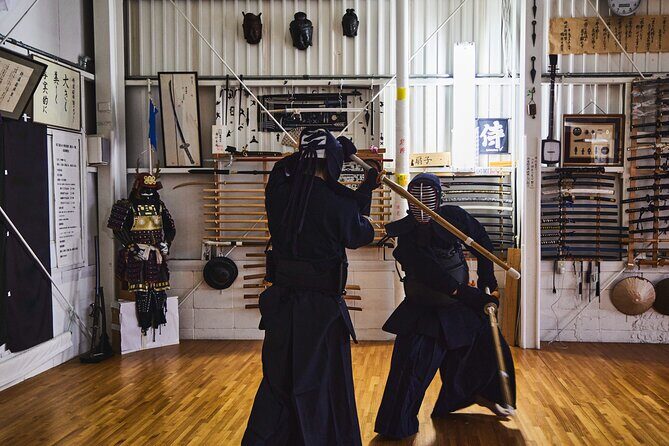
This experience starts with you showing up to a real dojo setting in central Osaka, at 1-chōme-18-2 Honjōhigashi, Kita Ward (Osaka 531-0074). The atmosphere matters here. You’re not just booking a class that happens to be in a gym; you’re walking into a space where Kendo has its own rules, sound, and flow.
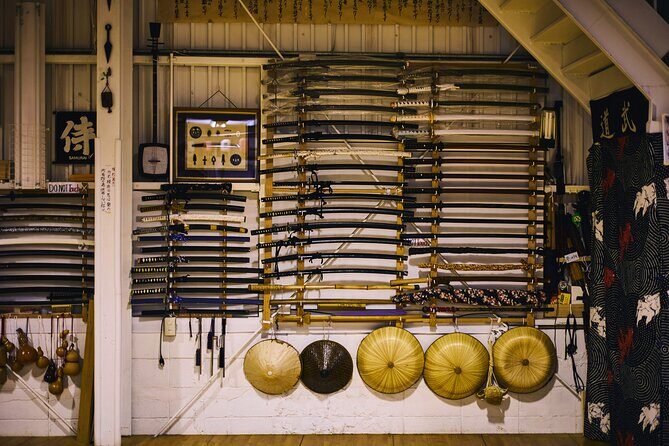
Inside, the facility is kept in excellent shape and feels like it has two jobs. First, it’s a working training dojo. Second, it doubles as a museum-like display with Samurai artifacts and memorabilia that help connect what you’re doing with where it comes from. If you like culture that feels physical (instead of just reading about it), this format is a big plus.
The class size is also a key part of why this works. With a maximum of 12 people, instruction stays personal. You’re more likely to get adjustments to your stance and basic movements rather than being one face in a crowd.
You can also read our reviews of more tours and experiences in Osaka.

The Two-Hour Flow: History, Uniforms, Then Kendo Matches
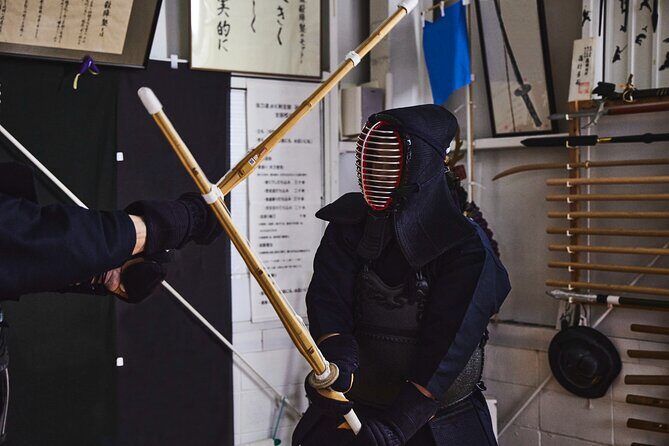
The lesson is about two hours, and the structure is easy to understand even if you’ve never held a shinai before.
You’ll begin with a guided introduction to Kendo and how it connects to Samurai culture and Bushidō (the ethical ideas that shaped Samurai training). Then comes the part that makes this feel like real training: you change into authentic Kendo uniforms and put on protective armor.
After you’re suited up, the lesson shifts into technique. You’ll learn basic Kendo form and fundamental techniques using the shinai (the bamboo practice sword). This isn’t a random sequence of moves. It’s built to get you comfortable with stance, posture, and safe movement first.
Then you move into a match-style practice segment under professional guidance. The goal isn’t to let you cosplay fighting; it’s to practice correct etiquette and form while sparring safely. Many people love this moment because it turns “learning” into something you can actually feel.
Suiting Up: What the Armor Changes (and Why It’s Worth It)
The experience includes traditional Kendo gear—uniform plus protective armor—so you can practice in the same kinds of restraints and positions that shape proper training. That matters more than people expect. When you’re in full gear, you can’t rely on casual body habits. You start to stand, move, and react with the correct posture.
It’s also one of the biggest value drivers. You’re not paying just for instruction; you’re paying for the equipment and the time needed to get you into it safely. With a class like this, the “gear phase” is part of the lesson, not an add-on.
The facility also includes changing rooms and showers, which is especially nice after active practice. You won’t be dealing with that awkward half-changed feeling that can happen with hands-on activities. There’s also air conditioning and heating, so you’re more comfortable while waiting for the lesson flow.
Learning Basics With Shinai: A Beginner Plan That Makes Sense
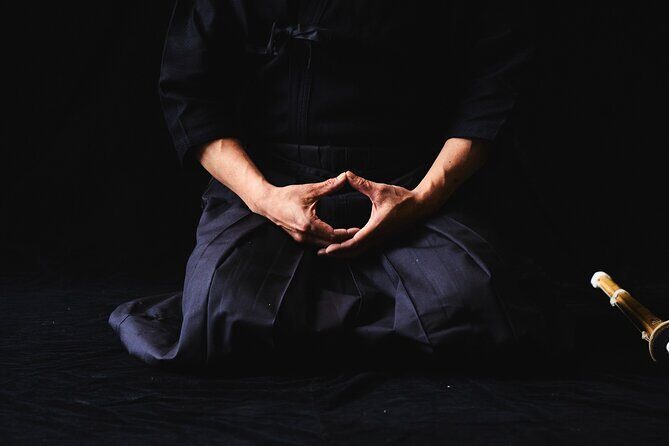
As a beginner, you’ll want two things: (1) you understand what you’re trying to do, and (2) you don’t spend the whole time correcting yourself.
This class is designed around those needs. Instruction is beginner-friendly and conducted in English, and the lesson starts with fundamentals: how to center yourself, how to hold your stance, and how to connect footwork with basic strikes and sequences.
What I like about the approach is the balance between fun and discipline. You’ll be encouraged and guided step by step, but you still learn the proper etiquette that makes Kendo Kendo. That includes the idea that practice is structured and respectful, not random “swinging swords.”
In the dojo, the shinai work tends to build confidence quickly. You start slow enough that your body can learn the pattern, then you practice in a way that feels more like training than like a demo.
Sparring With Sensei Toshi (and Kumiko’s Helpful Support)
The highlight for many people is the moment when basics turn into direct practice with others. In your session, you’ll take part in safe, match-style Kendo practice guided by professionals.
The instructors are often described as warm, patient, and encouraging, which matters for first-timers. Names that come up again and again include Toshi and Kumiko. If you get Toshi as your main instructor, expect clear explanation plus a training approach that keeps you focused on correct form. Kumiko also appears as part of the teaching duo, and many participants highlight how kind and supportive the instruction feels.
There’s also an added layer that makes it feel authentic: a sensei-led challenge and direct sparring moments. Some sessions are described as moving beyond simple partner practice into bigger tests of skill and speed. Even when it’s more intense, the framing stays instructional rather than reckless.
And yes, you can ask questions during the session. People consistently mention that the instructors explain not only the movements but also the meaning behind them, which helps you leave with more than just a photo holding a sword.



Photos, Videos, and the “Bring It Home” Factor
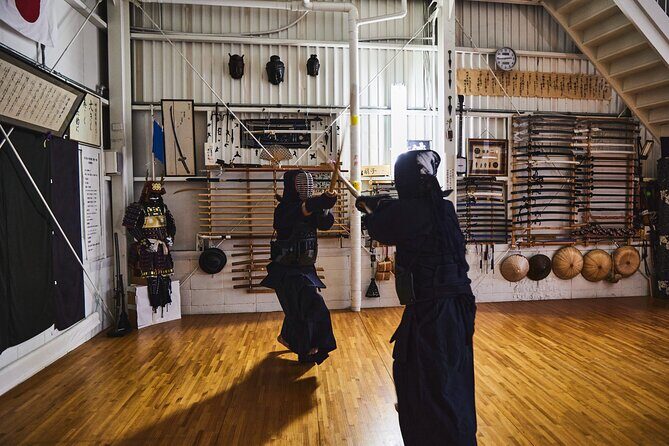
This is one of the most practical perks of the experience. You receive digital photos and videos of your session. That’s a big deal for two reasons.
First, you’re wearing armor and you’re moving around. Trying to film yourself usually turns into awkward angles and shaky footage. Having someone capture it for you means you get a clean record of what you actually did.
Second, the souvenirs help the experience last longer. Kendo is one of those activities where you’ll forget a lot of the details once you return home—especially the exact stance and sequence. The photos and videos are a way to revisit the form later, which makes it feel more like learning than entertainment.
Many people say they also take photos during the experience, but the key point for your planning is that the recorded souvenir package is part of the deal.
Comfort and Logistics That Make This Easier Than You’d Think
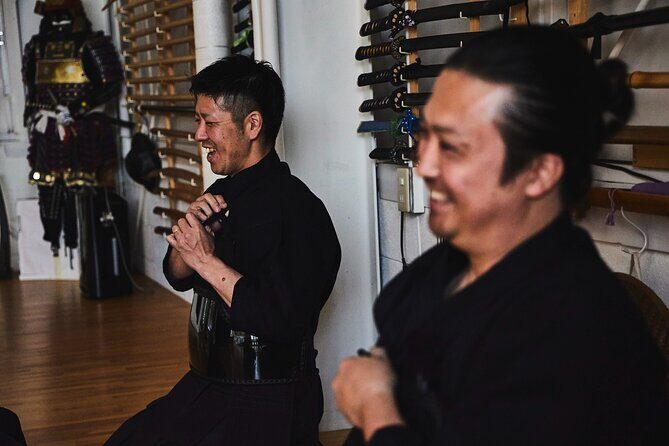
Even though it’s active, the experience is built to be comfortable for real humans.
You have changing rooms and showers, and the dojo is equipped with air conditioning and heating. That’s helpful in Osaka, where the weather can swing and you might be traveling right before or after. You’re also near public transportation, which helps if you’re hopping between Osaka neighborhoods.
The lesson is also capped at 12 people, so it doesn’t feel chaotic. And since you’ll be in armor for part of the session, having enough space to change and get ready matters. People consistently note the facility’s cleanliness and comfort, which makes a difference when you’re dealing with protective gear.
If you’re bringing kids: there’s a child-friendly approach. For ages 3–5, the focus is described as wearing the uniform and armor and taking photos safely.
Price and Value: Why $131.32 Often Feels Fair
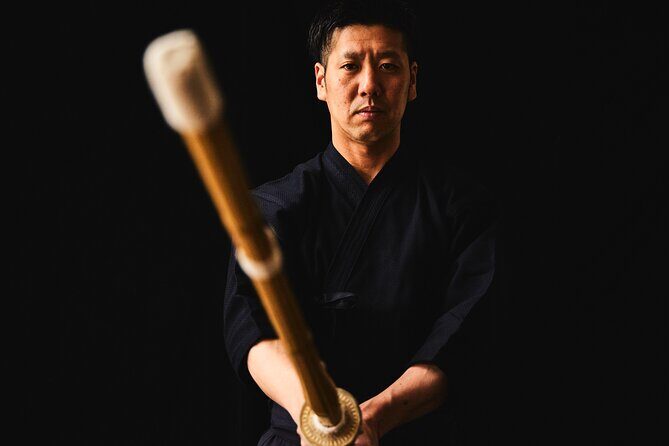
At $131.32 per person for about two hours, the price can look high at first glance—until you break down what’s included.
You’re paying for:
- A structured beginner Kendo lesson in English
- Authentic gear (uniform and protective armor)
- Professional instruction through basic technique and safe match-style practice
- A supportive dojo setting plus showers and changing rooms
- Digital photos and videos sent to you after the experience
- A cultural component via Samurai artifacts and context on Bushidō and Kendo
If you compare it to typical “tour-only” activities, you’re getting something more hands-on. If you compare it to renting a space and finding a teacher on your own, you’re also getting the guided safety, corrections, and all the materials handled for you.
In other words, the value is not just that you try Kendo. It’s that the learning environment is set up so you can actually learn it in one go.
Who This Is Best For in Osaka (and Who Might Hesitate)
This is a great fit if:
- You’re curious about Samurai culture and want something physical, not just educational
- You want a short, high-impact experience in Osaka
- You like structured instruction and clear guidance
- You want a memorable souvenir beyond a single photo
It’s especially good for families, including kids old enough to follow basic safety instructions and enjoy the gear-and-lesson vibe.
You might hesitate if you’re looking for a totally gentle, low-movement activity. While it’s beginner-friendly, you will be practicing stance, strikes, and sparring movements in armor. If you’re dealing with injuries or mobility limits, you should consider whether you can comfortably participate and rest when needed.
Practical Tips Before You Go
A few small prep steps can make your session feel smoother:
- Plan for an active two hours. Bring your energy; keep your expectations clear (this is a lesson, not a stunt show).
- Wear comfortable clothing for getting changed. The dojo provides changing space and showers, so you’ll be able to refresh afterward.
- Don’t worry if you feel awkward at first. The instruction style is described as patient and encouraging, and beginners are part of the plan.
- If you’re traveling with kids, check that the child’s age fits the way the class is run (the youngest group focuses on uniform, armor, and safe photo moments).
Also, bring some curiosity about the cultural side. The lesson includes Samurai history context and Bushidō ideas, and that’s part of why people leave feeling like they gained something lasting.
Should You Book This Samurai Kendo Training in Osaka?
If you want an Osaka experience that combines authentic training gear, English instruction, and hands-on practice in a real dojo, I’d say this is a strong booking. The value is tied to what you actually do: suit up, learn correct form, then practice match-style Kendo safely with professional guidance.
Book it if you’re the type of traveler who likes experiences you can talk about later in practical terms—what you learned, how it felt, and how it connects to Samurai culture.
I’d skip it (or choose a different kind of activity) if you want something purely observational or you can’t handle the physical side of moving in armor. Otherwise, this is exactly the kind of short, memorable “I did something real” experience that makes a Japan trip feel personal.
FAQ
Do I need any prior Kendo experience?
No. This is designed for beginners and includes instruction from start to finish.
Is the lesson offered in English?
Yes. The experience is conducted in English.
What should I expect to do during the 2 hours?
You’ll start with an introduction to Kendo and Samurai culture, change into Kendo uniforms and protective armor, learn basic techniques with the shinai, and then take part in safe match-style practice.
Is the group size small?
Yes. The experience is limited to a maximum of 12 travelers.
Are there facilities like changing rooms or showers?
Yes. The dojo has changing rooms and showers, plus air conditioning and heating.
What souvenir do I get?
You receive digital photos and videos of your experience.