REVIEW · NAGOYA
Sumo Tournament Experience in Nagoya
Book on Viator →Operated by Japan Awaits · Bookable on Viator
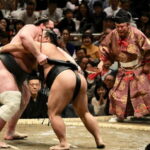
Sumo in Nagoya is loud, ritual-heavy, and oddly educational. This tour pairs an English-speaking sumo specialist with reserved stadium seats for Japan’s one big annual July event in Nagoya. You also get the cultural “why” behind what you’re seeing—salt purification, strict tradition, and the flow of a real basho day.
I really like two parts of this setup. First, you’re placed in reserved seating (B or C-class for the best views, chair seating), with an audio headset so the guide’s explanations land right at your row. Second, you don’t just sit and watch—you get moments to greet famous wrestlers as they enter, which turns the day from passive viewing into something you can actually react to.
One consideration: timing and crowd flow are real. There can be a wait before you’re seated because matches must finish, and the group can face congestion at the Sumo Museum area—so you’ll want patience, and you should expect the guide to manage that logistics gap.
In This Review
- Key things I’d prioritize before booking
- Why Nagoya’s July Basho Tour Feels Better Than Just Buying Tickets
- Aichi Prefectural Gymnasium: The Match Day Portion That Really Counts
- The other reality: you may wait before seating
- Wrestler Entrances: The Moment That Turns a Seat Into an Event
- Reserved Seats and Audio Headsets: A Smart Combo for Learning While Watching
- Optional Chanko Nabe Dinner: If You Want the Wrestler Side of the Story
- Price and Value in Plain Terms (What $228.62 Buys You)
- Timing, Meeting Point, and How to Avoid the Common Day-Of Friction
- Who This Tour Suits Best (and Who Might Want a Different Style)
- How to Book Smart for Nagoya’s Once-a-Year July Tournament
- Should You Book the Sumo Tournament Experience in Nagoya?
- FAQ
- What time does the Nagoya Sumo Tournament Experience start?
- How long is the experience?
- What seating do I get inside the tournament venue?
- Is a chanko nabe dinner included?
- Can I request a vegetarian chanko option?
- Is hotel pickup included?
Key things I’d prioritize before booking
- Reserved seating designed for clear match views (B/C for the core tour; premium second-floor A chair option for the join-in group)
- English explanations through audio headsets, not just a lecture at the start
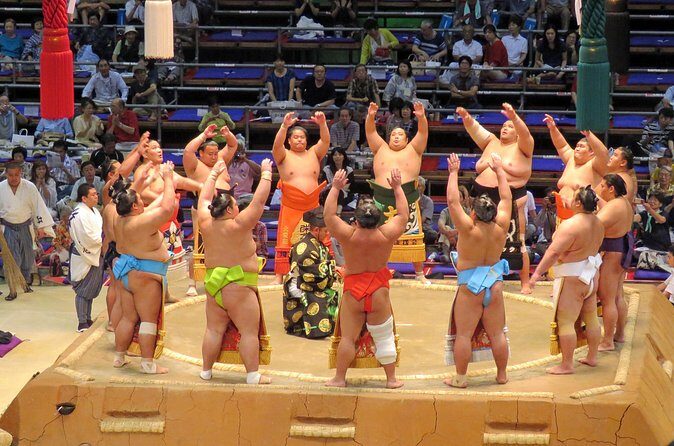
- Wrestler entrances and ritual context, including salt purification and how the day works
- An expert guide with real sumo focus, with guides known for passion like Kazou and Yoko
- Optional chanko nabe dinner if you want to taste what wrestlers eat
Why Nagoya’s July Basho Tour Feels Better Than Just Buying Tickets
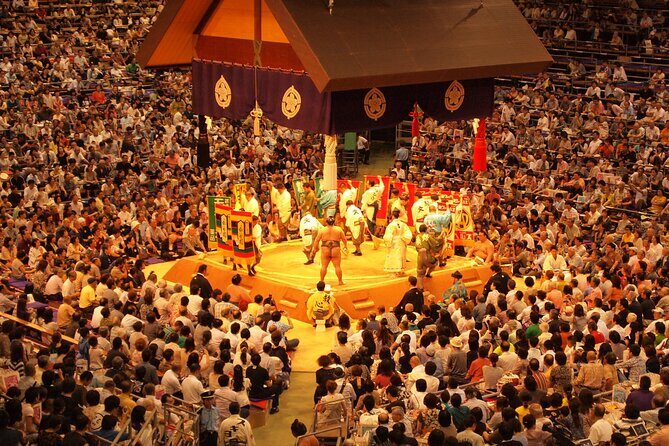
The July Grand Sumo Tournament in Nagoya is a one-time-a-year event here, so when it lands, it’s the kind of thing you plan around. What makes this experience worth a closer look is that you’re not just buying entry—you’re buying interpretation.
Sumo is fast, rules-heavy, and full of symbolism. Without help, you can still enjoy the spectacle. With help, you start noticing the details: how wrestlers present themselves, what the pre-match routines mean, and why fans react the way they do. That’s where the “expert in sumo wrestling” guide matters. You’re listening for meaning, not just translation.
I also like that this is built as a group experience (about 15–20 people, with tour operation requiring at least 15). That’s big enough to feel social. It’s small enough for the guide to keep track of everyone and explain what matters during the short window you have inside the arena.
You can also read our reviews of more tours and experiences in Nagoya.
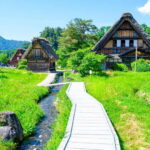


Aichi Prefectural Gymnasium: The Match Day Portion That Really Counts
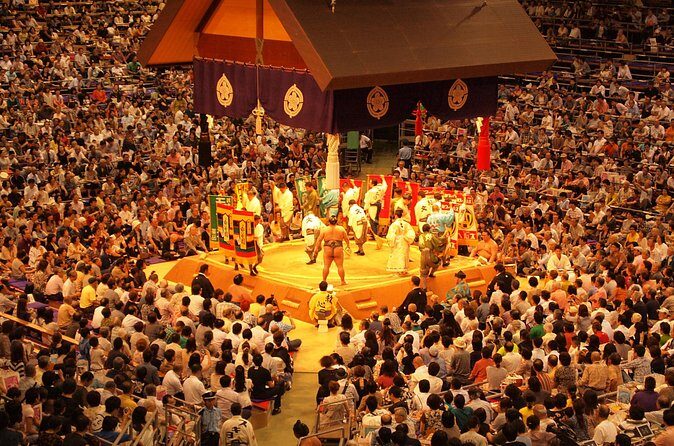
Your core experience runs about 4 hours at the official basho venue: Aichi Prefectural Gymnasium. This is the part you can’t replicate on your own with a generic “cultural day.” You’re in the real tournament environment, with reserved seating and the schedule rhythm that comes with a live basho.
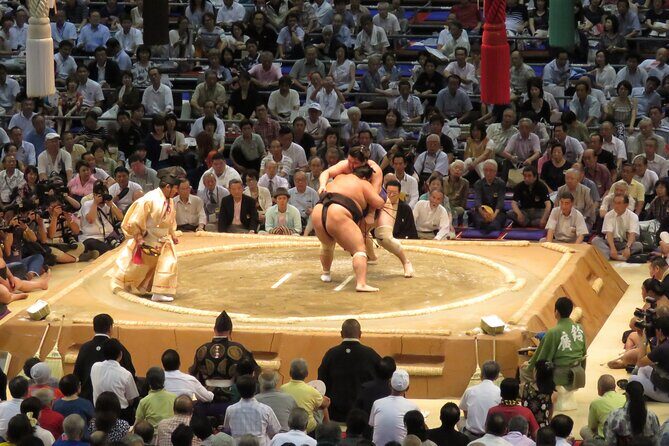
You’ll be seated at B or C-class reserved seats for the main tour option. The key word here is view. The seats are described as having the best view of the match, with chair seating inside the stadium. In a sport where one moment can decide everything, getting your sightline right is not a small deal.
What you’ll do inside the gymnasium goes beyond “watch for a while.” The guide will help you spot and understand ancient traditions still preserved in sumo. Salt purification is specifically called out, and that’s exactly the kind of ritual that makes sumo feel different from other sports. You’ll also learn who to watch and how to connect the match to wrestler context without needing to memorize everything upfront.
The other reality: you may wait before seating
Because you’re entering only after matches end, you should expect some waiting. Also, the arena has rules about what you can bring. There’s no outside food or drinks allowed in the arena, but you can buy food from vendors inside. Bring that expectation with you, and the wait won’t feel like a problem—it’ll just feel like “part of the machine.”
Wrestler Entrances: The Moment That Turns a Seat Into an Event
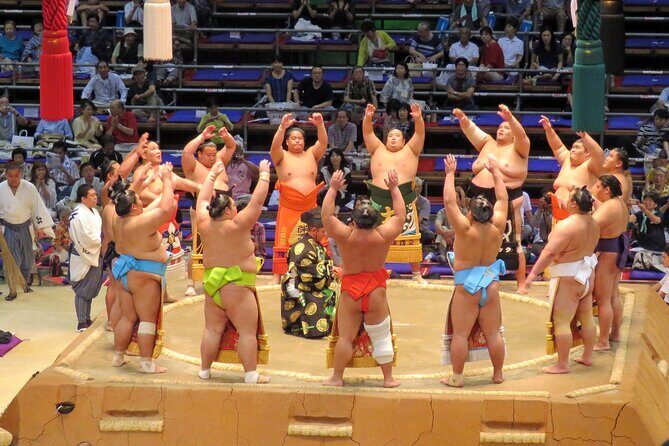
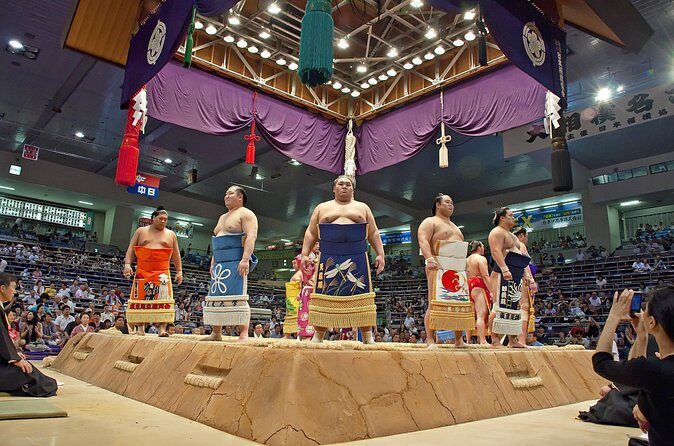
One of the most memorable parts of this kind of tour is the pre-match build-up. This experience specifically includes time to cheer on and greet famous sumo wrestlers as they enter the stadium for their big match.
Even if you’re new to sumo, this is where the sport becomes personal. Wrestlers aren’t just athletes walking into a hallway. The approach, the arrival, the crowd energy—it all signals that something formal is happening. And because your guide is local and sumo-focused, you’re not left guessing who is important and why.
The practical value here is timing and access. If you try to figure this out alone, you can miss the window. With a structured group plan, you’re more likely to catch the entry moment when the atmosphere is strongest.
Reserved Seats and Audio Headsets: A Smart Combo for Learning While Watching
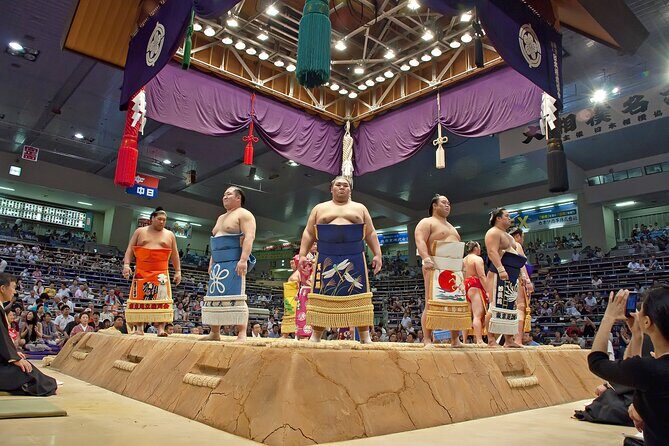
Sumo can be hard to “follow” until you know what to listen for. That’s why the audio headset is such a good piece of the package. Instead of struggling to hear an English explanation over stadium noise, you get the guide’s comments in your ear.
The experience also includes a sumo information and pamphlet, plus a banzuke-hyo, the table of rankings. Those two items are useful because sumo is ranking-driven. If you know where wrestlers sit in the broader picture, matches become more than one isolated bout.
I also appreciate that the guide isn’t described as a general culture speaker. This is an expert with sumo background, which matters because explanations can get specific: how traditions connect to rules, what fans care about, and how the tournament framework works.

Optional Chanko Nabe Dinner: If You Want the Wrestler Side of the Story
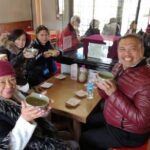
You can add dinner by choosing the option for a local chanko hot pot restaurant. Chanko nabe is described as “sumo stew,” made with chicken stock as the soup base and various vegetables.
This is one of those details that gives sumo a daily-life texture. Wrestlers are known for eating a lot of chanko because it can be cooked in large batches. That’s a practical culinary angle: energy needs, training schedules, and communal meals all show up in the food.
A couple of useful notes:
- If you select dinner, it’s the default meal without drinks.
- A vegetarian option is available if requested at least one week in advance. The broth is typically pork or chicken, and the restaurant may substitute for vegetarian needs.
This dinner is optional for a reason. If you want the cleanest “match focus,” skip it and use the time after the tournament to explore Nagoya on your own. If you want an experience that connects the sport to what wrestlers actually eat, the chanko meal makes the whole day feel more complete.
Price and Value in Plain Terms (What $228.62 Buys You)
At $228.62 per person, this is not a bargain. But it also isn’t overpriced in the way “tourist convenience” sometimes is, because you’re paying for three things that cost money and effort:
- Reserved seats (S-class or A-class reserved seats depending on the option you select; plus A/B/C seating structure for the match-view experience)
- An English-speaking sumo expert guide, plus the service fee for ticket handling
- Audio headsets and printed tournament materials (pamphlet and banzuke-hyo)
On top of that, the tour is described as a join-in group experience with group discounts. It’s also structured for about 15–20 people, which keeps the guide-to-group ratio more workable than a huge coach tour.
Here’s how I’d judge whether the price fits you: if you already care about sumo (or you want to care after one day), the reserved seating and headset help you get more out of the tournament than you’d get wandering around without context. If you’re just looking for a generic sports event, you might find a cheaper approach. But for meaningful match-day understanding, this one is aiming at value through added interpretation.
One more practical note for decision-making: this experience is described as non-refundable and not changeable if you cancel or amend. So treat it like a committed plan once you buy in.
Timing, Meeting Point, and How to Avoid the Common Day-Of Friction
Start time is 2:00 pm. The total duration is about 4 to 5 hours. Hotel pickup isn’t included, so you’ll need to get yourself to the meeting point near public transportation.
Plan for a rhythm like this:
- Arrive at least 10 minutes early. Since it’s a group tour, being late can mean you miss parts and there’s no refund for lateness.
- Expect a wait before seating because the guide has to enter after sumo matches end.
- Understand that the Sumo Museum area can be congested, and the guide may have you visit on your own since walking a large group there is hard during crowds.
The “no outside food or drinks in the arena” rule is also something to take seriously. You can buy from vendors inside, but your bag strategy matters. Keep it light so you don’t get stuck dealing with restrictions during the pre-seating window.
Who This Tour Suits Best (and Who Might Want a Different Style)
This tour works especially well for:
- Sumo fans who want more than just watching and cheering
- First-timers who want the cultural and rules context so the day clicks faster
- Families, since this experience is described as something most travelers can participate in, and the group-energy format is generally a good fit for kids (one review specifically mentioned kids had a blast with a very passionate guide)
You might consider a different plan if:
- You only want the shortest possible time at the stadium and don’t care about explanations.
- You’re sensitive to waiting periods and crowd flow issues (because there can be waiting prior to seating).
How to Book Smart for Nagoya’s Once-a-Year July Tournament
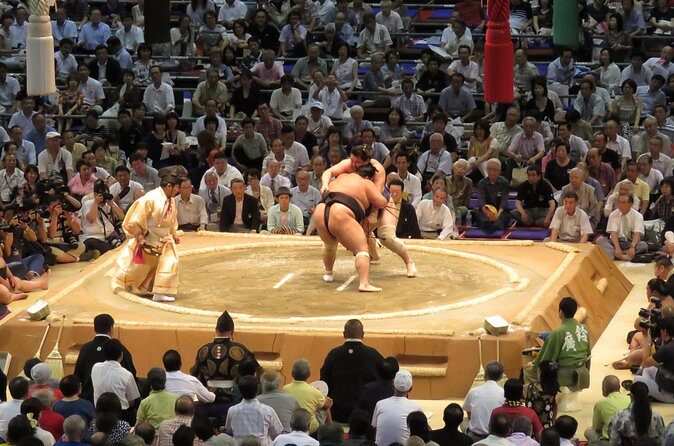
Sumo tournaments happen six times a year across Japan. Nagoya’s event is in July. Because this is a major ticket situation, plan ahead.
This tour’s tickets are released by the Sumo Association about 4–7 weeks before the tournament date. If tickets can’t be obtained, you’ll be notified within 4 weeks and offered an alternative date or a full refund.
For best odds, you’re advised to book early—ideally 3 months in advance, or at least 1 month before your travel dates. The tour also requires a minimum number of travelers to operate. If that minimum isn’t met, you’ll get offered another date/experience or a full refund.
Should You Book the Sumo Tournament Experience in Nagoya?
I’d book this if you want the tournament day to feel like a guided education, not a ticket transaction. Reserved seats plus headset audio plus a sumo expert guide is a strong combo if you care about understanding what you’re seeing. And if you’re the type who likes traditions—salt purification, disciplined routines, the ranking framework—the day has plenty to reward your attention.
I’d skip or think twice if you’re the kind of traveler who hates waiting, or if you’re strict about meal planning and schedule flexibility (since dinner is optional, but the tour itself has defined timing and rules inside the arena). Also, because it’s non-refundable once committed, you’ll want confidence in your dates.
If July in Nagoya is on your calendar, this is one of the more satisfying ways to experience the basho—especially if you want to leave knowing you didn’t just watch sumo, you understood it.
FAQ
What time does the Nagoya Sumo Tournament Experience start?
The start time is 2:00 pm.
How long is the experience?
It runs about 4 to 5 hours total.
What seating do I get inside the tournament venue?
You’ll have reserved seating included. The standard tour is A-class reserved seats, and the experience also mentions B or C-class reserved seats as having the best view of the match. A premium seat join-in option may be second-floor A chair seats.
Is a chanko nabe dinner included?
Dinner is optional. If you select it, you’ll eat at a local chanko hot pot restaurant. If not selected, meals are not included.
Can I request a vegetarian chanko option?
Yes. A vegetarian option is available upon request, but you need to request it at least one week in advance.
Is hotel pickup included?
No. Hotel pickup is not included, and the meeting point is near public transportation.