REVIEW · OSAKA
Sumo Wrestling Tournament Chair Seats & Expert Guide | Osaka Mar
Book on Viator →Operated by Smile Vista | Japan Exclusive Experience · Bookable on Viator
Front-row sumo feels close and manageable. This tour pairs A-Class chair seats at Edion Arena Osaka with a small group and a guide who translates what you’re seeing.
I especially like that you watch from front 1–2 rows without the kneeling strain, and you can eat and drink at your seat while matches roll on. The other big win is the guided context, including the nakabi ceremony before the strongest wrestlers step up.
One thing to consider: the session runs on a fixed clock (roughly 2:00–6:00), so if you’re the type who needs total freedom to wander, you’ll want to plan your day around this.
In This Review
- Key things you should know before you go
- Osaka Sumo at Edion Arena: Why chair seats change everything
- The fixed 2:00–6:00 session that shapes your whole afternoon
- Finding your seat and getting comfortable fast
- The nakabi ceremony around 15:40: more than a warm-up
- From 16:00 to about 18:00: prime-time sumo with TV attention
- Your guide at Edion Arena Osaka: how explanations make the sport click
- Photos and souvenirs: what you can expect to walk away with
- What to eat and drink (and what to budget for)
- Value check: is $182 worth it for 4 hours of sumo?
- Who this Osaka sumo tour is best for
- My take: should you book this sumo experience?
- FAQ
- What time does the tour session run?
- Where do we meet for the tour?
- How many people are in the group?
- What kind of seats are included?
- Can I move around after I sit down?
- Will I be able to see the nakabi ceremony?
- When are the strongest matches and TV broadcast time?
- Can I eat or drink at my seat?
- Is re-entry allowed if I leave the venue?
- What is the cancellation policy?
Key things you should know before you go
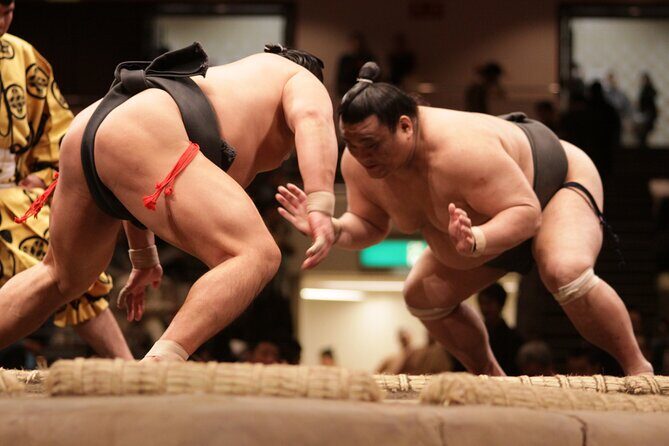
- Front 1–2 row A-Class seating gives you a front-on view without sitting in seiza
- Up to 5 people per group means you get real interaction with your guide, not just a headset
- Nakabi ceremony around 15:40 adds a meaningful pre-show layer, not just the matches
- You can move around after finding your seat, then settle in for the big TV window
- Eating and drinking at your chair keeps the experience comfortable during the long buildup
Osaka Sumo at Edion Arena: Why chair seats change everything
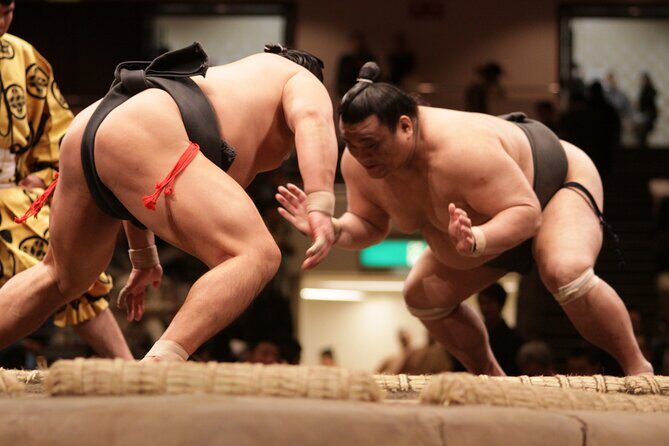
Osaka sumo can feel intimidating at first. Big venue, loud arena, tons of ritual, and the rules move fast. What makes this experience easier to enjoy is the seat setup and the guide help built around it.
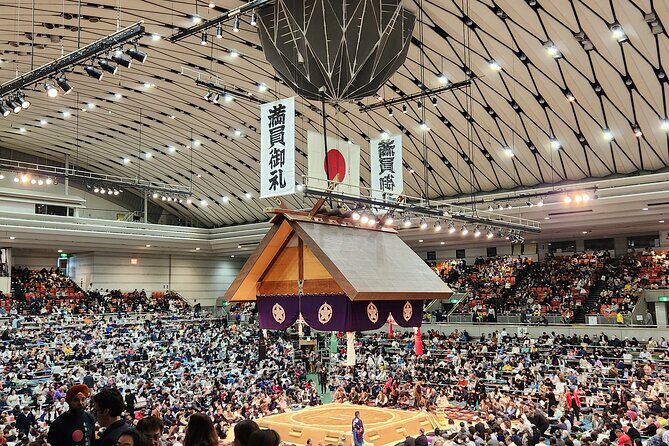
You’re in chair seating at Edion Arena Osaka, with the tour’s ticket described as A-Class and located in the front 1–2 rows. That’s a big deal because you’re not stuck doing seiza for hours. You still get to watch the action up close, but your body stays happier, especially if you’re traveling with stiff legs, a tight schedule, or just don’t want to spend the day in a kneeling position.
The viewing angle is another practical win. You’re seated on the second floor in an area that offers a wide view across the arena. In practical terms, you don’t have to constantly crane your neck to track the action. And because it’s chairs (not floor seating), you can adjust without feeling like you’re breaking etiquette or giving up your spot.
There’s also a nice flexibility built in: once you get your bearings and arrive at your seat, you’re free to move around. That helps if you want to check something in the venue or take a breather before the strongest matches start.
You can also read our reviews of more guided tours in Osaka


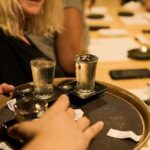
The fixed 2:00–6:00 session that shapes your whole afternoon
This is a 4-hour guided window from about 14:00 to 18:00. The meeting happens at the front of the venue around 14:00, and you’ll get the exact meeting point details ahead of time.
The schedule matters because sumo has a rhythm. Most of the atmosphere you’re paying for is concentrated into the late part of the session. Around 15:40, the nakabi ceremony starts for particularly strong wrestlers. Then from 16:00 to around 18:00, the intensity ramps up, and Japanese TV broadcasts begin as well.
That means your best strategy is simple: treat the tour like an afternoon that builds toward prime time. If you try to squeeze other plans into that same 2–6 window, you’ll feel rushed. But if you plan your day with a calm mindset, the timing becomes part of the fun. You get a slow build, then a clear peak when the arena’s focus shifts to the headliners.
Also, re-entry is possible once per day. If you need to leave the venue during the tour window, you should let your guide know. In other words, it’s not the kind of tour where you can vanish and come back whenever you feel like it.
Finding your seat and getting comfortable fast
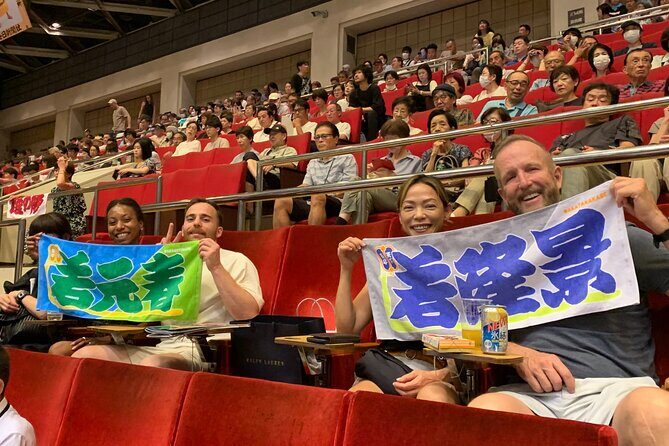
At Edion Arena Osaka, once you’re inside, you’ll go to your designated seating area. One helpful detail: the tour doesn’t require you to commit to a seiza position, since you’re in chair seats. That’s the difference between enjoying the spectacle and spending mental energy fighting discomfort.
You’re also allowed to eat and drink at your seat. That may sound small, but it changes the whole flow. Sumo matches can take time. Even when you’re waiting for the next bout, you’re watching technique, gestures, and the build-up before impact. Being able to snack without leaving your chair helps you stay in the right mindset.
One practical caution: seating areas can’t be specified. So you’re choosing this tour for the ticket level and the view style (front rows, second floor chair area), not for a guarantee of a specific seat number you can pick in advance. Still, the front 1–2 row promise is a strong one, and that’s what you should focus on when you book.
The nakabi ceremony around 15:40: more than a warm-up
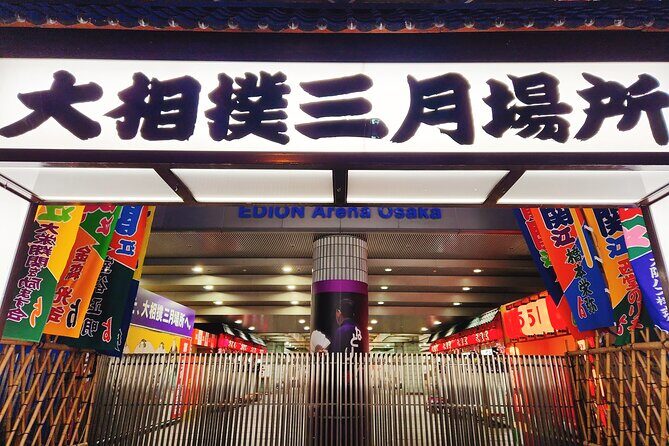
If you only came for the fights, you’d still be in good shape. But this tour gives you something extra: the nakabi ceremony, timed to begin around 15:40.
Nakabi is one of those moments where sumo stops being only sport and becomes a full performance of tradition. It’s a ceremony before matches of particularly strong wrestlers begin. Even if you’re new to sumo, this is exactly the part that helps your brain understand what you’re watching.
Here’s why it matters for you as a spectator. Once you see the ceremony and get a quick explanation of what it signals, later bouts land differently. You’ll catch more of the intention behind who’s about to step in and why the atmosphere shifts.
This is also where the guide makes a noticeable difference. They’re sitting with you, so questions don’t have to wait until intermission. If you’re watching and thinking, I’m not sure what that move means, you can ask while you’re still in the moment.
From 16:00 to about 18:00: prime-time sumo with TV attention
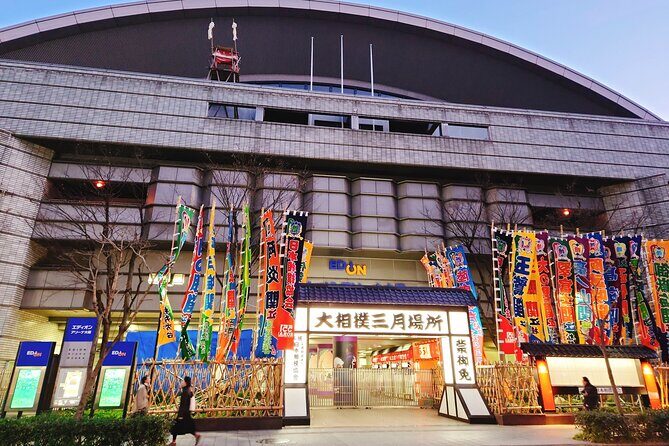
The tour’s highlight window is the late afternoon stretch from 16:00 to around 18:00. This is when the particularly strong wrestlers begin their intense matches, and Japanese TV broadcasts start.
That combination creates a full-sensory change. The arena feels like it’s locked in. You’ll see longer attention paid to matchups, entrances, and the micro-actions that build tension before a charge.
From a practical viewpoint, you’ll want to be mentally ready for the pace. Matches can move quickly, and you’ll want to know what you’re seeing: the reset, the grip, the push-pull rhythm, and how outcomes are decided. The guide helps translate that rhythm so you’re not only watching throws after the fact.
If you’re comparing this to DIY sumo, the value is in interpretation. Without explanations, sumo can still be fun, but you’ll miss a lot of the signals that make the sport feel like a conversation between wrestler skill, timing, and rule-based strategy.



Your guide at Edion Arena Osaka: how explanations make the sport click
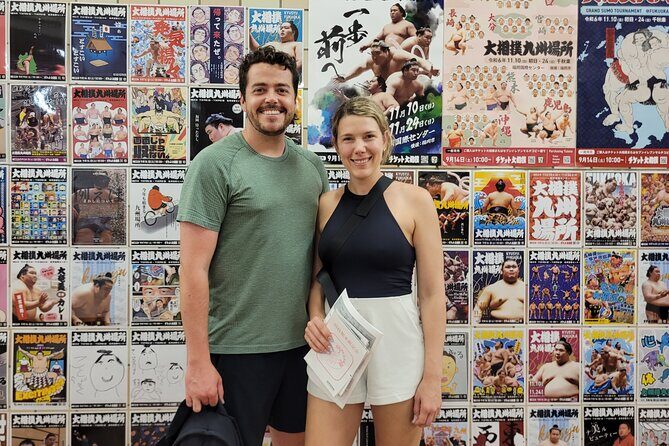
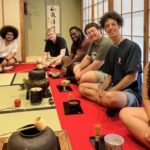
A big part of why this experience earns a top score is the human factor. The guide is with you, and the group size stays small, up to 5 guests. That means you get interaction, not vague commentary at a distance.
The reviews point to guides named Yuki and Mai-san, and they’re praised for explaining the nuances while you watch. That’s exactly what you want in a first sumo experience: someone to connect the sport to Japanese culture and explain the key rules without turning it into a lecture.
You’ll also get an original sumo guidebook, which is a nice take-home tool. Even if you catch only part of the explanation live, the guidebook helps you fill gaps after the event while it’s still fresh.
There’s also mention of guides helping with a stop at a museum and gift store. That’s not listed as a hard part of the program schedule, but it does line up with what a guide might reasonably add if time allows. If that’s important to you, ask your provider ahead of time or check what your guide recommends on arrival.
Photos and souvenirs: what you can expect to walk away with
This tour includes tour photos and an original sumo guidebook. That turns the experience from a single evening event into something you can remember more clearly.
Why photos matter in a venue like this: sumo action is fast, and you won’t always capture the moments that felt meaningful in the arena. If someone is taking photos for your group, you’re more likely to end up with images that match the highlights rather than only a blurry crowd shot.
The guidebook matters because it gives you context while the rules and rituals are still in your head. If you want to keep learning after the tournament, having that reference in your bag is a real advantage.
What to eat and drink (and what to budget for)
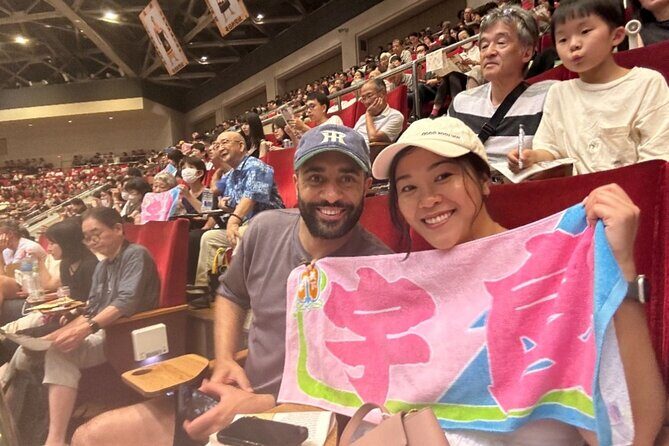
Food is allowed at your seat, which is great for comfort. But snacks aren’t listed as included, so if you want specific snacks or drinks, you should budget for purchases at the venue.
Here’s my practical advice: pick a light plan for before you arrive, then treat snacks like a slow, easy part of the experience instead of something you have to rush. Because the most intense period starts around 16:00, you’ll likely be happy having something small available while you watch.
If you’re coming from elsewhere in Osaka, consider arriving early enough to settle in before the nakabi window approaches. The tour includes that time, but you’ll enjoy it more if you aren’t running on empty.
Value check: is $182 worth it for 4 hours of sumo?
At $182, the price is easiest to judge by what you receive: an A-Class ticket for front 1–2 rows, a professional guide, an original guidebook, and tour photos, plus the fact that the group is small and interactive.
So you’re not only paying for the seat. You’re paying for:
- interpretation of what you’re seeing during the key ceremony and match window
- comfort and convenience (chair seating, eating allowed at your seat, you’re not managing rules by yourself)
- extra support through a guidebook and photos
If you’re a total sumo beginner, the guide component is the part that tends to deliver the biggest value. You’ll get more from the bouts because you’ll understand what matters. If you already know the rules well and you speak Japanese comfortably, you might feel the guide is less critical. But for most visitors, this is exactly the kind of organized help that turns a ticket into a full experience.
Who this Osaka sumo tour is best for
This tour fits best if you want sumo that feels high-touch but not complicated.
You’ll likely love it if:
- it’s your first sumo tournament and you want explanations timed to what’s happening
- you care about comfortable seating (chair seats, no seiza)
- you want a small group size so questions are actually answered
- you’re excited by the nakabi ceremony and the TV-match peak
It may feel less ideal if:
- you dislike fixed schedules and want full freedom to roam the venue all afternoon
- you’re hoping for a long, unscripted museum-style visit (the main event is the tournament viewing window)
My take: should you book this sumo experience?
I’d book it if you want to experience Osaka sumo with two things handled for you: seat comfort and match meaning. The front-row chair setup makes the event more physically doable, and the guide support makes the sport easier to follow during the moments that matter most.
Choose this one over a basic ticket if you care about understanding the rules, noticing the rituals, and getting your questions answered while you’re still in your seat. The guidebook and photos are a bonus that helps you carry the experience beyond the arena.
If your goal is only to watch without any context, you might be able to do it cheaper on your own. But if you’re paying for a smooth afternoon where sumo clicks quickly, this is a solid value.
FAQ
What time does the tour session run?
The session runs for about 4 hours, starting around 14:00 and ending around 18:00.
Where do we meet for the tour?
The meeting point is at Edion Arena Osaka, at the address listed inside the Osaka Prefectural Gymnasium area.
How many people are in the group?
The tour runs as a small group, up to 5 guests.
What kind of seats are included?
You get A-Class ticket seating, described as front 1–2 row chair seats, located on the second floor.
Can I move around after I sit down?
Yes. After you arrive and get to your seat, you’re free to move around.
Will I be able to see the nakabi ceremony?
Yes. The ceremony begins around 15:40, and you watch it from your seats.
When are the strongest matches and TV broadcast time?
The highlight window is roughly from 16:00 to around 18:00, when particularly strong wrestlers begin and Japanese TV broadcasts start.
Can I eat or drink at my seat?
Yes. Eating and drinking at your seat is allowed.
Is re-entry allowed if I leave the venue?
Re-entry is possible once per day. If you need to leave during the tour, you should inform the guide.
What is the cancellation policy?
You can cancel for a full refund up to 24 hours before the experience start time. If you cancel less than 24 hours before, there is no refund.