REVIEW · TAKAYAMA
Takayama Full-Day Private Tour with Government Licensed Guide
Book on Viator →Operated by Japan Guide Agency · Bookable on Viator
Takayama changes fast once you have a plan. This private day is built around a custom route with a licensed English guide, so you can aim for old streets, folk heritage, and festival landmarks without wasting time. I like the flexibility to pick 3–4 stops from the options, and I like how the guide can connect what you see in each place (timber-era government, old-town trade, festival floats). The main drawback: transport between areas and most admissions are extra, so your final total depends on which stops you choose.
One of the nicest parts is meeting your guide at 9am and moving right into the town, including morning-market timing. In particular, guides like Akane Ito, Yuriko (Lily), and Elvis have been praised for steering the day toward your interests, not running a fixed script. If your itinerary ends up being mostly near where you’re already staying, the guide’s value can feel smaller than you expected, so choose stops with clear payoff.
In This Review
- Key things that make this tour work well
- Private guide + public transport: what your 6 hours is really for
- One practical note about cost
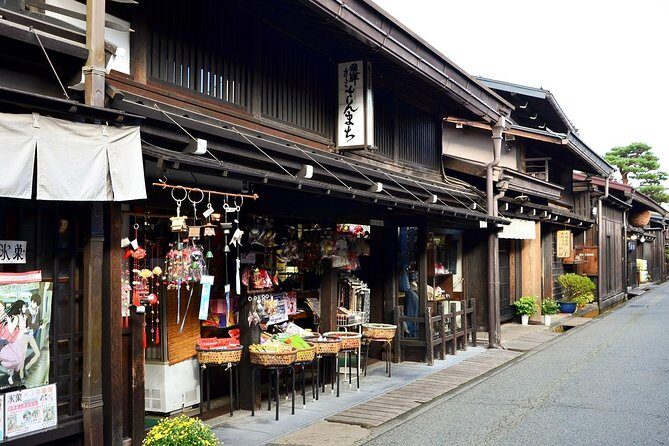
- Sanmachi Suji and the old-town feel that makes Takayama click
- If you only choose one old-town option
- Hida Folk Village and Takayama Jinya: mountains, timber, and power
- The value of picking both
- Festival Forest, the float hall, and Sakurayama Hachimangu
- Where the festival becomes real
- Festival Forest options (choose if you want more)
- A guide can help you pick the right festival stop
- Higashiyama Walking Course and Hida Kokubun-ji: temples, hills, and calm
- When this section shines
- Kusakabe Folk Museum and the Meiji-to-Showa story in 10-minute hits
- Craft and household heritage
- Sake heritage house
- Showakan and retro Tokyo-style fun, Takayama-style
- Price and value: where the $153.50 really goes
- My take on budgeting for the day
- Quick guide selection tips so the day feels worth it
- Should you book this Takayama private guide tour?
- FAQ
- What is the duration of the Takayama full-day private tour?
- What does the tour include?
- Are entrance fees included?
- Are transportation and lunch included?
- How does the tour work for a private group?
- Is this tour mostly walking?
- What is the cancellation policy?
Key things that make this tour work well

- Custom 3–4 stop itinerary from a menu, not an all-day checklist
- Licensed English guide who can explain what you’re seeing as you walk
- Public transport efficiency while keeping you with your guide (extra fees apply)
- Strong Takayama themes: Edo-era streets, folk houses, festival floats, temple/shrine areas
- Good mix of free and paid stops so you can control cost with your picks
- Short museum bursts (10 minutes) that fit a tight 6-hour day
Private guide + public transport: what your 6 hours is really for
This is a private full-day tour for your group only, about 6 hours long. You meet your guide at 9am on foot within a designated area, then you spend most of the time walking and using public transport to reach the best spots for your chosen mix. There’s pickup offered, but the tour is still a walking-style day, so wear comfortable shoes.
The biggest value is that you’re not stuck with a rigid route. You customize your day by selecting 3–4 sites from the options, which means you can shape the day around your interests: festival craft and floats, rural Hida heritage, religious Takayama, or a quick jump through Meiji/Showa-era museums.
You can also read our reviews of more guided tours in Takayama

One practical note about cost
This tour includes the guide and the chosen sites, but it does not include transport fees, entrance fees (for many attractions), or lunch. Some stops are free (like Sanmachi Street and several temples), while others are marked as admission not included. For a smooth day, I’d pick your must-sees first, then fill remaining time with one or two paid sites if your budget allows.
Sanmachi Suji and the old-town feel that makes Takayama click
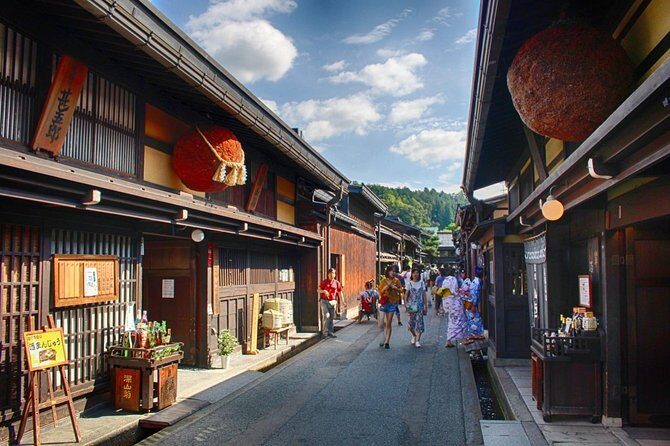
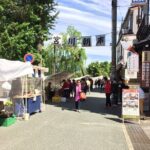
Sanmachi Suji is Takayama’s classic old-street zone. It’s an Edo-period style area lined with shops selling local specialties, and the best part is how easy it is to wander slowly while still feeling like you’re in the right place. The stop is about 30 minutes and admission is free, so it’s a great early anchor for the day.
A smart pair for Sanmachi is the Hida-Takayama Miyagawa Morning Market, held daily around 7:00 (or 8:00 in winter) through noon. Because your tour starts at 9am, you’re well-positioned to catch at least part of the market window. It’s a simple but very “Takayama” way to see everyday food and local rhythm without needing tickets.
What I like about this section is the contrast: you get traditional streets first, then you get daily life right after. And since you’re with a guide, you can ask what’s worth trying versus what’s mainly for looks.
If you only choose one old-town option
If you’re the type who wants one solid dose of atmosphere, start your 3–4 stop set with Sanmachi Suji and add the Miyagawa Morning Market if timing works for you.
Hida Folk Village and Takayama Jinya: mountains, timber, and power
If you want the story behind Takayama—not just the pretty streets—Hida no Sato and Takayama Jinya do that job.
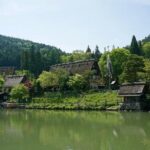
Hida no Sato (Hida Folk Village) is an open-air museum with over 30 traditional houses from the Hida region around Takayama. It’s about 30 minutes and admission is free. This is one of those stops that helps you understand why Takayama feels distinct: it’s shaped by mountain geography and practical building styles.
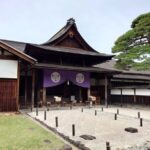
Then there’s Takayama Jinya, connected to the region’s timber resources. In 1692, the Hida area around Takayama came under direct control of the Tokugawa Shogunate, and the Takayama Jinya served as the local government office. The stop is about 30 minutes, and admission is not included here, so this is a good one to include if you like “how it worked” history.
You can also read our reviews of more private tours in Takayama


The value of picking both
Doing both stops together gives you two angles on the same place:
- How people lived in mountain communities (Hida no Sato)
- How the region was managed through timber and government (Takayama Jinya)
If you skip one, you’ll still learn, but the day feels less connected.
Festival Forest, the float hall, and Sakurayama Hachimangu
Takayama’s festival culture is the kind of thing you can see even if you’re not in festival season—if you go to the right places. This tour includes several options tied to the Takayama Festival and the floats (yatai).
Where the festival becomes real
The Takayama Festival Floats Exhibition Hall focuses on the festival floats. Admission is not included, and the stop is about 30 minutes. The key point here is that you’re looking at the craftsmanship and design of the floats rather than just festival photos.
Next to festival action is Sakurayama Hachimangu Shrine. The shrine is the autumn festival venue, and it’s also right by the float exhibition area. Admission is listed as free, and it’s about 30 minutes. It’s a good stop if you want the sacred setting behind the spectacle.
Festival Forest options (choose if you want more)
There’s also Hida Takayama Art and Festa Forest / Matsuri no Mori, shown as a stop that highlights the festival world and includes float-related displays. It’s marked as admission not included, with shorter time windows for some options in the day. If your taste runs toward festival craft and interpretation, this is a strong fit; if you’d rather spend time elsewhere, you can swap it out.
A guide can help you pick the right festival stop
With a custom itinerary, I’d choose one of the float-focused options plus one shrine or walking area. That keeps the day powerful without spending the whole day in ticketed museums.
Higashiyama Walking Course and Hida Kokubun-ji: temples, hills, and calm
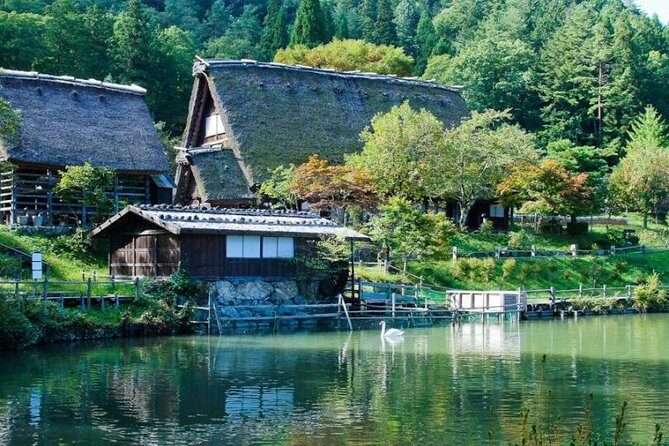
Not every great Takayama moment is in a museum. Some of the best feeling comes from walking through the temple town areas and letting the pace slow down.
Higashiyama Walking Course is about a 30-minute route through Teramachi, Takayama’s temple town, plus the city’s “suburbs” and Shiroyama Park, a wooded hill area. Admission is free. It’s a nice choice if you want a break from crowds and shop windows and prefer atmosphere and views along a planned path.
Then you can add Hida Kokubun-ji Temple, a well-known Buddhist temple close to JR Takayama Station. The highlight is the iconic three-storied pagoda built in 1820. This is also about 30 minutes, with free admission, and it’s a strong option if you like distinctive architecture you can spot and photograph.
When this section shines
This is where the tour feels most like a day in Takayama rather than a checklist. If the weather is nice, you’ll appreciate the walking course. If the weather is rough, you might swap one walking-focused stop for a museum option.
Kusakabe Folk Museum and the Meiji-to-Showa story in 10-minute hits
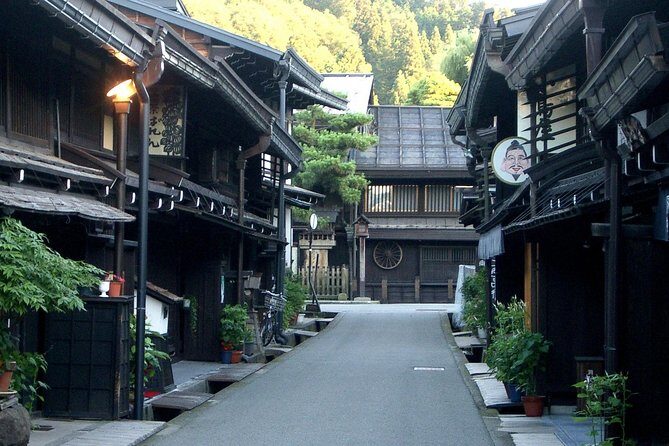
If you like museums but don’t want to spend half a day trapped indoors, this tour includes several short, ticketed options that can work well inside a 6-hour schedule.
Craft and household heritage
Kusakabe Folk Museum is a historic private residence opened to the public, built in the Meiji period with Edo architectural style. Admission is not included, and the stop is listed at about 30 minutes. This one is a good fit if you want an in-between stop: not just street walking, but not only a grand landmark either.
Sake heritage house
Yoshijima Heritage House is a house built in 1908, and it’s tied to sake brewing. The sign details matter here: it mentions a large sakabayashi shop sign made of Japanese cedar leaves. Admission is not included, with about 10 minutes allotted. It’s short, so it won’t replace a bigger museum, but it adds texture fast.
Showakan and retro Tokyo-style fun, Takayama-style
Two quick museum stops are available:
- Takayama Showakan: reconstructed retro 1950s streets with lifestyle displays (including small “Midget Alley” details). Admission not included, about 10 minutes.
- Hida Takayama Retro Museum: a Showa-themed setup with “see it, snap it, play it” style items like posters, toys, and pachinko-related fun, also about 10 minutes. Admission is not included.
These are best when you want variety and don’t mind paying to shorten the time. They can be great for rainy hours too.
Price and value: where the $153.50 really goes
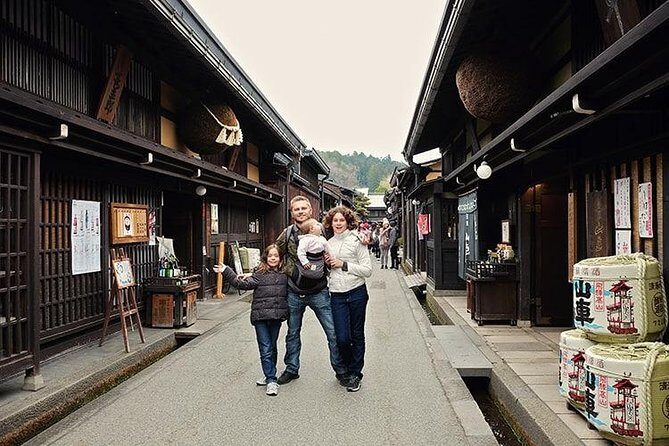
At $153.50 per person, you’re paying for a licensed local English guide and the ability to design your day around 3–4 chosen stops. That’s the core value. You’re also getting a private format, meaning you’re not squeezed into someone else’s pacing.
But to judge whether this tour is good value for you, you need to price in the extras:
- Transportation fees between places (public transport is used, but not included)
- Entrance fees for stops labeled admission not included
- Lunch, including any Hida beef meal you might choose (your meal expense is on you)
My take on budgeting for the day
If you choose mostly free stops like Sanmachi Suji, Hida no Sato, Higashiyama Walking Course, Miyagawa Market, Kokubun-ji, and Sakurayama Hachimangu, your paid portion can stay more controlled. If you select multiple paid ticket sites like the float exhibition hall and the Festival Forest options plus one or two museum entries, expect the total to rise.
The good news: with only 3–4 sites, you’re not getting forced into expensive admissions all day. Your choices shape the final bill.
Quick guide selection tips so the day feels worth it
Because the itinerary is customizable, you can protect yourself from the one common complaint: a tour that feels too close to where you already are. If you want more than a polite walk, your picks matter.
Here’s how I’d choose your 3–4 stops:
- Pick one anchor: Sanmachi Suji, Hida no Sato, or the Float Exhibition Hall.
- Pick one story stop: Takayama Jinya (power) or Kusakabe Folk Museum (house heritage).
- Pick one scenery stop: Higashiyama Walking Course or Kokubun-ji.
- Save a ticketed museum for one short option if you have time and interest: Showakan or Retro Museum.
If you do that, the guide becomes more than directions. They connect the why behind each place, which is where the private format pays off.
Should you book this Takayama private guide tour?
Book it if you want a guided, English-speaking day that you can tailor, and you like Takayama as more than streets and shops. This works especially well if festivals, architecture, and how mountain communities were organized matter to you. The praise around guides like Akane Ito, Yuriko (Lily), and Elvis fits the idea of a day built around your interests instead of a generic walk.
Skip or rethink if you already planned to see mostly nearby sights with little interpretation value, because a guide can only help as much as your itinerary invites them to. Also, if you dislike walking and prefer fully ticketed, indoor-only sightseeing, this walking-style format may not be your best match.
FAQ
What is the duration of the Takayama full-day private tour?
It lasts about 6 hours.
What does the tour include?
You get a licensed local English speaking guide and a customizable itinerary where you choose 3–4 sites. You meet the guide at 9am on foot within a designated area.
Are entrance fees included?
Entrance fees are not included in the tour price. Some stops are listed as free, but others are marked as admission not included.
Are transportation and lunch included?
Transportation fees are not included, and lunch is also not included. You can try Hida beef for lunch if you like, but you pay for your meal.
How does the tour work for a private group?
It is a private tour/activity, so only your group participates. You cannot combine multiple tour groups.
Is this tour mostly walking?
Yes. It is described as a walking tour, and pickup is on foot. You’ll also use public transportation between selected sites, with transportation fees extra.
What is the cancellation policy?
Free cancellation is available if you cancel up to 24 hours before the experience’s start time for a full refund.