REVIEW · OSAKA
Traditional Home cooking Experience in Osaka, Japan
Book on Viator →Operated by Cook, Taste and Enjoy Osaka · Bookable on Viator
Two dishes, taught like a friend’s kitchen.
This Osaka cooking class keeps things fun while you cook, not just instructional. I especially like the attention to ingredients, including carefully sourced Koshihikari rice from Minami-Uonuma, Niigata. The only real catch is that it’s a short, focused 2-hour session, and drinks beyond water (and alcohol) cost extra.
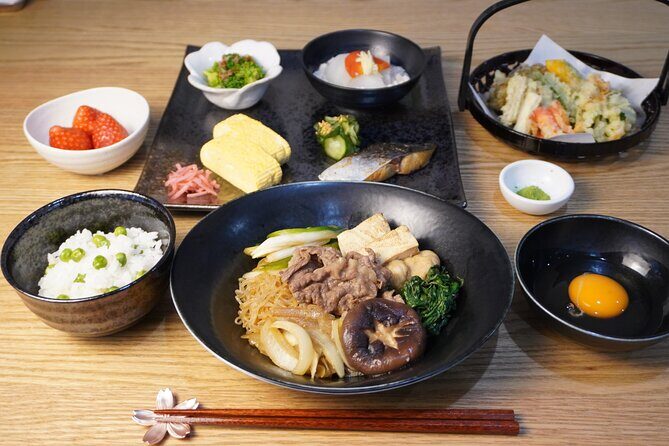
You pick your vibe up front with Course A or Course B, and both are built around home-style cooking you can recognize in Japanese households. Course A leans into sukiyaki, tempura, and rolled omelet, while Course B centers on a wagyu roast beef bowl, chicken nanban, and sashimi. With a maximum group size of 8 and a guided, hands-on format, you won’t feel lost or crowded.
You’ll start near Nishishinsaibashi (the class meets at 2 Chome-13 Nishishinsaibashi, Chuo Ward, Osaka), and you’ll leave with more than a full stomach. I like that the experience is designed for short stays in Japan: you get to cook, taste what you make, and understand why the flavors work—without needing to decode a complicated “tour script.”
In This Review
- Key highlights you’ll actually care about
- Why this Osaka class feels like home cooking (not a show)
- Pick your menu: Course A vs Course B (and what each one teaches)
- The rice is the quiet star of the meal
- Entering the rhythm: what the 2 hours actually feels like
- What you’ll cook (and what to watch for in your own technique)
- Drinks, alcohol, and the money side of the table
- Small group size and why it changes the whole vibe
- A cultural bonus: songs and instrument in at least one session
- Where to go: Nishishinsaibashi makes it easy to fit into Osaka
- Who this Osaka cooking class is perfect for
- Should you book? My quick decision guide
- FAQ
- How long is the cooking class?
- What do I cook in Course A or Course B?
- What drinks are included?
- How many people are in the group?
- Where does the class start?
- Do I need to print anything?
Key highlights you’ll actually care about
- Pick Course A or Course B before you go, so you control what you’ll cook and eat
- Premium Koshihikari rice sourced from Minami-Uonuma, Niigata, not generic table rice
- Hands-on cooking with staff right alongside you, with English support mentioned in feedback
- Seasonal ingredients across Japan’s four seasons, so your dishes feel like a specific time of year
- Small group size (max 8), which helps you get answers instead of watching from afar
- A possible extra cultural touch: one session included songs and instrument with performer Keiko
Why this Osaka class feels like home cooking (not a show)
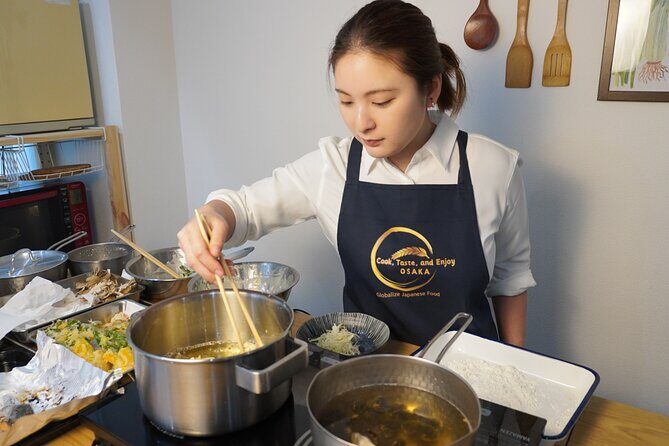
Most cooking classes either teach you the technique or sell the spectacle. This one tries to do both, with a clear priority: you’re cooking and eating together, and the instructor keeps it light so you don’t freeze when something goes wrong. You’re not just taking photos of finished plates. You’re learning how Japanese home cooking is built: good ingredients, simple steps, and a rhythm that makes the meal feel easy even when it isn’t.
I also like the mindset behind it. The name is Cook, Taste and Enjoy Osaka, and that’s exactly what the format is aiming for: cook with guidance, taste what you made, then enjoy the meal as part of the experience. The result is less pressure than a demo and less chaos than an open-ended cooking workshop.
There’s also a practical “Osaka” angle. Osaka is known for comfort, portion sense, and everyday food culture. Dishes like sukiyaki and chicken nanban fit that perfectly. Even the bowl-style wagyu option makes sense if you’re trying to eat well without spending your whole trip learning a new kitchen skillset.
The class runs about 2 hours, so your takeaway is efficient. Don’t expect a full day of cooking mastery. Do expect enough guidance to understand the core flavors, and enough eating time to feel satisfied (especially after two dishes).
You can also read our reviews of more cooking classes in Osaka
Pick your menu: Course A vs Course B (and what each one teaches)
When you book, choose Course A or Course B. Both courses are described as making two dishes together, using a set of dishes that matches the course name. Here’s what each option focuses on.
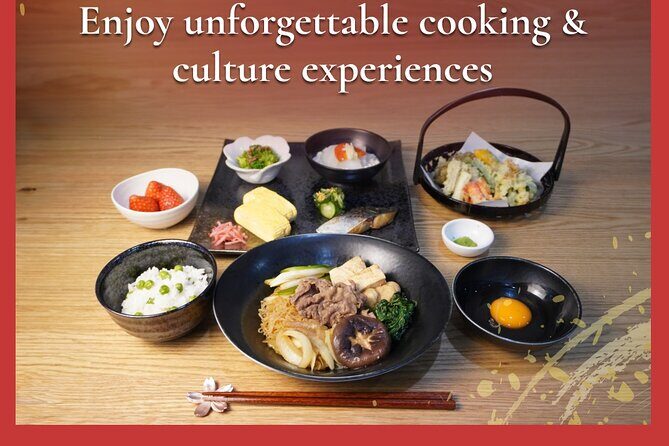
Course A: sukiyaki + tempura + rolled omelet style cooking
This course tends to teach you around comfort and texture. Suqiyaki is all about balancing sweetness and savory depth with a cozy, simmered feel. Tempura is the contrast—fry technique, light crunch, and timing. Rolled omelet (tamagoyaki-style) adds a different kind of control: heat management and gentle layering so it sets properly without turning rubbery.
Course B: wagyu roast beef bowl + chicken nanban + sashimi
This one leans into Osaka flavor with a mix of hot and cold. A wagyu roast beef bowl is basically the shortcut to big flavor: rich meat, a bowl-friendly format, and the comfort of Japanese plating. Chicken nanban brings in tang and crunch, since it’s typically built around a fried chicken base dressed with a sauce element. Sashimi brings you back to ingredient quality—how fresh fish taste isn’t hidden behind heavy cooking.
If you’re choosing based on what you’re craving, it’s pretty simple: want comfort and frying plus egg? Go Course A. Want a meal with rich beef, fried chicken with sauce, and fresh sashimi? Go Course B.
One more small point that matters: choosing your course ahead reduces decision fatigue during a trip. You won’t be standing there wondering what to request. Your reservation already shapes your experience.
The rice is the quiet star of the meal
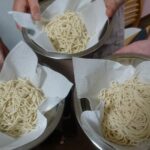
This class puts real emphasis on rice, and it’s not marketing fluff. They source Koshihikari rice directly from contracted farmers in Minami-Uonuma City, Niigata Prefecture, a leading rice-producing area. That matters because rice is the backbone of so many Japanese meals, from simple bowls to dishes that rely on broth and sauce.
When rice is good, everything tastes more coherent. You get a cleaner sweetness, better texture, and a finish that doesn’t feel flat. It also changes the way you judge the rest of the food. If the rice is excellent, you’ll notice more subtle differences in sauce balance and seasoning, because the rice isn’t dragging the meal down.
This is also one of the reasons the class feels “traditional home cooking” rather than just “make something Japanese.” A lot of cooking workshops skip the supply chain and use whatever rice is easiest. Here, the rice is part of the lesson plan. It’s a detail that makes the whole meal feel intentional.
Even if you never become a rice expert at home, you’ll come away with a more realistic sense of what good rice actually contributes.
Entering the rhythm: what the 2 hours actually feels like
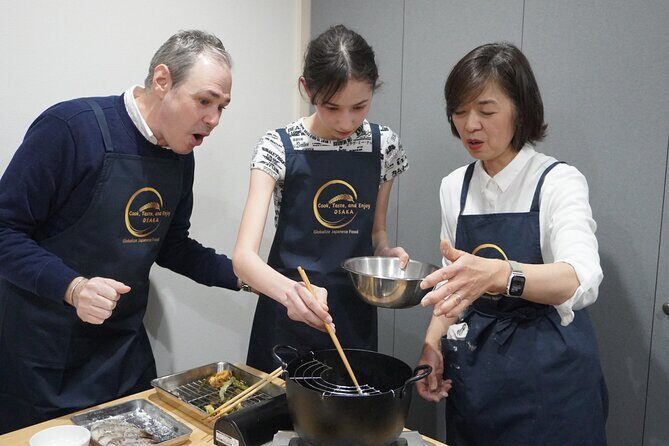
The class lasts about 2 hours and starts back at the meeting point. You’ll meet at 2 Chome-13 Nishishinsaibashi in Chuo Ward, a convenient Osaka area for getting around. Since it’s near public transportation, you can slot it into an itinerary without panicking about timing.
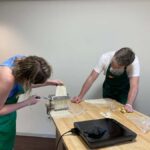
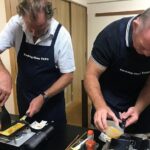
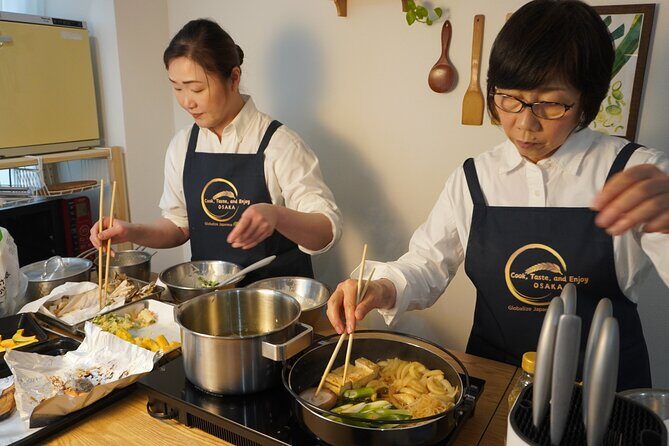
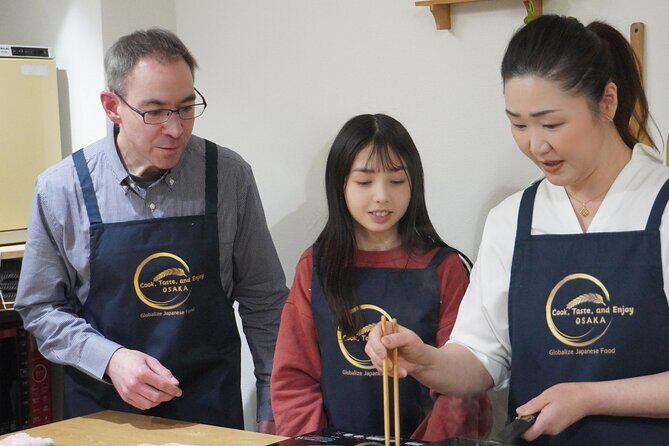
Once you’re there, expect a guided, hands-on flow:
- The staff cook alongside you, so you’re not left alone with a cutting board and a prayer
- You prepare your selected dishes together (two dishes per course)
- You taste and eat what you make, with the meal acting as part of the learning
The biggest difference from a typical class is the “fun” emphasis. The instructor is part teacher, part host. In feedback, people specifically noted how friendly the host was and how easy conversation felt thanks to strong English support. That matters, because cooking is stressful when you don’t understand. If you can talk through steps, you get better faster.
Also, the meal is designed around enjoyment, not strict timing. In a short trip, you don’t need a schedule that runs like a factory shift. You need a couple of focused dish-building blocks followed by a real sitting-down meal. This class fits that.
A quick note for pacing: two dishes in two hours means you should come with an open mind and not expect a super slow, step-by-step workshop. This is efficient learning. The upside is you get results quickly.
What you’ll cook (and what to watch for in your own technique)
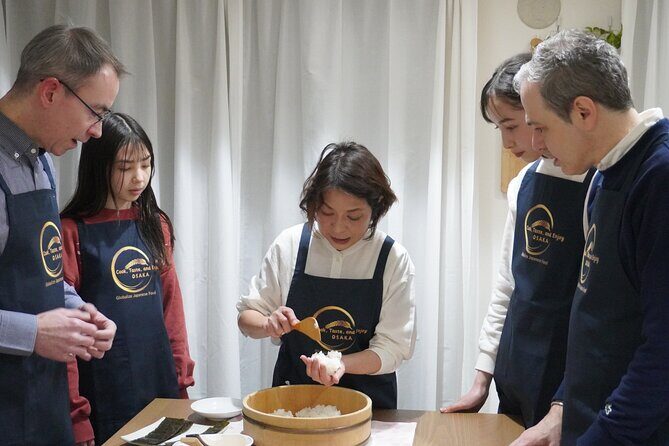
I’ll be honest: without seeing your exact station and the instructor’s specific method, I can’t promise the exact sequence of steps. But I can tell you what each dish type is likely training you to do.
For Course A, you’ll be working in three different “skill zones”:
- Sukiyaki: seasoning balance, simmering rhythm, and understanding that the sauce is the real flavor engine
- Tempura: fry timing and how to keep batter crisp instead of heavy
- Rolled omelet: heat control so layers set evenly without overcooking
For Course B, you’ll be mixing styles:
- Wagyu roast beef bowl: learning how rich meat pairs with bowl textures and sauce balance
- Chicken nanban: managing frying and then coordinating with the sauce element so it stays enjoyable
- Sashimi: appreciating freshness and how ingredient quality is part of the cooking lesson, even when there’s no cooking
No matter which course you choose, you’ll come away with two useful things. First, you’ll understand why Japanese home dishes taste the way they do—especially around seasonings and balance. Second, you’ll learn how to approach cooking with less fear, because someone skilled is standing right there guiding your hands.
And yes, the food matters. People gave top marks for the guidance, the chef’s kindness and skill, and the sense that the meal was genuinely delicious, not just “worth it for the experience.”




Drinks, alcohol, and the money side of the table
Price is listed at $104.51 per person, and the session runs about 2 hours in a small group (max 8). That sounds pricey compared to buying groceries. But cooking classes aren’t groceries. You’re paying for instruction, ingredient selection, and the convenience of having everything handled and portioned correctly.
Here’s how the value works in your favor:
- You get a structured, guided experience (not random cooking)
- You eat what you make, so the class includes a full part of your meal
- The ingredient focus includes premium rice sourcing from Niigata
Included drinks are straightforward: water is free, while other drinks are charged separately. Alcohol isn’t included. If you plan to drink, budget extra.
My practical take: if you want to learn while eating, and you’d otherwise spend money on a restaurant meal without learning anything, this class can feel like a smarter spend. You’re paying for knowledge plus dinner, and you’ll probably remember the flavors longer than a one-off plate you eat and forget.
Small group size and why it changes the whole vibe
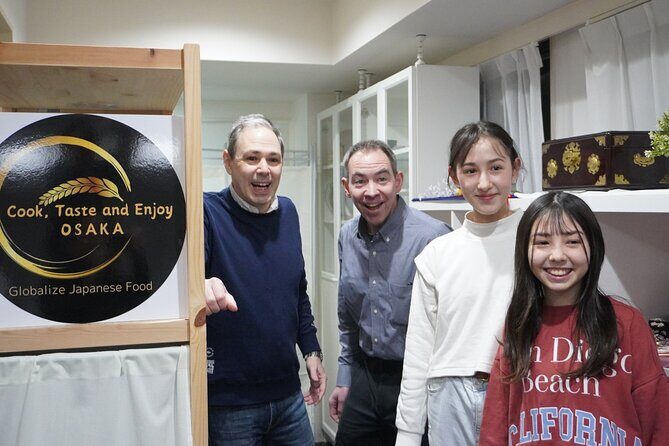
With a maximum of 8 travelers, you should expect a calmer environment than big group cooking events. That size matters because cooking needs feedback. If you’re unsure about timing, technique, or seasoning, you want a real chance to ask.
In feedback, people highlighted that the chef was skilled, helpful, and kind, and that the host was friendly and easy to talk to in English. That combination—skill plus communication—turns a cooking class from stressful to enjoyable.
There’s also a social rhythm built into “cook, taste and enjoy.” You’re working together, then sharing the meal. You get Osaka home-cooking energy without feeling like you’re in a formal restaurant where you only watch.
And if you’re someone who gets shy asking questions, the small size helps you feel less like you’re interrupting. You can ask, get an answer, and move on while the pan is still hot.
A cultural bonus: songs and instrument in at least one session
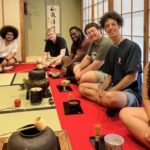
One standout detail from feedback was that the experience included songs and instrument, with performer Keiko positioned right in front of the group. That kind of add-on changes the tone. Instead of feeling like a pure culinary lesson, it becomes part performance, part meal.
Important note: the class description you provided doesn’t explicitly promise live performance every time. But since it happened during a reported session, it’s reasonable to think there may be a cultural element built into the experience. If you like your travel with a side of atmosphere—not just food—keep that in mind when you decide.
Where to go: Nishishinsaibashi makes it easy to fit into Osaka
You’ll start at 2 Chome-13 Nishishinsaibashi in Chuo Ward. That area is practical because it’s in the middle of things, so you’re not stuck planning a long transit just for dinner.
The class uses a mobile ticket, and it’s near public transportation. In real life, that means you can show up, check in, and get to cooking without a half-day logistics puzzle.
If you’re building an Osaka day around food, this can anchor your evening meal. Two hours is short enough that you can still do an after-dinner walk nearby if you want to.
Who this Osaka cooking class is perfect for
This works especially well if:
- You want traditional Japanese home cooking in a hands-on way
- You’re staying in Osaka for a short time and want a meal that teaches you something
- You’d rather cook with guidance than attempt cooking alone with a cookbook
- You’re choosing between a restaurant and an experience and want the experience to include eating
It’s also a good fit for couples and friends who enjoy working together in the kitchen. The format is structured, so you won’t feel scattered.
If you’re a hardcore chef who expects a long, technical workshop with deep equipment talk, you might find it too short. But if you want solid technique, real food, and a friendly instructor in under two hours, it’s a strong match.
Should you book? My quick decision guide
Book this class if you want a meal that feels genuinely Japanese and genuinely guided. The combination of seasonal ingredients, premium Niigata Koshihikari rice, and a small group with an English-friendly host makes it easy to have a good time without needing a cooking background.
Skip it if you’re looking for a long, multi-course cooking marathon or if you mainly want to drink your way through dinner (alcohol isn’t included, and drinks other than water cost extra). Also, if you strongly prefer observing over participating, this format is built for cooking with your hands.
For most people doing Osaka on a tight schedule, this is a high-hit-rate choice: you’ll eat well, learn enough to remember, and leave feeling like you experienced home cooking instead of just tasting a dish.
FAQ
How long is the cooking class?
It lasts about 2 hours.
What do I cook in Course A or Course B?
You choose Course A or Course B when you book. Both courses include making two dishes together. Course A features sukiyaki, tempura, and rolled omelet. Course B features a wagyu roast beef bowl, chicken nanban, and sashimi.
What drinks are included?
Water is free. Other drinks are charged separately, and alcohol is not included.
How many people are in the group?
The experience has a maximum of 8 travelers.
Where does the class start?
The meeting point is 2 Chome-13 Nishishinsaibashi, Chuo Ward, Osaka, 542-0086, Japan.
Do I need to print anything?
The tour uses a mobile ticket. Confirmation is received within 48 hours of booking, subject to availability.