REVIEW · SAPPORO
Chopsticks Making Experience in Sapporo
Book on Viator →Operated by 和do Studio Sapporo · Bookable on Viator
Forget postcards. Make something useful.
In Sapporo, this chopsticks workshop turns Japanese dining culture into a hands-on craft you can actually bring home. I like the start-to-finish flow (wood to finished pair), and I especially like that you get to choose your wood instead of getting a generic blank. One thing to plan for: you’ll be using hand tools and dealing with wood chips and dust, so wear clothes you don’t mind getting a little messy.
You’ll also get a real sense of what makes Japanese chopsticks special. You’ll learn why they’re built for everyday eating—thin, pointed tips for picking up small bites—and how chopsticks function as relationship gifts in Japan. The natural oil finishing step is a big part of the charm, because your pair comes out smooth and shiny in a way that feels personal.
If your goal is zero effort, this isn’t that. Shaping can take some arm and hand work, and the harder the wood you pick, the more that shows. Also, the class is capped at up to 6 people, so larger groups may need a short wait.
In This Review
- Key things I’d zero in on before you book
- Why Sapporo’s Chopstick-Making Feels Like a Real Japan Craft
- Getting Oriented at 和do Studio Sapporo (Meeting Point and Timing)
- What to Wear: Tools, Chips, and the Comfort Factor
- The Flow: From Wood Selection to Finished Chopsticks
- 1) Choose your wood
- 2) Introduction and preparation
- 3) Shaping the chopsticks
- 4) Sanding for comfort
- 5) Finish with natural oil
- 6) You’re finished
- Why the Instructor Experience Matters (And Who You’ll Meet)
- Wood Choice: Make It Personal, Not Random
- Shaping and Sanding: The Real Skill (Comfort Is the Point)
- Natural Oil Finishing: Where Looks and Protection Meet
- Price and Value: Is $42.35 Worth It
- Group Size and the Private-Tour Advantage
- Who This Workshop Suits Best (and Who Should Think Twice)
- Should You Book This Chopsticks Workshop?
- FAQ
- How long does the chopstick-making experience take?
- How much does it cost per person?
- Where does the experience take place?
- Is transportation included?
- What’s included in the price?
- Are meals included?
- How big is the group?
- Is it a private experience?
- What should I wear?
- What is the cancellation policy?
- When will I get confirmation?
Key things I’d zero in on before you book
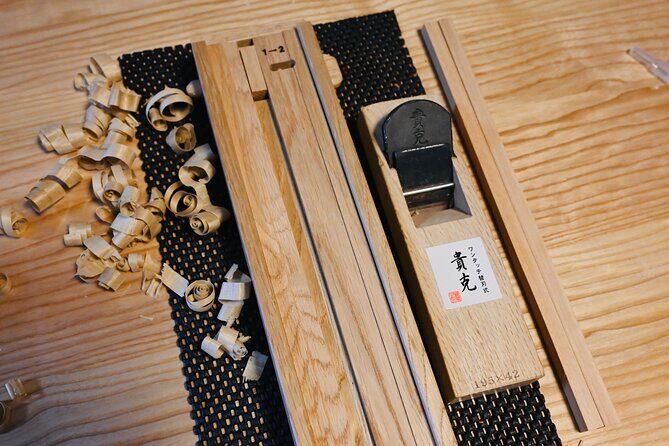
- Pick your own wood blank, with different colors and textures
- Use authentic Japanese-style tools, not just a craft-kit imitation
- Natural oil finishing for protection plus a clean shine
- Tools + apron provided, so you’re not hunting supplies
- Private group experience, not a crowded factory vibe
Why Sapporo’s Chopstick-Making Feels Like a Real Japan Craft
Japan’s chopsticks are more than dinner props. They’ve been part of Japanese food culture for more than 2,000 years, and the design details matter: wood is common, and the typical thin, pointed tip makes it easier to pick up small pieces of food. When you make chopsticks yourself, those ideas stop being trivia and start becoming a feel-you-in-your-hands craft.
That’s why this experience lands well. It’s not just “paint a souvenir.” You shape the actual form, sand it for comfort, and finish the wood with natural oil so it’s ready to use. I like that it gives you a souvenir with a story you can tell—where you chose the wood, how the toolwork felt, and how you made it comfortable to hold.
And there’s something quietly satisfying about doing a small, precise task for about an hour. This kind of workshop is a good counterweight to big-city sightseeing days.
You can also read our reviews of more tours and experiences in Sapporo.



Getting Oriented at 和do Studio Sapporo (Meeting Point and Timing)
The workshop happens at 和do Studio Sapporo in Chuo Ward, Minami 3 Jōnishi area. The meeting point is listed at:
和do Studio SapporoJapan, 060-0063 Hokkaido, Sapporo, Chuo Ward, Minami 3 Jōnishi, 9-chōme998 ICハイデンス
You’ll start there, and the activity ends back at the same meeting point.
In terms of timing, it runs about 1 hour (approx.). You’ll receive a confirmation at booking time, and the ticket is mobile, which is handy if you’re traveling light and don’t want to manage paper.
Two practical notes:
- The studio is near public transportation, so you’re not committing to a long taxi ride just for the workshop.
- It’s a private tour/activity, meaning only your group participates.
What to Wear: Tools, Chips, and the Comfort Factor
This craft is hands-on woodwork, and the studio warns you about what that means: wood chips and dust can fly. Aprons are provided, which helps a lot, but your clothing can still get speckled.
I’d plan on wearing:
- Comfortable clothes you’d be okay washing later
- Closed-toe shoes (good for standing and moving around the work area)
- Layers you can tolerate getting a bit messy
The comfort piece matters because shaping and sanding are physical. If you’re the type who hates even mild grime or stiffness, this might feel like a tradeoff. But if you go in prepared, it’s part of the fun.
The Flow: From Wood Selection to Finished Chopsticks
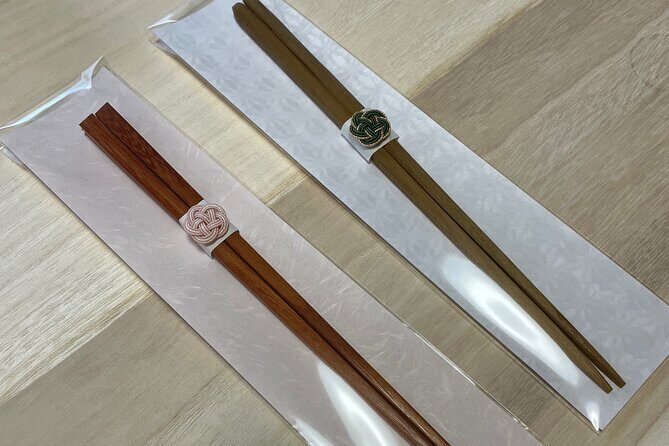
The workshop is straightforward, and that’s a compliment. You’ll go step by step, with an instructor bringing you through the tools and process.
1) Choose your wood
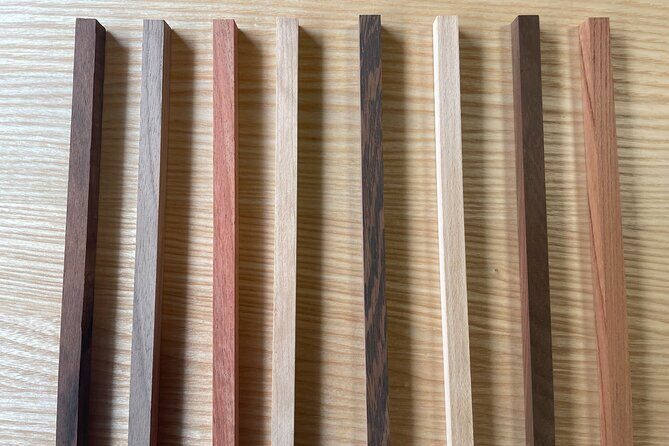
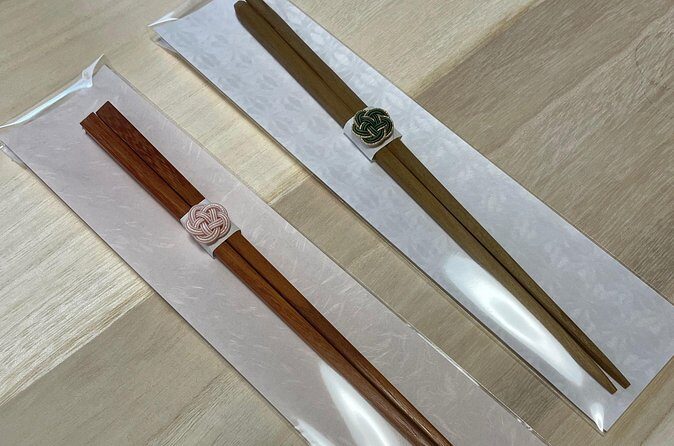
You start by selecting your favorite type of wood. Each variety has unique colors and textures, so your finished chopsticks won’t look like anyone else’s.
A tip I’d take seriously: choose wood based on both look and feel. Some woods are easier to shape and some take more force. One of the strongest takeaways from past participants is that the wood you select can affect how much your hands work during shaping.



2) Introduction and preparation
Next, you get a short explanation of the tools and how the process works. This is where you learn what each step is for—why shaping comes first, why sanding matters, and what the oil finish is doing beyond looks.
If you’re worried about not being “crafty,” don’t. The instructor’s job is to guide you through the method so you can focus on doing the work rather than guessing.
3) Shaping the chopsticks
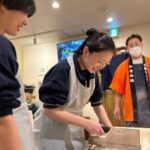
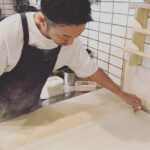
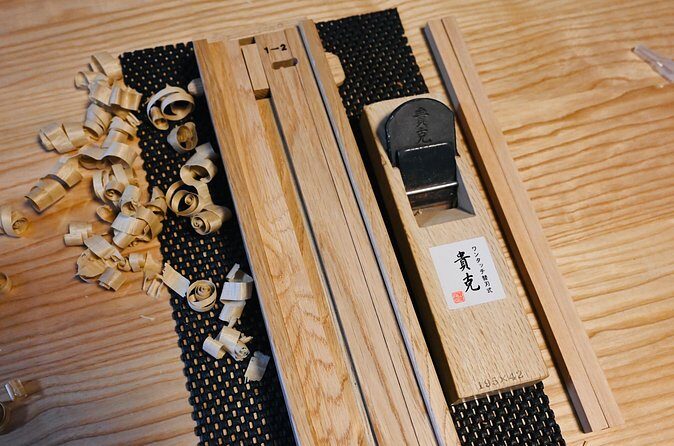
Then you shape the wood into the desired form. You’ll use planes to shape the wood. Planes are efficient, but they still take control, so you’ll likely move slowly and carefully rather than rushing.
This is the moment where your chosen wood shows its personality. Harder woods can demand more effort, and you’ll feel it in your forearms.
4) Sanding for comfort
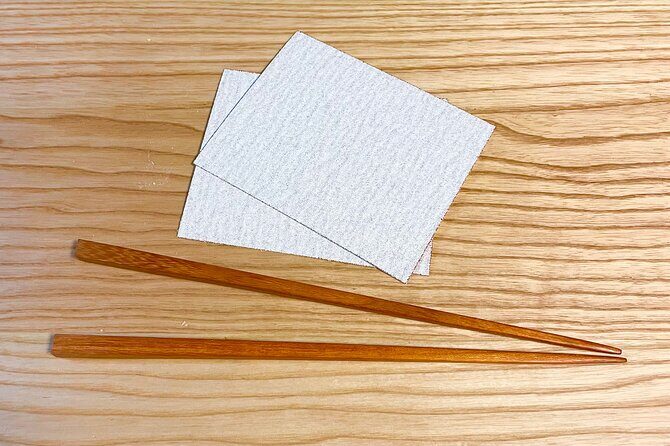
After shaping, you sand the surface for comfort. This step is about turning a blocky shape into something pleasant to hold and use. Even if you’re not thinking about “design,” your body will notice the difference once it’s smooth.
5) Finish with natural oil
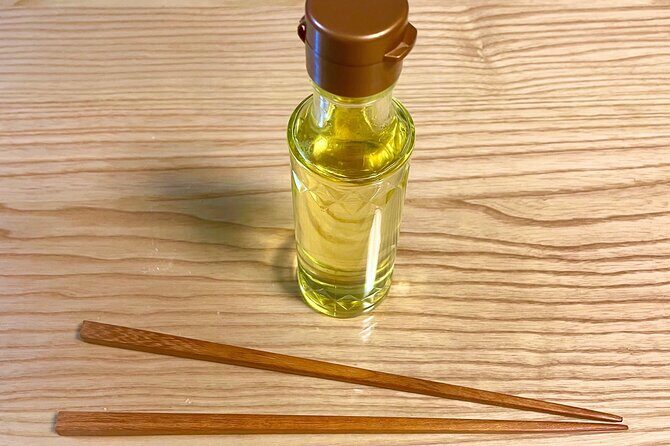
You then apply natural oil. The oil enhances the color and protects the wood, and it’s part of what makes the chopsticks shine when you’re done.
This step also adds that “real craft” finish. It looks like something you’d see in a careful Japanese home, not a quick tourist artifact.
6) You’re finished
At the end, your chopsticks are ready to take home. You get to leave with the completed pair—your souvenir, your story, and a useful object.
Why the Instructor Experience Matters (And Who You’ll Meet)
The workshop is hosted by 和do Studio Sapporo, and one name that comes up often is Erika. People describe her as warm, accommodating, and friendly, which matters in a workshop like this. When you’re learning a tool-based process, the vibe has to be calm. You should feel comfortable asking questions, not rushed.
Even better, the experience includes guidance through the tools and process, so you’re not left guessing at which way to hold a tool or how much pressure to use. That structure is a big part of why the workshop works well for first-timers.
Wood Choice: Make It Personal, Not Random
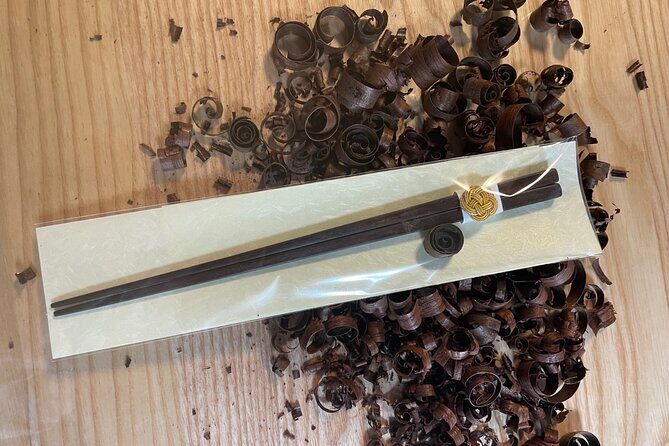
This workshop’s best feature is that you don’t just follow along with one preselected material. You get to choose the type of wood, and you can pick based on the look you want—color and texture.
Here’s how to think about it while you’re choosing:
- Choose the look you want to live with. This is what your chopsticks will look like every time you use them.
- If you prefer a lighter, easier shaping session, consider that some woods require more force than others.
- If you want a more dramatic texture, go for the character that wood offers—even if it takes a little more effort.
That’s the tradeoff. The wood selection turns the workshop from a generic souvenir into something customized.
Shaping and Sanding: The Real Skill (Comfort Is the Point)
Many craft souvenirs are “pretty at the end,” but not always comfortable in real life. Chopsticks have to be comfortable and functional, so shaping and sanding are the heart of the work.
Using planes teaches control. You’re creating the taper and basic form so it feels right in hand. Then sanding removes the roughness so it’s pleasant to hold and safe to use.
The comfort angle is important for two reasons:
1) It’s practical. Chopsticks that are too rough or poorly shaped aren’t enjoyable to use.
2) It’s how you measure your work. You’ll feel progress as the surface smooths out.
If your hands get tired, that’s normal. It’s still worth it, but pick wood that matches your energy level.
Natural Oil Finishing: Where Looks and Protection Meet
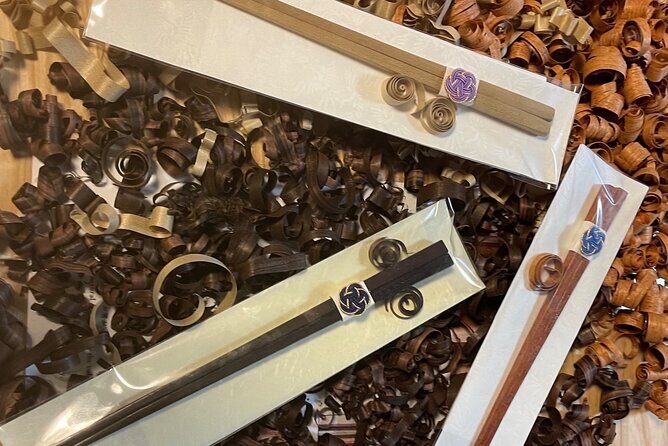
The final step—natural oil—does two jobs:
- It enhances the color and gives the finished wood that clean shine.
- It protects the wood, which is what you want for something you’ll actually handle and eventually use.
You’re not just making something decorative. You’re finishing it like a tool. That’s what makes taking the chopsticks home feel more meaningful than buying a boxed set.
Price and Value: Is $42.35 Worth It
At $42.35 per person for about an hour, this workshop is priced like a hands-on craft activity, not a high-end tour. The value comes from what’s included.
You get:
- Wood
- Tools
- An apron
You don’t get meals or transportation (so you’re responsible for your travel and food around it), but the core crafting supplies are covered. That keeps the cost honest. You’re paying for time with tools and an instructor-guided process.
What you take home is also a factor. Store-bought chopsticks can be cheap, but they don’t come with the story of choosing your wood, shaping the form, sanding it smooth, and finishing it with oil. This is the kind of souvenir that doesn’t clutter a shelf—it belongs in your kitchen drawer once you get home.
If you enjoy practical crafts and want something more personal than a standard shopping stop, the price feels fair.
Group Size and the Private-Tour Advantage
The experience accommodates up to 6 people. If you’re with a larger group and don’t mind waiting a little, they may be able to fit more than 6 with some scheduling flexibility.
The big win is that it’s private. Even if there are other groups in the studio area, your session is only for your group. That tends to mean more attention, fewer distractions, and less pressure.
So if you’re traveling with a spouse or friends and want an activity that’s structured but not stiff, this fits nicely.
Who This Workshop Suits Best (and Who Should Think Twice)
This is a strong choice if you:
- Want a hands-on souvenir you’ll remember
- Like Japanese food culture beyond restaurants and menus
- Enjoy calm activities with clear steps
- Prefer private, guided experiences over crowded group tours
It might be a less perfect match if you:
- Have limited comfort with manual work (shaping can be physical)
- Get bothered by wood dust or chips (even with an apron, it’s part of the setup)
- Want something completely low effort
Also, most travelers can participate, but it’s still smart to wear comfortable clothes and be ready for a bit of mess.
Should You Book This Chopsticks Workshop?
I think you should book it if you want your Sapporo trip to include a craft you can hold in your hands. The combination of choosing your wood, shaping with tools, and finishing with natural oil makes the souvenir feel legitimate, not symbolic.
If you’re the kind of traveler who loves small cultural details—how chopsticks are designed, why they’re made of wood, and how they connect to relationships—this experience gives you that context in a practical way. Just go prepared with comfy clothing, a willingness to work with your hands, and realistic expectations that you’ll earn the smooth finish.
FAQ
How long does the chopstick-making experience take?
It takes about 1 hour (approx.).
How much does it cost per person?
The price is $42.35 per person.
Where does the experience take place?
It takes place at 和do Studio Sapporo, in Sapporo (Chuo Ward, Minami 3 Jōnishi area). The start and end point are the same.
Is transportation included?
No. Public transportation and private transportation are not included.
What’s included in the price?
Wood, tools, and an apron are included.
Are meals included?
No meals are included.
How big is the group?
Up to 6 people can join. If you don’t mind waiting a little, they may be able to accommodate groups of more than 6.
Is it a private experience?
Yes. Only your group will participate.
What should I wear?
Wear comfortable clothes. Wood chips and dust may fly around, and aprons are provided. Plan for your outfit to get a little messy.
What is the cancellation policy?
Free cancellation is available up to 24 hours in advance for a full refund.
When will I get confirmation?
You’ll receive confirmation at the time of booking.