REVIEW · KANAZAWA
Day Tour from Kanazawa: Gold Leaf, Japanese Sweets and Ninja Star
Book on Viator →Operated by Snow Monkey Resorts Tours (Machinovate Japan Ltd.) · Bookable on Viator
Gold leaf and ninja stars in one day.
This Kanazawa tour mixes hands-on craft time with real neighborhood walking, and I love how the gold leaf pasting turns something you usually just photograph into a skill you practice. I also like the energy of the ninja star experience, where you actually throw two different types and feel the difference right away.
One thing to consider: it’s an all-day stretch (about 8.5 hours) with a lot of walking, so you’ll want solid shoes and a snack plan since lunch isn’t included.
In This Review
- Key highlights you’ll feel fast
- A hands-on Kanazawa day: gold leaf, sweets, and shuriken
- Getting started at Kanazawa Station and pacing for an 8.5-hour route
- Omicho Market and Higashi Chaya: starting the day in old-town contrast
- Gold leaf pasting at Katani: your hands on the shine
- Japanese sweets making at the Ishikawa Local Products Center
- Temples and shrine pathways: Ishiura Shrine, D.T. Suzuki Museum, and Teramachi
- Ninja Weapon Museum: learn the legend, then throw two types
- Higashi Chaya to Nishi Chaya: geisha districts in two moods
- Katamachi nightlife streets to wrap the day
- Price and value: what you’re really paying for
- Who should book this tour, and who should skip it
- FAQ
- What time does the tour start in Kanazawa?
- How long is the tour?
- Where does the tour meet and end?
- Is lunch included?
- What’s included in the price?
- Do I need a paper ticket?
- How big is the group?
- Is cancellation possible if plans change?
- Is the tour suitable for most people?
- What languages are supported?
Key highlights you’ll feel fast
- Gold leaf pasting workshop with professional help if you mess up the placement
- Japanese sweets making where you make your own treats to match the matcha flavors you’ve been seeing in Japan
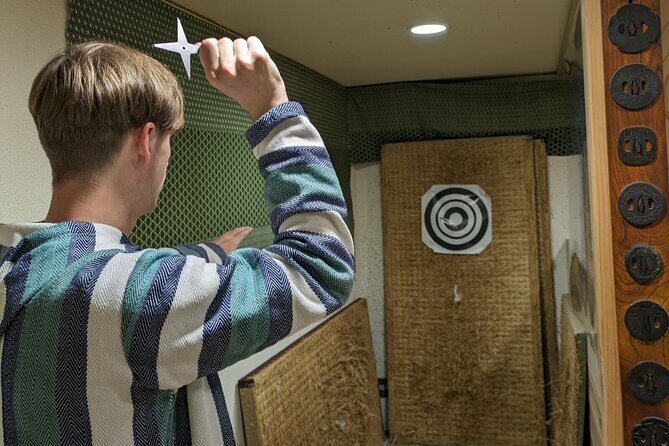
- Two types of shuriken/throwing stars at the Ninja Weapon Museum
- Geisha district atmosphere in both Higashi Chaya and Nishi Chaya
- Temple-walk back routes in Teramachi that feel quiet and maze-like
- A small group size (max 20) for a calmer pace through workshops and museums
A hands-on Kanazawa day: gold leaf, sweets, and shuriken
If your Kanazawa plan has more looking than doing, this tour fixes that. You’ll spend the day moving through classic city sights, but the heart of it is practical: three workshops/experiences where you’re not just watching. You’re placing gold onto a plate, making Japanese sweets, and practicing throwing ninja stars at a museum built for that.
The value here is simple. Most “sightseeing only” days show you the highlights. This one adds a maker component, so you leave with the memories that come from your hands doing the work. The tour also leans into Kanazawa’s personality—craft culture plus old street districts—rather than treating the city like a quick checklist.
And yes, the ninja part is genuinely fun. The museum includes entry and the throwing experience, with two different throwing star types so you can compare feel and technique.
You can also read our reviews of more tours and experiences in Kanazawa.



Getting started at Kanazawa Station and pacing for an 8.5-hour route
You start at Kanazawa Station at 8:30am, and the tour runs about 8 hours 30 minutes. It’s set up like a guided “walk with stops” day: you’ll move between neighborhoods, then pause for workshops, then walk again.
A heads-up for your body: one review notes around 8 miles of walking. That matches the route style here, with multiple districts and back-road temple areas. Take that seriously. Comfortable shoes will matter more than any outfit choice.
Another practical point: lunch isn’t included. You’ll have free time in markets and neighborhoods, so plan to grab something small, or eat in the evening after the tour ends back at the meeting point.
Finally, this is a small group with a maximum of 20 travelers, which helps with workshop flow and gives your guide an easier time managing the pace.
Omicho Market and Higashi Chaya: starting the day in old-town contrast
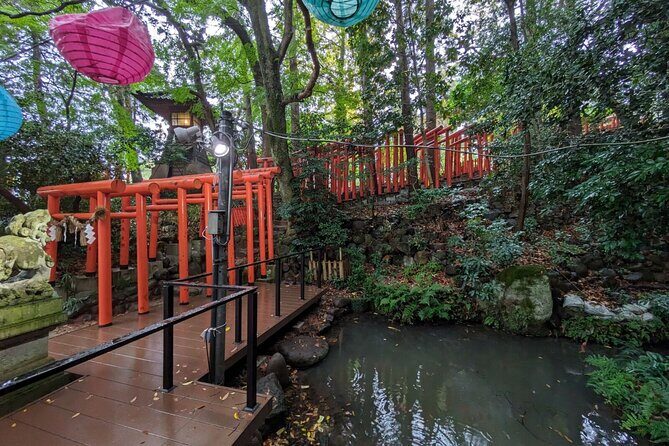
The tour begins with a walk toward Omicho Market. Expect a contrast between modern high-rises and older buildings as you approach the market area. You get about an hour here, and the point isn’t only shopping—it’s orientation. You’re setting your bearings for Kanazawa’s layout so later districts feel connected rather than random.
Omicho Market also makes a nice place to snack or buy something small if you want an early boost. Even if you don’t buy much, it’s useful to see the energy of a working market.
From there, you shift into Higashi Chaya District. You have roughly 1 hour 20 minutes, and the walk is framed by atmosphere—old-style streets, including a bridge and that former temple district feel on the hillside. This is where Kanazawa looks and feels especially “intentional,” like the city wants you to slow down and notice details rather than rush through.
Possible drawback: both Omicho and Higashi Chaya are popular areas, so they can feel busier than some of the quieter back streets later in the day. Still, the way the tour mixes them with workshop stops helps keep it from feeling like you’re just stuck in crowds.
Gold leaf pasting at Katani: your hands on the shine
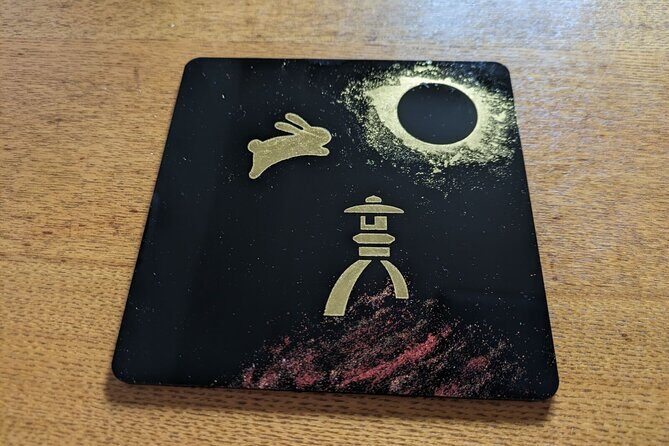
The first true workshop is Kanazawa Katani Gold Leaf Pasting Experience. You’ll get about 1 hour, and the focus is gold leaf placement on a plate. This is exactly the kind of activity that upgrades your understanding of why Kanazawa is famous for the craft.
What I like about this setup is the safety net. The tour notes that professional assistants can fix just about anything if you make a mistake. That matters because gold leaf can sound intimidating. Here, it’s more about learning the process than being perfect.
How this usually plays out in a gold leaf workshop style like this: you learn the basic handling, you place the gold carefully, and you end up with a finished piece you can treat as a souvenir that’s actually handmade. Even if you’re not artsy, you’ll get a real result.
Practical tip: even though it’s a workshop, you’re still outdoors around the route. Keep your day bag simple and wear something comfortable. Your attention will be on the placement work, not on managing a bunch of gear.
Japanese sweets making at the Ishikawa Local Products Center
Next comes the part that tastes like your entire Japan trip: Japanese Sweets Making Experience at the Ishikawa Local Products Center. You’ll have about 1 hour 30 minutes.
The concept is straightforward and smart. You’re making sweets you’ve likely seen in Kanazawa—particularly with matcha flavors—so you connect what you ate with how it’s made. The tour also says there are different kinds, which means you can sample a range of textures and tastes rather than producing one identical item and calling it a day.
This workshop is also a good “breather” in the itinerary. After walking around markets and districts, having structured time seated at a crafting table gives your legs a reset. It’s one of the best ways to keep the day enjoyable instead of exhausting.
What to consider: you’ll finish this workshop and then keep walking to more districts. If your sweets are filling, you may want to plan for lighter dinner later in Katamachi.


Temples and shrine pathways: Ishiura Shrine, D.T. Suzuki Museum, and Teramachi

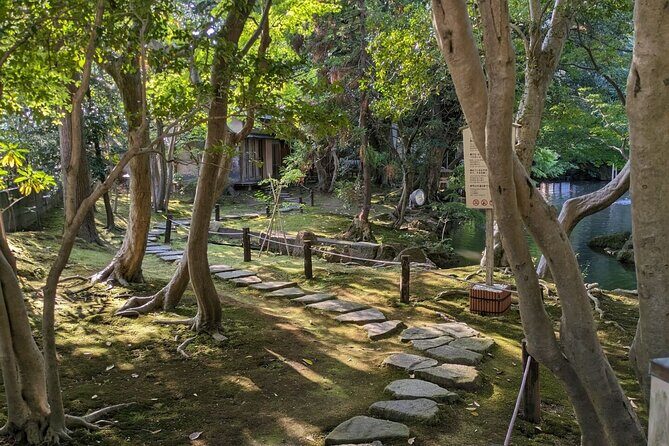
One of the more thoughtful parts of the route is the shift toward spirituality and quiet streets. You stop at Ishiura Shrine, with walking time around about 1 hour 20 minutes. Along the way, the itinerary includes outdoor art, and it also mentions visits/passing to D.T. Suzuki Museum and Shofukaku, before you move toward a temple district on the west side.
Even if museums aren’t your top priority, this segment helps you understand Kanazawa beyond craft and geisha imagery. It’s also a chance to slow down with your guide’s explanations while the walking stays steady.
Then you continue to Teramachi Temple Area for about 30 minutes. This is where the tour’s wording matters: it describes the streets as maze-like and notes a peaceful atmosphere. That’s the kind of environment where you start noticing how old city planning shapes movement—short cuts, stairways, and tight lanes that make the place feel lived-in rather than staged.
Possible drawback: temple areas often mean uneven surfaces and lots of stairs. The tour says most travelers can participate, but you’ll still want to keep your pace comfortable.
Ninja Weapon Museum: learn the legend, then throw two types
The standout action stop is the Ninja Weapon Museum. You get about 1 hour, and this is where the tour becomes interactive in a very direct way.
You’ll learn more about ninjas at the museum, then you’ll try throwing two different types of throwing stars. The experience is included, including museum entry and the shuriken experience.
This is the part I’d point to first if you’re deciding whether the tour is worth it for the “ninja theme.” Because this isn’t just a photo stop with a costume. You’re doing a skill—throwing—and getting instant feedback from the physical reality of it.
If you like hands-on learning, this is the strongest match. If you hate physical activities, keep in mind this is still mostly a guided session, not an all-out workout. Still, your arms will feel it a little.
Higashi Chaya to Nishi Chaya: geisha districts in two moods
After the ninja museum, you arrive at Nishi Chaya District for about 20 minutes. It’s the second major geisha area on the tour, giving you a comparison: Higashi Chaya earlier in the day versus Nishi Chaya near the finish.
The time is short, but the value is that the tour doesn’t leave you with only one district to remember. You’ll notice differences in street feel and atmosphere simply by moving between them as part of the same day.
I like that this section keeps the day from ending on a loud or purely theatrical note. Instead, it finishes with atmosphere and wandering, which matches the earlier theme of walking through old neighborhoods rather than rushing between ticketed attractions.
Katamachi nightlife streets to wrap the day
Your final stop is Katamachi, about 30 minutes. This area is described as a nightlife zone, and the streets are noted for looking like they come from an old 1970s film.
That makes Katamachi a fun end-cap. The tour ends back at the meeting point (Kanazawa Station area), so you can head straight to dinner or decide to linger if you’re still feeling good on your feet.
Since lunch wasn’t included, this is also a practical moment. If you haven’t eaten yet, Katamachi is a logical place to switch gears from craft and museums to a proper meal.
Price and value: what you’re really paying for
At $173.96 per person, this isn’t a budget half-day. But the pricing starts to make sense once you look at the day as a package of experiences.
You’re paying for:
- A guided route through several neighborhoods (not just a single workshop)
- Included gold leaf workshop time
- Included Japanese sweets making workshop time
- Included Ninja Weapon Museum entry plus the throwing experience
That’s three major “you do it” components, not just one. Add in the small group size (max 20) and a full-day guided walking structure, and the cost becomes easier to justify—especially if you’re in Kanazawa for a limited number of days and want maximum learning per hour.
Could you do these activities separately? Maybe, but it would likely take more planning and time. Here, your guide handles the flow and keeps the pacing human.
The biggest value test for you is comfort with the walking. If you’re okay with the reported ~8 miles and you’re excited by the hands-on crafts, the price feels more like payment for time and coordination than just entrance fees.
Who should book this tour, and who should skip it
You should book if you:
- Want crafts you can take home (gold leaf and sweets)
- Like practical experiences more than photo stops
- Are curious about Kanazawa’s old districts, including both Higashi Chaya and Nishi Chaya
- Enjoy a bit of playful action with the two throwing star session
You might skip or choose something lighter if you:
- Don’t want a long walking day (the route style adds up)
- Need lunch included in your plans, since the tour doesn’t provide it
- Prefer sitting-heavy attractions over workshops and movement
This is also a good pick for first-time visitors to Kanazawa who want a guided overview without staying stuck in only the most famous streets.
FAQ
What time does the tour start in Kanazawa?
It starts at 8:30am at Kanazawa Station.
How long is the tour?
The duration is about 8 hours 30 minutes.
Where does the tour meet and end?
You meet at Kanazawa Station and the activity ends back at the meeting point.
Is lunch included?
No. Lunch is not included.
What’s included in the price?
Included items are an English speaking guide, Gold Leaf Experience, Japanese Sweets Making Experience, and Ninja Museum Entry Free and Shuriken Experience.
Do I need a paper ticket?
You’ll have a mobile ticket.
How big is the group?
The maximum group size is 20 travelers.
Is cancellation possible if plans change?
Yes. You can cancel for a full refund up to 24 hours before the experience’s start time.
Is the tour suitable for most people?
The tour notes that most travelers can participate.
What languages are supported?
The guide is English speaking.
Should you book: yes, if you want a maker day
If you want Kanazawa in a single pass that mixes craft, food culture, and playful action, this is a strong choice. The highlights are the gold leaf pasting, making your own Japanese sweets, and the throwing star session—all built into a guided walk through key old districts like Higashi Chaya and Nishi Chaya. Just budget for your own lunch and bring shoes you trust, because the city walking adds up.