REVIEW · TOKYO
Freely set up plans Guided Private Tours in Tokyo
Book on Viator →Operated by Fulfilling Inc. · Bookable on Viator
Tokyo can feel like sensory overload. This private tour gives you a handle on it fast. You get an English-speaking guide who plans a route around your interests, then gets you from spot to spot using Tokyo’s public transit system.
Two things I like right away: the private-group setup (it’s only your group) and the way the day mixes major sights with local culture, from Tsukiji’s food energy to the calm of Meiji Jingu and Hamarikyu Gardens. The schedule is flexible too, with multiple start times and a 4 to 10 hour window.
One consideration: you’ll still walk a lot, and Tokyo transit can mean steps and stairs. If mobility is a concern, plan for extra time and tell your guide early so the route can be adjusted.
In This Review
- Key highlights that make this tour worth your time
- Tokyo in One Day, Minus the Guesswork
- Value Check: What You Pay For (and what you won’t)
- How the Tour Works: Private Group, Public Transit, Mobile Tickets
- The Stops: From Tsukiji’s Food Pulse to Senso-ji’s Temple Atmosphere
- Tsukiji Jogai Market (about 1 hour, admission free)
- Senso-ji Temple in Asakusa (about 1 hour, admission free)
- Skytree and Shibuya: Big Views and the City’s Traffic Rhythm
- Tokyo Skytree (about 1 hour, admission not included)
- Shibuya Crossing (about 30 minutes, admission free)
- Meiji Jingu and Tokyo Tower: Sacred Calm and Retro City Energy
- Meiji Jingu Shrine (about 1 hour, admission free)
- Tokyo Tower (about 1 hour, admission not included)
- Ueno Zoo, Shinjuku Gyoen, and the Garden Reset
- Ueno Zoo (about 2 hours 30 minutes, admission not included)
- Shinjuku Gyoen National Garden (about 1 hour, admission not included)
- Animal Cafes and East Tokyo Gardens: For When You Want Tokyo’s Soft Side
- Owl cafe Tokyo Akiba Fukurou (about 1 hour, admission not included)
- Chiku Chiku Cafe (about 1 hour, admission not included)
- Hamarikyu Gardens (about 1 hour, admission not included)
- East Gardens of the Imperial Palace / Edo Castle Ruin (about 1 hour, admission not included)
- What the Best Guides Do for You (using real names as examples)
- Practical Tips: Shoes, Rain Strategy, and How to Avoid Wasted Walking
- Who This Private Tokyo Tour Fits Best
- Should You Book This Private Tokyo Highlights Tour?
- FAQ
- How long is the Tokyo private tour?
- What attractions are included in the plan?
- Are admission tickets included?
- Do you get hotel pickup?
- Is this tour private?
- What if I need to cancel?
Key highlights that make this tour worth your time
- Hotel lobby pickup in Tokyo 23 wards means less first-day scrambling
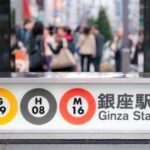
- Public transport navigation helps you avoid the subway maze
- Flexible length and start times let you build the day you actually want
- Iconic stops with no-admission options at Tsukiji (Jogai Market) and Senso-ji reduce ticket hassle
- Cute animal cafe add-ons (owl and hedgehog cafes) for people who want more than photos of temples
- Guide-level troubleshooting when it rains or crowds hit hard
Tokyo in One Day, Minus the Guesswork
If it’s your first time in Tokyo, the hardest part isn’t seeing the sights. It’s deciding what to do and how to get there without burning your whole day on transfers. This tour tackles that head-on by having a guide build your itinerary and handle the route between neighborhoods.
What you get is a day that feels like Tokyo with training wheels. You still experience the real places, but you’re not spending your energy figuring out which train line to trust. And because it’s private, your pace stays in your hands—within reason, Tokyo is still Tokyo.
You can also read our reviews of more guided tours in Tokyo

Value Check: What You Pay For (and what you won’t)
The price is $132.14 per person for a 4 to 10 hour private outing. That can feel steep if you’re comparing it to buying individual attraction tickets. But here’s the catch: a big part of the cost is the guide plus the logistics. You’re paying for the person who knows how to move you through a complex city and keep the day working even when crowds swell.
Also, some stops do not require an admission ticket. Tsukiji Jogai Market and Senso-ji Temple are listed as free admissions. Shibuya Crossing and Meiji Jingu are free too. So your spending can stay mostly “guide + transit,” with you adding paid attractions only if you want them.
Two things to watch:
- Admissions aren’t included for most major paid venues and the animal cafes.
- Your final cost depends on which optional stops your guide includes within your time window.
How the Tour Works: Private Group, Public Transit, Mobile Tickets

This isn’t a bus loop. It’s a private tour/activity, so only your group participates. That matters in Tokyo, where crowd flow changes block by block and train platforms can get packed.
You also get meeting in the hotel lobby for locations within Tokyo’s 23 wards. That’s a practical upgrade over hunting for a meeting point in a busy station.
Then comes the smartest piece: public transportation to/from the sights, handled by the guide. Tokyo’s transit is efficient, but it can be confusing for newcomers. Having someone route you means you’re not guessing at the right exit, platform, or transfer timing.
You’ll also use a mobile ticket, which keeps day-of life simpler. Less paper. Less fumbling.
The Stops: From Tsukiji’s Food Pulse to Senso-ji’s Temple Atmosphere
Tsukiji Jogai Market (about 1 hour, admission free)
Tsukiji is famous for food, and the Jogai Market side is where you see that food energy up close. Think wholesale-meets-retail, snackable street stalls, and an easy way to understand how Tokyo treats ingredients like culture.
This is a great first stop because it wakes up your senses without requiring you to buy a paid ticket. It’s also a strong “tone setter.” Your guide can point out what to look for, how vendors work, and how to order or browse in a low-stress way.
Possible drawback: it can be busy. If your group hates crowds early in the day, you’ll want to be ready to move briskly.
You can also read our reviews of more private tours in Tokyo


Senso-ji Temple in Asakusa (about 1 hour, admission free)
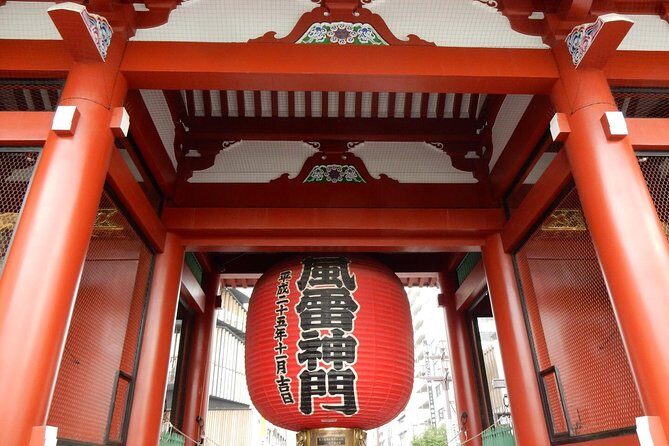
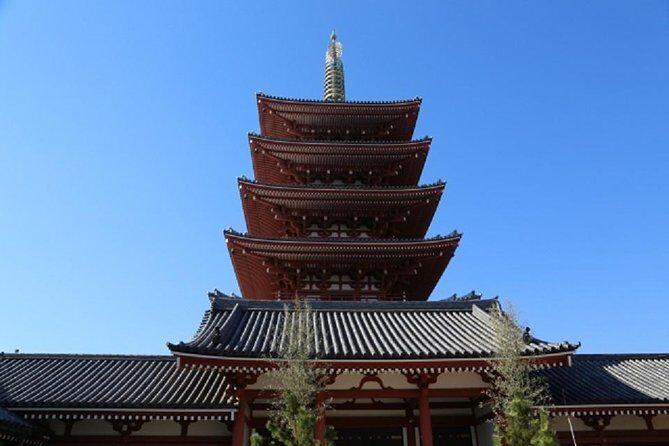
Then you shift from food chaos to temple history. Senso-ji is one of Japan’s best-known temples, and within the grounds you’ll find notable historic structures like the five-story pagoda and the Hozo-mon Gate.
This stop works well after Tsukiji because the mood changes fast. You get a “Tokyo day” that has texture: commerce and tradition side by side.
Skytree and Shibuya: Big Views and the City’s Traffic Rhythm
Tokyo Skytree (about 1 hour, admission not included)
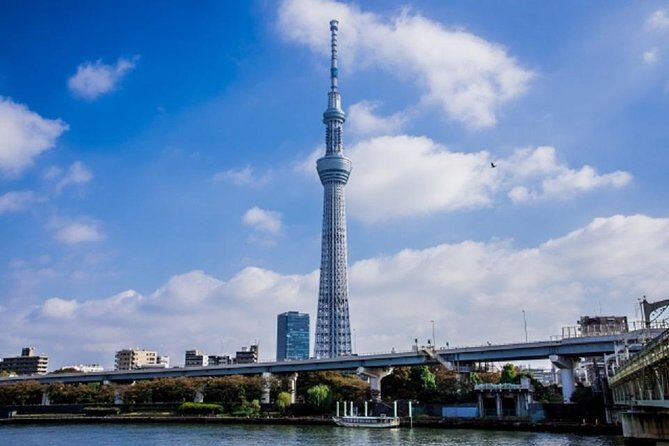
Skytree is the skyline centerpiece, and it’s listed as the world’s tallest tower at 634 meters. Observation areas are at 340 meters and 450 meters above ground, so you’re not just getting one view—you’re getting options.
This is ideal if you want a “map in your brain” moment. Tokyo is huge, and height helps you understand what goes where—especially if your day also includes neighborhoods like Shibuya and Shinjuku.
Possible drawback: it’s an added ticket, so your budget depends on whether you choose to include it.
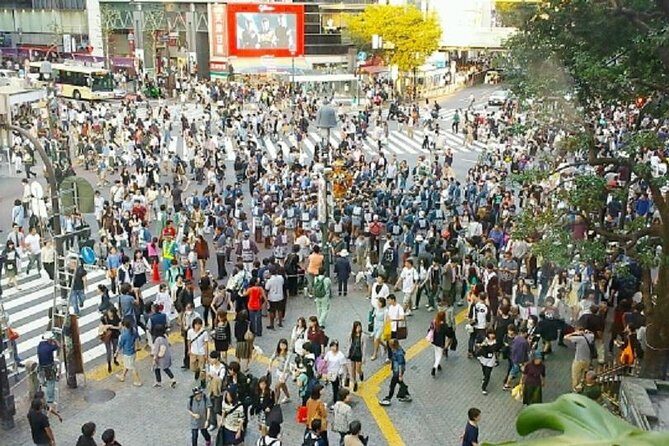
Shibuya Crossing (about 30 minutes, admission free)
Shibuya Crossing is quick and iconic. It’s famous for the scale of pedestrian movement, and it’s one of those places where you can stand back and watch how Tokyo moves like a system.
This isn’t a long visit. It’s more like a snapshot stop—perfect when you need a break from temple time and a reset before the next cultural zone.
Meiji Jingu and Tokyo Tower: Sacred Calm and Retro City Energy
Meiji Jingu Shrine (about 1 hour, admission free)
Meiji Jingu Shrine, built in 1920, honors Emperor Meiji and Empress. It’s also a place where worshipers and visitors come year-round, which gives it a steady, lived-in feel rather than a purely touristic vibe.
This stop balances the day nicely. After the frantic visual intensity of downtown areas, you get a calmer pace and a more reflective mood.
Tokyo Tower (about 1 hour, admission not included)
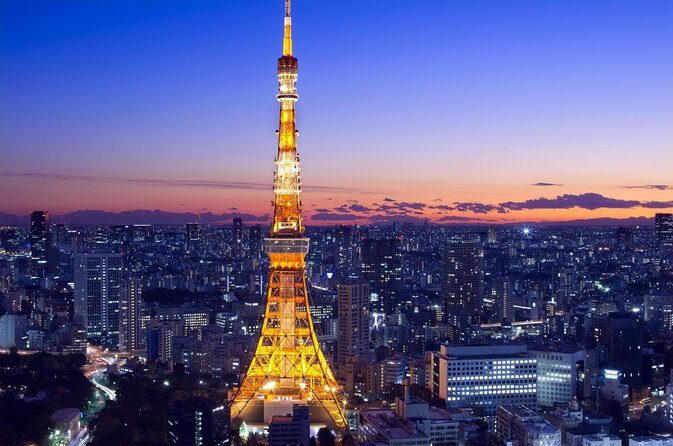
Tokyo Tower is a 1958 radio tower and stands 333 meters tall. If you like photography or skyline nostalgia, it’s a good choice.
There’s also mention of a view cafe and a smaller shrine area at the tower, which can add variety beyond just looking out at the city.
Possible drawback: it’s another paid stop. If you’re doing a tight 4-hour day, you might choose to swap it out.
Ueno Zoo, Shinjuku Gyoen, and the Garden Reset
Ueno Zoo (about 2 hours 30 minutes, admission not included)
Ueno Zoo has a long history, opened as Japan’s first zoo in 1882. The tour description highlights animal variety, including rare species like the Sumatra tiger.
This stop is a strong fit if your group includes families or anyone who gets a little restless during temple-heavy days. It’s also longer than many other segments, which can make the day feel less rushed.
Possible drawback: zoo time can be unpredictable depending on crowds and your group’s energy level. If your time window is short, consider whether Ueno will swallow your day.
Shinjuku Gyoen National Garden (about 1 hour, admission not included)
Shinjuku Gyoen is described as a blend of garden styles: a well-formed garden, a landscaped garden, and a Japanese garden. It was built as an imperial garden in 1906 and remains a major reset button on Tokyo itineraries.
This is the stop I’d pick if you want to step out of the neon and get back to breathing room. Gardens also reward slow walking, and your guide can help you spot the best paths for the time you have.
Animal Cafes and East Tokyo Gardens: For When You Want Tokyo’s Soft Side
Two stops in the itinerary add a very modern Tokyo flavor: animal cafes.
Owl cafe Tokyo Akiba Fukurou (about 1 hour, admission not included)
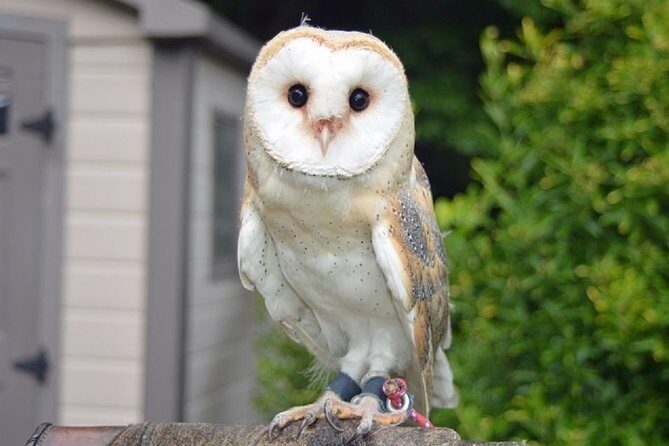
This is a café built around interacting with owls. It’s described as a place where people go to relax and smile, and it fits well if your group likes playful, quirky experiences.
Practical note: animal cafes can have limited operating hours or be affected by factors outside your control. If it’s closed on the day, you’ll want your guide to handle alternatives so your time doesn’t stall.
Chiku Chiku Cafe (about 1 hour, admission not included)
This café focuses on interacting with hedgehogs, with a detail that it serves drinks and isn’t open for lunch or dinner.
If you’re planning a longer day, these cafes can break up the walking-heavy schedule and create a fun memory that isn’t tied only to famous buildings.
Hamarikyu Gardens (about 1 hour, admission not included)
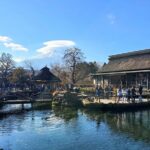
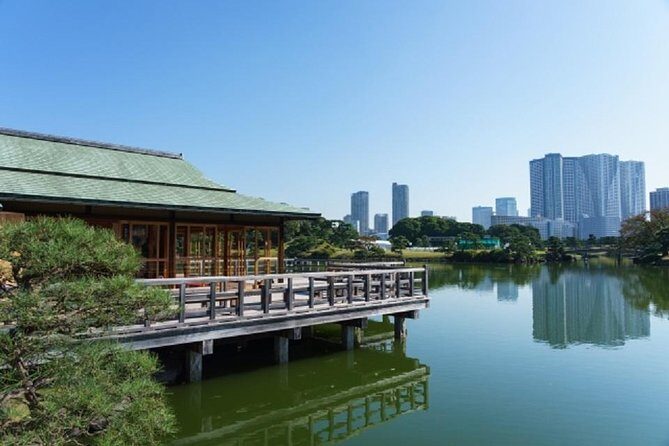
Hamarikyu Gardens are built around Shioiri Pond and described as surrounded by a seawater moat filled by Tokyo Bay. It’s a garden with water energy, and it’s a good “end-of-day calm” choice.
If your legs are getting tired, gardens are also a smart place to slow down without feeling like you’re wasting time.
East Gardens of the Imperial Palace / Edo Castle Ruin (about 1 hour, admission not included)
This area sits in Chiyoda Ward and connects back to the Tokugawa period, when the palace grounds were used during that era. Today you’re visiting the East Gardens and associated historical spaces within the imperial precincts.
This is the closing type of stop that gives your day a historical arc. After markets, towers, and city corners, you end with a sense of Tokyo’s political and cultural roots.
What the Best Guides Do for You (using real names as examples)
The tour’s biggest “secret ingredient” is the guide’s ability to keep your day readable. In the supplied experiences, guides such as Kono, Yumi, Funiko, Akiri, Noby, Yoshi, Yumiko, Yoki, Yoshio, and Umi show a pattern: they don’t just point. They explain, pace, and adjust.
Here’s what that looks like in practical terms:
- They help you use the subway system without getting lost.
- They adapt when rain hits. You’ll still get wet, but your day stays moving.
- They pay attention to group flow, like keeping a larger group together and checking that everyone is still accounted for.
- They can tailor the day to your personal interests, including food stops like a sushi lunch (mentioned as part of some outings).
- They think about comfort needs, including well-timed breaks and water in the middle of a long day.
One caution based on the experience set: English can vary by guide, and one person reported difficulty understanding their guide. If language clarity is a must-have for you, you might want to confirm what English support you’re getting when you book.
Practical Tips: Shoes, Rain Strategy, and How to Avoid Wasted Walking
This tour is built around moving through Tokyo. That means you should treat it like a walking day, not a museum day.
A few tips that come straight from the real-world friction points people shared:
- Wear shoes you can handle on stairs. Many parts of Tokyo transit involve steps.
- Expect weather to change the feel of your day. One experience described heavy rain with lots of time spent walking between subway stations. Your guide can help, but you’ll still be exposed.
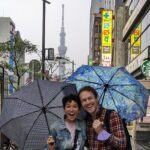
- Plan for big step counts. One guide mentioned around 22,000 steps during a day that included multiple stops and customization.
- Tell the guide what you can tolerate. If mobility is limited, you can’t fix stairs. But you can reduce stress by adjusting which stops fit your comfort level.
Humor aside: Tokyo is amazing, but it’s not built like a flat theme park. Your job is to dress for movement.
Who This Private Tokyo Tour Fits Best
This is a strong match if:
- You’re visiting Tokyo for the first time and want the highlights without doing homework.
- You like structure but still want control over how long you stay in each type of place (food, temples, gardens, city views).
- Your group includes people with different interests, because the itinerary can flex between major sights and smaller, fun add-ons.
It may be less ideal if:
- Your group has very limited mobility or you need step-free transit the whole way.
- You’re expecting a slow, seated “tour bus” pace.
- You need very precise language support and can’t tolerate any communication strain.
Should You Book This Private Tokyo Highlights Tour?
If you want a first-day Tokyo that feels organized, this is an easy yes. The combination of private pacing, hotel lobby pickup (Tokyo 23 wards), and a guide who can navigate the subway system is exactly what saves time and stress.
Book it when:
- You can handle walking and stairs.
- You want a mix of iconic sights (Senso-ji, Skytree, Shibuya Crossing, Meiji Jingu) plus optional flavor (animal cafes, gardens, Imperial Palace area).
- You value having someone translate Tokyo into a plan you can actually follow.
Skip or adjust it if:
- Your budget is strict and you don’t want to add paid attractions like Skytree, Tokyo Tower, Ueno Zoo, Shinjuku Gyoen, or the animal cafes.
- Mobility needs are significant. You’ll want to talk through which stops are realistic before you lock in your day length.
FAQ
How long is the Tokyo private tour?
It runs for about 4 to 10 hours, depending on your chosen start time and how long you want to spend.
What attractions are included in the plan?
The day can include Tsukiji Jogai Market, Senso-ji Temple, Tokyo Skytree, Ueno Zoo, Shibuya Crossing, Meiji Jingu Shrine, Tokyo Tower, Shinjuku Gyoen National Garden, Owl Cafe Tokyo Akiba Fukurou, Chiku Chiku Cafe, Hamarikyu Gardens, and the East Gardens of the Imperial Palace / Edo Castle Ruin.
Are admission tickets included?
No. Admission tickets are listed as free for some stops (like Tsukiji Jogai Market, Senso-ji, Shibuya Crossing, and Meiji Jingu), but other stops have admission fees that are not included.
Do you get hotel pickup?
Yes. There is meeting in the hotel lobby within Tokyo 23 wards.
Is this tour private?
Yes. It’s a private tour/activity, meaning only your group participates.
What if I need to cancel?
You can cancel for a full refund up to 24 hours before the experience’s start time. Changes within 24 hours aren’t accepted.