REVIEW · KYOTO
Kyoto Highlights 7-Hour Private Guided Tour
Book on GetYourGuide →Operated by WaRaiDo Guide Networks · Bookable on GetYourGuide
Kyoto in seven hours needs a plan. This private guided tour helps you focus on Kyoto’s biggest sights by letting you choose a northwest or southeast route, with transportation handled and an easy end point near Gion. You get to see major temples and monuments without wasting your day figuring out what goes where.
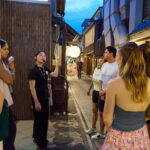
I like two things the most. First, you’re with a private licensed guide who can explain what you’re looking at in plain English, which turns the day into conversations instead of just photo stops (people specifically praised guides like Mie and Choco/Choca for making context click). Second, the tour includes a 1-day bus pass you can use after the tour, so the sightseeing doesn’t have to end when you step off the bus.
One thing to consider: you must pick one route when you book. If you want both the northwest and southeast highlights, the tour company offers the chance to take both days/routes for a total of eight locations, which is a better fit if you have extra time.
In This Review
- Key Highlights You’ll Care About
- Private Kyoto Route Planning That Actually Works
- Your Day Clock: 09:00 Start and 16:00 Finish Near Gion
- Northwest Route: Bamboo Grove, Ryoanji Rock Garden, Golden Pavilion, and Nijo Castle or Nishiki
- Southeast Route: Sake Brewery Stop, Fushimi Inari Taisha, Sanjusangendo, Kiyomizudera, and Slope Streets
- The Guide Factor: Why People Rate This So Highly
- Temple Fees, Bus Pass Value, and What’s Actually Included
- Price and Value: Does $215 Per Person Make Sense?
- Should You Book This Kyoto Highlights Private Guided Tour?
- FAQ
- How long is the Kyoto Highlights private guided tour?
- What time does the tour start, and where does it begin?
- What are the two route options?
- What stops are included on the northwest-bound route?
- What stops are included on the southeast-bound route?
- Is food included in the tour price?
- What’s included in the price, and do I get help getting around?
Key Highlights You’ll Care About
- 09:00 start from Hotel Granvia Kyoto (JR Kyoto Station area), so you don’t burn time hunting for a meeting spot
- Four major attractions in 7 hours, with a private licensed guide who sets the pace
- Northwest option includes Bamboo Grove, Ryoanji’s Rock Garden, the Golden Pavilion, plus Nijo Castle or Nishiki Market
- Southeast option pairs a sake brewery stop with Fushimi Inari Taisha, Sanjusangendo Temple, Kiyomizudera Temple, and Ninenzaka/Sannenzaka
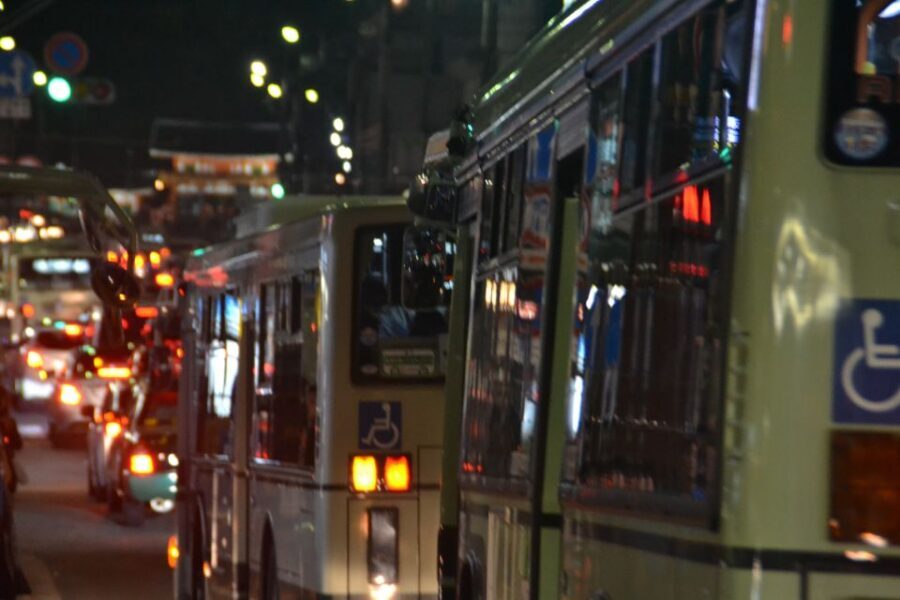
- Transit included + bus pass after the tour, useful when you keep exploring on your own
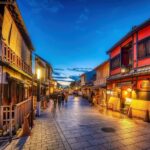
- Ends around 16:00 near Gion, a smart setup for a later evening in the old streets
Private Kyoto Route Planning That Actually Works
Kyoto can feel like a puzzle. The city is big, the sites are spread out, and the busiest places can eat your time if you go in blind. This private 7-hour format is built for decision-making: you choose one route (northwest or southeast), and your guide uses the day to connect the dots between top attractions.
What you’re buying isn’t just tickets. It’s a structured loop, a person who can help you interpret what you’re seeing, and transport that keeps you from constantly recalculating your day. That matters in Kyoto, where even getting from point A to point B can be the difference between a relaxed visit and a rushed one.
You also get a nice “choose your vibe” element. The northwest route leans toward gardens and classic shrine-temple landmarks, with a castle or a famous market depending on the option. The southeast route leans toward temple icons and the Fushimi area, plus a brewery stop and the classic uphill streets by Kiyomizudera. Both routes end near Gion, so you’re not stranded far from the best evening atmosphere.
The feedback score is very high—4.9 with 42 reviews—which usually points to consistent guide quality and smooth pacing. And from the comments, the common theme isn’t fancy claims. It’s that the guides were friendly, kept the day moving at a comfortable pace, and made the context easier to hold onto.
You can also read our reviews of more guided tours in Kyoto
Your Day Clock: 09:00 Start and 16:00 Finish Near Gion
The tour runs 7 hours, starting at 09:00 from Hotel Granvia Kyoto in the JR Kyoto Station building. That’s a big deal for first-timers. JR Kyoto Station is a natural anchor point, and meeting there helps you start on time without a scramble.
You’ll move by bus/transport between stops, and included items help keep the day simple. The tour includes transportation and entrance fees for temples (so you’re not constantly checking what’s extra). The guide also helps you navigate the day so you spend less energy on logistics and more time actually looking.
At the end, the tour wraps up around 16:00 near the Gion area. Your meeting point info says you finish back at the meeting point, and the timing/location lines up with ending in the Gion neighborhood. That gives you a clean handoff: you can keep wandering, grab dinner, or do that Kyoto evening thing the city does so well.
One practical tip I recommend if you’re building your own schedule: plan a low-stress next step. This tour is concentrated and sight-heavy. The best use of your remaining time is to go slower—stroll the old streets, find a place to eat, and don’t try to cram in another “big ticket” attraction right after the tour ends.
Northwest Route: Bamboo Grove, Ryoanji Rock Garden, Golden Pavilion, and Nijo Castle or Nishiki
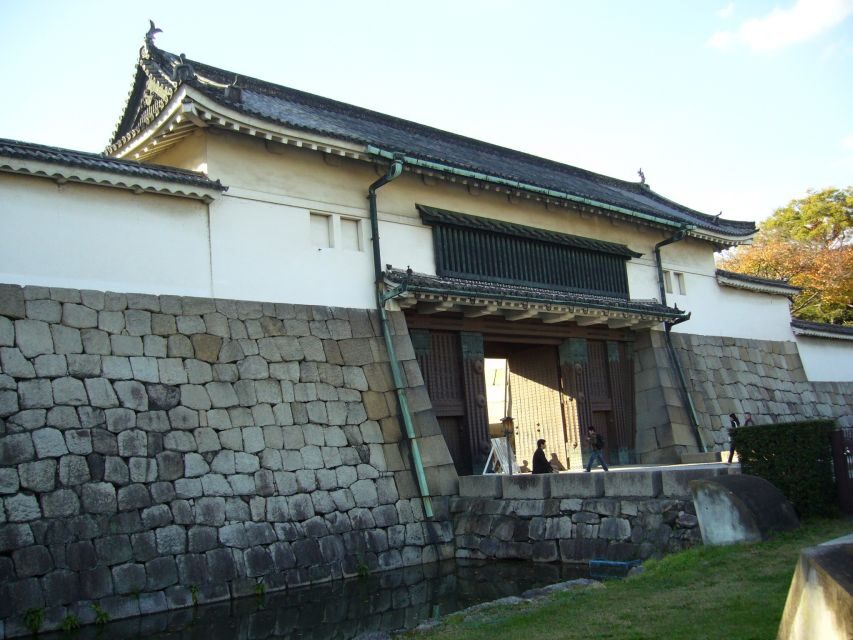
If you’re drawn to gardens and iconic Kyoto visuals, the northwest-bound itinerary is the one to pick. It combines nature-and-art stopping points with temple highlights and a historical anchor, in a way that usually feels varied rather than repetitive.
Here’s what the route looks like:
- Bamboo Grove
- Ryoanji Temple’s Rock Garden
- Golden Pavilion
- Final stop: Nijo Castle or Nishiki Market
Let’s talk about why these stops work together.
Bamboo Grove is your “walk into a different world” moment. It’s not just a pretty photo pause; it’s a reset for the senses. You’ll likely find it’s a great place to slow down and let your guide set the tone for how to look at Kyoto—quiet details, not just big sights.
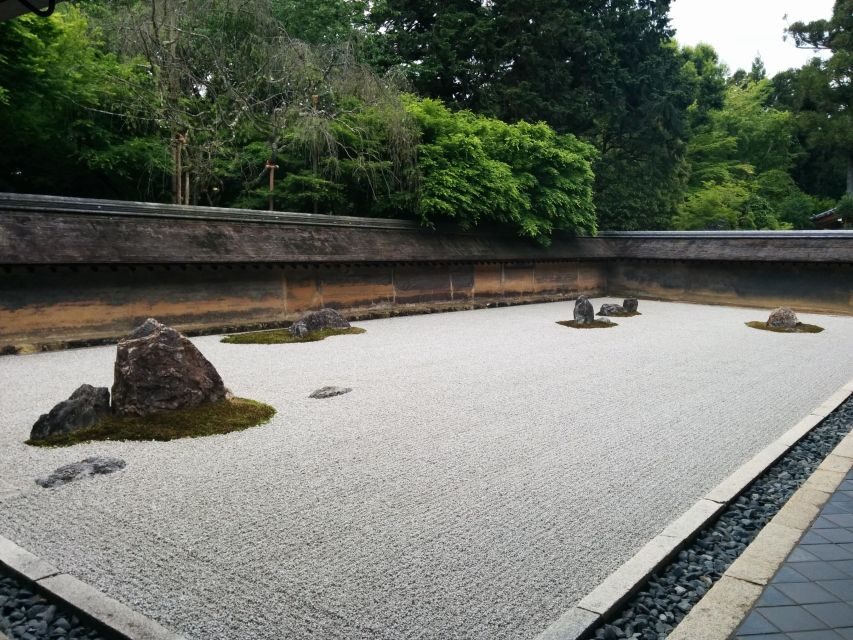
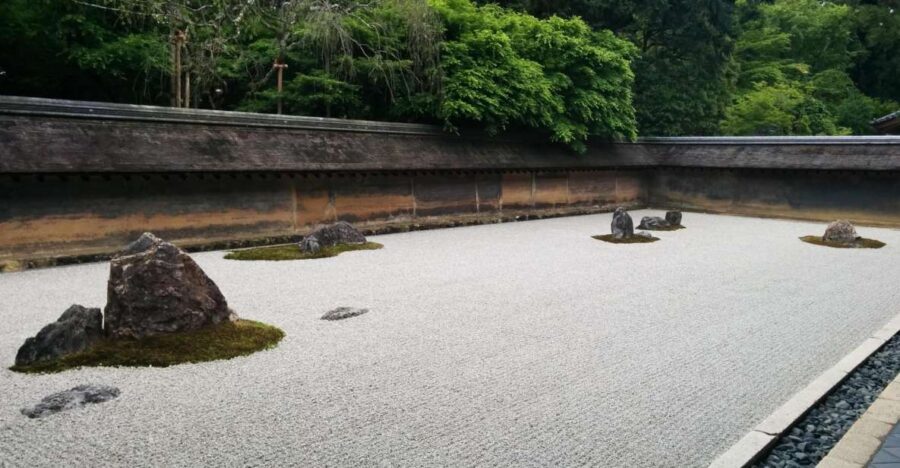
Then you move into Ryoanji’s Rock Garden, which is the kind of attraction that rewards attention. The rock garden style is very good at making you notice how perspective can change the whole scene. And if you’re the type who likes understanding what you’re looking at, this is where the guide conversations can land hardest.
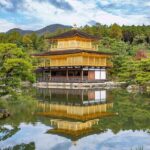
Next is the Golden Pavilion. This is the “wow” stop on the northwest route. It’s visually distinctive, and it’s also a turning point in how the day feels—less about quiet contemplation, more about iconic Kyoto glamour. Reviews praised guides (including Mie and others) for adding enough historical and cultural context to make the visit feel more than superficial sightseeing.
The last choice is where you personalize. If you pick Nijo Castle, you get a castle stop that connects naturally to historical themes. Several comments specifically mention Edo-period context, and a castle visit is a logical place for that kind of explanation to matter. If you’d rather keep things more casual and snack-friendly, choosing Nishiki Market can be a fun way to end the route with street energy and lots of options for what to do next on your own.
Possible drawback of the northwest route: it’s popular and compact. That can mean short waits and thicker crowd conditions at major stops. A private guide helps you manage this by keeping you in rhythm, but you should still expect Kyoto’s big hitters to be busy.
Southeast Route: Sake Brewery Stop, Fushimi Inari Taisha, Sanjusangendo, Kiyomizudera, and Slope Streets
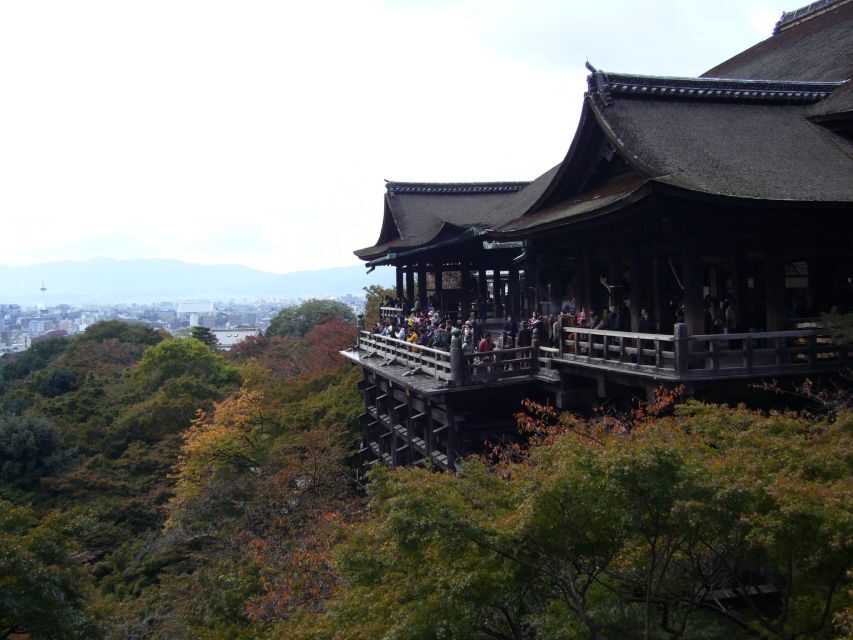
The southeast-bound itinerary is built around Kyoto’s most famous temple-and-shrine experiences, with a fun palate switch: a sake brewery stop. If the north route feels like nature plus tradition, the southeast route feels like classic Kyoto landmarks stacked into a smooth line.
Your southeast stops are:
- Sake Brewery
- Fushimi Inari Taisha
- Sanjusangendo Temple
- Kiyomizudera Temple
- Ninenzaka or Sannenzaka Slope
And you’ll finish near Gion at the end of the day.
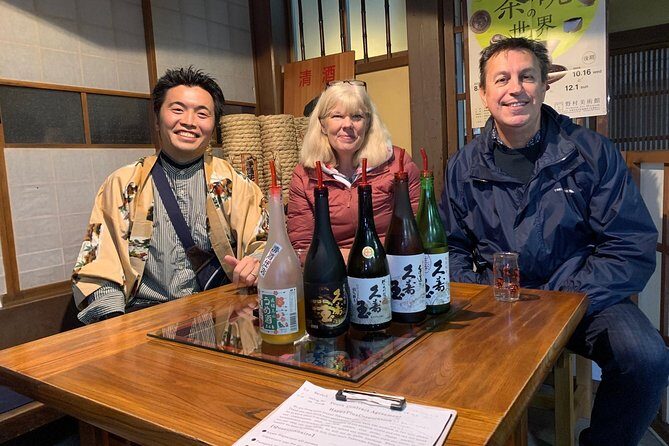
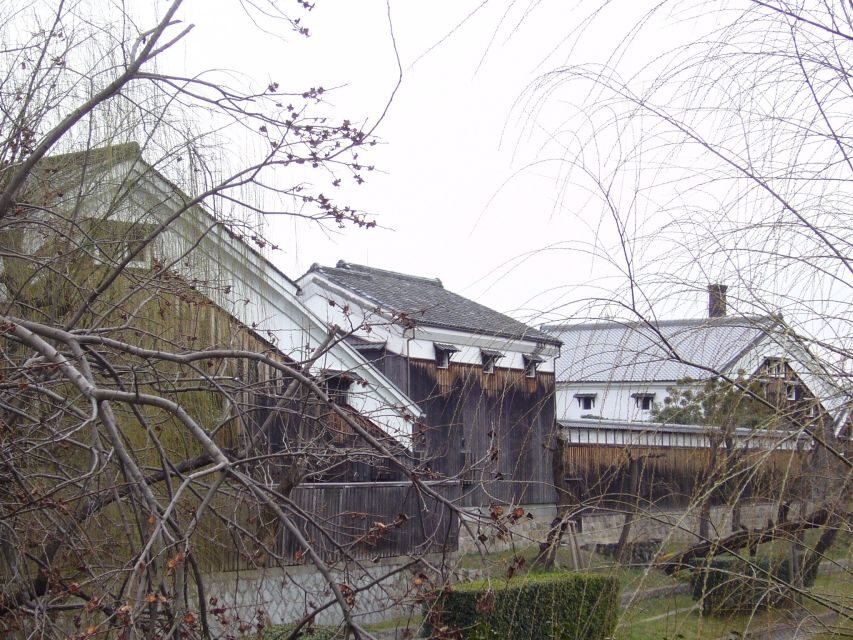
The sake brewery stop is often the “human scale” moment in a day like this. Kyoto can be huge in its historical and visual impact, but this kind of visit gives you a different lens. Even if you don’t do tastings or buy anything, it’s a chance to talk about what sake means in the Kyoto setting and why a brewery is on the list alongside temples.
Then you go to Fushimi Inari Taisha, one of Kyoto’s most recognized shrine experiences. This is the point in the day where you want your guide to help you slow down and understand what’s in front of you. Private, English-speaking guidance matters here because the site can be visually overwhelming if you’re just trying to follow a self-made checklist.
After that comes Sanjusangendo Temple and Kiyomizudera Temple—both temple stops that tend to feel very “Kyoto classic.” Reviews didn’t focus on technical details, but they did highlight how guides made the day engaging through one-on-one conversations. In practice, that means your guide can help you see patterns across the temples instead of treating each one like a separate stop.
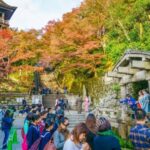
Finally, the day transitions to Ninenzaka or Sannenzaka Slope. These slope streets are where Kyoto changes from “destination” to “experience.” Even if you’re tired by this point, the slopes are a helpful way to regain your walking rhythm and start setting up for the Gion-area evening.
A consideration for the southeast route: it’s a temple-heavy day with several high-demand points. That can mean more standing and slower movement at peak times. The upside is that the route ends in an area that’s great for decompressing afterward.
The Guide Factor: Why People Rate This So Highly
This is a private tour with a private licensed guide, and the guide quality shows up again and again in the feedback. Some names that popped up in the notes include Mie, Mei, and Choco/Choca. Across comments, the praise is consistent: the guides were friendly, made good conversations happen, and helped visitors understand how the sites connect culturally.
I think that’s the real value of private guiding. A list of attractions is easy to find. What’s not easy is understanding what to notice once you’re in the middle of it. The guides described in the feedback were especially good at providing context that made the day feel coherent—like you weren’t just collecting photos, but seeing how Kyoto fits together.
One reviewer also mentioned lunch help: a guide steered them to a good local ramen spot. Food isn’t included on the tour, so you’re still responsible for meals, but having a guide who can point you to something practical is a real time-saver. It also reduces the risk of wandering into a tourist trap right when you’re hungry.
Another subtle benefit: your guide can help you make fewer “small mistakes.” One comment tied this to being foreigners and learning faster through one-on-one conversation. Even if you already know a bit of Japanese, having someone explain the day’s steps in English can prevent stress.
In short: if you care about meaning, not just checkmarks, this tour design is aligned with how you’ll want to experience Kyoto.
You can also read our reviews of more private tours in Kyoto
Temple Fees, Bus Pass Value, and What’s Actually Included
Let’s be clear about the cost-to-inclusions math. The tour includes:
- Pick-up at a centrally located meeting point (start point varies by option booked)
- A private licensed guide
- Entrance fee for temples
- Transportation
- A 1-day bus pass that you can use after the tour as well
Not included:
- Food and drinks
- Hotel pick-up and drop-off
That “bus pass after the tour” detail is genuinely useful in Kyoto. The day ends around Gion, but you may want to keep going—maybe to a café, a shrine you skipped, or a neighborhood stroll. Having a bus pass means you’re not stuck with a “now what” moment the instant the tour finishes.
The entrance-fee inclusion matters too because it reduces the constant question of what you still need to pay once you’re already on site. Your guide should make it feel smooth.
The main out-of-pocket item for most people is meals. Since food and drinks aren’t included, plan ahead. Decide what kind of lunch you want before the day starts, or be ready for a guide recommendation once you’re in the thick of it. A good approach: keep lunch flexible and let the route and your energy level decide.
Price and Value: Does $215 Per Person Make Sense?
At $215 per person, this is not the cheapest way to see Kyoto. You’re paying for three things: privacy, a licensed English guide, and organized transport with included temple entrance fees.
Where the value shows up is in the tradeoff. If you DIY Kyoto, you can save money, but you spend time planning routes, dealing with language friction, and rechecking what’s open where. On a 7-hour timeline, those small hassles add up fast. This tour is built to reduce those costs—especially the time cost, which is often the real expense on a first visit.
It can also be a good value for groups or couples who want to do this together. Reviews praised the one-on-one conversation aspect, and when you’re private, you can ask questions in real time. That kind of interaction is harder to replicate on a standard group tour.
Also, keep in mind the bus pass included after the tour. That extra mobility can effectively stretch your day beyond the scheduled stops. In a city where getting around is half the game, that’s a quiet perk.
My rule of thumb: if you want Kyoto to feel planned but not rigid, and you like understanding what you’re seeing, the $215 price is easier to justify. If you only want a quick highlight photo loop with no context, you might prefer something cheaper.
Should You Book This Kyoto Highlights Private Guided Tour?
Book it if:
- You want a structured private Kyoto day with English guidance
- You’re choosing between the northwest and southeast classic routes and want four major stops handled for you
- You’d rather walk into temples with context than just follow a checklist
- You can use the bus pass after the tour to keep exploring
Consider skipping or comparing if:
- You’re trying to see Kyoto on the tightest budget possible
- You don’t want a guided structure and prefer fully independent pacing
If you do book, my practical advice is to pick the route that matches your day style. Go northwest if you want bamboo, garden calm, and the Golden Pavilion energy. Go southeast if you want the big shrine-temple lineup plus the sake brewery stop and the slope-street atmosphere near the finish.
And once you’re done around 16:00 near Gion, plan an evening that doesn’t feel like homework. This itinerary sets you up well for a later Gion night walk, which is exactly the sort of low-effort, high-reward follow-up Kyoto is famous for.
FAQ
How long is the Kyoto Highlights private guided tour?
It runs for 7 hours.
What time does the tour start, and where does it begin?
It starts at 09:00 from Hotel Granvia Kyoto in the JR Kyoto Station building.
What are the two route options?
You choose either the northwest-bound route or the southeast-bound route when booking.
What stops are included on the northwest-bound route?
The northwest route includes the Bamboo Grove, Ryoanji Temple’s Rock Garden, the Golden Pavilion, and then either Nijo Castle or Nishiki Market.
What stops are included on the southeast-bound route?
The southeast route includes a sake brewery stop, Fushimi Inari Taisha, Sanjusangendo Temple, Kiyomizudera Temple, and Ninenzaka or Sannenzaka Slope.
Is food included in the tour price?
No. Food and drinks are not included.
What’s included in the price, and do I get help getting around?
The tour includes a private licensed guide, transportation, entrance fees for temples, and a 1-day bus pass that you can use after the tour as well.