REVIEW · KYOTO
Kyoto 6hr Private Guided Tour & Kimono Experience
Book on Viator →Operated by Japan Guide Agency · Bookable on Viator
Kyoto can feel like a blur of gates and crowds. This 6-hour private plan is different because you get guided context and a kimono experience paired with shrine time you can actually enjoy. I like the small, focused feel of the tour, and I like that your guide points out details most people miss. The tour is designed around learning what you’re seeing, not just marching from one postcard to the next.
One practical thing to keep in mind: many temple and shrine admissions are not included, so your final total can rise depending on which stops you select. Also, the experience duration is about 6 hours, so you’ll want to choose stops that match your pace and interests.
In This Review
- Key highlights to look for before you book
- A 6-hour Kyoto plan built around your choices
- How to choose your 2-3 stops
- Wargo kimono rental: easy, practical, and photo-friendly in Gion
- Sizing and what happens if fit isn’t perfect
- A quick reality check
- Temple-hopping with purpose: from Kinkakuji to the mossy quiet of Honen-in
- Kinkakuji (Golden Pavilion)
- Ginkakuji (Silver Pavilion)
- Honen-in: the scenic approach and moss-covered gate
- Zen gardens that reward attention: Nanzen-ji, Taizo-in, Ryoan-ji, and Shugakuin
- Nanzen-ji: big grounds, Zen importance
- Taizo-in: a famous garden in any season
- Ryoan-ji: Japan’s rock garden
- Shugakuin Imperial Villa: upper, middle, and lower villas
- Fushimi Inari beyond the torii tunnel: how your guide changes the walk
- How to enjoy it in the time you have
- Imperial Kyoto: Kyoto Imperial Palace and the Edo-era story at Nijo Castle
- Kyoto Imperial Palace
- Nijo Castle
- Kyoto street time: Nishiki Market, Pontocho, and guided Gion comfort
- Nishiki Market: Kyoto’s kitchen in five blocks
- Pontocho: an atmospheric dining alley near the river
- Gion: guided comfort in the geisha district
- When UNESCO and extra travel time matter: Kokedera, Byodoin, Arashiyama options
- Kokedera (Saihoji): UNESCO and mossy atmosphere
- Byodoin Temple in Uji: Phoenix Hall and plan for extra time
- Arashiyama options: Togetsukyo Bridge and bamboo groves
- Price and logistics: what $162.52 buys you, and where costs can add up
- A simple value check before you book
- Who this private kimono and shrine tour fits best
- Final call: should you book it?
- FAQ
- How long is the Kyoto private guided tour with kimono?
- Is the kimono experience included, and what plan is it?
- Can I choose the sights, or is there a fixed route?
- Are entrance fees included for temples and shrines?
- Is transportation included?
- What if my kimono size is hard to match?
- Is there free cancellation?
Key highlights to look for before you book
- Pick 2-3 sites from a long list, so you’re not stuck in a one-size-fits-all route
- Licensed English guide with cultural explanations, including smaller symbols and meaning tied to each place
- Wargo kimono rental (Standard plan) at the Kyoto Gion store, made for an easy first try
- Fushimi Inari beyond photos, with guidance on how to move through the busy walk more smoothly
- Zen temple variety across gold pavilion, silver pavilion, rock gardens, and quieter sub-temples
- Street-time options like Nishiki Market and Pontocho, helpful if you want Kyoto flavor without getting lost
A 6-hour Kyoto plan built around your choices
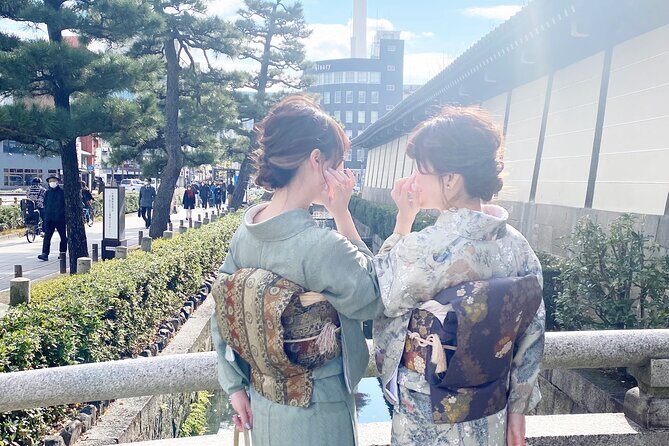
The biggest value here is that you don’t have to “tour Kyoto by accident.” This is set up as a private guided experience where you meet your guide in Kyoto and then spend roughly 6 hours moving through a short list of places you select together. You’ll typically choose 2-3 sites from the options shown, which is exactly the right number if you want explanations to land instead of fading in transit.
That choice flexibility matters for two reasons. First, Kyoto has clusters of famous sights, but also a lot of meaningful “in-between” spots. Second, you can tailor the day: temples and gardens if you’re into Zen aesthetics, Imperial-era history if you want the political story behind the aesthetics, or food-and-stroll Kyoto if you want lighter walking.
Logistically, the tour includes a pickup offer and a mobile ticket, which tends to cut friction on the day. There’s also mention of group discounts, but the key for you is that this is a private setup—only your group participates. Even if Kyoto is packed outside your comfort zone, you’re not stuck sharing your guide’s time with a huge crowd.
You can also read our reviews of more guided tours in Kyoto

How to choose your 2-3 stops
If you only pick one “must-see,” make it Fushimi Inari-taisha or Kiyomizu-dera. If you want calm plus strong visuals, mix in a Zen garden stop like Ryoan-ji or a moss-and-gate experience like Honen-in. If you want both meaning and beauty, combine a famous pavilion (Kinkakuji or Ginkakuji) with a lesser-known-feeling sub-temple such as Taizo-in or Shugakuin Imperial Villa.
Wargo kimono rental: easy, practical, and photo-friendly in Gion
The kimono part is anchored at Wargo Kyoto Gion Store, and the plan listed is Wargo’s Standard Kimono plan. This matters because it’s described as a budget-friendly introduction—simple yet charming designs that aim to feel elegant without being fussy. If it’s your first time wearing a kimono, this kind of plan is the low-stress way in.
The kimono rental slot is about 1 hour. That timing is important in Kyoto: you want enough time for photos and for feeling settled, without rushing your next temple stop. Also, the listing notes the kimono experience is “standard plan only,” so you’re not meant to pick an ultra-custom setup here.
Sizing and what happens if fit isn’t perfect
You’ll want to check the size ranges shared:
- Women: 150cm–170cm
- Men: 165cm–200cm
If you’re between sizes or worried about fit, the provider notes that the professional staff can dress you in the kimono as best as they can if you can’t find a perfect match. That’s a helpful promise, because kimono fit can be the difference between feeling comfortable and feeling stuck pulling at fabric all day.
A quick reality check
Kimono wearing can be awkward for long, constant walking. The tour’s structure—short temple visits and a guided flow—helps, but you’ll still want to pick stops that won’t require you to sprint across multiple hills.
You can also read our reviews of more private tours in Kyoto


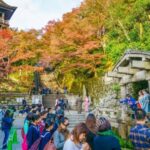
Temple-hopping with purpose: from Kinkakuji to the mossy quiet of Honen-in

Kyoto’s most famous temples can be visited independently, but the difference here is the “why.” Your guide is there to give the background that makes the scenery feel less random. In the short time you spend at each stop, the explanations are the part that turns a quick photo stop into a memory.
Kinkakuji (Golden Pavilion)
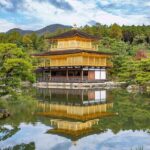
If you choose Kinkakuji, you’re seeing Rokuonji, a Zen temple where the top two floors are covered in gold leaf. The setting in northern Kyoto is also part of the appeal. Practically, this is a high-impact stop that’s easy to recognize even from a distance—great if you’re arriving with jetlag or you just want something visually powerful early.
Catch: the listing shows admission is not included, and your time here is relatively short (about 15 minutes in the itinerary structure). Plan to spend that time intentionally—arrive, find your best angles, then let your guide’s context help you interpret what you’re seeing.
Ginkakuji (Silver Pavilion)
Ginkakuji is the Zen retreat vibe—built as a retirement villa by Shogun Ashikaga Yoshimasa, and modeled after the Golden Pavilion. The silver pavilion theme also gives your guide a chance to compare the two sites: one about gold leaf spectacle, one about a more understated aesthetic.
Same catch: admission isn’t included, and your visit is about 15 minutes. This is a “see it well and move on” stop.
Honen-in: the scenic approach and moss-covered gate
Honen-in is described as magical from the start. You get an approach that ends at a moss-covered gate, then you pass between sand mounds that are said to have significance. If you love gardens and atmosphere, Honen-in is the kind of place where the guide’s wording matters, because you’re not just reading plaques—you’re learning how to look.
A practical tip from the tour’s feedback pattern: go earlier in the day if you want easier photos and a calmer pace. Midday crowds can make it hard to shoot and harder to slow down.
Zen gardens that reward attention: Nanzen-ji, Taizo-in, Ryoan-ji, and Shugakuin
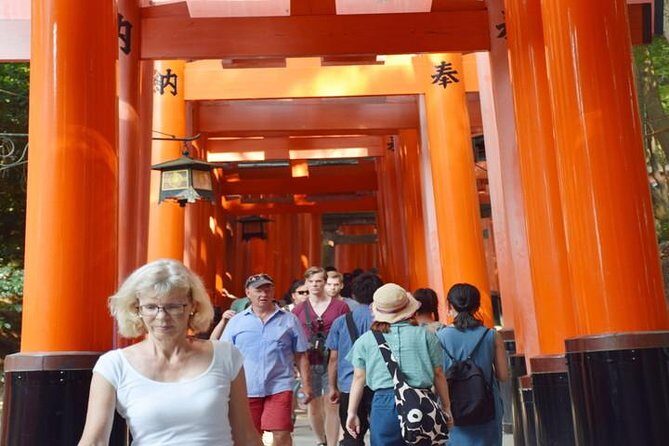
Zen temples in Kyoto aren’t just pretty. They’re built around how you experience time—distance, sightlines, and the feeling of moving through a curated calm. With only a short window per stop, you want guidance that helps you see the intention.
Nanzen-ji: big grounds, Zen importance
Nanzen-ji is described as one of Japan’s most important Zen temples, located at the base of Kyoto’s forested Higashiyama mountains. If you want space to breathe after more crowded streets, this is a strong pick.
Visit time is listed around 15 minutes, and admission isn’t included. Because the grounds are spacious, you’ll want your guide to help you choose where to spend that time.
Taizo-in: a famous garden in any season
Taizo-in (a sub-temple of Myoshin-ji) is recommended in any season, and the garden is singled out as one of Kyoto’s most famous. If you’re choosing a Zen-garden-centered day, this is a smart partner to a more iconic pavilion.
Again, admissions aren’t included, but the guided context helps you understand why people keep returning even when the weather changes.
Ryoan-ji: Japan’s rock garden
Ryoan-ji is home to Japan’s most famous rock garden, built to attract hundreds of daily visitors. The tour wording also reminds you the site was originally an aristocrat’s villa during the Heian Period before becoming a Zen garden space.
Here’s where a guide can help you even in a short visit: they can point you toward how to look from key angles and what you should notice—so you aren’t only standing for minutes waiting for everyone else to take their turn.
Shugakuin Imperial Villa: upper, middle, and lower villas
Shugakuin Imperial Villa is a different tone: built in the 17th century by Emperor Gomizuno and managed by the Imperial Household Agency. It’s made up of the Upper, Middle, and Lower Villas, so it’s an excellent choice if you want a blend of nature, design, and historical status.
If you like Imperial-era details and you want a quieter-feeling experience compared with the busiest streets, Shugakuin is one of the best additions.
Fushimi Inari beyond the torii tunnel: how your guide changes the walk
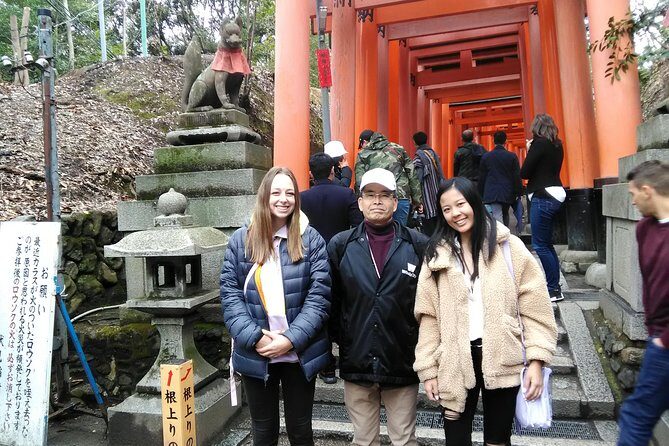
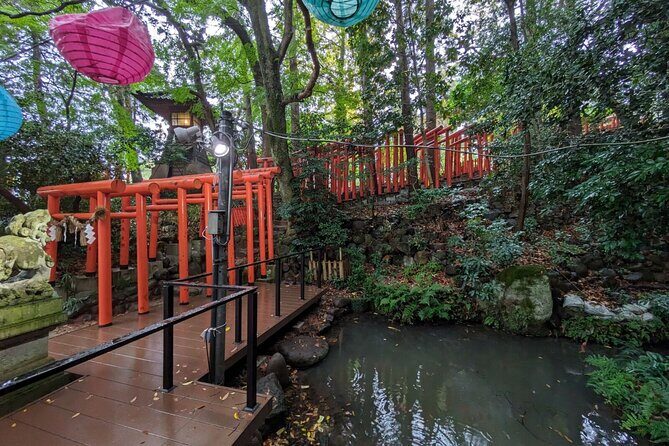
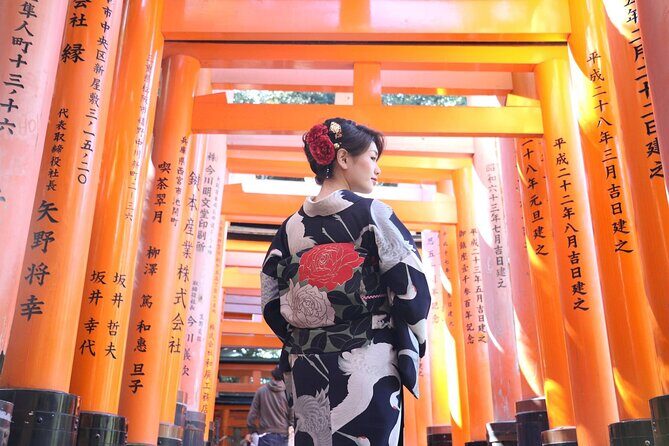
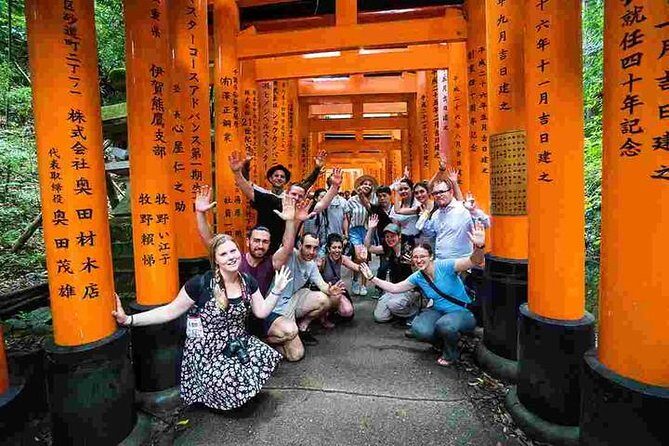
No Kyoto list feels complete without Fushimi Inari-taisha. Most people focus on the famous vermillion-red torii gates and stop once they’ve snapped the photo. The advantage of this tour is that your guide is there to explain how the shrine connects to local culture, and to show you the deeper side of what you’re walking through.
The guide’s role becomes practical as the crowds hit. There’s specific feedback tied to this stop: one review notes that visiting with a guide turned a short time into a more relaxed, comfortable pace, and that the guide helped the group move through the waves of people smoothly. That’s the difference between “I stood in line” and “I experienced the place.”
How to enjoy it in the time you have
Since the tour structure limits each site to short windows (with Fushimi Inari being longer than most at about 1 hour), don’t try to go everywhere on your own legs. Let your guide choose a focused route that matches your group’s energy. You’ll still get the iconic look, but you’ll also get the meaning behind the experience.
A small bonus: because the guide is focused on what you’re seeing, you’re less likely to treat it like a single photo corridor and more like a living cultural space.
Imperial Kyoto: Kyoto Imperial Palace and the Edo-era story at Nijo Castle
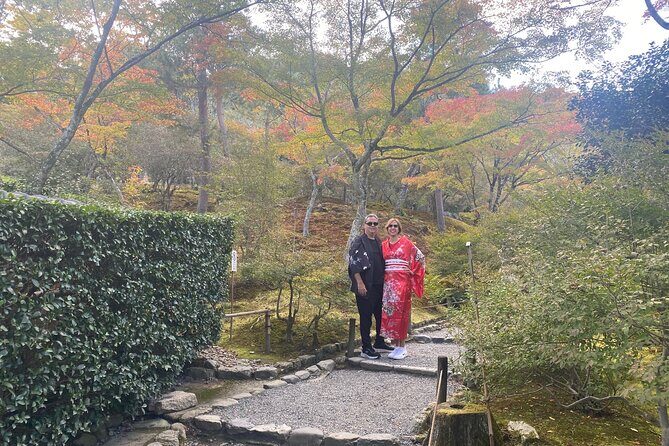
If you want your Kyoto day to include more than temples and gardens, these stops add political context. They show how the capital functioned, and how power shaped the places people visited.
Kyoto Imperial Palace
Kyoto Imperial Palace used to be the residence of Japan’s Imperial Family until 1868, when the emperor and capital moved from Kyoto to Tokyo. The site is in a spacious area, and it’s a great “big picture” stop when you’re trying to connect the aesthetics of shrines and temples to the power that supported them.
Admission isn’t included, and the stop time listed is about 15 minutes—so it works best if you enjoy crisp explanations more than long museum-style reading.
Nijo Castle
Nijo Castle was built in 1603 as the Kyoto residence of Tokugawa Ieyasu, the first shogun of the Edo Period. As a UNESCO World Heritage site, it adds a strong “Kyoto as a political center” angle that balances all the Zen gardening you might be seeing.
The listing shows the stop as short (about 10 minutes). That’s fine if your guide is helping you focus on the parts that connect to the Edo story.
Kyoto street time: Nishiki Market, Pontocho, and guided Gion comfort
Not every great Kyoto moment needs a temple ticket. This tour includes time that’s clearly built for getting your bearings and tasting the city’s rhythm.
Nishiki Market: Kyoto’s kitchen in five blocks
Nishiki Market is a narrow shopping street about five blocks long, lined with more than one hundred shops and restaurants. It’s commonly known as Kyoto’s Kitchen, specializing in all things food-related.
Since lunch isn’t included, this is where you can turn your free time into a snack strategy. The listing notes this stop as about 10 minutes, so plan to nibble and browse rather than treat it like a full meal stop.
Pontocho: an atmospheric dining alley near the river
Pontocho is described as one of Kyoto’s most atmospheric dining areas. It’s a narrow alley running from Shijo-dori to Sanjo-dori, one block west of Kamogawa River, packed with restaurants.
This is a good choice if you want evening energy without committing to a single restaurant decision on the spot. Even if you don’t eat there immediately, it helps you understand Kyoto’s layout faster than walking randomly.
Gion: guided comfort in the geisha district
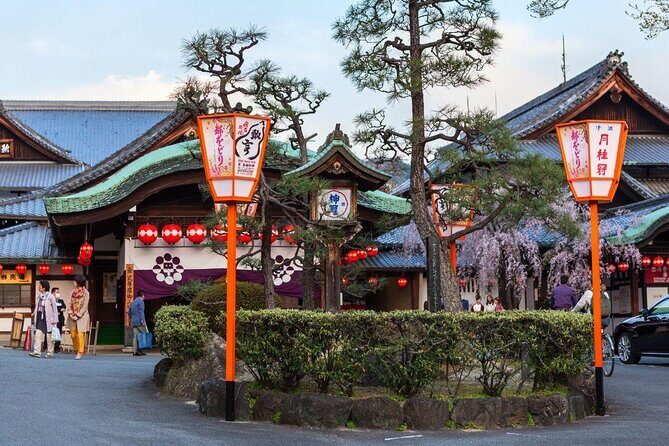
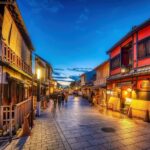
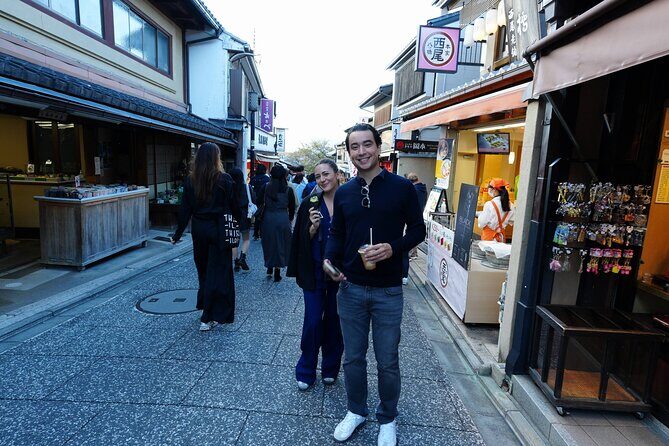
Gion can be confusing on your first visit, especially at night. This tour includes an option for exploring the narrow alleyways with guidance so you don’t feel lost. It’s positioned as a helpful way to discover places you might otherwise miss.
The practical value here: the guide helps you navigate without stressing about where you are—so you can focus on the atmosphere.
When UNESCO and extra travel time matter: Kokedera, Byodoin, Arashiyama options
Some sites require more travel time or have special status. That doesn’t make them better or worse—it just makes them a different kind of commitment.
Kokedera (Saihoji): UNESCO and mossy atmosphere
Kokedera, also known as Saihoji, is a UNESCO World Heritage Site. The listing frames it as an entrance to the experience of the place, and it’s typically the kind of stop that feels quieter and more “garden-first” than the loudest attractions.
If this is one of your chosen sites, treat the time as a slow moment. Admission isn’t included, and your visit is about 15 minutes in the tour plan.
Byodoin Temple in Uji: Phoenix Hall and plan for extra time
Byodoin Temple is known for the Phoenix Hall, which is a National Treasure and a UNESCO World Heritage Site. It’s located in Uji city, and the listing notes extra travel time is expected.
That means it can be a perfect add-on if your day is flexible, but it can squeeze the other stops if you’re trying to do too much. If you pick Byodoin, consider keeping your other choices equally “focused.”
Arashiyama options: Togetsukyo Bridge and bamboo groves
The tour data includes the Togetsukyo Bridge in Arashiyama and mentions the iconic bamboo grove walking paths. The bridge was originally built during the Heian Period and reconstructed in the 1930s, and the bamboo is described as especially attractive with gentle wind and swaying stalks.
If you’re choosing Arashiyama, aim for a time when visibility is good and the walking feels comfortable with your kimono outfit.
Price and logistics: what $162.52 buys you, and where costs can add up
At $162.52 per person, this isn’t a throwaway budget tour. The value is in the pairing: a licensed English guide plus a structured kimono experience plus guided, selective temple time. You’re paying for interpretation and flow—not just entry to sights.
What’s included:
- Licensed local English speaking guide
- Meet up with a guide in Kyoto on foot
- Kimono wearing experience (standard plan only)
- A customizable tour where you pick 2-3 sites from the options
What’s not included:
- Transportation fees
- Entrance fees
- Lunch and other personal expenses
- Private vehicle
That “entrance fees not included” part is the main price wild card. Many stops in the options list explicitly show admissions not included. So the final spend depends on which 2-3 sites you choose.
A simple value check before you book
Ask yourself: are you choosing at least one high-ticket, high-demand cultural stop (like Fushimi Inari or a major temple complex), plus a kimono experience? If yes, the guide time and kimono rental can feel like the right use of your Kyoto day.
If you only choose low-cost stops and skip places with paid admissions, the guide + kimono cost might feel heavier. The tour is best when you want the “Kyoto meaning” side, not just a photo route.
Who this private kimono and shrine tour fits best
This experience is a great match if:
- You want context for Kyoto’s shrines and temples, not just a quick checklist
- You’re doing your first Kyoto visit and you want help focusing on what matters
- You want a kimono introduction that’s friendly for first-timers
- You like a guided day where you can ask questions and adjust the plan to your interests
It may not be the best fit if:
- You’re strictly budget-driven and want to rely only on free sights, since entrance fees can add up
- You want a full “hit every famous place” day (this plan is built around 2-3 chosen stops)
- You’re hoping for a private car taxi style day—private vehicle is not included
Final call: should you book it?
I’d book this when you want a Kyoto day that feels guided, paced, and meaningful. The kimono experience at Wargo Kyoto Gion Store plus a licensed English guide is a strong combo for first-timers who don’t want to spend the day translating or guessing what you’re looking at.
The only reason to hesitate is if you’re allergic to optional admissions. If you’re comfortable paying entrance fees on the days you choose paid sites, then this tour setup makes your time count. If you want a Kyoto day that mixes iconic sights with real explanations and an easier stroll through the busy parts, this is a smart bet.
FAQ
How long is the Kyoto private guided tour with kimono?
The tour is listed at about 6 hours.
Is the kimono experience included, and what plan is it?
Kimono wearing is included under the standard plan only. It’s provided at the Wargo Kyoto Gion Store.
Can I choose the sights, or is there a fixed route?
You choose 2-3 sites from the options shown, based on what you want to do with your guide.
Are entrance fees included for temples and shrines?
No. Entrance fees are listed as not included, and many stops specifically note admission tickets are not included.
Is transportation included?
Transportation fees are not included. Pickup is offered, but you should expect to cover transportation costs if needed.
What if my kimono size is hard to match?
The tour data lists size ranges, and it notes that if you can’t find a perfect fit, staff can dress you in the kimono as best as they can.
Is there free cancellation?
Yes. Free cancellation is available up to 24 hours before the experience start time for a full refund.