REVIEW · NAGOYA
Day Trip for Shirakawago ,Takayama & gujo hachiman from Nagoya
Book on Viator →Operated by Tour&Charter International · Bookable on Viator
Three Gifu towns in one long day.
This Nagoya day trip strings together Shirakawa-go thatched-roof views, Takayama old-street wandering, and the water-town vibe of Gujo Hachiman. I like that the stops are genuinely different from each other, so you’re not repeating the same scenery. The big thing to consider: the schedule is tight, and heat or rain can shrink your time on the ground.
You’re paying mainly for transportation plus access—admissions at each stop are listed as free, and you also get an air-conditioned vehicle. For $62.05, it’s a practical way to reach places that are hard to get to in a day without changing trains. Just go in expecting a mostly self-guided day rather than a full-on, live narration tour.
In This Review
- Quick hits: what’s worth paying attention to
- What you’re really buying: bus access to 3 Gifu icons
- Nagoya morning departure: simple meeting point, long day rhythm
- Gujo Hachiman’s castle-town streets: water-town charm in 60 minutes
- Takayama old-town time: eat on your own, then go explore smart
- Shirakawa-go Gassho-zukuri houses: the best stop, shortest time
- The bus ride reality: air-conditioning helps, time still matters
- Guide expectations: logistics first, storytelling optional
- Shopping stop and souvenirs: pickles and soy bean ice cream
- Who this tour is best for (and who should rethink it)
- Should you book this Nagoya day trip?
- FAQ
- Is lunch included on this tour?
- How long do I spend at each place?
- Are tickets or admissions included?
- Will there be sightseeing explanations from the guide?
- Do we visit the Shirakawa-go light-up?
- What happens if weather is bad?
Quick hits: what’s worth paying attention to
- Real value for access: free admission listed for all three main stops, with round-trip service from Nagoya Station.
- Gujo Hachiman in one hour: pebble-street atmosphere and water scenery, but you’ll be moving fast.
- Takayama is your food window: you’ll spend time there without a lunch included plan—so pick spots early and eat well.
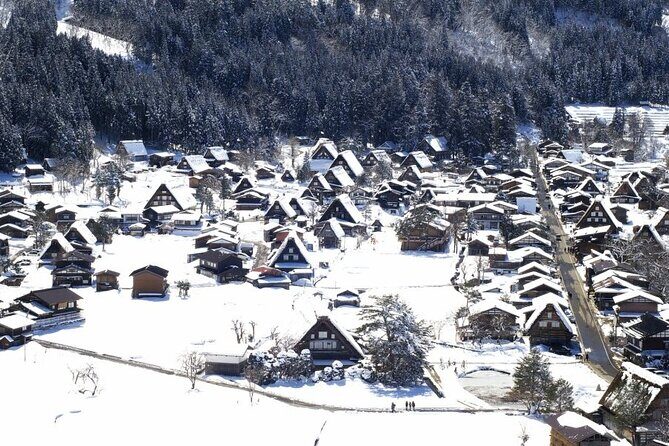
- Shirakawa-go’s Gassho-zukuri houses: one of the most photogenic stop formats, but your visit time is limited.
- Guide style can be light: the official format is simple logistics, though some guides (like Wang Jie) have been praised for fuller help.
- Weather hits this itinerary hard: one bad day can turn a short stop into a rushed stop.
What you’re really buying: bus access to 3 Gifu icons

This experience is best understood as a day-ride service that hits three classic regions: Gujo Hachiman (the water-town feel), Takayama (old-town streets and food), and Shirakawa-go (gassho-zukuri thatched houses). The price—$62.05—works out well because you’re not just paying for “transport.” You’re also getting an air-conditioned vehicle, and the tour lists all fees and taxes included, with stop admissions marked free.
That said, you’re also buying into the reality of day trips from Nagoya. A 12-hour day usually means fewer moments of slow wandering. If your dream day is to sit on a bench and linger, you may feel the clock.
The upside is that you get a high hit-rate of places that are hard to stitch together on your own. From a value perspective, it’s the kind of trip that makes sense when you only have one full day in the area.
A few more Nagoya tours and experiences worth a look


Nagoya morning departure: simple meeting point, long day rhythm
You start at Nagoya Station’s Taiko-dori Exit West Police Box (also listed as Nagoya Ekinishi Police Box). Your guide waits with a blue flag. The start time is 8:15 am, and the trip returns around 20:30.
Two practical things matter here:
- Be early enough to take a breath. Police boxes and exits can be easy once you’re there, but in the morning you don’t want a scramble.
- Stay group-minded. The tour format doesn’t promise guided commentary at each stop, and pickup timing matters—so don’t wander too far from the agreed meeting area.
Also note a small-but-important detail: if roads or conditions get messy, your time at sightseeing spots may be shortened. That’s normal for real-world day trips, but it’s good to remember so you don’t build your plan around one perfect viewing window.
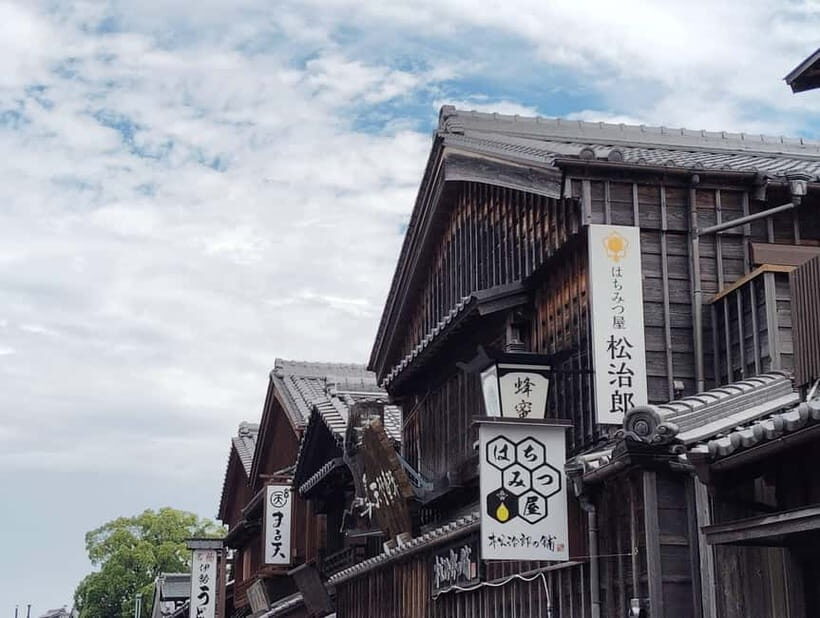
Gujo Hachiman’s castle-town streets: water-town charm in 60 minutes
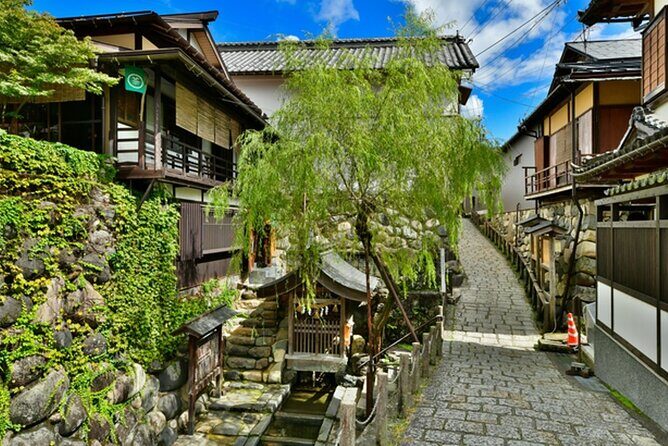
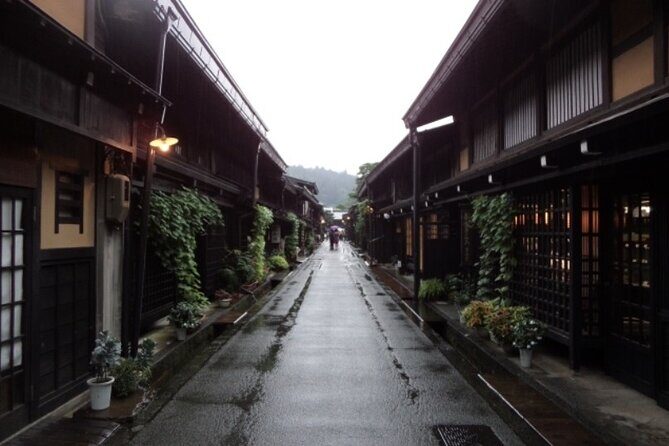
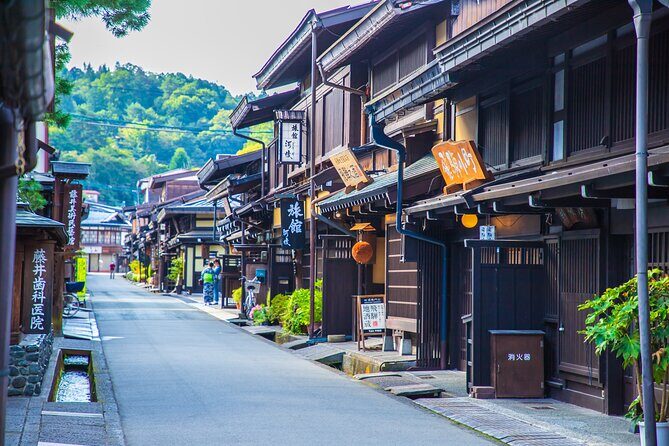
Gujo Hachiman is often called the water town, and the description matches what you’re likely to feel on arrival: pebble roads, waterways, rows of willow trees, and big mansion-style homes. The stop is listed at 1 hour, and admission is free.
What you can realistically do in an hour:
- Grab your first orientation stroll quickly, because the best photo angles tend to be along the water edges.
- Walk a short loop rather than trying to “cover everything.”
- Use the time for atmosphere: light colors, water reflections, and the old-town street feel.
The potential drawback is also obvious: an hour sounds like plenty until you factor in walking time, bathroom stops, and the moment you decide you want one more viewpoint. If you’re heat-sensitive, Gujo Hachiman’s outdoor walking can feel intense in summer. One of the clearer lessons from past experiences here is that this part can become rushed when the weather is rough.
Takayama old-town time: eat on your own, then go explore smart
Takayama gets 2 hours, with admission listed as free. The tour explicitly says lunch is not included, and that you should enjoy country-style restaurants on your own.
I like this setup because it lets you match your meal to your mood. If you want something simple and fast, you can do that. If you want a sit-down meal, you still have enough time to eat before you need to head back to the group.
A good way to use your two hours:
- Plan your meal first. Don’t waste the first 30 minutes hunting.
- Then do a light stroll afterward—think streetscape photos and small shopping, not an all-day museum run.
- Keep an eye on the clock. Takayama can pull you in, but this itinerary is designed for movement.
One practical note from how the schedule tends to feel: some visitors felt the bus took a large share of the day time, leaving less on-the-ground exploration in Takayama than they wanted. So if Takayama is your top priority, you might leave feeling you wanted more hours there—because you probably will.
Shirakawa-go Gassho-zukuri houses: the best stop, shortest time
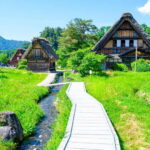
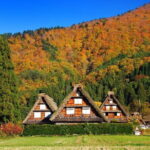
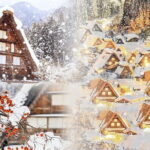
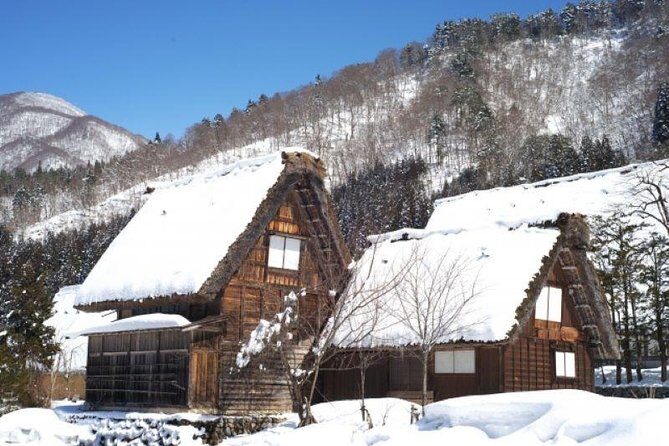
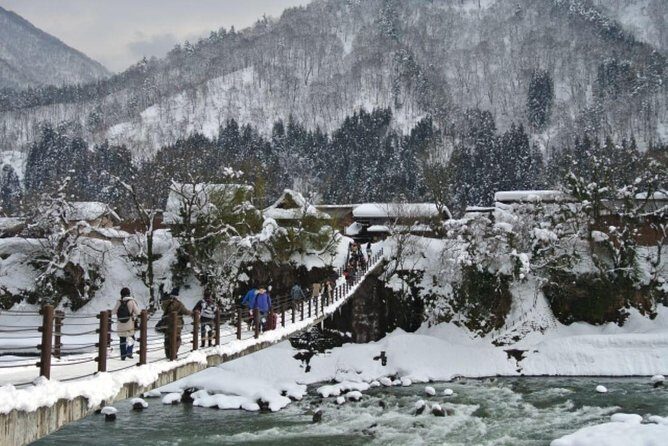
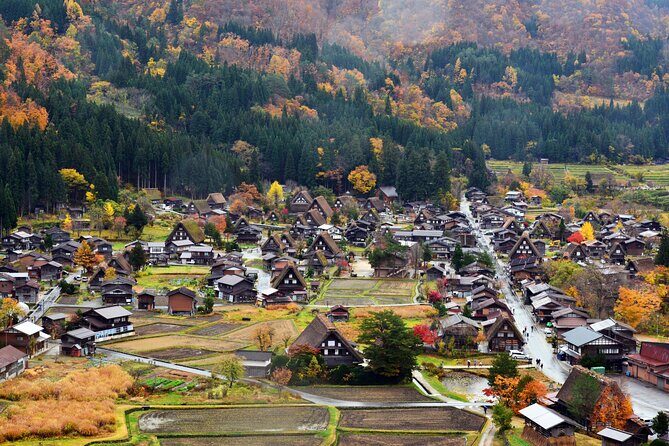
Shirakawa-go (often spelled Shirakawago) is the headline for many people. This tour focuses on the world-heritage thatched-roof houses called gassho-zukuri—homes with steep roofs that historically helped shed snow. The tour notes that during colder months, the houses look capped with snow, like a fairy-tale scene.
In this itinerary, you get 1 hour 30 minutes at Shirakawa-go, admission listed as free. This is a strong amount of time for photos and short walks, but it’s also the kind of place where you’ll want more if you slow down.
Here’s what I’d optimize:
- Start with your most likely photo viewpoint immediately. Build in time for “one more angle,” not a long delay.
- Expect crowds more in peak travel seasons. Even when crowds are manageable, people naturally cluster around the best roof lines.
- If you’re traveling in hot weather, bring a bottle and accept that you’ll likely move more slowly than you think.
Important clarity: the tour notes you will not be going to see the Shirakawago light-up. If night scenes are a major reason you chose this trip, plan another day or another tour, because this one is daylight-focused.


The bus ride reality: air-conditioning helps, time still matters
This is a full-day charter-style route: three towns, about 12 hours total, with pickup and return tied to Nagoya Station. The vehicle is air-conditioned, which is a real comfort in summer. Some experiences also mention that June heat made it harder to cover everything, even though the ride was easy and cooled.
Here’s what you should do to make the ride work for you:
- Wear breathable layers. Air-conditioning can swing from comfortable to chilly.
- Bring something to pass the time. You can’t count on lots of sightseeing explanations.
- Plan your energy. Your best walking may come at the first and last stops, depending on traffic and weather.
Road conditions matter too. If there’s heavy traffic (and holidays can do this), the schedule can become tight. One of the clearest themes is that the bus can take more time than you’d like, leaving less time for exploration—especially near the end of the route.
Guide expectations: logistics first, storytelling optional
This tour’s guide setup is somewhat unusual. The guidance notes say the guide provides simple English information such as departure time and duration, with no sightseeing explanation. That’s important because it affects how you should experience the stops.
Still, guide experience can vary. One review example highlights Wang Jie as excellent—responsible and well versed in three languages. Another suggests explanations were provided before each stop and that the guide helped with limited time decisions.
So what’s the practical takeaway for you? Treat this day as mostly self-guided once you arrive. If your guide adds extra context, great. If not, you won’t be missing a deal-breaker—you just need to be ready to explore on your own.
Also, keep this in mind for group safety: there have been reports of organization and communication problems on rare occasions. That doesn’t mean it will happen to you, but it does mean you should always confirm where the group is meeting before you drift off for photos or snacks.
Shopping stop and souvenirs: pickles and soy bean ice cream
At some point, the itinerary includes a shopping stop for local souvenirs such as pickles or soy bean ice-cream. This is a nice bonus when you want something specific and easy to grab without doing a separate detour.
Just remember: with a 12-hour day, every stop adds minutes. If you’re the type who loves browsing, build in extra pace at the shopping stop so you don’t feel rushed. If you’re only after one or two items, go in knowing what you want.
Who this tour is best for (and who should rethink it)
This tour is a good fit if:
- You want to see three notable towns from Nagoya in one day without driving.
- You’re okay with short visits and quick orientation walks.
- You care more about ticking off famous places than about deep guided storytelling.
- You like food exploration on your own—especially in Takayama, where lunch isn’t included.
It may not be the best fit if:
- You need lots of time at one location to soak it in.
- You want a full guided lecture at each stop.
- You’re sensitive to heat and rain, because the outdoor walking time is real and the schedule is tight.
- You prefer flexible pacing over a set route.
If Shirakawa-go is your one dream stop, the time can feel short, but it’s still a solid way to make it happen. If Takayama is your top priority, you might find yourself wishing the bus left you more hours.
Should you book this Nagoya day trip?
I’d book it if you want efficient, relatively low-cost access to Gujo Hachiman, Takayama, and Shirakawa-go without the hassle of planning transport between regions. The combination of free admission at each stop, an air-conditioned ride, and the sheer difficulty of doing this trio well in one day on your own makes the value feel real.
I would not book it if you’re traveling in a season where weather is likely to make you miserable outdoors and you hate rushing. This itinerary is built for momentum, not lingering. If you’re the kind of traveler who plans to spend hours wandering one town, you’ll likely feel the squeeze here.
My practical rule: if you can handle a fast but fun day and you enjoy photo-and-stroll pacing, this is a sensible booking from Nagoya.
FAQ
Is lunch included on this tour?
No. Lunch is listed as not included, and the plan is for you to eat on your own during the Takayama time.
How long do I spend at each place?
Gujo Hachiman is listed at about 1 hour, Takayama about 2 hours, and Shirakawa-go about 1 hour 30 minutes. Total tour time is about 12 hours, with return around 20:30.
Are tickets or admissions included?
Admission tickets are listed as free for the main stops, and all fees and taxes are included. You’ll still want to budget for food and any souvenirs.
Will there be sightseeing explanations from the guide?
The tour notes say the guide will provide simple information in English like departure time and duration, and there is no planned sightseeing explanation. In real life, guide help may vary.
Do we visit the Shirakawa-go light-up?
No. This tour explicitly notes that it will not go to see the Shirakawago light-up.
What happens if weather is bad?
The experience requires good weather. If it’s canceled due to poor weather, you’ll be offered a different date or a full refund.