REVIEW · OSAKA
From Osaka: Private Customizable Day Tour to Kyoto
Book on GetYourGuide →Operated by Dida Japan and Korea · Bookable on GetYourGuide
Kyoto without transit headaches is the point. I like the private car setup for its flexible pace, and I also like how guides can genuinely help—when you get someone like Ms. Sunny, she keeps things smooth and even tweaks details like lunch. The one drawback to plan for: guide quality can vary, and some guides may function more like an English interpreter than a true storyteller.
This day trip is built around a classic Kyoto stack—Kinkaku-ji, Kiyomizu-dera, Yasaka Shrine, then the old-street lanes around Hanami-koji and Sannenzaka. You’ll start with door-to-door pickup in Osaka (hotel, Airbnb, apartment, or your chosen address), and you can adjust the flow with the charter driver if traffic or your interests shift.
In This Review
- Key highlights that matter
- Why a private car is the smart way to do Kyoto from Osaka
- Morning pickup in Osaka: how the day starts (and why it matters)
- Kinkaku-ji: planning your walk around the Golden Pavilion
- Kiyomizu-dera: the views, the stairs, and timing your energy
- Yasaka Shrine: praying for good luck and resetting the mood
- Hanami-koji and Sannenzaka: old streets, shops, and easy photos
- English guide vs just the driver: what changes in your experience
- Price and logistics: when the math feels fair (and when it doesn’t)
- Who this Kyoto day trip fits best
- Should you book this Kyoto private day trip from Osaka?
- FAQ
- FAQ
- What’s included in the tour price?
- What isn’t included?
- Can I customize which places we visit?
- Is there an English-speaking guide?
- What happens if we need extra time?
- Is the tour wheelchair accessible?
Key highlights that matter
- Door-to-door pickup and drop-off in Osaka: you choose the meeting and end point.
- A customizable route at Kyoto pace: adjust stops based on time, crowds, and what you care about.
- Kinkaku-ji + Kiyomizu-dera in one day: two major sights without squeezing them with transfers.
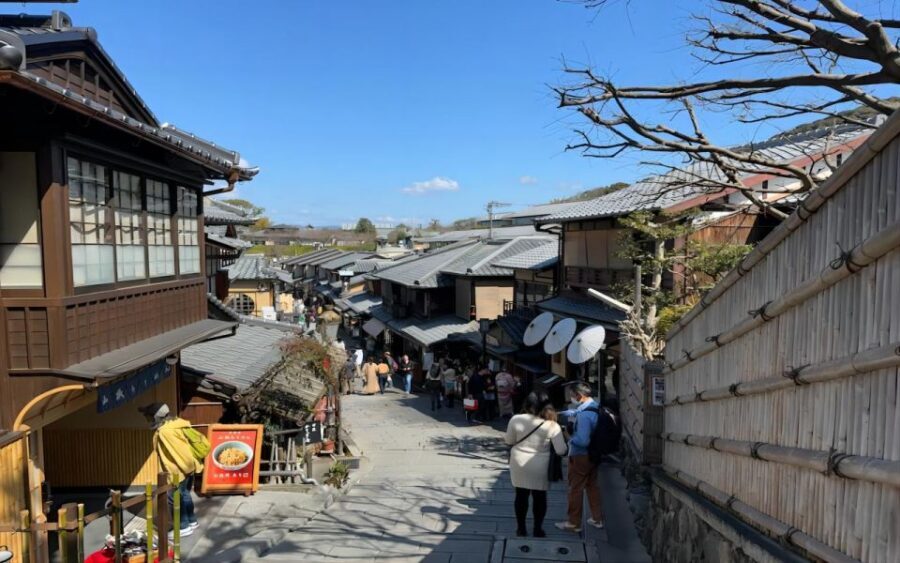
- Traditional streets later in the day: Hanami-koji and Sannenzaka for atmosphere and photos.
- Optional English guide: useful for context, but you should expect that language and depth can differ.
- Pro driver who knows the approach roads: the car can get you close to entrances, saving you walking time.
Why a private car is the smart way to do Kyoto from Osaka
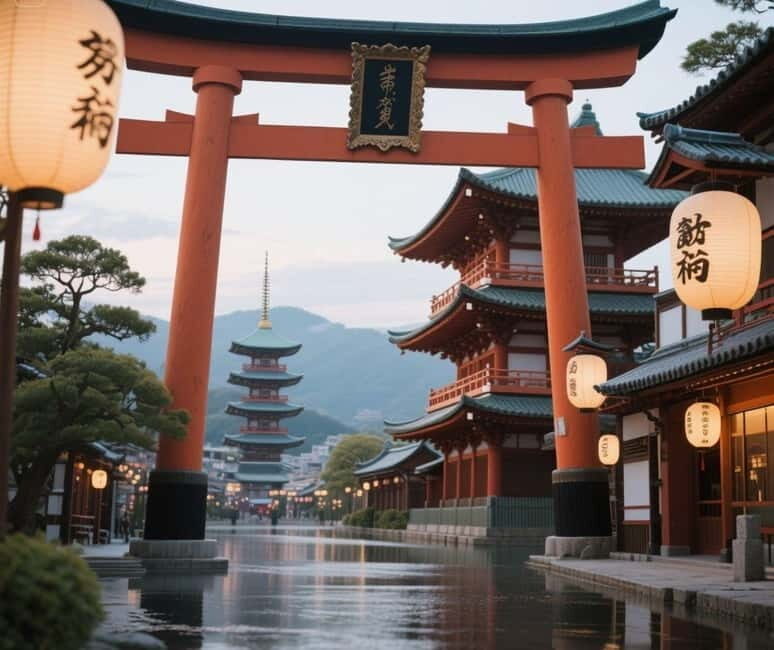
Kyoto is easy to romanticize, and harder to manage. The train works, buses work, but the moment you add transfers, schedules, and navigation, your day starts to feel like logistics instead of travel. This tour solves that with a private, air-conditioned vehicle and a professional driver, so you spend your energy on where you want to be—not how to get there.
The value here is not just “comfort.” It’s control. You’re not trapped in a rigid pace, and you can take breaks when the lines spike or your group just wants slower strolling. That flexibility is especially helpful when Kyoto’s crowd flow shifts block by block.
One more thing I appreciate: this is a private group. That means you’re not negotiating for photo angles, waiting for stragglers, or listening to a group pace that doesn’t match yours. If you’re traveling as a couple, family, or small group, the private format is often what turns a good day into a really enjoyable one.
You can also read our reviews of more private tours in Osaka
Morning pickup in Osaka: how the day starts (and why it matters)
The tour runs for about 10 hours, with a common start around 8:00 AM. Your driver picks you up from your chosen Osaka address—hotel, Airbnb, apartment, or another location you specify. Then you head toward Kyoto, typically taking around 1 hour and 30 minutes depending on traffic.
This early timing matters because Kinkaku-ji and Kiyomizu-dera tend to draw big daytime crowds. Going with a car also means you can plan your day with fewer moving parts: you’re not guessing train stations, and you’re not doing map math while holding bags and trying to stay on schedule.
One practical note: your driver contacts you the day before with details on the meeting point. That small step reduces morning stress. And when you’re deciding what to wear, choose comfortable shoes—Kyoto is a walk-heavy day even with close drops.
Kinkaku-ji: planning your walk around the Golden Pavilion
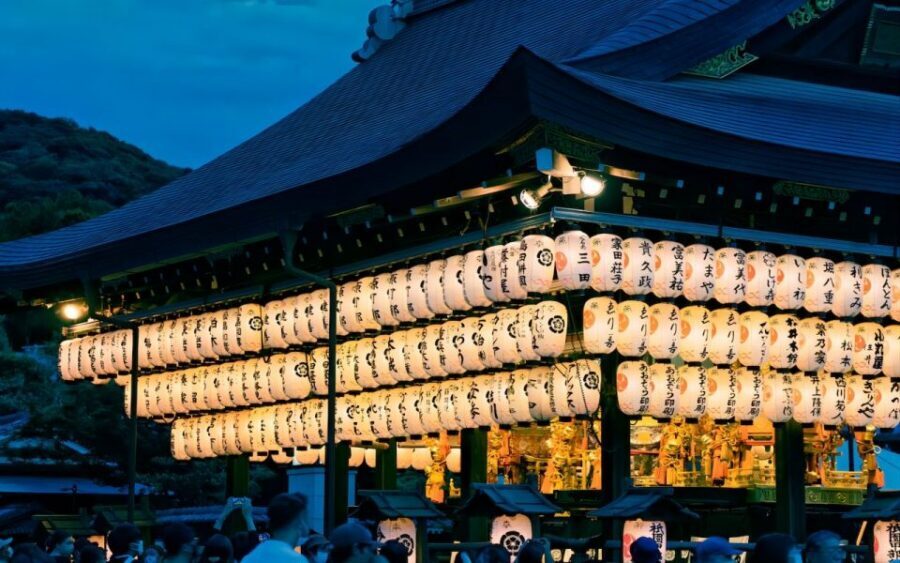
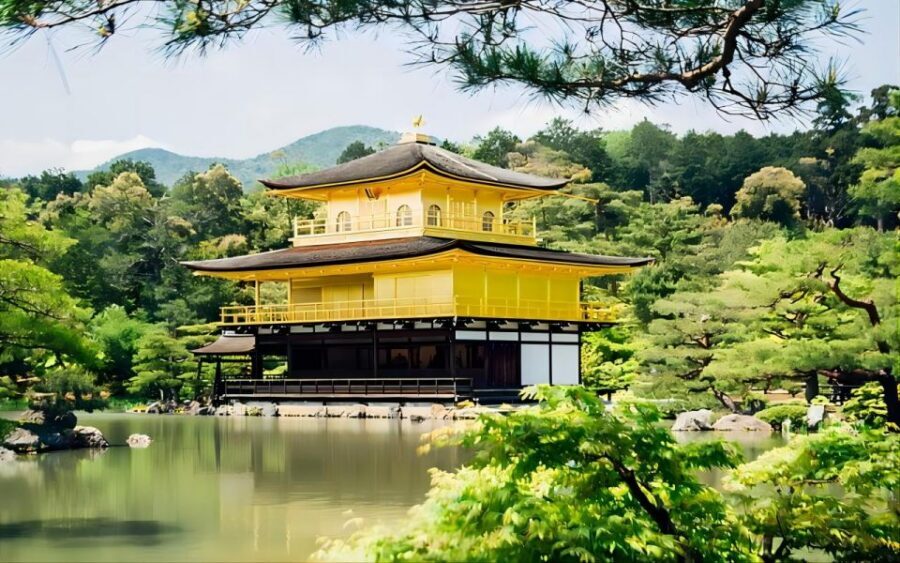
Most days follow a visit window of about 1 hour here (often around 9:30–10:30 AM). Kinkaku-ji—the Golden Pavilion—hits you fast: the famous temple structures, the surrounding gardens, and that distinctive Kyoto feeling of carefully arranged space.
With a private car, you don’t waste time getting from one parking/transit zone to the entrance. The driver can bring you as close as possible, which is a real benefit when you’re trying to make the most of your limited time.
How to enjoy it without rushing:
- Spend a few minutes just looking before you move. Kyoto rewards slow scanning.
- If there’s a lot of foot traffic, shift your viewing angles rather than trying to “power through” the crowd.
- Keep an eye on your time, because your second major stop has a lot of walking built in.
A good day here sets the tone. You’re starting with one of Kyoto’s most iconic sights, and then you move into neighborhoods and shrines where the atmosphere feels more human-scale.
Kiyomizu-dera: the views, the stairs, and timing your energy
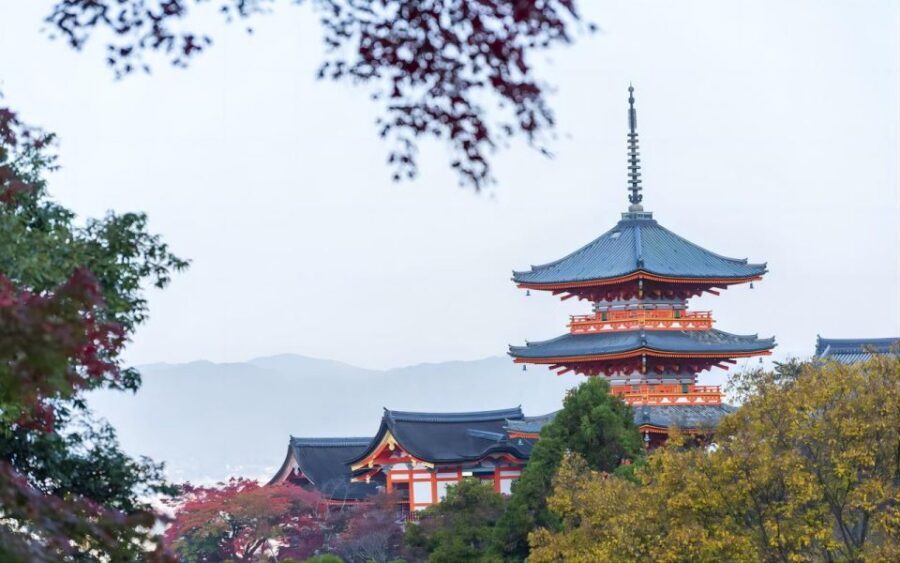
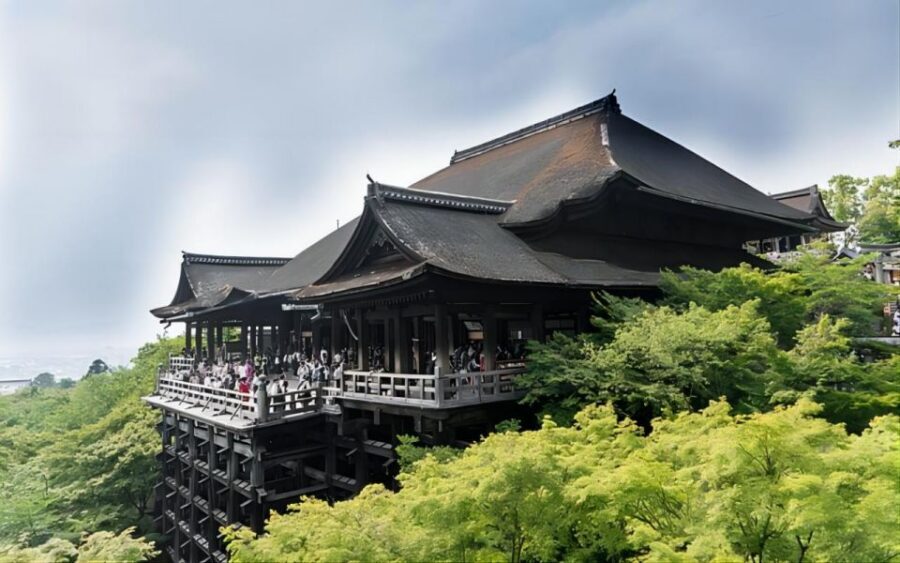
After Kinkaku-ji, the day typically continues to Kiyomizu-dera, often with about 2 hours on-site (commonly around 10:35 AM–12:30 PM). Kiyomizu-dera is famous for views and for the way the site flows over slopes and steps.
This stop is where your shoes and your stamina really matter. Even if you’re not “climbing,” you’re moving up and down in a way that feels more like walking a small circuit than sightseeing on flat ground.
A smart way to pace it:
- Don’t try to see everything in one straight line.
- If you feel your legs getting heavy, take shorter breaks and keep moving. It’s better than stopping for long rests that mess up the rest of the schedule.
- When crowds thin, use that moment for photos and viewpoints.
If you’re also thinking about lunch, keep it simple. Lunch is usually planned near 12:35–1:30 PM, but remember lunch fare isn’t included. You’ll want to budget time for eating and getting back on track.
Yasaka Shrine: praying for good luck and resetting the mood
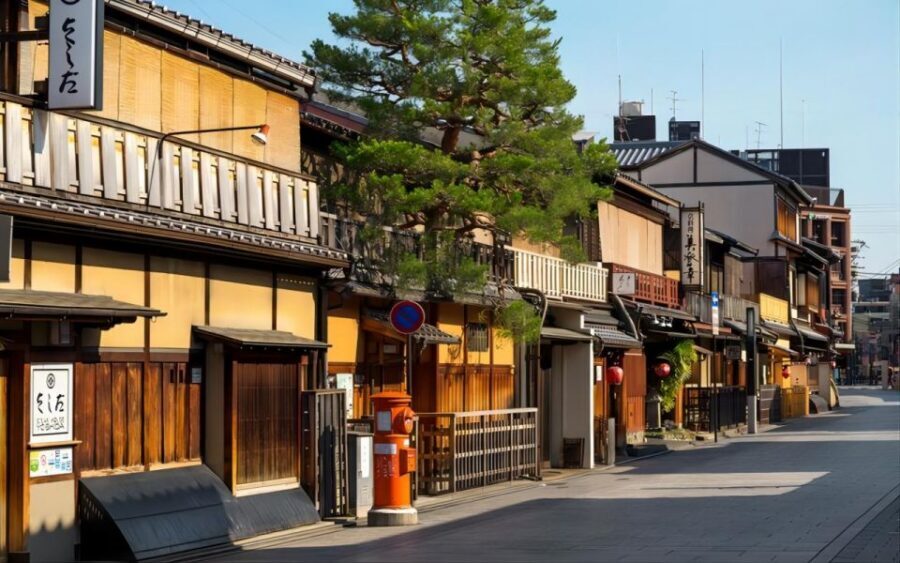
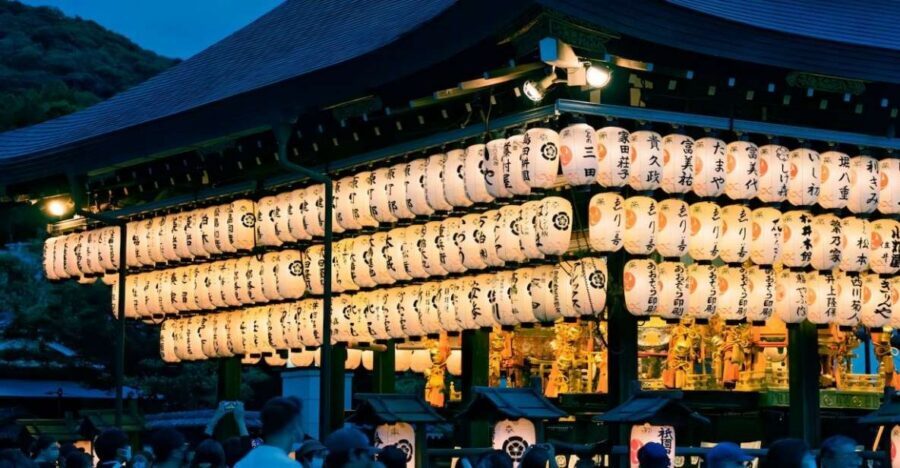
Once you’ve had your fill of big-name sights, the day often shifts to a calmer, more local tone with Yasaka Shrine. A common window is about 1.5 hours (often 1:35–3:00 PM).
What I like about Yasaka is the rhythm. It’s not just a photo stop—it’s a place where people slow down for rituals and wishes. That’s a nice contrast after the more structured viewing of temple complexes.
A simple approach:
- Spend a few minutes at the main shrine area first.
- Then wander at your own speed and don’t over-plan. The best moments here are usually small and quiet.
- If you’re traveling with kids or anyone who tires quickly, this is a good “let’s take it easy” stop compared to steep terrain elsewhere.
This is also a helpful buffer before the last walking stretch. By this point, you’re usually able to judge your pace better—whether you want to linger, or keep energy for the streets at the end.
Hanami-koji and Sannenzaka: old streets, shops, and easy photos
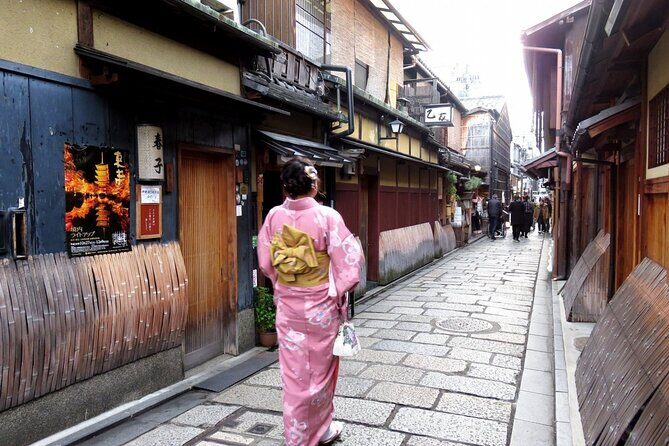
The final sightseeing stretch typically goes to Hanami-koji and Sannenzaka, usually about 1.5 hours (often 3:30–5:00 PM), before heading back to Osaka. This is where Kyoto starts to feel like a story you can walk through.
These lanes are great for:
- browsing small shops,
- grabbing snacks if you want something light after lunch,
- and taking photos without needing a “must-see” checklist.
I’d treat this part less like a museum and more like a neighborhood stroll. You don’t need to rush from one point to another. If the street is crowded, turn sideways, step back, and wait for the flow to move. You’ll get better pictures with less stress.
Also, keep in mind that this is one of the best times of day for the “walking Kyoto” vibe. The afternoon light and the slower pace relative to the morning make it easier to enjoy without feeling on a timer—assuming you’ve kept your energy levels balanced earlier.
English guide vs just the driver: what changes in your experience
You can choose an English-speaking guide as an add-on, or go with the driver only. Without the guide, you’re relying mainly on your own interests and a driver who handles routes and timing. With the guide, you’re adding context—stories, local explanations, and help navigating what you’re seeing.
Here’s the practical part: I see the guide as a “quality variable.” When the guide is strong, the trip becomes easier to understand and more satisfying. One guide named Ms. Sunny was highlighted for taking care of pace and even helping with lunch details. Another experience described a guide acting more like an interpreter without much actual place knowledge, and that’s where value can feel thin.
If you want maximum “Kyoto context,” pick the guide option. If you prefer quiet sightseeing and you’re okay reading signs or using your own guide materials, you might do just fine with the driver only.
Either way, the driver remains the backbone. Multiple experiences praised the driver’s ability to know streets and bring the car close to entrances—specifically one driver identified as mr. Lee. That ability alone saves time and reduces walking fatigue.
Price and logistics: when the math feels fair (and when it doesn’t)
At $278 per person for a 10-hour private car day, this isn’t the cheapest way to do Kyoto. The honest value question is: what are you buying for that money?
You’re buying:
- no public-transport planning, and less time lost to transfers,
- a professional driver handling navigation,
- parking and vehicle logistics handled for you,
- and the option to add an English guide if you want deeper explanations.
Where it can feel less fair is when the guide experience doesn’t match your expectations, or when your day gets slowed by real-world factors like traffic and crowds. Your itinerary is “for reference,” and timing can shift based on passenger flow and visit times. That’s normal in Kyoto, but it can affect whether you fit every intended stop.
Also budget for the extras you’ll inevitably pay:
- Admission tickets are not included.
- Food and drinks are not included.
- If you need more time, there are overtime fees: $42 per hour without a guide or $67 per hour with a guide.
So my value advice is simple:
- If you’re a couple or family splitting the cost, it often feels more reasonable.
- If you’re solo and want a stress-free day with minimal navigation effort, it can be worth it for your time and sanity.
Who this Kyoto day trip fits best
This tour fits best if you want Kyoto highlights with low friction.
It’s a great match for:
- Solo travelers who don’t want to wrestle with routes and schedules,
- couples who want a romantic, paced day without rushing,
- families who might not enjoy long transit days,
- small groups that prefer staying together in one private vehicle.
It also works well if you want a day structured around the big hits: Kinkaku-ji, Kiyomizu-dera, Yasaka Shrine, plus the street atmosphere of Hanami-koji and Sannenzaka.
If you’re the type who enjoys building your own route and hopping trains between neighborhoods, you may not need a private car. But if you’d rather spend your energy on walking Kyoto with breathing room, this format is a strong choice.
Should you book this Kyoto private day trip from Osaka?
Book it if your priority is a smooth day with door-to-door pickup, comfortable transport, and the freedom to adjust. I’d especially consider it if you want to see multiple top sights without adding the mental load of trains, stations, and language navigation.
Don’t book it blindly if you care a lot about guide depth. The guide is optional, and experiences can range—some guides provide real local insight, while others may act more as an interpreter. If you choose the guide option, it’s worth confirming your expectations for how much explanation you want during temple and shrine visits.
Finally, pack for walking and plan on paying for entrance fees and meals on your own. With that in mind, this can be a really enjoyable, well-paced way to get Kyoto into one day—without turning your trip into a timetable.
FAQ
FAQ
What’s included in the tour price?
The price includes hotel pickup and drop-off in Osaka, an air-conditioned vehicle, a professional driver, and parking fees. If you select the English guide option, the English-speaking guide is included too.
What isn’t included?
Admission tickets, food and drinks are not included. Lunch fare is also not included in the package.
Can I customize which places we visit?
Yes. You can design and confirm your own itinerary in advance, and you can discuss adjustments with the charter driver based on timing, traffic, and visit conditions. The schedule is a reference point.
Is there an English-speaking guide?
The English-speaking guide is optional. The guide is listed as English (and Japanese), but how much detail you get may depend on the guide assigned.
What happens if we need extra time?
Overtime fees apply if the trip runs longer than planned: $42 per hour without a guide, or $67 per hour with a guide.
Is the tour wheelchair accessible?
Yes. The activity is listed as wheelchair accessible.