REVIEW · NAGASAKI
Fukuoka, Saga, Nagasaki Customizable 1-Day Tour
Book on GetYourGuide →Operated by Local Insight Tours · Bookable on GetYourGuide
One day can feel like three on Kyushu. What makes this tour different is the customizable route across Fukuoka, Saga, and Nagasaki, guided in English by someone who can connect the dots between nature, architecture, and history. If you get matched with a guide in the Mr. Duncan style, you also get a tour that’s practical and calm, with explanations that help each stop make sense fast.
My favorite part is how the day balances scenery with meaning: Shiraito Falls and Futamigaura for the Japanese-coast beauty, then Nagasaki’s Peace sites and museum for the city’s hard-won lessons. One drawback to plan around: it’s a 12-hour push, and admission fees and meals are not included, so you’ll want to budget extra and keep your schedule realistic if you’re tired easily.
In This Review
- Key things to love about this Fukuoka–Saga–Nagasaki day
- How the customizable Kyushu route actually works
- Saga’s Shiraito Falls and Futamigaura: beauty with a story
- Sasebo and Huis Ten Bosch: Dutch-style fun without leaving Kyushu
- Nagasaki Peace Park: the city’s memory in walkable form
- Nagasaki Atomic Bomb Museum: where facts meet restraint
- Chinatown lunch, Oura Church, and the port’s cultural mixing
- Glover Garden and Thomas Blake Glover: European houses in Japanese framing
- Price and value: what $625 per person is really buying
- Comfort and practical tips for a long Kyushu day
- Who should book, and who should skip
- Should you book the Fukuoka, Saga, Nagasaki 1-day private customizable tour?
- FAQ
- How long is the Fukuoka, Saga, Nagasaki customizable tour?
- Is this tour private or shared?
- What language is the tour guide?
- Where does pickup happen?
- Is the itinerary fixed?
- What’s included in the price?
- What is not included?
- Is the tour available rain or shine?
- Are there any shoe restrictions?
- When will I be contacted about the tour confirmation?
Key things to love about this Fukuoka–Saga–Nagasaki day
- Choose your own stops: your guide helps shape the day around what you care about.
- English guidance with local context: the route is explained, not just listed.
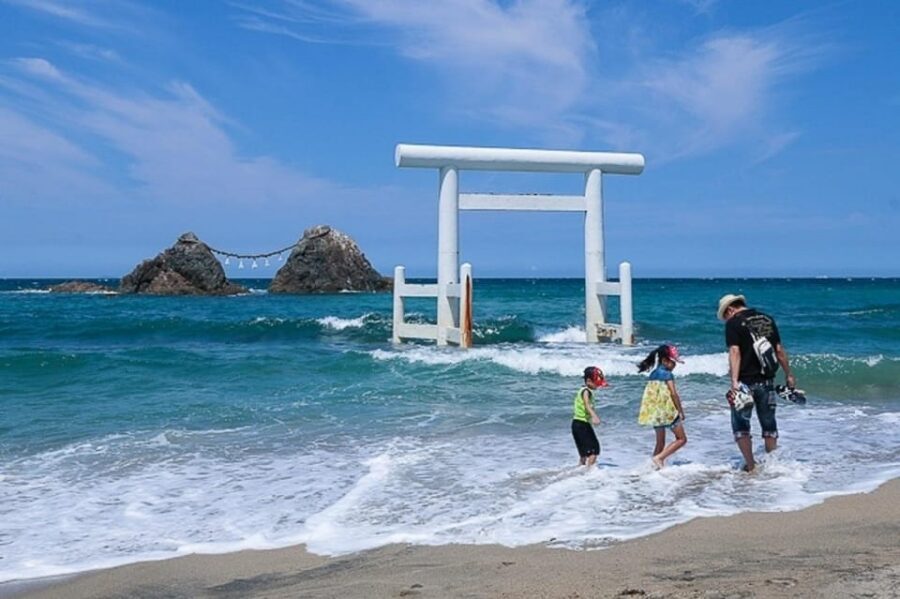
- Photo-ready coastal moments: Futamigaura’s rope-linked rocks are a standout.
- Nagasaki Peace sites done respectfully: Peace Park and the Atomic Bomb Museum add real context.
- Western-meets-Japan history: Oura Church and Glover Garden show how the port shaped culture.
- Food time built into the plan: you’ll have a lunch slot for classics like chanpon and Sara Udon.
How the customizable Kyushu route actually works
This is a private, full-day tour with hotel pickup and drop-off. You meet your guide at your accommodation, then you head out in a single-day loop across Fukuoka into Saga and on to Nagasaki. The big selling point is that it’s not a one-size-fits-all checklist—you can say what you want more of, and your guide will adjust the flow.
You can expect a route like: start in Saga with waterfall scenery, then move toward coastal photo stops, then take you through Sasebo and into Nagasaki. After that, the day shifts from viewpoints to memory and education at the Peace-related sites, then returns to culture with Chinatown, churches, and western-era architecture. It’s a smart way to see Kyushu without hopping hotels.
Because you’re customizing, you’ll get more value if you go in with clear priorities. For example, tell your guide if you want (1) more nature and photography, (2) more wartime history, (3) more churches and European-influenced buildings, or (4) a food-forward day. One past guide, Mr. Duncan, has been praised for adding extra food experiences like a strawberry farm and home-cooked ramen—exactly the kind of tailoring you’d want on a day this long.
You can also read our reviews of more tours and experiences in Nagasaki.
Saga’s Shiraito Falls and Futamigaura: beauty with a story
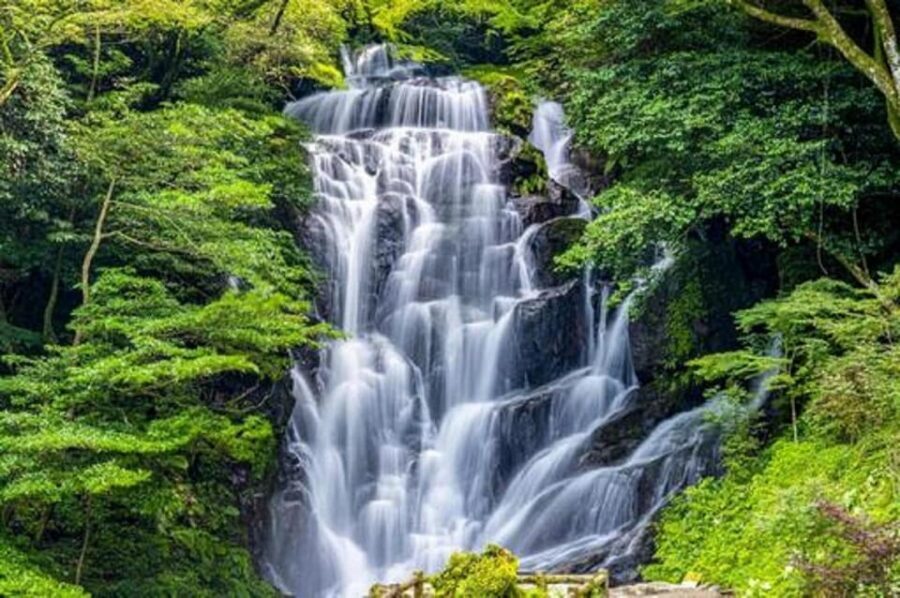
Saga is where the tour starts feeling cinematic. Shiraito Falls is described as soft and feminine in its look, shaped by the spring water from the waterfall. The visual effect is partly about structure: as you get closer to the basin, you can see the arched form more clearly. This is the kind of stop that rewards slow steps. You don’t just look—you pause long enough to notice how the water and the rock arrangement create the signature shape.
Then you move to Futamigaura. The two rocks in the sea are about 150 meters from the beach, and they’re linked by a rope. The symbolism matters here: the rope is meant to represent a happy marriage. Even if you’re not the type to chase symbolic spots, this one is still worth it because it’s a naturally framed photo scene with a clear reason behind the local legend.
Practical tip: this part of the day works best if you wear shoes you can walk in comfortably. The tour notes no high-heeled shoes, which is a hint that you’ll likely be on uneven paths and need stable footing for viewpoints near water.
Sasebo and Huis Ten Bosch: Dutch-style fun without leaving Kyushu
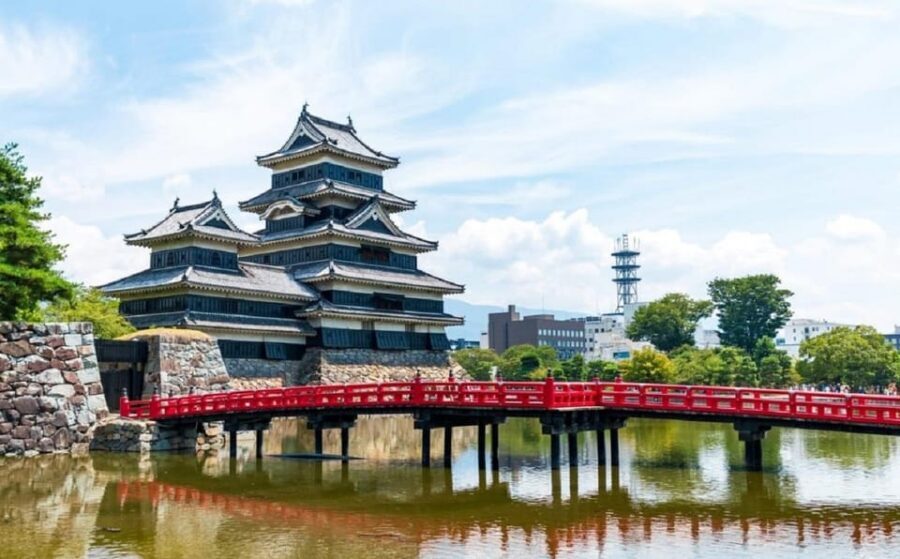
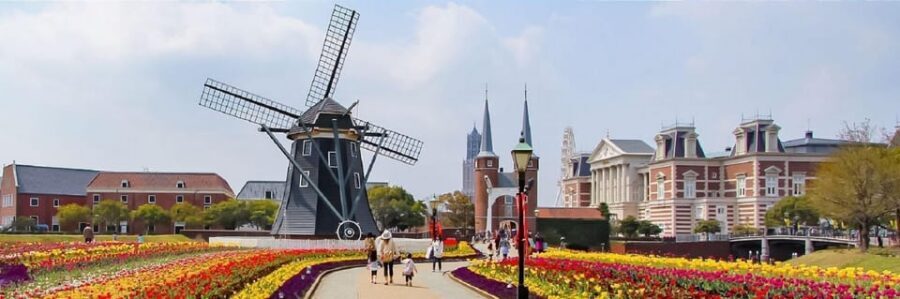
From Saga, the tour shifts toward Sasebo and Huis Ten Bosch. This theme park is known for architecture that mimics a Dutch village, so you get a sudden change of scenery: canals, European-style buildings, and attractions that re-create famous sights. If you like photo-heavy places, this is one of the stops where you’ll feel like you’re traveling abroad—while still staying in Kyushu.
The plan also includes a small boat to navigate around the park areas. That matters because it changes the way you experience the space. Instead of walking in a straight line, you get a slower viewpoint with the layout opening up around you.
A realistic consideration: theme parks can be time sinks. If you’re the type who wants a lot of stops, you might want to ask your guide for a plan that hits the highlights efficiently—like choosing which rides or areas you care about most before you arrive. Since the tour is customizable, you can often trade less important corners for more time on Nagasaki’s Peace sites later.
Nagasaki Peace Park: the city’s memory in walkable form
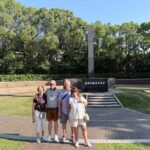
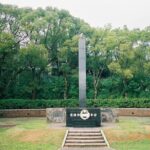
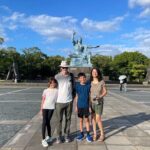
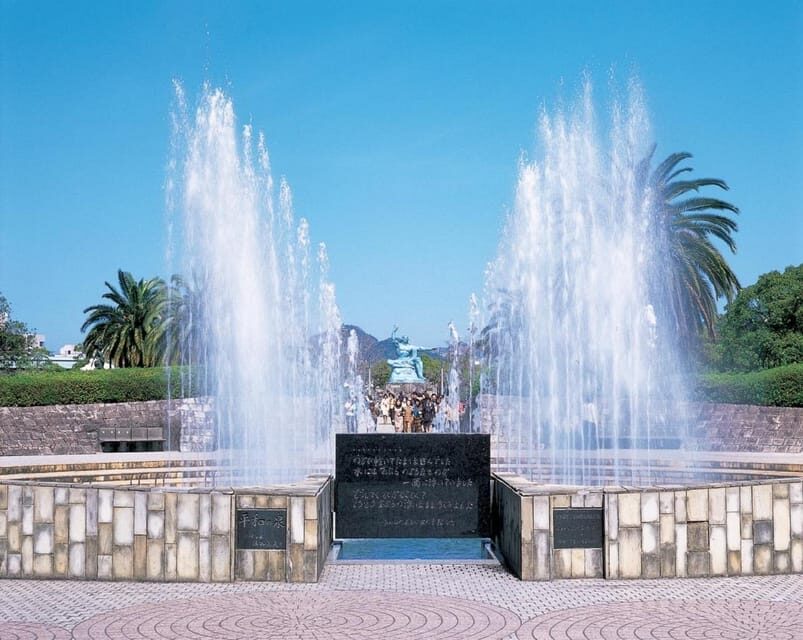
Nagasaki’s Peace Park is the emotional center of the day, and the itinerary is built to help you understand what you’re seeing. You start with the Peace Statue, described as a symbol of the city and of world peace. It sets the tone: this isn’t a sightseeing stop meant to be quick.
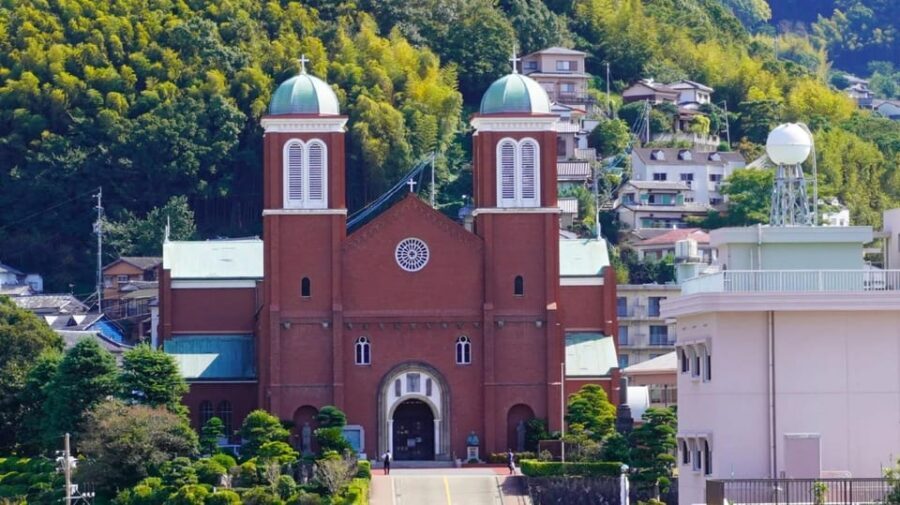
Next comes Nagasaki Hypocenter Park, built on the site of the epicenter of the blast. You’ll see the poignant cenotaph and the surviving wall of the Urakami Cathedral. These aren’t just “historic objects.” They’re anchors to place and to human impact, and your guide’s job is to help you read the meaning behind them.
This is also where pacing matters. If you’re sensitive to heavy history, plan to take breaks when you need them. The tour moves from outdoors into a museum, so expect your emotions to go through different phases during the day.
Nagasaki Atomic Bomb Museum: where facts meet restraint
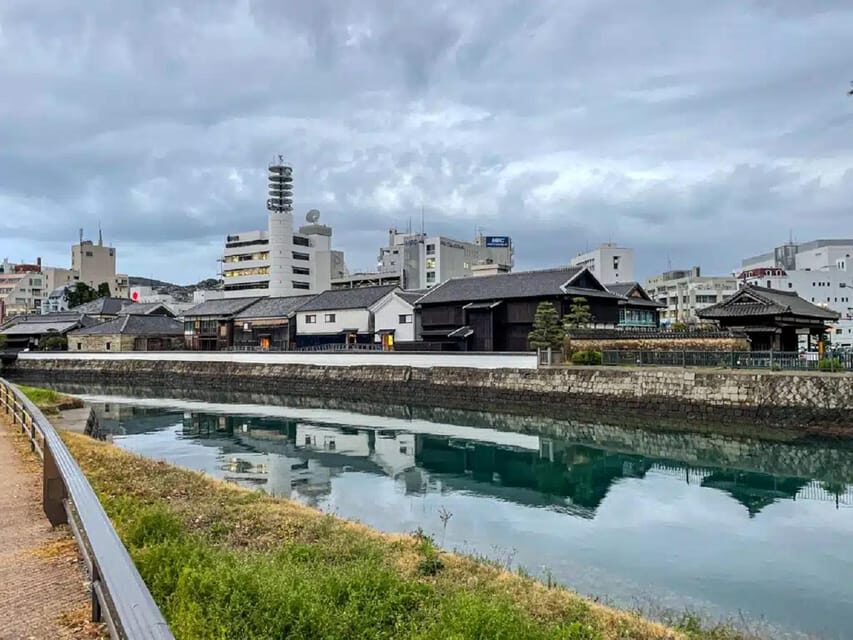
After the Peace Park walk, you visit the Nagasaki Atomic Bomb Museum. The tour description focuses on historic exhibits and poignant artifacts recovered in subsequent years. That phrasing matters because it tells you how the museum is trying to work: it doesn’t only give dates and locations, it shows what survived and what was rebuilt.
This is a good stop if you want to understand how Nagasaki has tried to promote peace between nations after the bombing. The museum complements the memorial spaces outside—outdoors you absorb the scale of place, inside you get details that make that place legible.
If you’re the kind of traveler who likes to summarize what you’ve learned later, bring that habit here. Even just mentally noting a few key themes—impact, recovery, and peace efforts—will make the rest of your day feel more connected rather than like a list of attractions.

Chinatown lunch, Oura Church, and the port’s cultural mixing
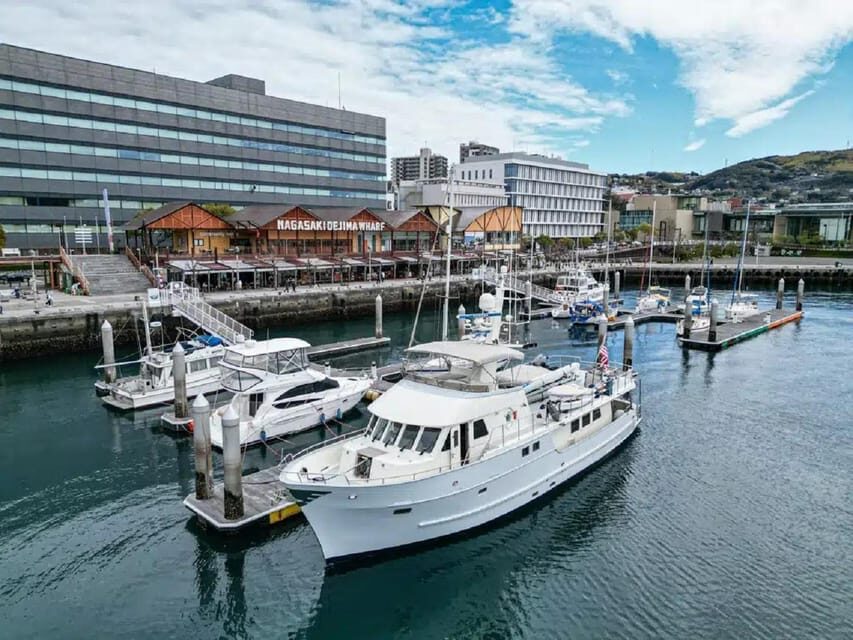
After the museum, the tour shifts gears to daily life and cultural exchange. You’ll explore the Chinatown district of Nagasaki, where the port history brought centuries of cultural exchange between East and West. This matters because it explains why Nagasaki can feel different from other Japanese cities—you’re not just looking at buildings, you’re seeing how trade routes shape everyday culture.
Lunch is included as a stop at a local restaurant, with examples of dishes like chanpon noodles and Sara Udon noodles. If you’re deciding how much you want to eat today, treat lunch as your energy reset. The day is long, and the Peace sites can be mentally heavy, so you’ll appreciate having a proper meal midway.
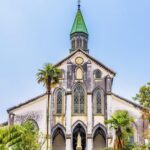
Then comes Oura Church. It’s described as a place of worship for Nagasaki’s Christian residents since the mid-1800s, and it’s designated as a National Treasure. The tour also notes it as Japan’s oldest surviving church. This stop adds architectural and religious context—something you may not notice if you only think of Japan’s modern history as strictly “Japanese” without foreign contact shaping the coast.
A practical note: since you’ll likely walk through church grounds and nearby areas, stick with supportive shoes and avoid anything slippery.
Glover Garden and Thomas Blake Glover: European houses in Japanese framing
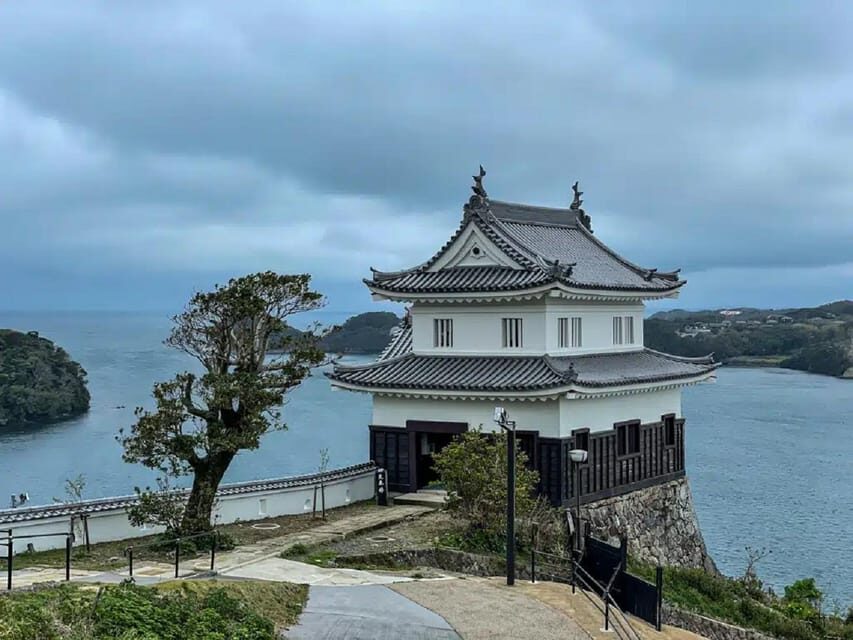
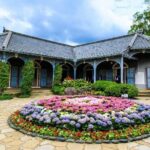
Glover Garden wraps up the cultural side of the itinerary. You’ll visit western homes and buildings reassembled around the house of the Scottish entrepreneur, Thomas Blake Glover. The key idea is relocation and reconstruction: the buildings are presented as a group, and that makes it easier to compare styles and understand why western presence mattered here.
The tour doesn’t position this as a random scenic finish. It’s a historical echo of the port’s openness—where trade and people moved, buildings followed, and the city’s identity expanded. After the emotional weight of Nagasaki’s memorial sites, Glover Garden can feel like a lighter landing, but it still belongs to the larger story of contact and change.
If you enjoy viewpoints, keep an eye on sightlines and photo angles here. The garden setting gives you a chance to see the city’s past in a way that isn’t only about plaques—it’s about space, angles, and how places hold time.
Price and value: what $625 per person is really buying
At $625 per person for a 12-hour private tour, you’re paying for more than “someone driving you around.” Your guide time is the main cost, plus transportation fees, travel handling charges, and hotel pickup and drop-off. On top of that, the tour includes tour fees and taxes and travel insurance.
Where you’ll likely spend extra: food and drinks, activity expenses, and admission fees/entrance fees. That doesn’t make the price bad—it just means you should budget separately for what you choose to enter. For example, if you add the museum and the theme park, you’ll likely want funds ready for tickets even if most of the tour day is handled for you.
Here’s how to think about the value. If you want a one-day route that links three regions—Fukuoka to Saga to Nagasaki—with explanations and smooth logistics, paying for a private guide often beats piecing together multiple transport systems and ticket questions alone. And because the route is customizable, you can steer the day toward what matters most to you instead of paying for stops you’ll skip anyway.
Comfort and practical tips for a long Kyushu day
This is a rain-or-shine experience, so plan for weather changes. Bring a light layer even if forecasts seem warm. Also, since the tour says high-heeled shoes are not allowed, you’ll have a better day with walking shoes you trust.
The biggest comfort factor is time management. You’re cramming a lot into one day, from waterfall and coastal scenery to war history sites and then churches and gardens. If you’re prone to getting tired, ask your guide for built-in pacing—like shorter stop windows at theme-park areas and longer, slower time at the sites you care about most.
Also consider your morning energy. The tour begins with pickup and then heads out to Saga right away. If you want the best photos at places like Futamigaura, you’ll want to be ready to move quickly after pickup.
Finally, use your guide’s advice on navigation and where to eat and shop. The tour includes tips about getting around and local recommendations, which often turns a stressful day into a smooth one.
Who should book, and who should skip
This tour is a great fit if you want three things in one day: (1) flexible planning, (2) an English-speaking guide who helps you understand the stops, and (3) a route that covers both scenery and serious history. It’s also ideal for a private group because it keeps the day tailored to your pace instead of the pace of strangers.
Based on the tour information, it can be tricky for wheelchair users. The tour description includes wheelchair accessibility, but it also states not suitable for wheelchair users. That contradiction means you should confirm your specific needs directly with the provider before booking.
If you’re traveling for photography and want iconic coastal moments like Futamigaura plus major historical stops in Nagasaki, this itinerary format makes sense. If you only want one theme—pure nature, or only shopping, or only museums—you may feel better choosing a shorter or more focused option and keeping the day less intense.
Should you book the Fukuoka, Saga, Nagasaki 1-day private customizable tour?
Yes, if you like guided context and you want one day to cover a lot of Kyushu territory without losing your mind to logistics. I’d especially recommend it if you care about the story behind Nagasaki’s Peace sites, but you also want lighter cultural stops afterward like Chinatown, Oura Church, and Glover Garden.
Consider booking only if you’re also okay with extra spending on top of the base price for meals and entrance fees, since those aren’t included. And if mobility is an issue, confirm suitability first.
If you want a day that feels like Kyushu through a local guide’s eyes, this is a strong option—particularly with a guide like Mr. Duncan, who has been praised for being helpful and going beyond the expected plan with food experiences such as home-cooked ramen.
FAQ
How long is the Fukuoka, Saga, Nagasaki customizable tour?
It lasts 12 hours.
Is this tour private or shared?
All bookings are private, so it’s for a private group.
What language is the tour guide?
The tour guide provides live support in English.
Where does pickup happen?
Pickup is included from your airport, train station, hotel, or convenient stalls.
Is the itinerary fixed?
No. You choose your stops based on your interests, and your guide will help craft the day.
What’s included in the price?
Tour fees and taxes, travel insurance, a local personalized tour guide, English support charges, travel handling charges, transportation fees, and hotel pickup and drop-off.
What is not included?
Food and drinks, activity expenses, and admission/entrance fees.
Is the tour available rain or shine?
Yes, it takes place rain or shine.
Are there any shoe restrictions?
High-heeled shoes are not allowed.
When will I be contacted about the tour confirmation?
The tour is not confirmed until your guide contacts you, and guides will contact you within 7 days.