REVIEW · SAPPORO
Gluten-free only.Soba making experience plan!
Book on Viator →Operated by もんど · Bookable on Viator
Soba gets tricky fast when it is gluten-free. This gluten-free only Sapporo soba-making experience focuses on making the noodles from 100% buckwheat (no wheat flour, no binding flour) and then teaching you how to eat them the real way. I like that it is designed around the reality that gluten-free soba is harder to pull off, so the class builds the right kind of attention and timing from the start.
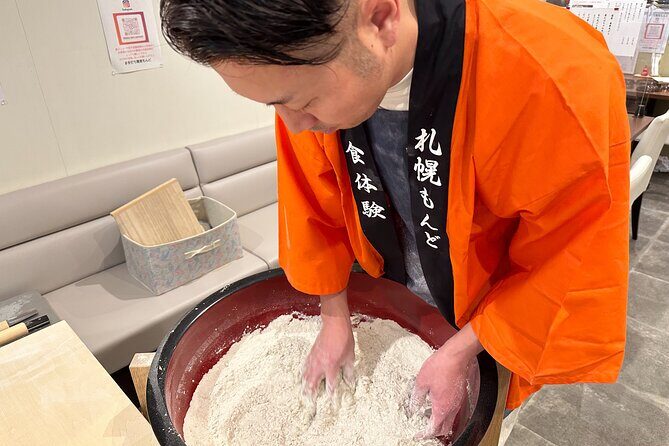
What really won me over is the setting: it is not a demo room. You learn in a real soba restaurant supported by long-time craftsmen, with the same kind of steps you’d see in serious noodle work—mixing, kneading, stretching, cutting—plus guidance on striking and eating. You also get the culture piece: how soba-yu is used, and how to finish with a warm sip.
The one drawback to plan for is that gluten-free noodles are less forgiving. With no binding flour, the dough can crack more easily and it is sensitive to temperature and humidity, so the class moves faster than typical soba workshops. If you want a slow, laid-back craft session, this one asks you to work with the pace.
In This Review
- Key things to know before you go
- 100% buckwheat, no binding: the core idea of this class
- In a real Sapporo soba restaurant, not a tourist workshop
- The hands-on timeline: mixing to cutting, step by step
- Temperature, humidity, and why speed is part of the lesson
- Soba-yu, house sauce, and the meal that makes it feel complete
- Price and timing: is it good value for Sapporo?
- Who should book this gluten-free soba class
- Should you book it?
- FAQ
- FAQ
- Is this soba experience gluten-free only?
- How long is the experience?
- Do you make the noodles yourself?
- Is there any food included after the class?
- What happens if someone in my group does not participate in making noodles?
- What is the cancellation window?
Key things to know before you go
- 100% buckwheat flour only, no wheat, no binding flour
- Gluten-free soba is timing-sensitive: speed matters because the noodles dry and cut differently
- A real soba shop lesson, supported by craftsmen (not a tourist-style “watch and try” setup)
- How to eat soba is part of the class, including dipping and finishing with soba-yu
- Clean equipment and dedicated handling for gluten-free use
- Optional tempura approach uses rice oil and rice flour for the batter
100% buckwheat, no binding: the core idea of this class
This soba experience is built around a tough truth: making gluten-free soba takes more skill than people expect. Traditional soba usually includes some elements that help with structure, but here the plan is strict—the noodles are made entirely from buckwheat flour. That means there is no binding flour and no wheat flour added.
Why does that matter to you? Because the dough behaves differently. With no binder, the noodles can be easier to dry and cut (you’re not fighting that extra flour structure), but they can also crack more easily. The class openly treats this like the main challenge, not a small footnote. You’ll work with the idea that speed beats perfection, especially during the stages where the noodles are being stretched and cut.
Another practical point: buckwheat soba is affected by conditions. Temperature and humidity can change how the dough feels and how the noodles hold together. You’re not just learning a recipe—you’re learning what “good soba making” means in real life: adjusting to the environment and to the timing of each step.
If you’re gluten-free and tired of watered-down versions of Japanese food experiences, this one aims for the real technique. The goal is not just eating soba. It is understanding why the craft matters.
You can also read our reviews of more tours and experiences in Sapporo.

In a real Sapporo soba restaurant, not a tourist workshop
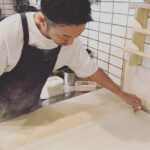
I like classes that happen where the craft actually lives. Here, you learn inside a genuine soba restaurant environment, the kind that is supported by craftsmen who have been working for over 10 years.
This is more than marketing. When soba making is treated like a craft job, you get better details: why tools are used, why the process is sequenced the way it is, and why small changes can affect the final noodle texture. The class also emphasizes that even in Japan, this isn’t something most people can just replicate casually at home. That matters because it sets expectations correctly from day one.
The restaurant angle also shows up in the pacing. Your work doesn’t end at “making something that looks like noodles.” You also get instruction on eating them, and you’re taught the soba-yu culture—how people drink the soba-related liquid to finish the meal. That turns the experience into a full loop: craft, cook, eat, finish.
There’s also a gluten-free safety layer built into how they handle equipment and process. Before gluten-free plans, items like kettles and colanders are cleaned and used. You’re using the containers the shop normally serves with, which usually means the class stays integrated into how the restaurant runs.
If you like authentic food culture, you’ll appreciate that the focus is the restaurant’s actual rhythm, not a staged performance.
The hands-on timeline: mixing to cutting, step by step
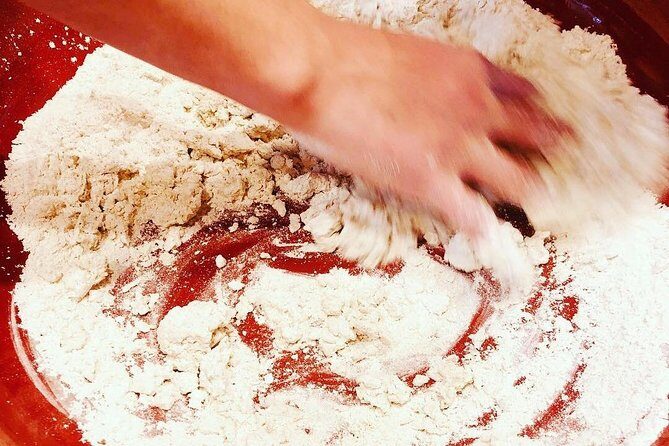
The lesson runs about 1 hour 15 minutes, and it follows a clear sequence. The core flow is the one you’d expect from serious soba technique:
1) Mix the buckwheat noodles
2) Knead the soba noodles
3) Stretch the soba noodles
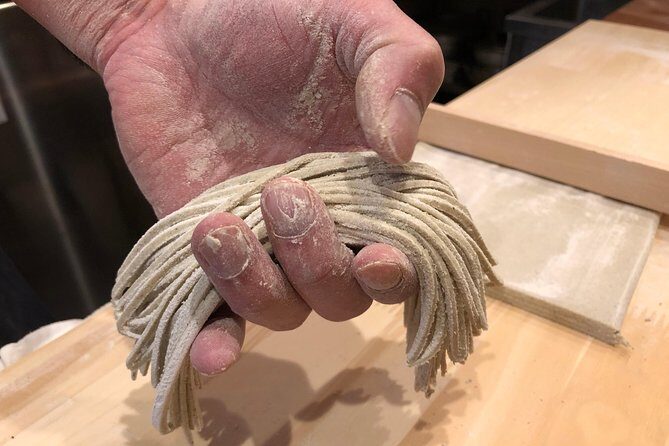
4) Cut the buckwheat noodles
5) Then you eat the soba
For you, the value isn’t just learning the steps. It’s learning what each step is trying to accomplish. Buckwheat dough behaves differently than wheat dough, and without binding flour, every action changes texture and structure.
Mixing and kneading are where you get your first “feel” for the dough. Stretching is where timing and technique show up fast. Cutting is where the earlier choices matter: once the dough is ready, you have to move quickly because gluten-free noodles can dry and crack if the process drags.
A small but important detail: this class is described as requiring speed more than a normal buckwheat noodle making experience. That’s not meant to scare you. It’s a heads-up so you don’t plan on polishing the dough slowly. The aim is to help you succeed in the window where the dough is workable.
The class structure is also practical for a group. In the time you have, you’ll experience the main steps without getting stuck waiting. And because it is taught by people who do this as their craft, your questions are likely to get real answers rather than generic tips.
Temperature, humidity, and why speed is part of the lesson
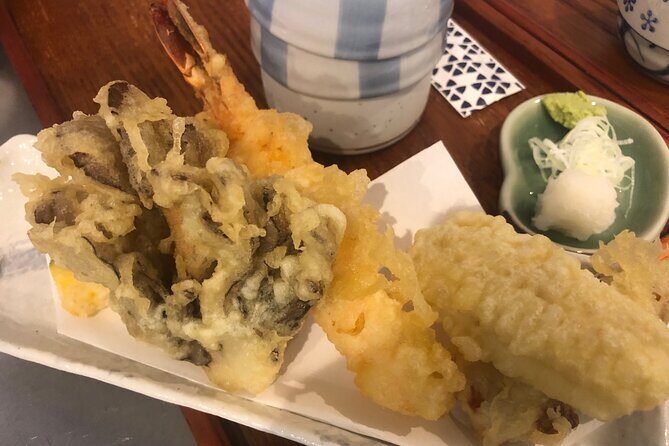
Gluten-free soba isn’t just a gluten-free substitute. It is a different material science problem. The class highlights that gluten-free soba can be difficult, and that only a few soba artisans can make high percentages of gluten-free soba well.
What you should take from that: don’t judge your noodle quality as if you were making an easy pasta at home. The key skill is executing the steps at the right time so the noodles stay intact through drying and cutting.
Humidity and temperature are the big variables. If the dough is too affected by the air, you’ll feel it in how it stretches or how it holds shape. That is why the workshop doesn’t treat your job as “be careful” so much as “be quick, and do the right action at the right moment.”
There’s also a subtle benefit for you, even if you only do this once. You come away with an appreciation for what professional noodle makers do every day: control conditions, work fast where needed, and build technique around the material’s limits.
If you are the kind of traveler who likes learning why food behaves the way it does, you’ll enjoy this. It’s not just hands-on; it’s explanation-driven around real constraints.
Soba-yu, house sauce, and the meal that makes it feel complete
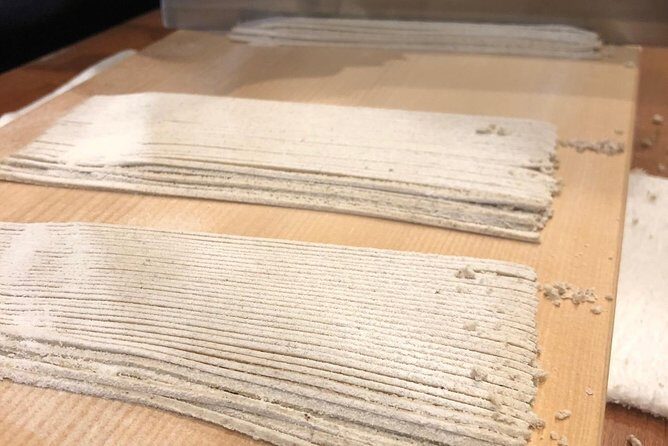
The class doesn’t stop when your noodles are cut. You also get instruction on how to eat soba, including the dipping method.
A standout detail is the sauce. The workshop mentions a special soba sauce made from soup stock. That matters because soba sauce is its own flavor system. It is not just soy sauce poured on noodles. Learning how to add and use dipping sauce is part of the experience, so your first bowl feels informed rather than accidental.
Then there is soba-yu culture—how soba is drunk to finish. This is a Japanese habit that can feel foreign until someone shows you how it fits into the meal flow. You’re learning the logic of the finish, not just getting a novelty sip.
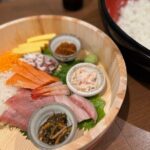
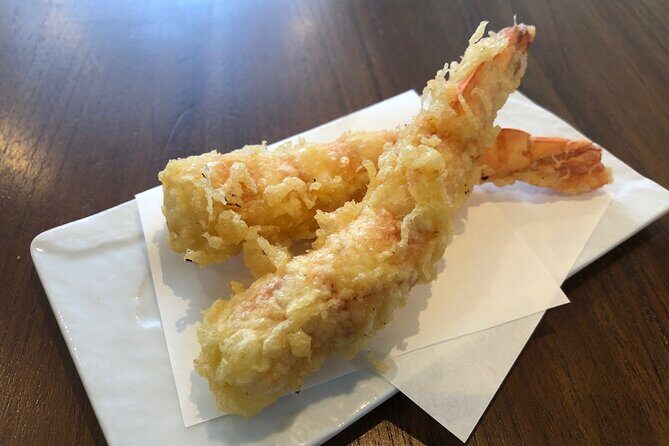
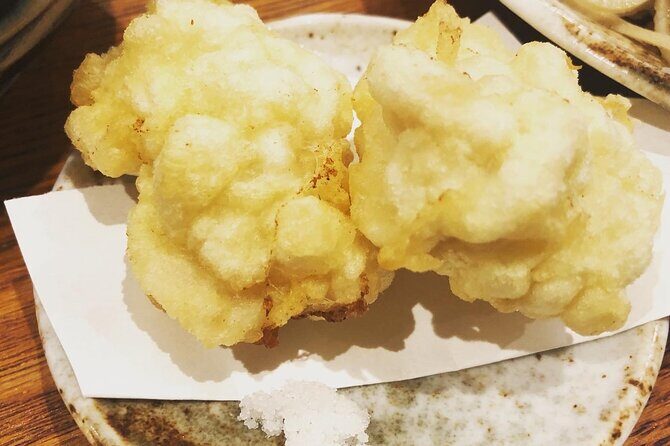
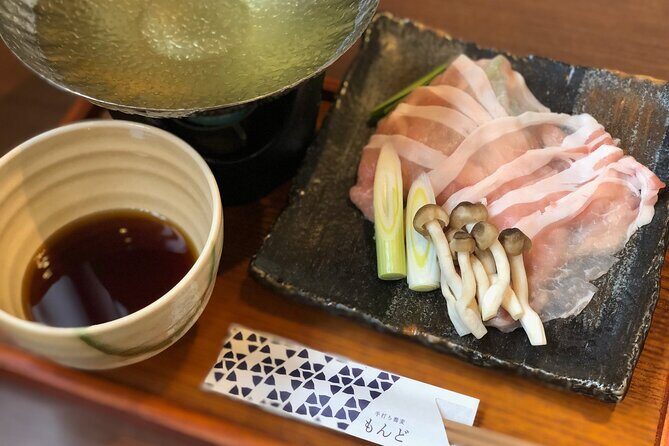
Food also closes the loop. Based on what people report from the experience, there’s a satisfying end meal that can include tempura and shabu shabu alongside the soba. The shop also describes how an optional tempura element is handled: using rice oil for tempura oil and rice flour for tempura flour. For gluten-free diners, that kind of clarity is exactly what you want.
If you’re worried about eating after making noodles—like getting stuck with something bland or separate—this is structured so you’ll actually sit down and taste the result as part of a proper meal.



Price and timing: is it good value for Sapporo?
At $84.70 per person, this class isn’t the cheapest thing in Sapporo. But the cost makes more sense when you look at what you’re getting: real handmade soba steps in a restaurant setting, gluten-free-focused handling, and a guided meal component.
The duration—about 1 hour 15 minutes—also affects value. You get a meaningful craft experience without turning it into a half-day plan. And because it’s a private tour/activity with only your group, you usually avoid the “everyone watches while one person works” problem.
One practical consideration: non-participants (people who only watch) are charged the same amount as experiencers. So if you’re traveling with someone who wants to see but not make noodles, you’ll want to think about whether they’d rather do another Sapporo activity while you attend.
Still, if you have a food-obsessed duo, a gluten-free family, or you want a memorable rain-day activity, it’s one of those meals-and-skills packages where the price mostly buys you expertise and attention.
Who should book this gluten-free soba class
This is a great fit if you:
- Need gluten-free only dining and want to learn within that framework
- Love hands-on food experiences where you do real work, not just taste
- Want to learn soba culture, including how to eat and how soba-yu fits in
- Like learning technique details like why speed matters and how conditions affect the dough
You might skip it if you:
- Want a slow, casual craft session with minimal pressure
- Get frustrated when food-making depends on environment and timing
- Have a very short attention window—this is active, and the pace is part of the point
If you’re traveling as a couple or small group, the “only your group” format is ideal. You’ll get more back-and-forth in a class that already benefits from close guidance.
Should you book it?
Yes—if gluten-free soba is on your wish list and you want the craft behind it. The strongest reason to book is the restaurant-style instruction paired with true 100% buckwheat technique. You’re not just eating noodles; you’re learning the why, plus the how-to-eat.
If you’re anxious about gluten-free complexity, this class also gives reassurance through specific handling notes: cleaning before gluten-free plans and clear approaches for components like tempura flour and oil. That helps you relax at the table.
And if you’re the kind of traveler who likes food when it comes with context, you’ll appreciate the soba-yu finish and the soup-stock sauce lesson. It turns a class into a full meal experience.
FAQ
FAQ
Is this soba experience gluten-free only?
Yes. The plan is described as gluten-free only, using 100% buckwheat flour with no wheat flour and no binding flour.
How long is the experience?
It runs for about 1 hour 15 minutes.
Do you make the noodles yourself?
Yes. The experience includes mixing, kneading, stretching, cutting, and then eating the soba.
Is there any food included after the class?
You eat soba as part of the experience, and the class also teaches how to eat it with dipping sauce and soba-yu. Tempura is mentioned as an option, and meal elements like tempura and shabu shabu are included in the experience description people gave.
What happens if someone in my group does not participate in making noodles?
Non-experiencers (visits only) are charged the same amount as the experiencer.
What is the cancellation window?
You can cancel for a full refund up to 24 hours before the experience’s start time, with free cancellation.