REVIEW · FUKUOKA
Home Made Maki Sushi Class in Fukuoka
Book on Viator →Operated by byFood · Bookable on Viator
Cooking in someone’s home changes your whole day. In Fukuoka, this class puts you inside a real Japanese home where you learn home-style cooking, with umami and flavor lessons that go beyond just rolling sushi.
What I like most is that you make a full meal, not one item: maki sushi, mixed-veg kakiage tempura, and classic miso soup. One consideration: for the best experience, it helps if one person in your group can handle some Japanese, because the more you understand, the more you’ll get from the chat and cooking tips with your hosts, Hiroki and Tamae.
In This Review
- Key things to know before you go
- Meet at Futaba Senior High School, then cook at the family table
- What makes this class feel truly local in Fukuoka
- Your cooking menu: how the lessons connect (maki, tempura, miso, dessert)
- Maki sushi: the hands-on centerpiece
- Kakiage tempura: mixed vegetables, crisp results
- Miso soup: the bowl that makes it a meal
- Dessert: seasonal fruit and coffee
- The maki sushi moment: rolling like a home cook, not a kitchen tourist
- Tempura and umami: the flavor logic you can use at home
- What the meal feels like when you’re done cooking
- Price and group size: is $79.36 good value?
- Language and comfort: how to get the most, even with limited Japanese
- Who should book this maki sushi class in Fukuoka
- Should you book Home Made Maki Sushi in Fukuoka?
- FAQ
- How long is the Home Made Maki Sushi class?
- What time does the class start?
- Where is the meeting point?
- Is alcohol included?
- What’s included in the price?
- Can the class accommodate vegetarian diets?
- How many people are in the group?
- Is there a child price?
- When will I receive confirmation after booking?
- Can I cancel for free?
Key things to know before you go
- Small group size (max 4) means you’re not shouting over a crowd.
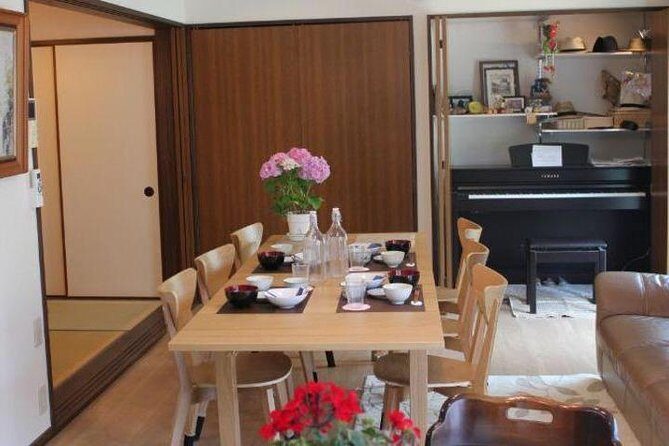
- A real home setup makes the cooking feel like daily life, not a demo.
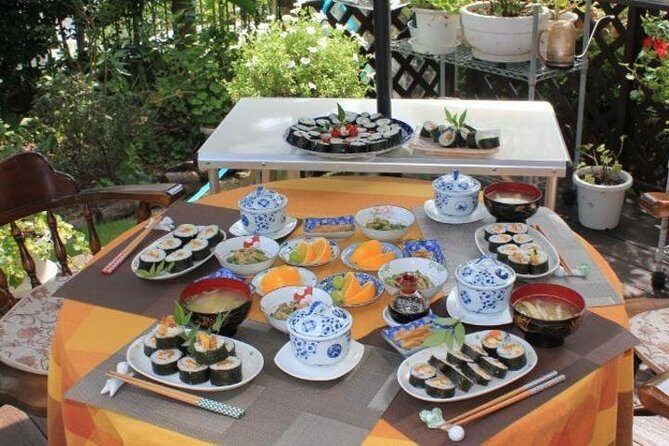
- Four dishes, one meal: maki sushi, kakiage tempura, miso soup, and dessert.
- English support plus lots of food can make this work even if your Japanese is limited.
- Vegetarian-friendly if you tell the hosts your needs ahead of time.
- Hands-on rolling: you actually make the maki, not just watch it happen.
Meet at Futaba Senior High School, then cook at the family table
The class starts at 10:30 am in Chuo Ward, with the meeting point set at Fukuoka Futaba Senior High School (7-1 Goshogadani, Chuo Ward). The activity ends back at the meeting point, so you’re not left figuring out the last hop across town.
From the start, this is designed to feel human-scale. With a maximum of 4 travelers, you’ll have room to ask questions, redo a step if your knife skills are still waking up, and actually talk with Hiroki and Tamae while you cook.
You’ll get a mobile ticket, and confirmation happens within 48 hours of booking (as long as there’s availability). It’s also listed as near public transportation, which matters because the best part of this tour is the home experience, not the commute.
A few more Fukuoka tours and experiences worth a look
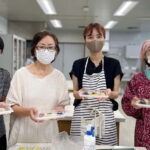
What makes this class feel truly local in Fukuoka
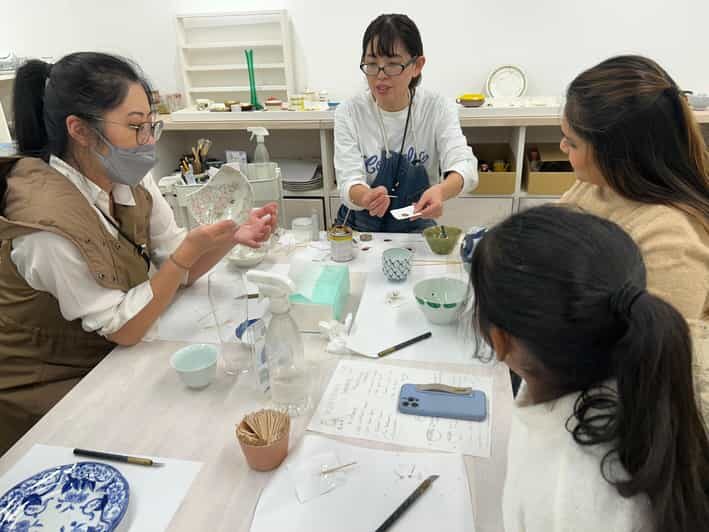
This isn’t a restaurant lesson. You’re entering a real Japanese home, and that changes the tone of everything: how you move, how you listen, and how cooking gets explained.
The hosts focus on basics first, including how flavors build in Japanese home cooking. A big theme is umami—not just as a buzzword, but as something you can taste and recognize while you’re working, from the seasoning choices to the way dishes come together on the plate.
You also get the kind of hospitality that makes the class feel like a shared meal rather than a timed activity. Based on what’s been described by past guests, Hiroki and Tamae take photos and provide English explanations, and the pacing leaves you time to chat about cooking and daily life in Japan while your food is in progress.
One practical comfort note: this is a home setting, so you’ll want to be ready to slow down a bit. You’re learning from real people, not from a script, so arriving on time really helps you settle in and enjoy the rhythm.
Your cooking menu: how the lessons connect (maki, tempura, miso, dessert)
The menu is refreshingly straightforward: maki sushi, kakiage tempura, and miso soup, finished with seasonal fruit and coffee. The “why” is what makes it useful for you later. You’re not only collecting recipes—you’re learning how the flavors work as a system.
All ingredients and tools come included, along with an apron, mini towel, and recipes to take home. That’s a value boost because you don’t need to hunt down specialty items or figure out what equipment to bring. You also get tips and tricks from a home cook, which is where most budget cooking classes fall short.
Here’s how each part earns its place:
Maki sushi: the hands-on centerpiece
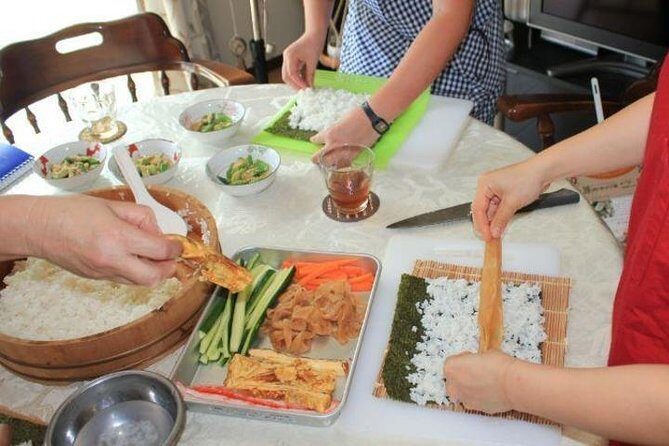
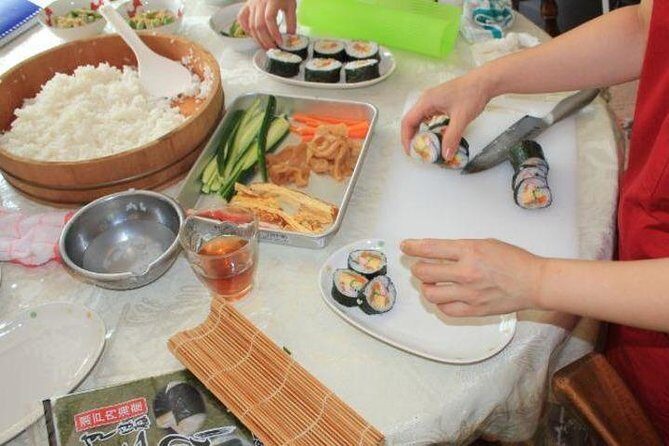
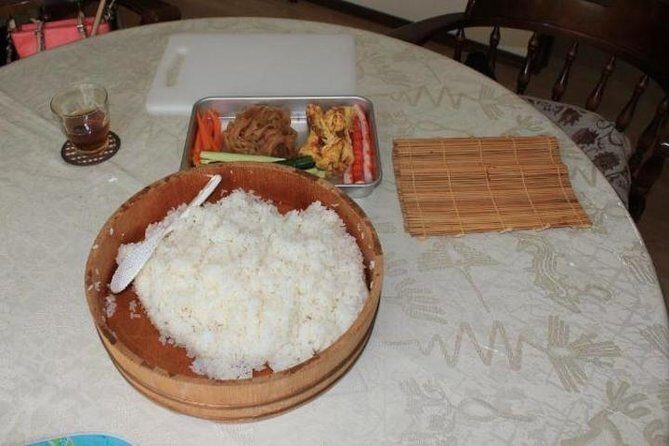
You’ll roll your own maki sushi. This is the sort of dish many Japanese families make for gatherings, festivals, or birthdays, so the act of rolling connects you to how food shows up in everyday celebrations—not just as a restaurant product.
If you’re new to maki, this is a great place to start because you’re learning basics in a controlled environment. If you already know sushi, you’ll still benefit from doing it slowly and with guidance, especially around how to distribute fillings and handle the rolling so you don’t end up with a sushi log that won’t hold together.
Kakiage tempura: mixed vegetables, crisp results
Next up is kakiage tempura, which is basically mixed vegetables fried together. The lesson here is practical: you’ll learn the simple logic behind good tempura texture—getting the batter right and frying in a way that yields that crisp bite.
Vegetable tempura is a home staple because it’s flexible. You can often use what’s in season, which is part of why Japanese home cooking feels so approachable when you learn the method.


Miso soup: the bowl that makes it a meal
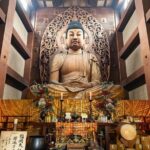
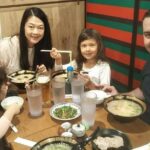
No home-style meal is complete without miso soup. You’ll make classic miso soup alongside the other dishes, which helps you understand how miso supports the whole menu. It’s not just a side; it’s the taste bridge between savory, fried, and fresh flavors.
Dessert: seasonal fruit and coffee
To end, you’ll have local in-season fruit and coffee for dessert. This finishing touch matters more than you might think. It gives you a full meal rhythm the way Japanese families often serve it—no heavy sweets, just something light and seasonal to close things out.
The maki sushi moment: rolling like a home cook, not a kitchen tourist
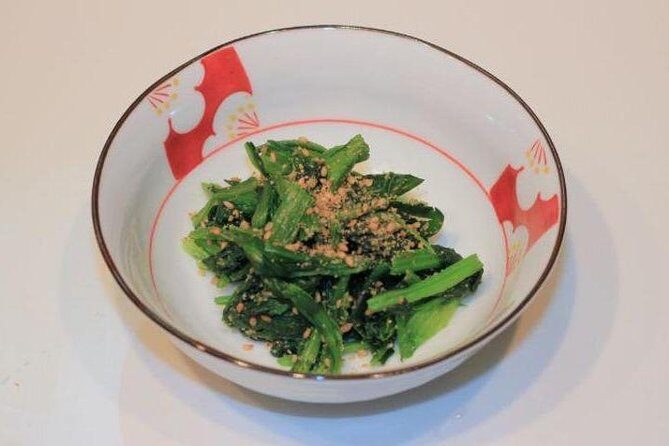
Maki sushi is often treated like a single skill. In this class, it becomes a lesson in attention.
You’ll be rolling with guidance, and the goal is simple: make something you’d actually serve. Past guests highlighted how fun it is to learn and talk with the hosts while you’re making the rolls, which tells you the class doesn’t feel like an assembly line. It’s more like a calm, friendly workshop.
A couple of things you’ll likely notice as you roll:
- Your fillings matter. Too much and it spills; too little and it feels hollow.
- Even pressure matters. Rolling isn’t about force; it’s about control.
- Timing matters. You want your roll to set before slicing.
Also, because this is described as something Japanese families make for festivals and birthdays, you’ll get a sense of why presentation and portioning count. It’s not only about taste—it’s about celebrating with food that looks good and shares well.
Tempura and umami: the flavor logic you can use at home
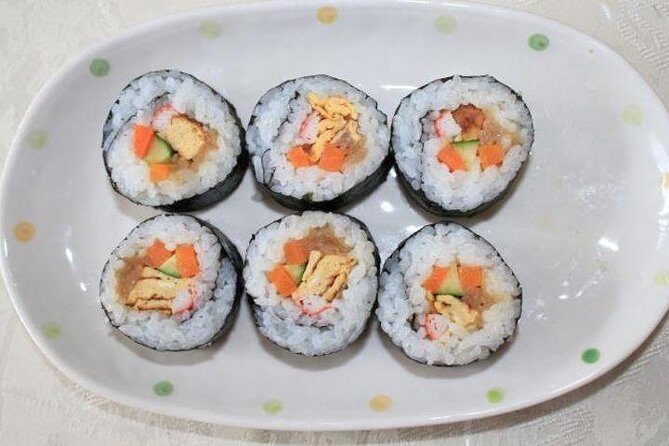
If you’ve ever eaten tempura and wondered why it tastes different from other fried foods, this is where you start making sense of it. Kakiage tempura teaches you that crispness comes from the process, not from complicated ingredients.
Then the class ties that back to umami. You learn about the flavors that make Japanese food stand out from other cuisines by focusing on how savoriness builds across dishes. That means when you eat your maki and tempura together, the experience makes more sense rather than feeling like three separate items on a plate.
A good cooking lesson should do two things:
1) help you make the dish
2) help you understand what to change next time
This class targets both. You get recipes, but you also get the kitchen explanations that help you repeat the results.
What the meal feels like when you’re done cooking
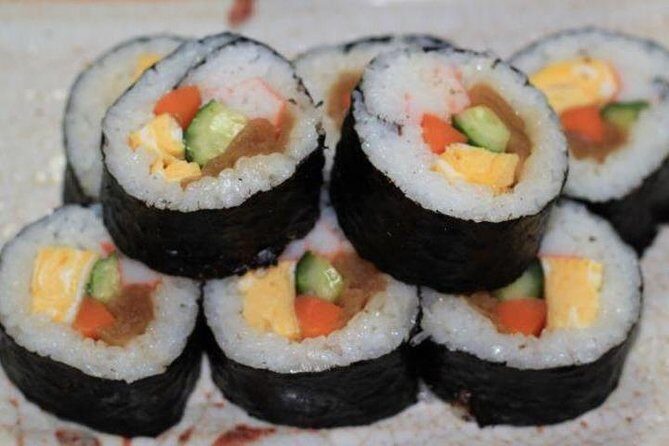
After you finish the prep, you sit down for the lunch you just made. One repeat theme from guests is that there’s a lot of food, and that the hosts go out of their way to make the day special, including taking photos.
That part matters because it shifts the class from short-term learning into an actual memory. You’re not rushing through the meal. You’re eating as part of the moment, which is how home cooking is meant to work.
And yes, you do get coffee and fruit afterward. It’s a small detail, but it rounds out the experience in a way that’s easy to enjoy even if you’re not a die-hard sushi fan.
Price and group size: is $79.36 good value?
At $79.36 per person for about 3 hours, this pricing lands in the mid-range for cooking classes. The reason it can still feel like good value is what you receive.
You’re getting:
- All ingredients and cooking tools
- Tips and tricks from a home cook
- Apron and mini towel
- Recipes to take home
- A full meal (not just one dish)
Most importantly, you’re doing it in a real home with a tiny group. In a larger class, you often lose time and get fewer questions. Here, the small group size makes the teaching feel more personal, and that’s often the difference between a fun afternoon and a real learning experience.
It also helps that alcohol isn’t provided, so the price stays focused on food and instruction rather than turning into a meal-and-drinks situation.
Language and comfort: how to get the most, even with limited Japanese
Here’s the honest consideration from guest feedback: if one person in your group knows Japanese, you’ll get more from the conversation and finer points. That doesn’t mean the class is inaccessible, especially because English support has been mentioned.
What I suggest is simple:
- If no one knows Japanese, come ready to use smiles, gestures, and the English explanations you’ll have.
- Ask questions as you cook. Even one sentence at the right moment can unlock more understanding.
- Watch the process closely. With sushi and tempura, technique shows itself.
The upside is that you can still have a full, fun experience without being fluent. Cooking is visual. Texture is real. And when you’re sitting at a table with homemade dishes, it’s hard not to enjoy the day.
Who should book this maki sushi class in Fukuoka
This experience is a strong fit if you want something more personal than a restaurant meal. It’s especially good for:
- People who like hands-on learning
- Couples or small groups who prefer a quieter, calmer activity
- Anyone interested in Japanese home cooking basics and umami
- Food lovers who want a full menu, not a single-skill lesson
It’s also practical for dietary needs. The class can accommodate vegetarian dietary requirements if you inform the hosts in advance.
If you’re traveling with small kids, note that it’s listed as free for children under 5. If your group includes older kids, you might find they enjoy the tactile parts like rolling and slicing more than you’d expect.
Should you book Home Made Maki Sushi in Fukuoka?
I think you should book it if your goal is a genuine, hands-on cooking afternoon with real hospitality and a full homemade meal. The combination of maki sushi + kakiage tempura + miso soup, served in a home setting with a tiny group, is exactly the kind of activity that makes Fukuoka feel personal.
Book it especially if you want skills you can repeat later. The recipes and the home-cook tips help you go beyond copying a single roll. Even if your Japanese is limited, English support has been highlighted, and the food is the star in every step.
Skip it only if you’re looking for a large, high-energy production or you expect a strictly silent, instructional workshop. This one is about conversation, comfort, and cooking together.
FAQ
How long is the Home Made Maki Sushi class?
It runs for about 3 hours.
What time does the class start?
The start time is 10:30 am.
Where is the meeting point?
Meet at Fukuoka Futaba Senior High School, 7-1 Goshogadani, Chuo Ward, Fukuoka, 810-0027, Japan. The activity ends back at the meeting point.
Is alcohol included?
No. Alcohol is not provided.
What’s included in the price?
All ingredients and tools to make the dishes on the menu, plus tips and tricks from a Japanese home cook. You’ll also be given an apron, mini towel, and recipes.
Can the class accommodate vegetarian diets?
Yes. Vegetarian dietary requirements can be accommodated if you inform the hosts in advance.
How many people are in the group?
The class can accommodate a maximum of 4 travelers.
Is there a child price?
Children under 5 are free.
When will I receive confirmation after booking?
Confirmation is received within 48 hours of booking, subject to availability.
Can I cancel for free?
Yes. You can cancel up to 24 hours in advance for a full refund. If you cancel less than 24 hours before the start time, the amount paid will not be refunded.