REVIEW · FUKUOKA
Fukuoka: Wagashi & Nerikiri Sweets Making Workshop
Book on GetYourGuide →Operated by たびくるツアー · Bookable on GetYourGuide
Nerikiri sweets look hard, but they are friendly. In Fukuoka, this wagashi workshop is a calm, beginner-ready way to learn Japanese confectionery aesthetics, with two things I really liked: English support and the fact that you bring nothing because everything is provided. One heads-up: the meeting address can feel confusing, so check the access video and give yourself a few extra minutes if you’re arriving late.
You’ll work in a small group of up to 4 people for about two hours, then taste the sweets you made. It’s relaxed, hands-on, and designed for people who just want to try, learn, and leave with recipes they can repeat later.
In This Review
- Key things to know before you go
- Wagashi & Nerikiri in Plain Terms: What You’ll Be Making
- The Workshop Flow in Real Life (Not Just a Feature List)
- 1) Arrive, settle in, and get set up
- 2) Learn the shaping basics for nerikiri
- 3) Make your seasonal nature-inspired design
- 4) Make a cute character-shaped nerikiri
- 5) Shape the third nerikiri sweet and taste everything you made
- What Makes This Workshop Such Good Value at $82
- English Support in Fukuoka: Why It Changes the Whole Experience
- Small Group, Relaxed Pace, and Beginner-Friendly Craft
- Meeting Point Reality Check: Room 202 at Maki Method
- Included vs Not Included: What You Actually Need to Budget
- Who This Workshop Is Best For
- Who Might Want to Skip It
- Quick Culture Notes: Why Seasonal Nerikiri Feels Special
- Should You Book the Fukuoka Wagashi & Nerikiri Workshop?
- FAQ
- How long is the Fukuoka Wagashi & Nerikiri Sweets Making Workshop?
- How much does it cost?
- What’s included in the price?
- Do I need to bring anything?
- Where is the meeting point?
- Is there English support available?
- How many people are in the group?
- Is the workshop wheelchair accessible?
- Is transportation included?
Key things to know before you go
- English support is available, so you won’t be left guessing what to do with your nerikiri dough.
- Everything is included, from ingredients to tools, so you can join mid-trip without planning.
- You’ll shape three types of nerikiri, including a seasonal nature-inspired design and a cute character-style sweet.
- Small group size (4 max) means more personal attention and less waiting around.
- You’ll leave with printed or digital recipes, not just photos of your finished sweets.
- Meeting point is specific (Room 202 at Maki Method), so use the provided access info to avoid the common confusion.
Wagashi & Nerikiri in Plain Terms: What You’ll Be Making
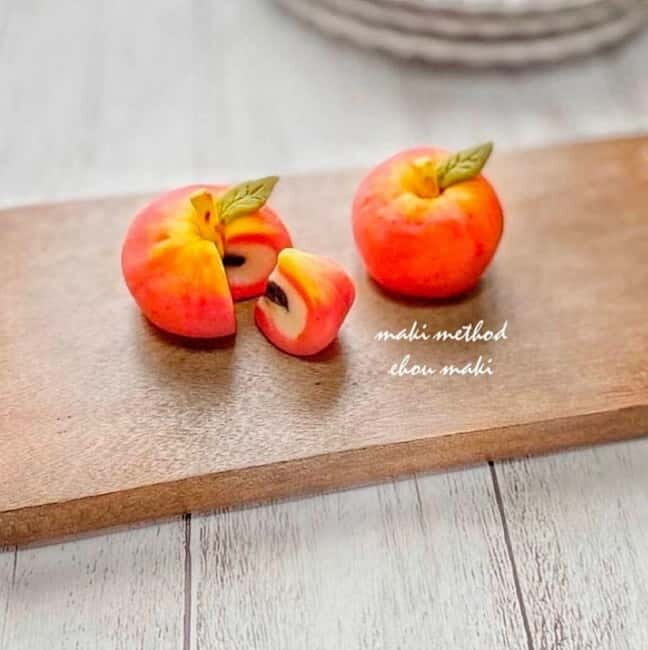
Wagashi is Japan’s world of traditional sweets. Nerikiri is a specific style within wagashi: it’s sculpted, shaped, and often designed to look like something from nature or everyday life. The key thing you’ll notice when you start is that nerikiri isn’t about baking. It’s about handling. Texture and shape matter, and your instructor’s guidance is the whole game.
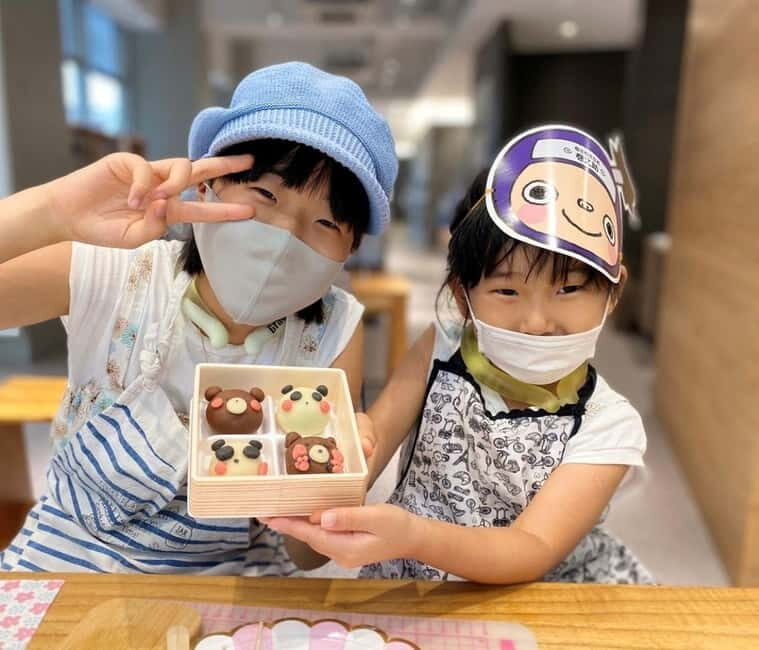
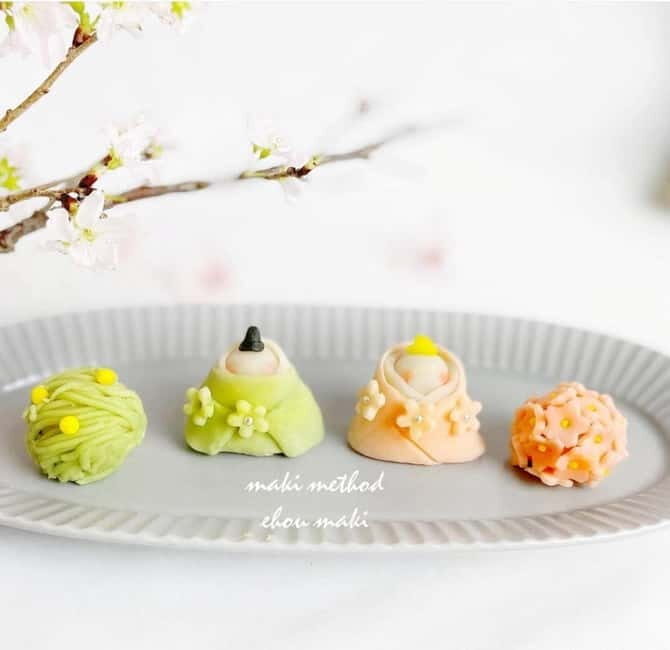
In this workshop, you make three different nerikiri sweets. Two of the designs are clearly described: one is a seasonal motif inspired by Japanese nature (think cherry blossoms, autumn leaves, or snow), and another is a cute character-shaped sweet. A third sweet rounds out the set, giving you a chance to practice a different aspect of shaping and finishing.
If you’ve never touched wagashi before, that’s not a problem here. The experience is built for beginners, which usually means the instructor spends time on technique basics instead of expecting you to already know how to form and smooth the dough.
You can also read our reviews of more tours and experiences in Fukuoka.



The Workshop Flow in Real Life (Not Just a Feature List)
This is a two-hour, step-by-step making session. You’ll spend most of the time doing, not watching. That matters, because nerikiri is something you learn through repetition with your hands, not through reading about it later.
Here’s how the experience typically feels from start to finish:
1) Arrive, settle in, and get set up
You’ll meet at the cooking studio called Maki Method, Room 202. It’s about a 10-minute walk from Yakuin Station (Nishitetsu/Subway). When you arrive, you’ll be directed into the class space and given what you need.
The big practical win: you don’t have to bring ingredients, tools, or anything fancy. If you’ve been walking all day in Fukuoka, this is the kind of activity that doesn’t punish you for not planning ahead.
2) Learn the shaping basics for nerikiri
Expect gentle, clear instructions on handling the dough and moving from rough shape to finished form. Nerikiri can look intimidating because of how detailed it often looks in wagashi shop displays, but in a beginner class the goal is to teach you the method that makes those details possible.
The instructor’s pace is part of the reason people rate this so highly. You’ll get time to follow along without feeling rushed.
3) Make your seasonal nature-inspired design
This is one of the highlights: a seasonal look inspired by nature. The workshop description specifically calls out options such as cherry blossoms, autumn leaves, or snow. You’ll translate that theme into a finished nerikiri sweet through shaping and finishing steps.
This part is fun because the seasonal concept is very Japanese. You aren’t just making a sweet; you’re practicing a cultural visual idea: small edible artwork that changes with the time of year.
A few more Fukuoka tours and experiences worth a look
4) Make a cute character-shaped nerikiri
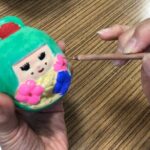
Next comes the playful one. The workshop includes a character-shaped sweet, and that’s a great way to loosen up. Even if you mess up a first attempt at a shape, you’re still learning core nerikiri techniques—smoothing, forming, and refining.
If you’re traveling with kids (or you’re a kid at heart), this is the section that tends to bring the most smiles.
5) Shape the third nerikiri sweet and taste everything you made
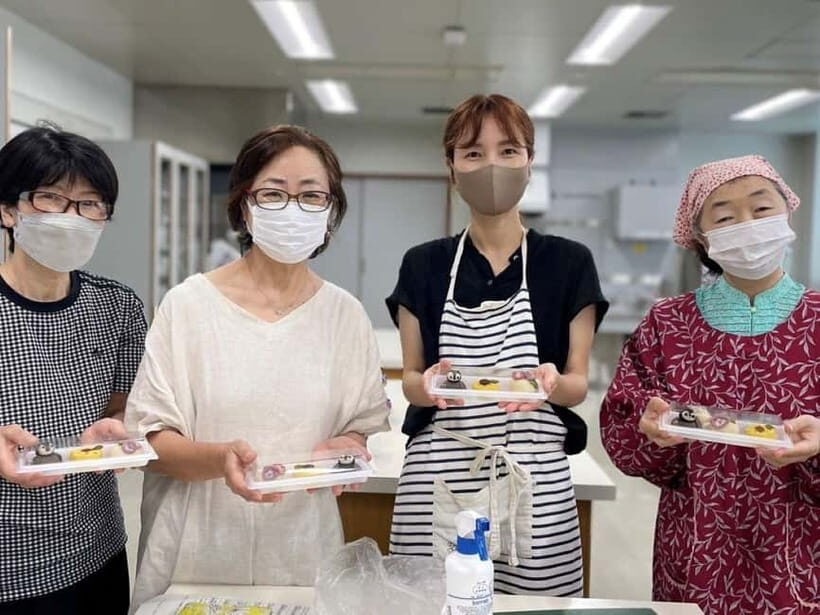
The class includes tasting of the sweets you produce. You’ll also get printed or digital recipes, so the experience doesn’t end when you clean up.
Taste is important here. Nerikiri isn’t just visual. You can judge your work immediately, and you also get clues for how to improve next time using the recipe you’ll take home.
What Makes This Workshop Such Good Value at $82
At about $82 per person for roughly two hours, the value depends on what you need out of an activity.
If you just want a quick photo stop, this isn’t that kind of thing. But if you want a real hands-on skill plus materials and recipes, the price makes more sense. Here’s why:
- You’re paying for the setup and instruction, not just ingredients. All tools and equipment are provided.
- Three sweets in one session is a lot of output for the time.
- English support reduces the friction cost for non-Japanese speakers. In practice, that means you spend less time confused and more time learning.
Also, consider the opportunity cost: if you try to DIY wagashi at home with no equipment and no guidance, you can waste money fast. This workshop gives you a structured way to learn the basics and leave with a repeatable plan.
English Support in Fukuoka: Why It Changes the Whole Experience
Japanese culture comes through in wagashi aesthetics, but language matters when your hands are working and you need feedback. This workshop explicitly offers English (and Japanese) instruction, which is a big deal if you’re not fluent.
What you’ll likely notice: you can ask questions in a way that’s comfortable, and the instructor can explain steps clearly instead of relying on silence and body language. That makes a beginner workshop feel safer and more enjoyable.
If you’re someone who tends to hesitate in classes because you fear not understanding, this is exactly the kind of activity where English support can remove that stress.
Small Group, Relaxed Pace, and Beginner-Friendly Craft
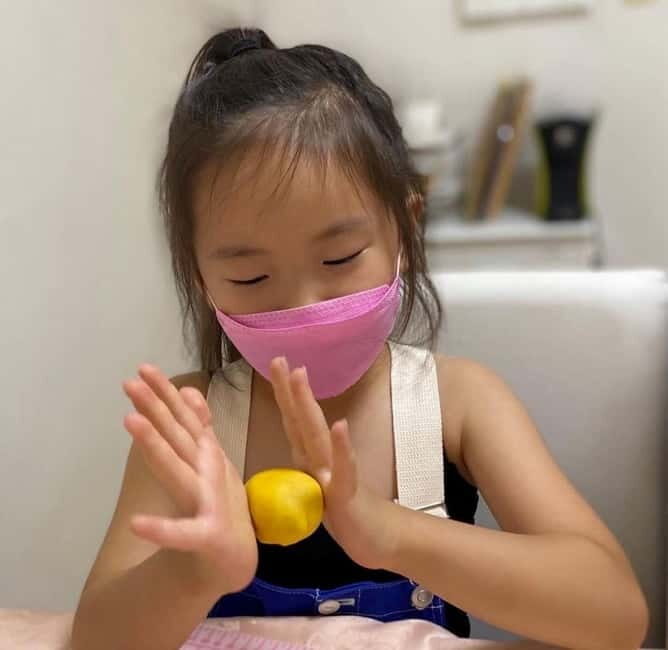
The group size is limited to 4 participants, which changes the feel from an assembly line to a focused lesson. In a tiny group, you’re more likely to get help when you need it, whether it’s fixing a shape or figuring out how much to press or smooth.
Several things point to a relaxed approach:
- The experience is described as beginner-friendly and relaxing.
- You get step-by-step guidance.
- The class includes tasting and recipes, so it’s not just rushed production.
And there’s one less-known benefit: a small class often means fewer interruptions, so your learning rhythm stays steady. With nerikiri, that matters.
Meeting Point Reality Check: Room 202 at Maki Method
Here’s the only part I’d treat like a mini project.
The meeting point is about a 10-minute walk from Yakuin Station (Nishitetsu/Subway). You’re asked to come directly to the cooking class Maki Method (Room 202). The access video is part of the instructions, and you should use it.
One review-style downside theme shows up in the data: confusion about the address because it can feel like a private apartment area, leaving people unsure where the workshop actually is. That’s not uncommon for small studios.
My advice is simple:
- arrive on time or a bit early
- confirm the room number
- use the access video so you know what to look for
This is the kind of class where being 10 minutes late can turn into 30 minutes of stress. Avoid that and you’ll enjoy the workshop from the start.
Included vs Not Included: What You Actually Need to Budget
The included items are everything that makes the class easy to join mid-trip:
- workshop/experience fee
- all ingredients
- printed or digital recipe
- use of tools and equipment (rental included)
- tasting of the sweets you make
Not included:
- transportation costs
- round-trip transportation fees to the meeting location
Since you’re likely already paying for transit in Fukuoka anyway, the workshop cost works like a focused craft fee. You’re not paying extra for materials or equipment, which keeps the experience predictable.
Who This Workshop Is Best For
This is a strong match if:
- you’re a beginner and want structured guidance
- you prefer hands-on cultural activities over museum-style walking
- you want an activity that works even if you don’t know Japanese
- you enjoy aesthetics and seasonal themes
- you want something you can replicate later with recipes
It’s also a good fit for people who like small group experiences where you can ask questions without feeling like you’re in the way.
Who Might Want to Skip It
Skip if you’re looking for a high-energy, nightlife-style activity. This is calm craft time. Also, if you don’t like tactile, hands-on tasks, nerikiri may feel like a mismatch. The workshop is centered on shaping dough, so you’ll be using your hands the whole time.
Quick Culture Notes: Why Seasonal Nerikiri Feels Special
The seasonal theme matters in wagashi. Cherry blossoms and snow aren’t random choices. They reflect how Japanese sweets often mirror the year’s mood. Making a nature-inspired design is like creating a tiny calendar in edible form.
When you finish, you’ll understand the appeal that wagashi shops trade on: detail, timing, and artistry in a bite-sized format. Even if your sweet isn’t identical to shop examples, you’ll learn the idea behind the craft.
Should You Book the Fukuoka Wagashi & Nerikiri Workshop?
If you want a beginner-friendly craft experience in Fukuoka where you make multiple nerikiri sweets, get English support, and leave with recipes and tasting, I’d say yes.
Book it if:
- you want a small-group class (4 max)
- you like the idea of seasonal and character-based designs
- you want materials and tools handled for you
- you’d rather learn the method than just buy sweets and move on
Think twice if:
- you hate searching for a specific room and would rather avoid checking access instructions
- you’re expecting a long cultural history lecture instead of hands-on making
For most visitors, this is one of those activities that feels like spending money well: you get skills, you get a finished edible art set, and you get an experience that’s genuinely different from just sightseeing.
FAQ
How long is the Fukuoka Wagashi & Nerikiri Sweets Making Workshop?
The workshop lasts 2 hours.
How much does it cost?
It costs $82 per person.
What’s included in the price?
The price includes the workshop fee, all ingredients, printed or digital recipe, use of all tools and equipment, and tasting of the sweets you make.
Do I need to bring anything?
No. You don’t need to bring anything because the workshop provides the ingredients, tools, and equipment.
Where is the meeting point?
You meet at the cooking class Maki Method, Room 202. It’s about a 10-minute walk from Yakuin Station (Nishitetsu/Subway).
Is there English support available?
Yes. The instructor supports both English and Japanese.
How many people are in the group?
It’s a small group limited to 4 participants.
Is the workshop wheelchair accessible?
Yes, it is wheelchair accessible.
Is transportation included?
No. Transportation costs and round-trip transportation fees to the meeting location are not included.