REVIEW · TOKYO
Tokyo: Kintsugi Workshop to Learn the Art of Golden Joinery
Book on GetYourGuide →Operated by Bloom Voyage JP · Bookable on GetYourGuide
One small crack can become art. In this Tokyo Kintsugi workshop, you learn centuries-old golden joinery techniques and the softer philosophy behind them, rooted in wabi-sabi. The pace is calm and reflective, and the whole point is to treat flaws like part of the story instead of something to cover up.
I especially like the hands-on guidance and the chance to finish with something you can actually keep. I also like that teachers such as Anne and Chiara explain each step clearly, so you’re doing the work rather than watching from the sidelines. The main consideration: if you’re expecting a big, dramatic restoration, the item you repair can feel limited, and you may need to budget extra for the plate since a work piece isn’t included.
In This Review
- Key things to know before you go
- Golden Joinery in Tokyo: what Kintsugi is really teaching you
- From Gakugei Daigaku Station to the workshop studio rhythm
- The hands-on Kintsugi steps: filing, lacquer, and golden seams
- What’s included—and the one thing you may still need to bring
- Guide quality makes the difference: Anne and Chiara’s teaching style
- Price and value: is $63 worth a two-hour Kintsugi session?
- Who should book this Kintsugi workshop (and who should think twice)
- Should you book this Tokyo Kintsugi workshop?
- FAQ
- How long is the Kintsugi workshop?
- How much does it cost?
- Where do I meet the guide?
- Is the workshop taught in English?
- Is it a small group?
- What materials are included?
- Do I need to bring a plate to work on?
- Can I take my repaired piece home?
- Is it wheelchair accessible?
- Is there a cancellation policy?
Key things to know before you go
- Gold joinery, not hiding damage: cracks become decorative seams instead of a flaw to erase
- A calm, slow two-hour flow: enough time to file, apply lacquer, add gold powder, and settle in
- Small-group teaching (up to 6): you get room to ask questions and take your time
- You take home the repaired piece: the keepsake is the entire point of the class
- Materials are provided, but the plate may not be: plan for an extra ¥1,000–2,000 for the pottery you work on
- English instruction: you’ll get the philosophy and steps in English, not just the craft
Golden Joinery in Tokyo: what Kintsugi is really teaching you
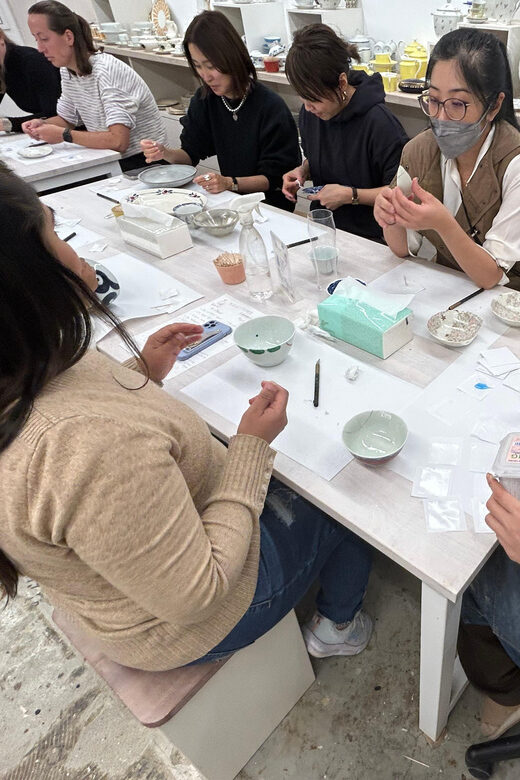
Kintsugi, or golden joinery, is often described as a craft. But in class, it feels more like a way of looking at the world. You start with something broken, and instead of throwing it away or repairing it invisibly, you transform the damage into a visible line of gold.
That mindset matters because it changes your job in the studio. You’re not trying to make it perfect. You’re trying to make it honest. You’ll also hear how Kintsugi connects to Japanese aesthetics like wabi-sabi, the acceptance of impermanence and imperfections. The best part is that this isn’t just talk. The way the lacquer sets, the way powder gold clings, and the way seams show after drying all reinforce the lesson: repair can be beautiful without pretending the break never happened.
This philosophy also shows up in the teaching style. The workshop is designed to be calming and reflective, not rushed. It gives you time to focus on details that most everyday tasks ignore: evenness, drying time, and patience. If you’ve ever felt stressed by projects that feel too rigid, you’ll probably find the tone here refreshingly different.
A few more Tokyo tours and experiences worth a look


From Gakugei Daigaku Station to the workshop studio rhythm
You’ll meet the guide at Gakugei Daigaku station. You’ll receive a message with a photo of the guide ahead of time, which helps when you’re matching faces in a busy station.
Logistically, this setup is simple. You don’t have to hunt down a complicated address. You just show up near the station meeting point and look for the guide who’s been identified in advance.
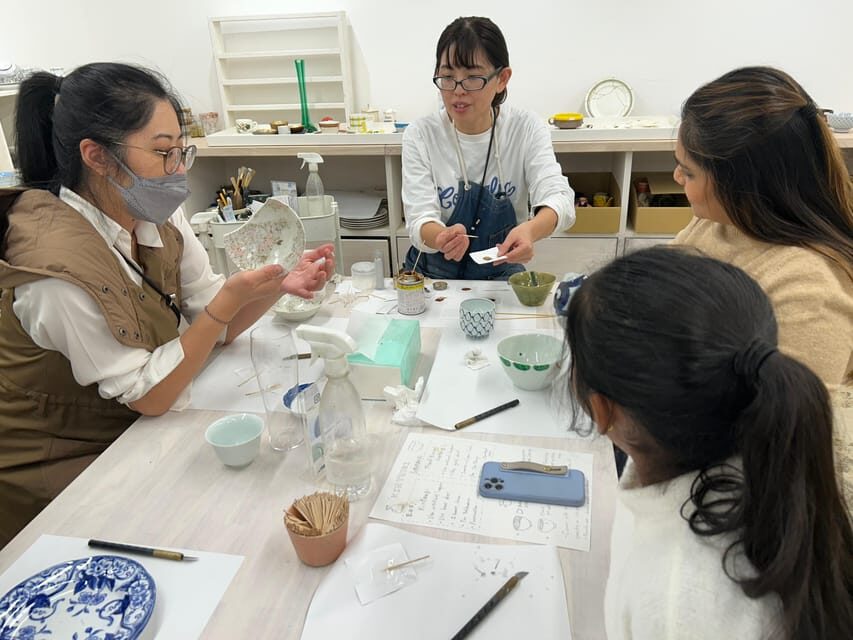
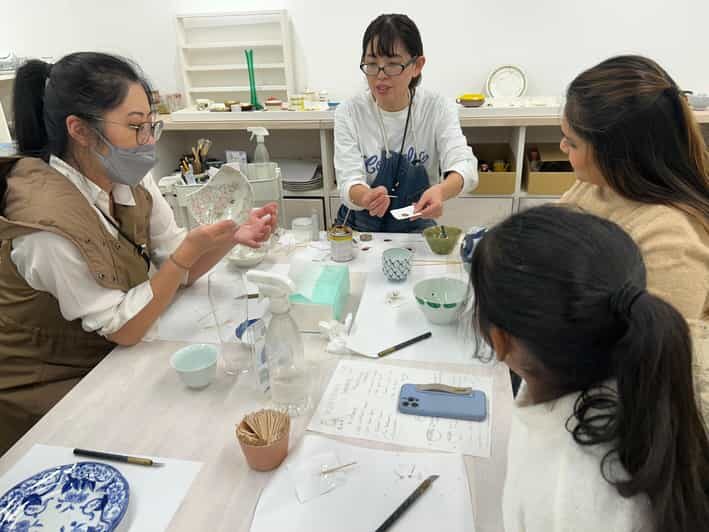
Once you’re in the workshop space, the pacing is built around a 2-hour session. Small group size keeps the attention personal, with a limit of 6 participants. That matters because Kintsugi includes steps where it helps to have a steady hand nearby—especially when you’re filing or applying lacquer and gold powder in a controlled way.
One quick practical note: even though the activity is labeled wheelchair accessible, it’s also listed as not suitable for wheelchair users. Because those two points conflict, don’t assume either way. If mobility is a concern, check directly before you book so you’re not stuck on arrival.
The hands-on Kintsugi steps: filing, lacquer, and golden seams
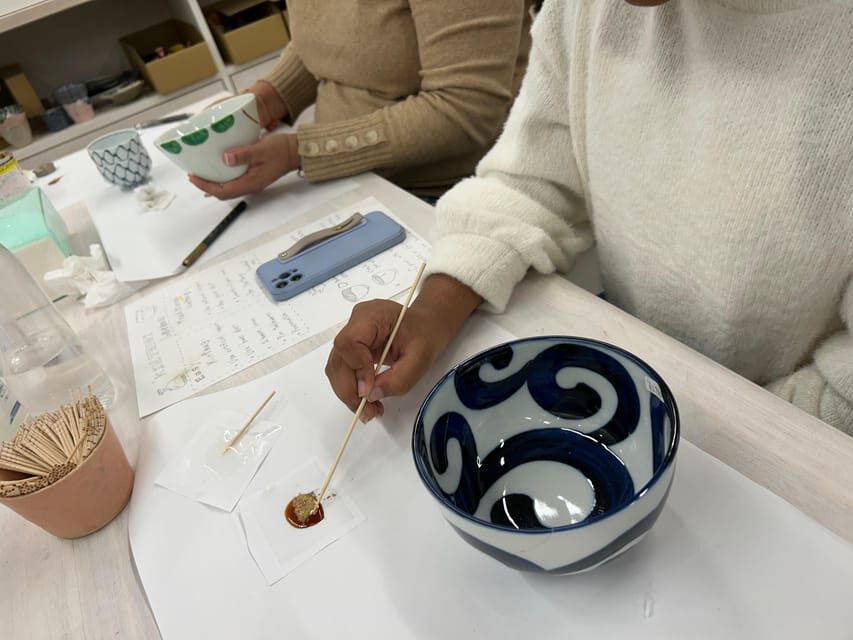
This is a workshop where you do real work. You’re provided with the main tools—lacquer and gold powder—and you’ll start with broken pottery to mend. Your instructor walks you through the sequence, and you’ll follow along step-by-step.
A key moment is the prep: you’ll need to file the pottery for about half an hour. That filing step can feel intimidating if you’ve never handled ceramics tools before. The upside is that the class structure gives you guidance, and you’re not expected to figure it out alone.
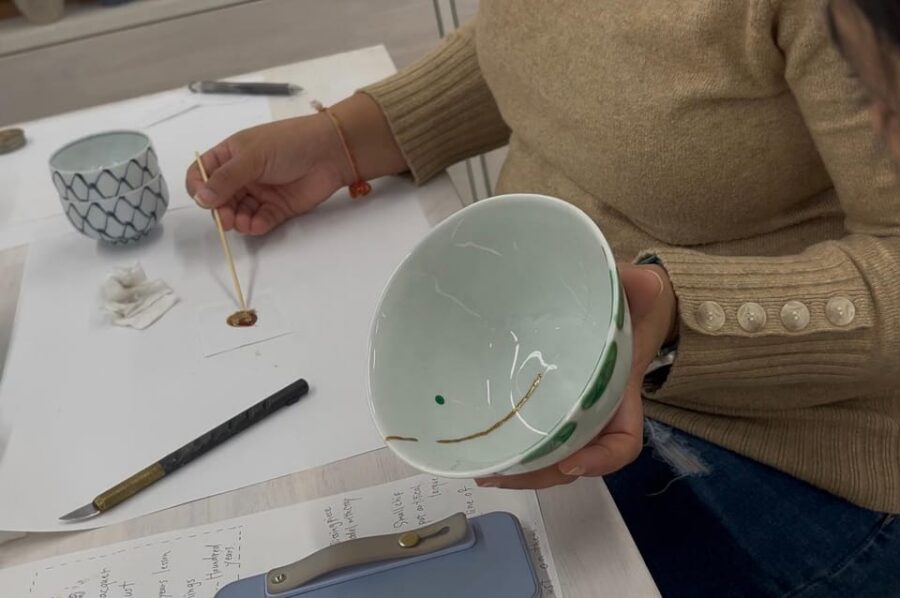
After the break is prepped, the lacquer stage takes over. Lacquer is your bonding layer, and it’s what creates the base for the gold powder. This part is mostly careful concentration. You apply or manage the lacquer in the crack line, then let it set in the way the class teaches.
Then comes the fun, visually satisfying step: the gold powder. Even if you’re not a craft person, you’ll see the transformation quickly. Gold seams turn the break into an intentional design line, making the repaired area feel like a feature rather than a problem.
A nice detail from the experience is how the process stays reflective. It’s not a production line. You’ll get time to complete each stage slowly enough to do it right, which helps if you want the workshop to feel more like therapy than a chore.
What’s included—and the one thing you may still need to bring
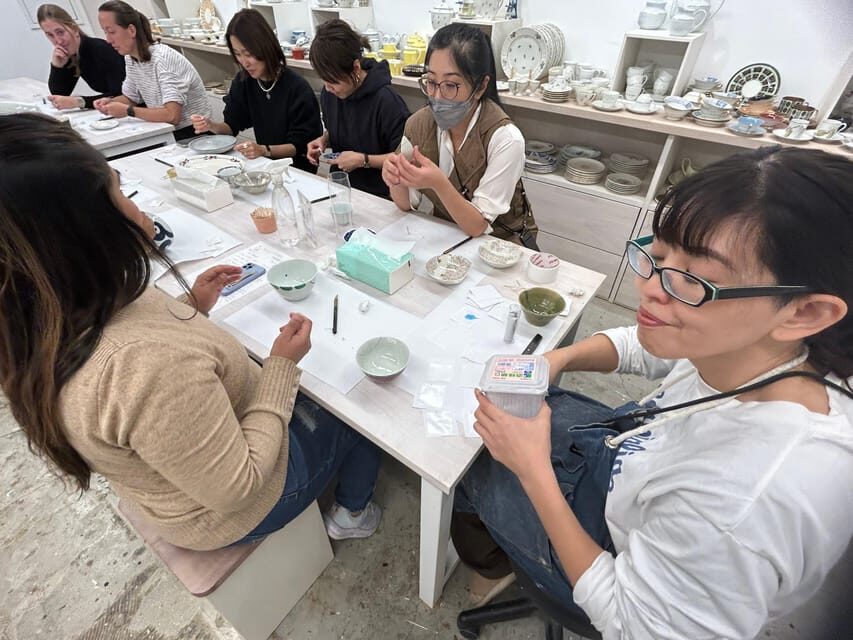
The workshop includes the core materials and tools: lacquer and gold powder, plus the intro to Kintsugi’s philosophy and how the process works. You’ll also work with broken pottery provided for the class.
But there’s an important extra you should plan for: a plate to work with is not included. You may need to arrange your own pottery piece, which is estimated at ¥1,000–2,000.
That’s a small detail, but it affects the value of the $63 price. If you arrive assuming everything is fully provided, the extra cost can be a surprise. The good news is the amount is modest. Still, I’d rather you go in knowing it so your expectations match the reality of the class.
Also, the final result is the keepsake. You take home your repaired item. That means the workshop’s value isn’t just knowledge or an experience photo—it’s something you can use, display, or keep as a personal reminder of repair and renewal.
Guide quality makes the difference: Anne and Chiara’s teaching style
This workshop’s quality hinges on the instructor. And in particular, the English teaching approach stands out. You get clear step explanations, not just general inspiration.
I like that teachers such as Anne and Chiara are described as thoughtful and prepared. That shows up in how they handle the tricky parts. For example, the craft involves multiple steps where timing and control matter. A good teacher helps you understand what you’re doing and why, so your finished seam looks like it belongs there.
One more thing: small group teaching means you’re not one of 30 people in a queue. You’re more likely to get real-time help when needed—like adjusting technique during filing or getting the lacquer approach right before adding gold powder.
If you care about getting good results, this kind of teaching support is worth paying for. If you care mostly about the philosophy, the explanations make the entire process feel more meaningful and less random.





Price and value: is $63 worth a two-hour Kintsugi session?
At about $63 per person for a 2-hour class, the price can feel fair or frustrating depending on what you expect.
Here’s how to judge the value in a practical way:
- You’re paying for materials that include lacquer and gold powder and a guided process where you create a finished, take-home item.
- You’re paying for time: a full two hours is long enough to slow down, do the careful prep, and still finish with gold seams.
- You’re not paying for a huge restoration job. The piece you repair can be smaller than what some people imagine when they hear workshop and pottery in the same sentence.
So, the value depends on your mindset. If you want a calm, hands-on introduction that results in a real keepsake, it’s a good deal. If your goal is to reconstruct something large or complex, you might feel underwhelmed. In that case, ask what size or type of item you’ll work on before you commit, especially since you may need to arrange a plate separately.
The other value lever is the philosophy. A lot of short workshops teach a trick. This one tries to teach the why—repair as acceptance, not denial. If that resonates with you, you’re paying for more than a souvenir.
Who should book this Kintsugi workshop (and who should think twice)
This class fits best if you like crafts, symbolism, or both. You’ll probably enjoy it if you:
- want a hands-on activity with a calm pace
- like Japanese aesthetics and want more than surface-level learning
- want a meaningful take-home object instead of a generic photo
It’s also a solid choice for solo travelers and couples who want a structured activity that still leaves space to focus. The small group size also helps people feel comfortable working side-by-side, not stuck in silence.
Who should think twice? If you expect a big restoration project or you’re bringing a strong budget-only mindset without room for the extra pottery cost, readjust your expectations. Also, the information about wheelchair support is mixed, so anyone with mobility needs should confirm directly before booking.
And one more boundary: it’s not suitable for babies under 1 year.
Should you book this Tokyo Kintsugi workshop?
If you want a thoughtful, practical way to learn Kintsugi in Tokyo, I think it’s a good booking. The combination of gold seam technique, a reflective atmosphere, and an English-guided process that supports you through the fiddly steps makes it more than just a craft demo.
Book it if you’re looking for:
- a two-hour hands-on class with a take-home keepsake
- a gentle reminder that imperfections are part of life’s story
- a small-group experience led by instructors like Anne and Chiara, with clear instruction
Skip it or double-check expectations if you’re expecting to restore a large bowl or fully rebuild something extensive. Also factor in the likely extra cost for the plate you work with.
If you show up with patience—and the willingness to see the crack as part of the design—you’ll likely leave with something that feels personal, not mass-produced. And that’s the whole point of golden joinery.
FAQ
How long is the Kintsugi workshop?
The workshop lasts 2 hours.
How much does it cost?
It’s listed at $63 per person.
Where do I meet the guide?
Meet your guide at Gakugei Daigaku station. You’ll be messaged a picture of the guide before the meeting time.
Is the workshop taught in English?
Yes. The instructor is English.
Is it a small group?
Yes. It’s a small group limited to 6 participants.
What materials are included?
You’ll have the main tools provided, including lacquer and gold powder. The workshop also includes a brief introduction to the art and philosophy of Kintsugi.
Do I need to bring a plate to work on?
A plate is not included. You may need to arrange one in the range of ¥1,000–2,000.
Can I take my repaired piece home?
Yes. You take home the repaired item as a personal keepsake.
Is it wheelchair accessible?
The activity is labeled wheelchair accessible, but it is also listed as not suitable for wheelchair users. If this applies to you, you should confirm accessibility details directly before booking.
Is there a cancellation policy?
Yes. Free cancellation is available up to 24 hours in advance for a full refund.