REVIEW · TOKYO
Hop-On Hop-Off Tokyo Bus by Skyhop Bus
Book on Viator →Operated by Trevopedia Wonders · Bookable on Viator
Tokyo from a double-decker beats walking in heat. I like the open-top views and the fact that you get WiFi on board, so you can plan the next hop while enjoying the skyline. One thing to keep in mind: the audio experience can be inconsistent, and service quality may vary, so I’d plan with a little extra time and a backup.
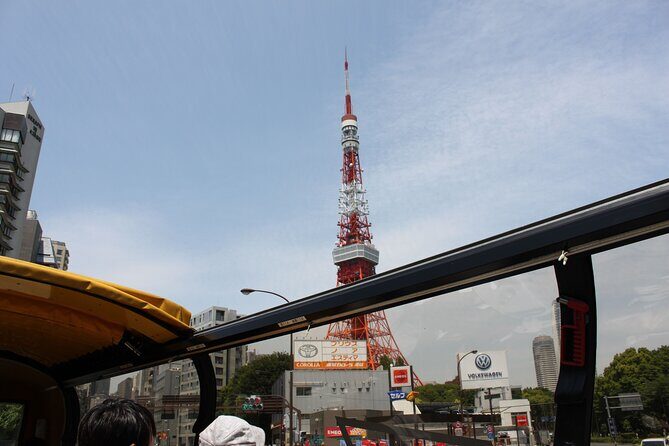
This is a great setup if you want a fast, comfortable overview of Tokyo’s big hits without booking separate tours. You’ll pass famous sights like Tokyo Tower, Senso-ji area (Asakusa), Ueno, Akihabara, and the Shinjuku/Shibuya zone, then hop off to explore at your own pace. Just be ready to walk a bit from some drop-offs, and expect that bus timing isn’t always perfect.
In This Review
- Key highlights that matter before you ride
- What you actually get: open-top bus, WiFi, and rain gear
- Price and value: is $48.99 a good deal?
- Routes in plain English: how the stops group into Tokyo days
- 1) The Tokyo Tower / central sights side
- 2) Asakusa + Ueno + Akihabara (temples, museums, tech)
- 3) Shinjuku to Shibuya area connections
- Stop-by-stop guide: what each area is good for (and what to watch)
- Tokyo Tower: viewpoints and iconic photos
- Zojo-ji Temple: a classic temple contrast
- Fuji Television Network: a quick pop of modern Tokyo
- Tokyo Teleport Station: your access link toward the waterfront
- Ginza (Ginza Capital Hotel Akane): shopping and polished streets
- Kodenmacho: a less famous but handy rail-adjacent stop
- Ryogoku + Edo-Tokyo Museum: history you can actually spend time on
- Tokyo Skytree Station: big views, big area
- Asakusa-Hanakawado and Asakusa-Kotobukichō: temple atmosphere and street life
- Ueno Station + Ueno-Matsuzakaya: museum district plus shopping convenience
- Akihabara (Suehirocho): electronics, anime culture, and late-afternoon energy
- Shin-Nihombashi Station: an alternate “central Tokyo” anchor
- Shinjuku Gyoen National Garden: a calmer break
- JR Shinjuku Station Southeast Exit Plaza and Shinjuku Sta. West: your big transport hubs
- Shibuya City Hall Hatsudai Branch: for Shibuya’s buzz
- Audio and WiFi: what helps, what can go wrong
- Timing and wait times: how to avoid the long gaps
- Two-day strategy: how to ride without feeling trapped
- Ticket use that can make or break your day
- Who should book this bus, and who might skip it
- Should you book Hop-On Hop-Off Tokyo Bus by Skyhop Bus?
- FAQ
- How long does the Hop-On Hop-Off Tokyo Bus ride take?
- Is WiFi included on the bus?
- Can I use the ticket on more than one route?
- Is the ticket good for one day or two?
- Do I get rain gear?
- Where can I exchange my voucher for the ticket?
Key highlights that matter before you ride
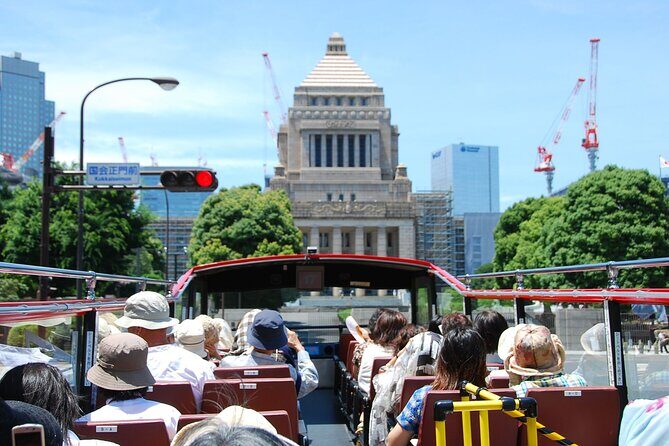
- Open-top double-decker rides for straightforward sight-seeing from street level and skyline angles
- WiFi on board so you can map your next hop on the fly
- WiFi plus rain prep: poncho/raincoat is included during rainy season
- Two consecutive days of use once you start, which makes the ticket feel more flexible
- Most stops are built for quick transitions between neighborhoods, shops, shrines, and viewpoints
- Audio can be spotty on some buses, so bring your own earbuds and a Plan B
What you actually get: open-top bus, WiFi, and rain gear
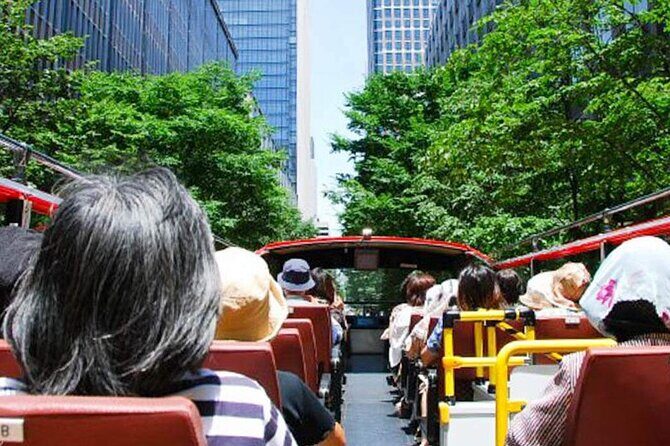
This is a classic hop-on hop-off format, but with a Tokyo-friendly twist: an open-top, double-decker ride that makes it easier to spot landmarks as you move between neighborhoods. The included WiFi on board is a big deal if you’re coordinating train connections, checking opening hours, or simply finding the best walking route from the nearest stop.
During rainy season, you’re also handed a poncho/raincoat. That small item can save your day when Tokyo weather changes fast. And because it’s a hop-on hop-off ticket, you’re not locked into a single viewing “script.” You can ride, get off for photos or a meal, then return when you’re ready.
One more practical point: your ticket can be used on all routes within the valid time. That matters because Tokyo can feel huge, and one “route” might not cover what you care about most.
You can also read our reviews of more tours and experiences in Tokyo.



Price and value: is $48.99 a good deal?
At $48.99 per person, this isn’t the cheapest way to see Tokyo, so the value comes down to how you use it. The best-case scenario is that you use it as a full-day orientation tool and then build a second day around it.
The ticket is valid for 1 or 2-day unlimited hop-on hop-off use, and you can use it for two consecutive days starting from your first day of use. In practice, that helps you avoid the common mistake of doing only one loop and ending up far from the places you really wanted.
Here’s how I’d judge the price for your trip:
- If you’re a first-timer and you want to see Tokyo Tower, Asakusa, Ueno, Akihabara, and the Shinjuku/Shibuya area without stressing about transfers, the ticket can feel worth it.
- If you only ride for a short window and then switch to trains, you might feel like you overpaid.
- If audio commentary ends up missing on your bus, you’ll still get the views and stops, but the “tour” part loses some of its value.
Routes in plain English: how the stops group into Tokyo days
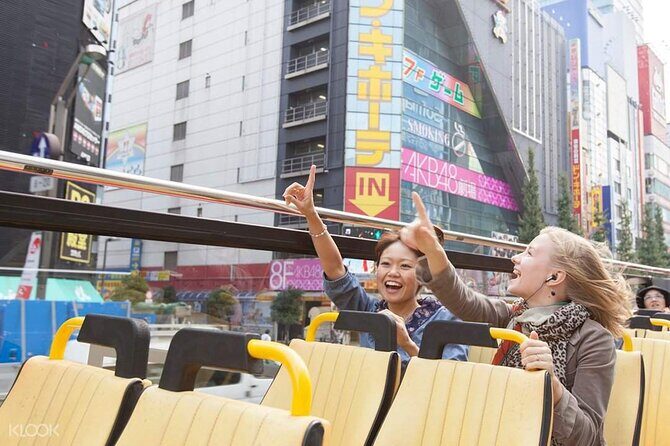
Even without fancy route names, the stops cluster into three big themes: classic landmarks around Tokyo Tower and nearby temples, culture and electronics around Asakusa–Ueno–Akihabara, and the modern high-energy side around Shinjuku and the Shibuya area. There’s also a waterfront-access angle through the Tokyo Teleport area, which is useful if you plan around Odaiba.
1) The Tokyo Tower / central sights side
You’ll see Tokyo Tower as a main stop, plus Zojo-ji Temple at the Tokyo Prince Hotel/Zojo-ji area. There’s also a pass by Fuji Television Network. This cluster works well if you want photogenic “Tokyo in one glance” energy right at the start.
2) Asakusa + Ueno + Akihabara (temples, museums, tech)
This is the route that most people use to experience traditional and modern Tokyo side-by-side. It includes Ryogoku / Edo-Tokyo Museum, Tokyo Skytree Station, and multiple Asakusa stops including Asakusa-Hanakawado and Asakusa-Kotobukichō. Then you roll into Ueno Station and the Ueno-Matsuzakaya area, and continue toward Akihabara (Suehirocho).
This sequence is smart because you can stack sights that are easy to pair:
- Morning temple walk in Asakusa
- Midday museum or neighborhood wandering around Ueno
- Afternoon browsing in Akihabara






3) Shinjuku to Shibuya area connections
On this side you’re heading for Tokyo’s big-city “high rise and crowds” experience. Stops include Shinjuku Gyoen National Garden, JR Shinjuku Station Southeast Exit Plaza, and Shinjuku Sta. West. Then you reach Shibuya City Hall Hatsudai Branch, a useful jumping-off point if your goal is the Shibuya Crossing area or nearby shopping streets. Tokyo Tower can also appear again on this broader set, depending on how you time your day.
Stop-by-stop guide: what each area is good for (and what to watch)
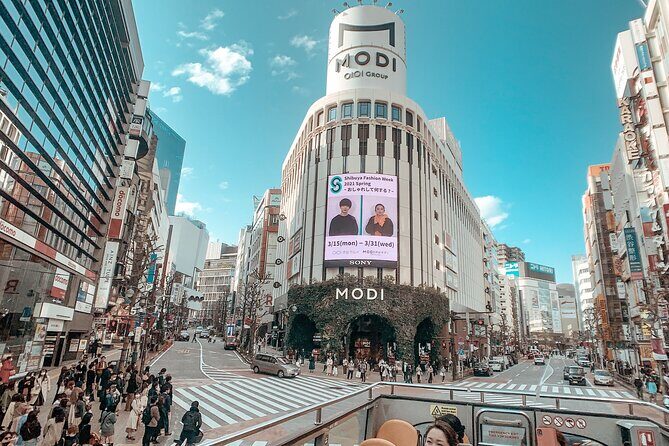
Below is how I’d think about the stops in real life. Not every stop will be a perfect “walk out and you’re there” moment, so I’ll tell you what each stop is best used for.
Tokyo Tower: viewpoints and iconic photos
A stop at Tokyo Tower gives you a clear landmark target. If it’s your first day, getting here helps you orient fast: you’ll understand how Tokyo Tower anchors the central skyline.
Watch for: the best photo spots often require a short walk and positioning. The bus drop-off is convenient, but you’ll still need to move around a bit to find your angle.
Zojo-ji Temple: a classic temple contrast
Next to the Zojo-ji Temple area, you get that satisfying contrast: modern city views paired with a serious, traditional temple setting. This is a good hop if you want Tokyo’s “old meets new” vibe in one short window.
Fuji Television Network: a quick pop of modern Tokyo
The Fuji Television Network stop is more of a “see the landmark, keep moving” moment than a long stay. If you like modern architecture or you’re building a photo route, it helps to have it pointed out from the bus.
Tokyo Teleport Station: your access link toward the waterfront
The Tokyo Teleport Station stop can be a practical entry point if you’re thinking about Tokyo’s waterfront plans (like Odaiba mentioned in the service overview). You’re basically using the bus to connect you to a different part of the city without hunting for the right station on day one.
Watch for: waterfront areas often feel spread out, so make sure you’ve checked how much walking you want to do after the stop.
Ginza (Ginza Capital Hotel Akane): shopping and polished streets
The Ginza stop is ideal for a lunch break with window shopping nearby. Ginza is also a “Tokyo adult mode” area: cleaner streets, lots of storefront energy, and easy wandering.
Kodenmacho: a less famous but handy rail-adjacent stop
Kodemmacho Station is a practical connecting point. It’s useful when you’re trying to travel smart through the city and you want to hop on/off without making your whole day about one single neighborhood.
Ryogoku + Edo-Tokyo Museum: history you can actually spend time on
The Ryogoku / Edo-Tokyo Museum stop is for when you want more than a quick look. If museums are your thing, this is the kind of stop that turns a sightseeing bus into a real day plan.
Tokyo Skytree Station: big views, big area
The Tokyo Skytree Station stop is one of the most convenient ways to reach a major viewing and shopping zone. Skytree area is where you can turn “seeing Tokyo” into “spending time in Tokyo.”
Asakusa-Hanakawado and Asakusa-Kotobukichō: temple atmosphere and street life
Multiple Asakusa stops are included, which is great because Asakusa is one of those places where you’ll want to roam. These stops are your base for that temple neighborhood feel, plus the side streets, snack stops, and photo moments.
Watch for: this is a walking-heavy area. Plan your hop offs so you aren’t fighting crowds at peak times without a plan.
Ueno Station + Ueno-Matsuzakaya: museum district plus shopping convenience
Ueno Station and Ueno-Matsuzakaya are strong combo stops. You can aim for museums and park space, then shift to department store browsing when you want a break.
Akihabara (Suehirocho): electronics, anime culture, and late-afternoon energy
The Akihabara (Suehirocho) stop makes it easy to drop into Tokyo’s electronics and pop-culture zone. Even if you’re not hardcore into it, it’s fun to wander and people-watch.
Shin-Nihombashi Station: an alternate “central Tokyo” anchor
Shin-Nihombashi can help if you want to connect to central areas without hopping right into the thickest tourist lanes. It’s a practical stop when you’re trying to keep your day flowing.
Shinjuku Gyoen National Garden: a calmer break
Shinjuku Gyoen National Garden is a smart counterbalance to the city chaos around it. If you need a breathing space, this is where you do it.
JR Shinjuku Station Southeast Exit Plaza and Shinjuku Sta. West: your big transport hubs
Having stops at major Shinjuku station areas makes the bus feel more useful. You can use these as reset points: lunch, train connection, or repositioning.
Shibuya City Hall Hatsudai Branch: for Shibuya’s buzz
The Shibuya City Hall Hatsudai Branch stop is a good jumping-off point for Shibuya plans, including the Shibuya Crossing area highlighted in the service overview. You get the convenience of bus access paired with the walking energy of Shibuya streets.
Audio and WiFi: what helps, what can go wrong
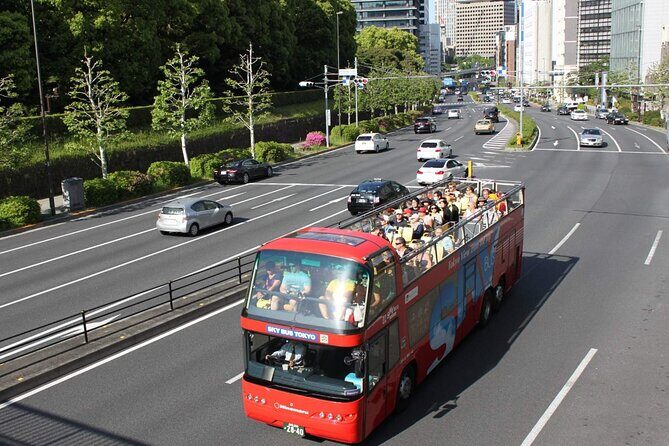
In theory, you’re getting commentary via audio, plus WiFi so you can follow along and plan your next moves. In practice, there can be days when the audio is hard to hear, absent, or poorly synced.
That’s why I recommend this simple approach:
- Bring your own earbuds so you can handle whatever the bus system provides.
- Don’t rely on audio alone for navigation. Use the map on your phone and pick destinations by name.
- Build in buffer time. If the bus runs late, you’ll still be able to enjoy the sights, but you might need more flexibility.
The WiFi is the saving grace here. Even if the narration is missing, you can still check train routes, opening hours, and the best walking path from the stop you want.
Timing and wait times: how to avoid the long gaps
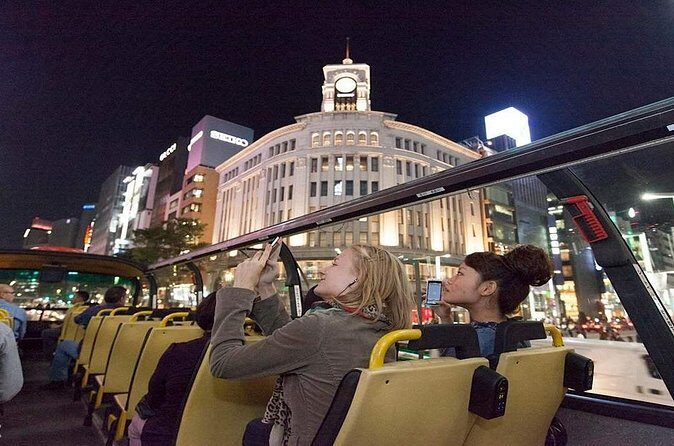
Hop-on hop-off sounds smooth on paper. On the ground, the biggest frustration is often timing: buses can be late, and the swap between stops can include big gaps depending on the day and route capacity.
So here’s my practical advice:
- If you’re aiming for a tight schedule (like a museum ticket time), treat the bus as your connector, not your strict clock.
- If you notice long gaps, consider using Tokyo’s subway system to get back toward your hotel or your next major anchor. This is how you preserve your day.
Also, capacity can be an issue. When buses don’t match ticket demand, you can end up waiting longer at stops. Build in a little patience, and plan your “must-see” moments earlier in the day.
Two-day strategy: how to ride without feeling trapped
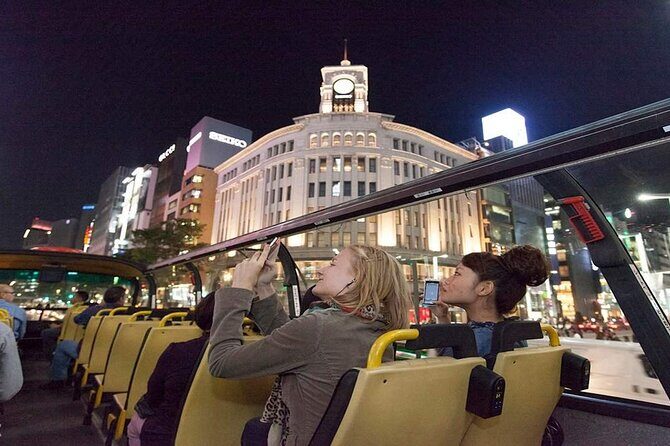
If you use the ticket for two consecutive days, you can turn it into a smart “Tokyo routing tool.” Day one works best as an orientation day: hit major landmarks, get off where you want to walk, and return when it’s time to cool down or regroup.
Day two is where you focus. Pick 2 neighborhoods max and use the bus to connect them. For example:
- Asakusa in the morning, Ueno in the afternoon, and Akihabara if you still have energy.
- Tokyo Tower and Zojo-ji early, then Ginza later for shopping and dinner.
This approach keeps the bus from turning into a waiting game. You’ll spend more time where you actually want to be.
Ticket use that can make or break your day
There’s a key operational step with vouchers. You can exchange your voucher at the Marunouchi ticket counter (Skybus Ticket Center on the 1st floor of Marunouchi Mitsubishi Building) or at any Sky Hop Bus stop. You show your voucher, then the staff guides you to exchange it for the actual ticket.
After that, you redeem your ticket from the bus driver or staff at bus stops along the route.
Here’s the thing to watch: when tickets aren’t accepted as expected, it can lead to rushed problem-solving at the stop. My advice is straightforward: exchange early, keep your voucher accessible, and don’t wait until the last minute if you’re getting on at a busy time.
Who should book this bus, and who might skip it
This hop-on hop-off bus is a good match if:
- You’re arriving and want an easy way to see Tokyo’s major areas quickly.
- You like making your own plans and returning when you’re ready.
- You want WiFi and rain prep without paying extra for each comfort item.
You might consider skipping or pairing it with train time if:
- You’re sensitive to unreliable audio commentary.
- You hate waiting around at stops for long stretches.
- You’re using third-party tickets/vouchers and want a “no friction” experience.
Should you book Hop-On Hop-Off Tokyo Bus by Skyhop Bus?
I’d book this if you want flexibility and you’re happy using the bus as a neighborhood connector. The open-top ride, WiFi, and strong stop coverage around Tokyo Tower, Asakusa/Ueno/Akihabara, and Shinjuku/Shibuya make it a practical way to build your Tokyo day.
But I’d do it with your eyes open: audio may not always be perfect, buses can run late, and the smoothness of ticket handling matters. If you’re okay with a little unpredictability in exchange for convenience, it can be a solid value at $48.99—especially when you use it across two consecutive days.
FAQ
How long does the Hop-On Hop-Off Tokyo Bus ride take?
The experience duration is listed as about 1 hour 57 minutes (approx.).
Is WiFi included on the bus?
Yes. WiFi on board is included.
Can I use the ticket on more than one route?
Yes. The ticket can be used on all routes within the valid time.
Is the ticket good for one day or two?
You can choose 1 or 2-day unlimited hop-on hop-off use. If you use it for two days, you can use it for two consecutive days from the first day of use to the last bus of the next day.
Do I get rain gear?
During rainy season, the tour includes a poncho/raincoat.
Where can I exchange my voucher for the ticket?
You can exchange your voucher at the Marunouchi ticket counter (Skybus Ticket Center on the 1st floor of Marunouchi Mitsubishi Building) or at any Sky Hop Bus stop. Show your voucher to staff for guidance, then redeem at the bus driver or staff at bus stops along the route.